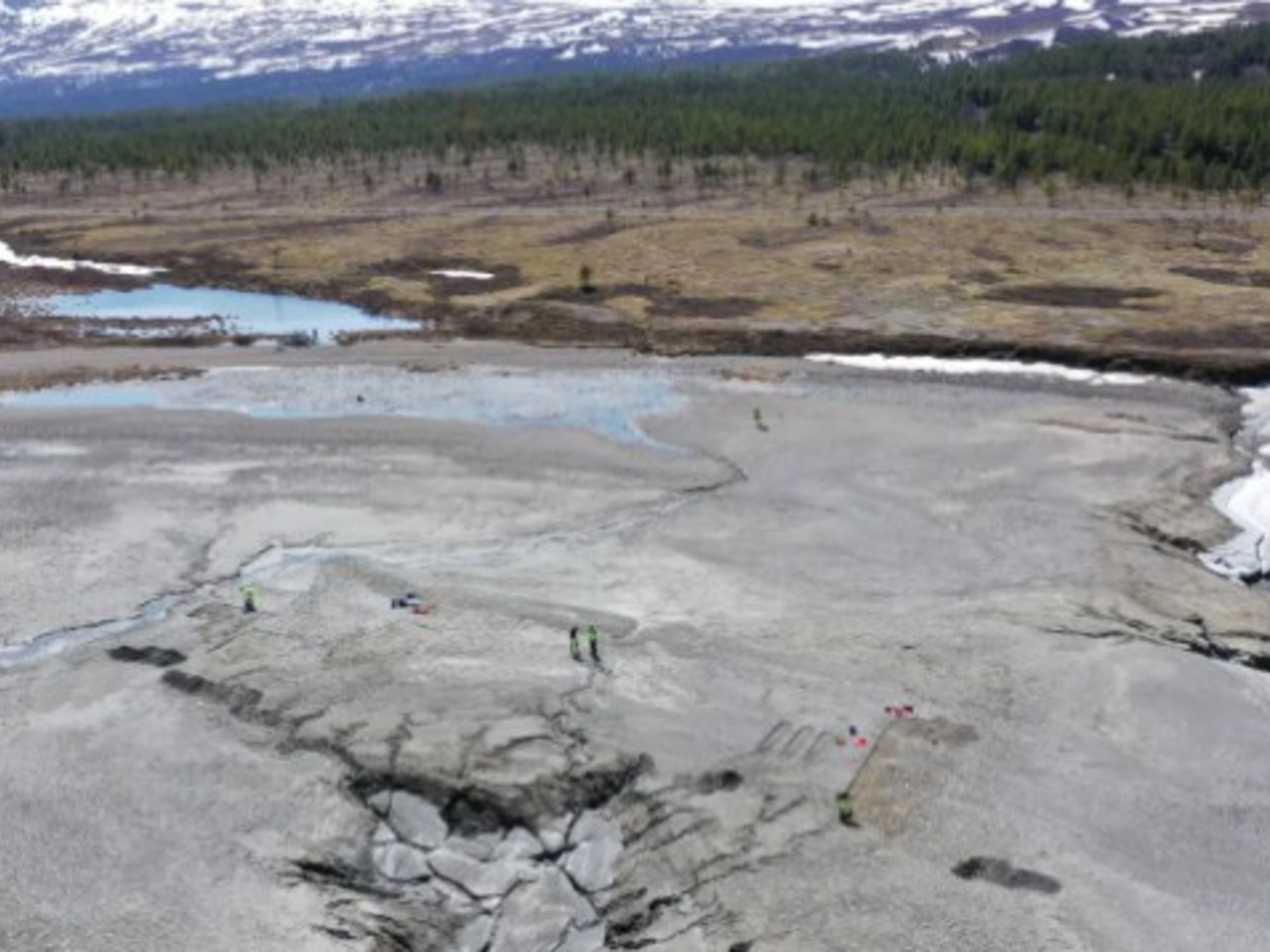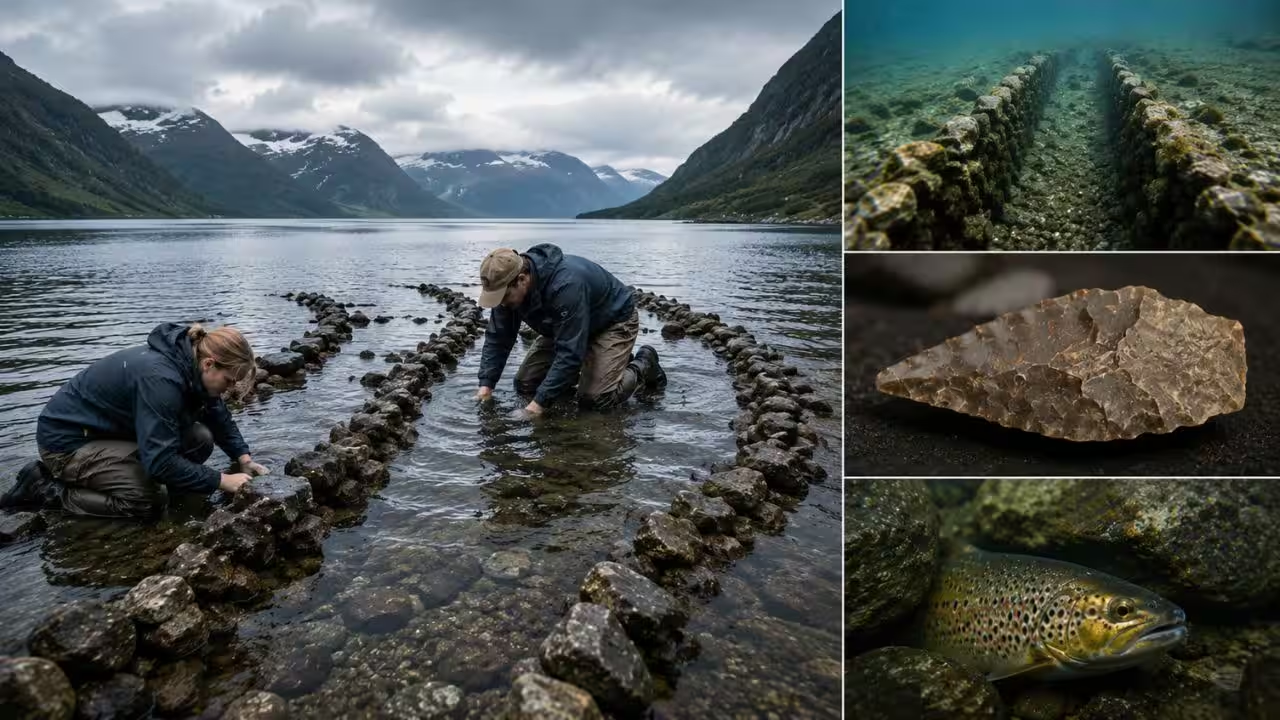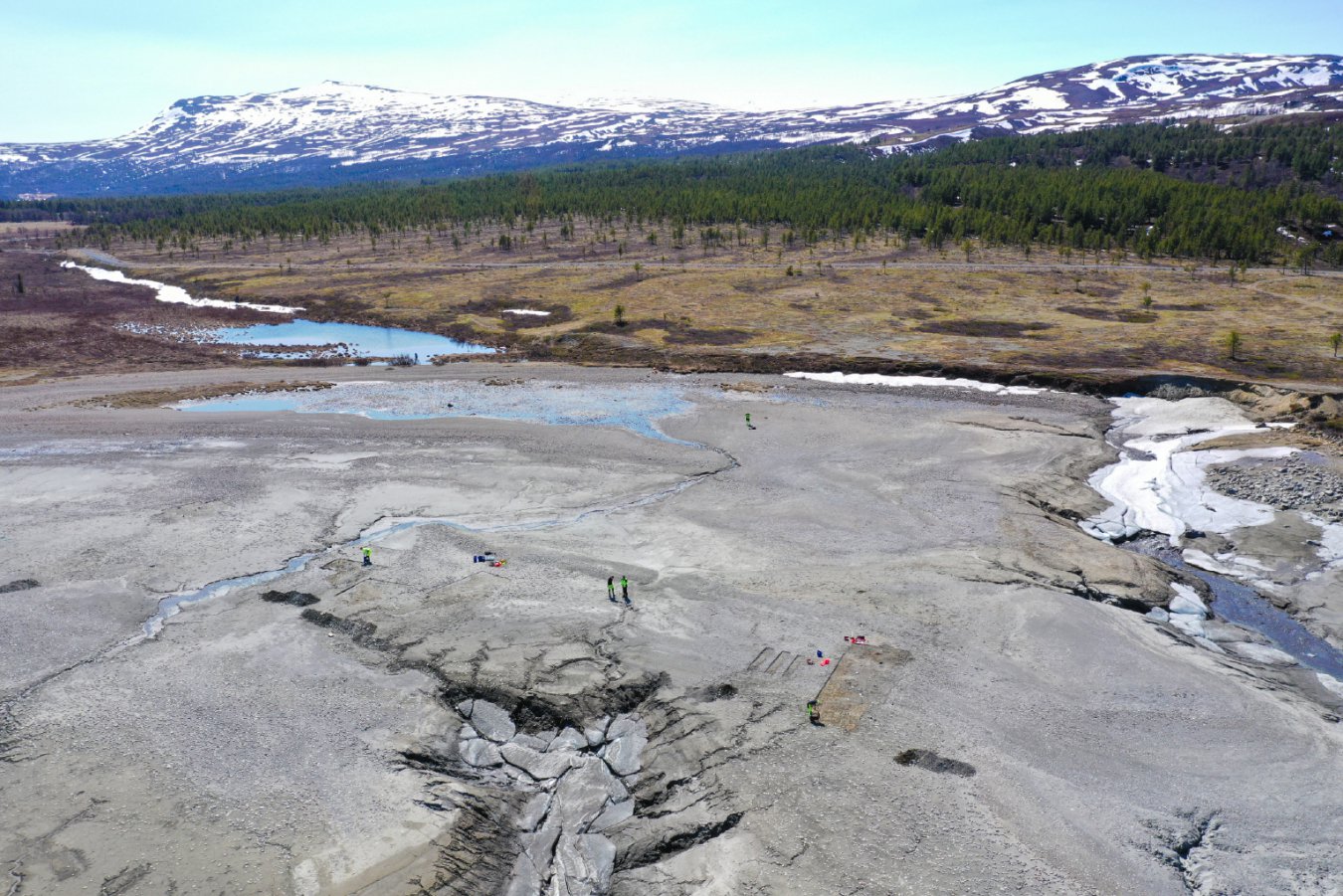
SynopsisAncient fish traps reveal Stone Age hunter-gatherers introduced brown trout into Norway's isolated Lake Tesse. These communities deliberately moved live trout upstream, creating a dependable food source for themselves. Evidence suggests people repeatedly repaired fishing traps over many centuries, showing long-term planning.How Stone Age people moved fish into mountain lakes (Photo: AI/Gemini)Disclaimer: This image is an AI-generated artistic depiction of Mesolithic Stone Age communities in Norway and is intended for illustrative purposes only.Long before farming reached the region, Stone Age hunter-gatherers in what is now Norway appear to have deliberately introduced live brown trout into the isolated waters of Lake Tesse around 5000 BC, creating a dependable food source.The evidence comes from wooden fish traps preserved beneath the lakebed. Along with evidence that people repeatedly returned to repair and maintain the traps, the discoveries suggest these communities were doing more than simply catching wild fish. They introduced trout into an isolated lake and repeatedly returned to maintain the fishing system that supported a dependable food source, as per a report.An isolated lake where trout could not arrive naturallyLake Tesse sits about 2,800 feet above sea level in Norway's Jotunheimen mountains. After the area emerged from beneath the Fennoscandian Ice Sheet around 8400 BC, lakes and rivers became available for plants and animals to recolonize.However, steep river sections and waterfalls prevented fish from naturally reaching the upper lake system. While about 25 fish species were historically recorded in lower waterways, only brown trout were found in the isolated mountain lakes.The researchers concluded that people moved live trout upstream.Lead author Axel Mjærum of the University of Oslo said, “This implies that fish, and more specifically brown trout, were translocated by hunter-fisher-gatherers during the Scandinavian Mesolithic,” as quoted by Eco News.Ancient fish traps reveal long-term planningThe discovery was made after hydropower operations lowered Lake Tesse's water level in 2022, exposing sections of the old lakebed where partly buried wooden fish traps were found.One of the best-preserved traps contained 46 wooden poles, including a large chamber and a guiding fence designed to direct fish into the trap. Cut marks, split wood and possible lashing traces showed the structure had been deliberately built.Radiocarbon dating placed the two oldest traps at about 5000 BC and 4950 BC, while tree-ring analysis showed that some structures were repaired years after they were first built.Rather than building the traps once and abandoning them, the evidence suggests people returned repeatedly to maintain the fishing system, possibly over much of the period between 5000 BC and 2650 BC.A food source worth waiting forExactly how the live trout reached the mountain lake remains unknown. The researchers suggest waterskins may have been one possibility because hide processing was already common during the Mesolithic, but the evidence does not reveal how the fish were transported.Even after the trout reached the lake, the population would likely have needed decades to grow large enough for substantial catches. That means the people who introduced the fish were investing in a food source that future visits, and perhaps future generations, could benefit from.Brown trout offered a dependable source of food alongside hunting reindeer and other large animals, reducing the risk of relying entirely on successful hunts.A different picture of Stone Age communitiesThe discovery challenges the idea that people only began managing nature after the development of farming.At Lake Tesse, hunter-gatherers deliberately introduced trout into an isolated lake, allowed the population to grow and repeatedly maintained fishing equipment to harvest it about a thousand years before clear evidence of farming appeared in central Scandinavia.According to the report, the descendants of those introduced trout remained valuable long after the Stone Age communities disappeared, suggesting that a decision made about 7,000 years ago helped shape the lake's trout population for thousands of years.Read More News on(Catch all the US News, UK News, Canada News, International Breaking News Events, and Latest News Updates on The Economic Times.) Download The Economic Times News App to get Daily International News Updates....moreless
A 7,000-year-old discovery in Norway shows Stone Age people were shaping ecosystems long before farming
A groundbreaking discovery in Norway reveals that Stone Age hunter-gatherers intentionally introduced brown trout into isolated Lake Tesse around 5000 BC, showcasing early ecosystem management long before the advent of farming. This finding challenges conventional views of prehistoric human interaction with the environment.
657 words~3 min read