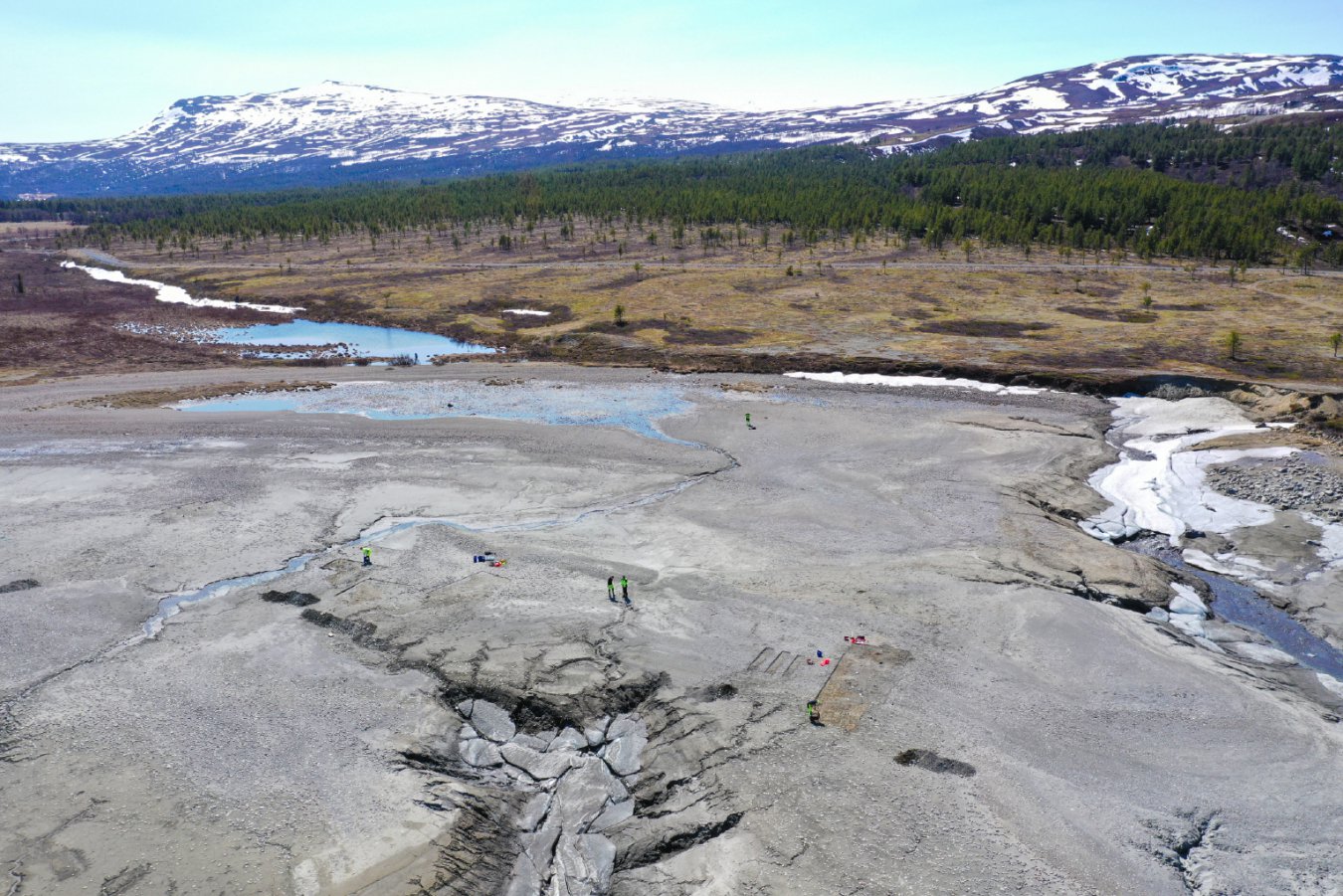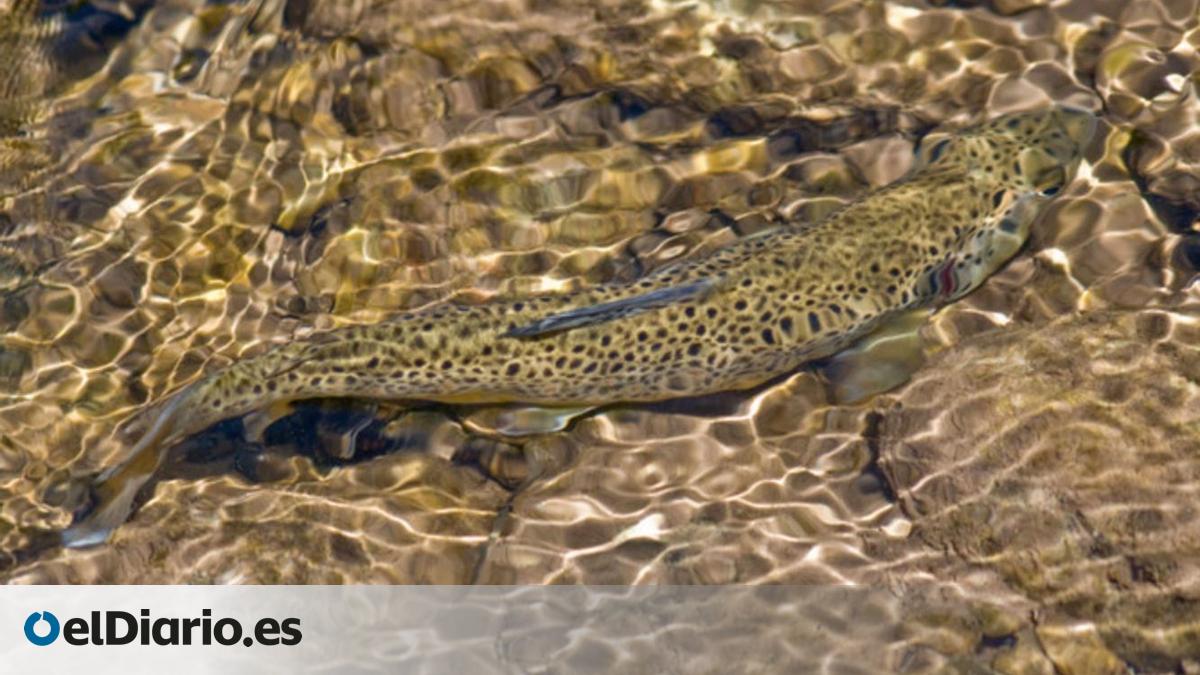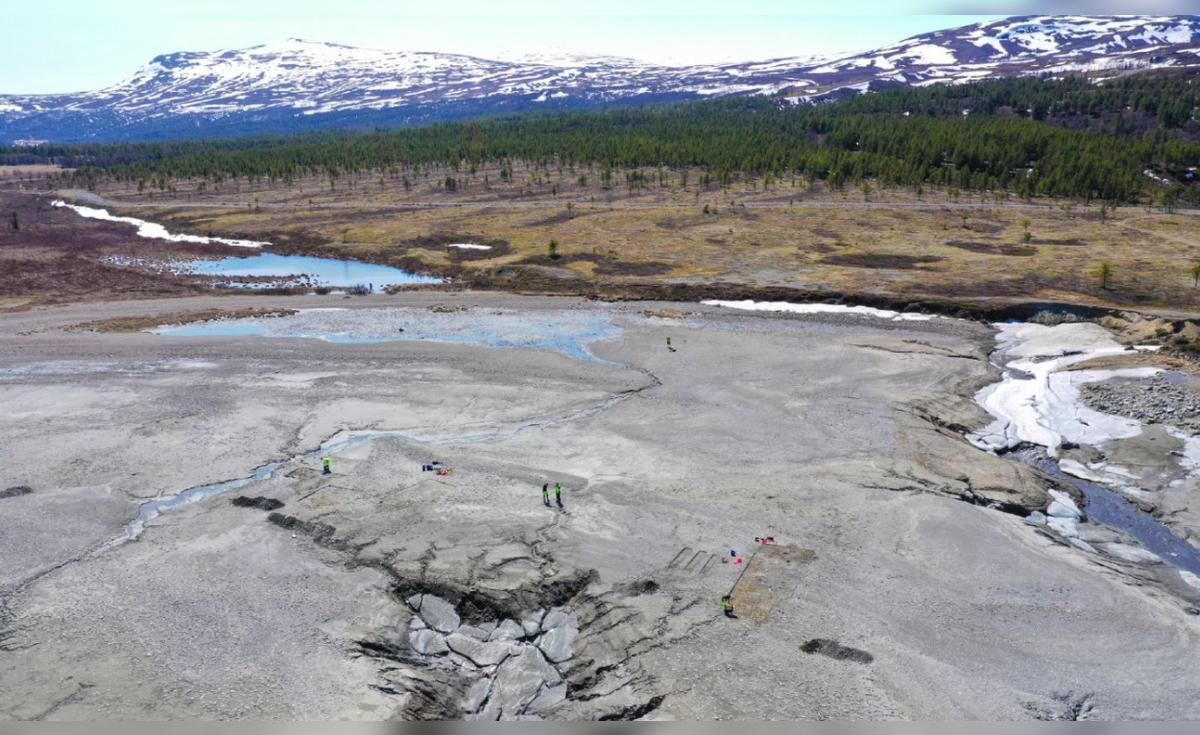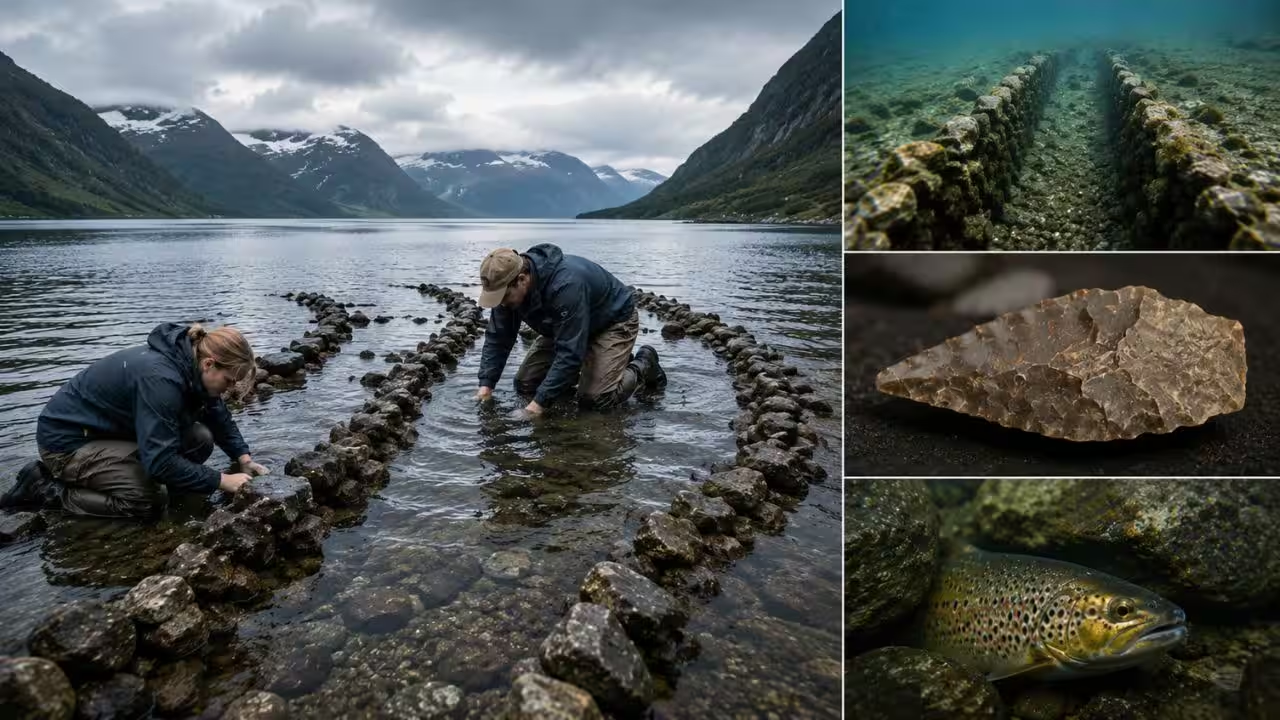
Lake Tesse | Wikimedia CommonsLong before fields were ploughed or livestock grazed across Scandinavia, people living in what is now southern Norway were already reshaping the landscape in a way that has endured for thousands of years. Archaeologists have uncovered 7,000-year-old wooden fish traps at Lake Tesse, high in the Norwegian mountains, providing the clearest evidence yet that Mesolithic hunter-fisher-gatherers deliberately transported brown trout into lakes that had never naturally contained fish. The discovery pushes organised environmental management centuries before farming reached the region and challenges the long-held idea that only agricultural societies actively transformed nature to secure food. According to a study published in Antiquity, radiocarbon dating shows the traps were in use from around 5000 BC, indicating that people had already established managed mountain fisheries thousands of years before the Neolithic farming tradition spread through Scandinavia.Lake Tesse | Wikimedia CommonsBrown trout did not reach the mountains on their ownWhen glaciers retreated after the last Ice Age, inland mountain valleys gradually became suitable for human settlement. Brown trout, though, faced an obstacle that people could overcome but nature could not. Waterfalls and steep river systems blocked the fish from reaching many upland lakes, leaving large stretches of freshwater completely fishless. Archaeologists have known for more than a century that the trout inhabiting these lakes must have been introduced by humans, but until now there was no firm evidence showing when that happened. Excavations at Lake Tesse changed that picture. Researchers uncovered remarkably preserved wooden fishing structures alongside traces of Stone Age settlements, allowing them to date both the traps and the fishing activity with unusual precision. According to lead author Axel Mjærum of the University of Oslo, the discoveries show that hunter-fisher-gatherers intentionally moved live brown trout into isolated lakes, where the fish established breeding populations that could later be harvested as a dependable food source.Moving live fish demanded planning and cooperationTransporting trout across rugged mountain terrain was far more complicated than carrying dried meat or harvested plants. Live fish had to survive the journey and adapt to unfamiliar waters after release, meaning the process required detailed knowledge of local geography, fish behaviour and seasonal conditions. The researchers argue that such efforts were unlikely to have been isolated events. Instead, they point to coordinated activities carried out over generations by communities that understood how introducing trout could create reliable fishing opportunities in places where none previously existed. Brown trout were an ideal choice because they grow relatively large, provide substantial calories, and thrive in cold mountain lakes. The newly discovered traps show that these populations were not introduced by chance but became part of organised fishing systems maintained long before agriculture transformed northern Europe. According to the Antiquity paper, this practice can even be viewed as an early form of food production, despite taking place within hunter-gatherer societies rather than farming communities.Brown trout | Wikimedia CommonsA Stone Age decision that still shapes Norwegian fishingBrown trout continue to inhabit Lake Tesse and numerous surrounding mountain lakes, with modern anglers catching fish descended from populations first introduced around 7,000 years ago. The findings also reshape how archaeologists understand Mesolithic societies, portraying them not as passive users of natural resources but as communities capable of making deliberate ecological changes with effects lasting millennia. Rather than waiting for farming to introduce environmental management, these hunter-fisher-gatherers were already altering ecosystems to secure future harvests, leaving behind evidence preserved in submerged wooden traps and living trout populations that have survived through countless generations. Their work demonstrates that one of humanity’s oldest traditions (modifying the landscape to improve food security) began long before crops ever appeared in Scandinavian fields.
Centuries before farming reached Scandinavia, hunter-gatherers introduced trout to Norway’s mountain lakes, creating fisheries that still exist today
Long before fields were ploughed or livestock grazed across Scandinavia, people living in what is now southern Norway were already reshaping the landscape in a way that has endured for thousands of years. Archaeologists have uncovered 7,000-year-old wooden fish traps at Lake Tesse, high in the Norwegian mountains, providing the clearest evidence yet that Mesolithic hunter-fisher-gatherers deliberately transported brown trout into lakes that had never naturally contained fish.
603 words~3 min read