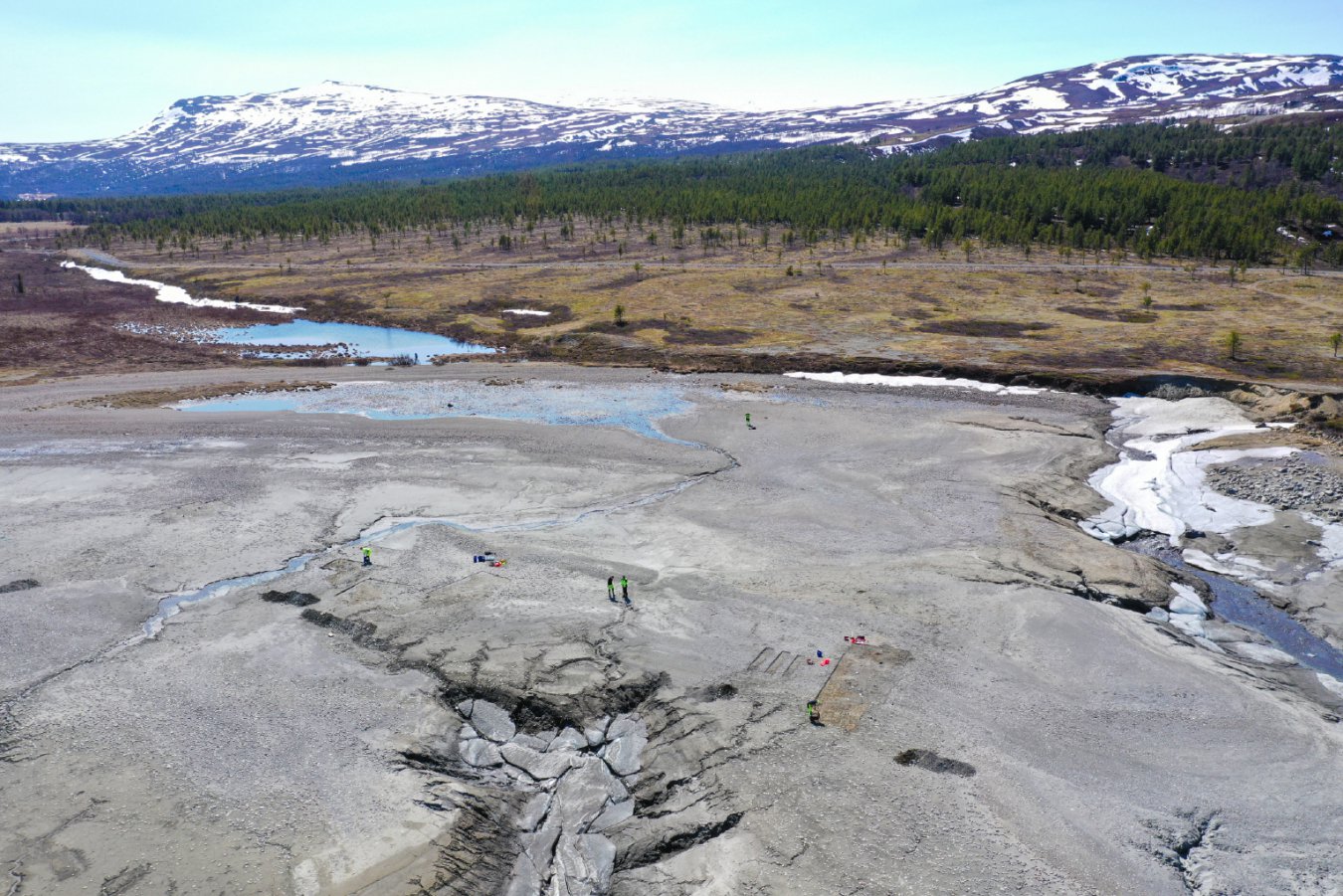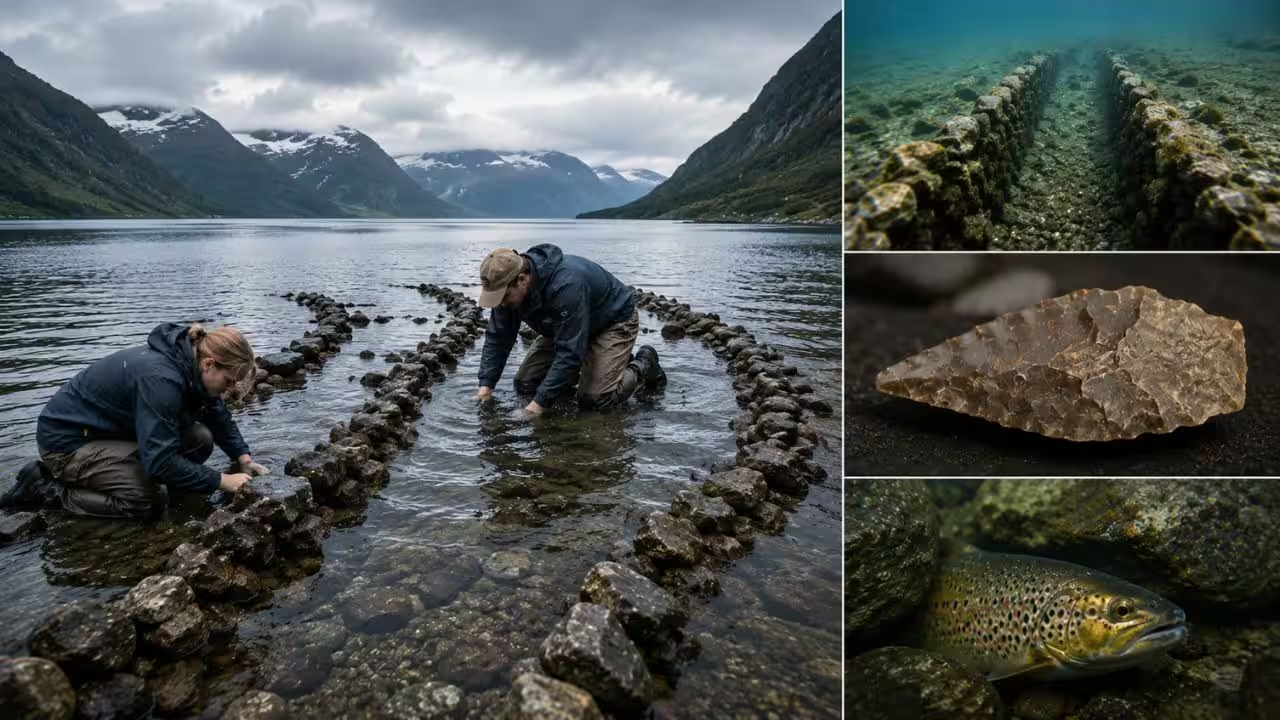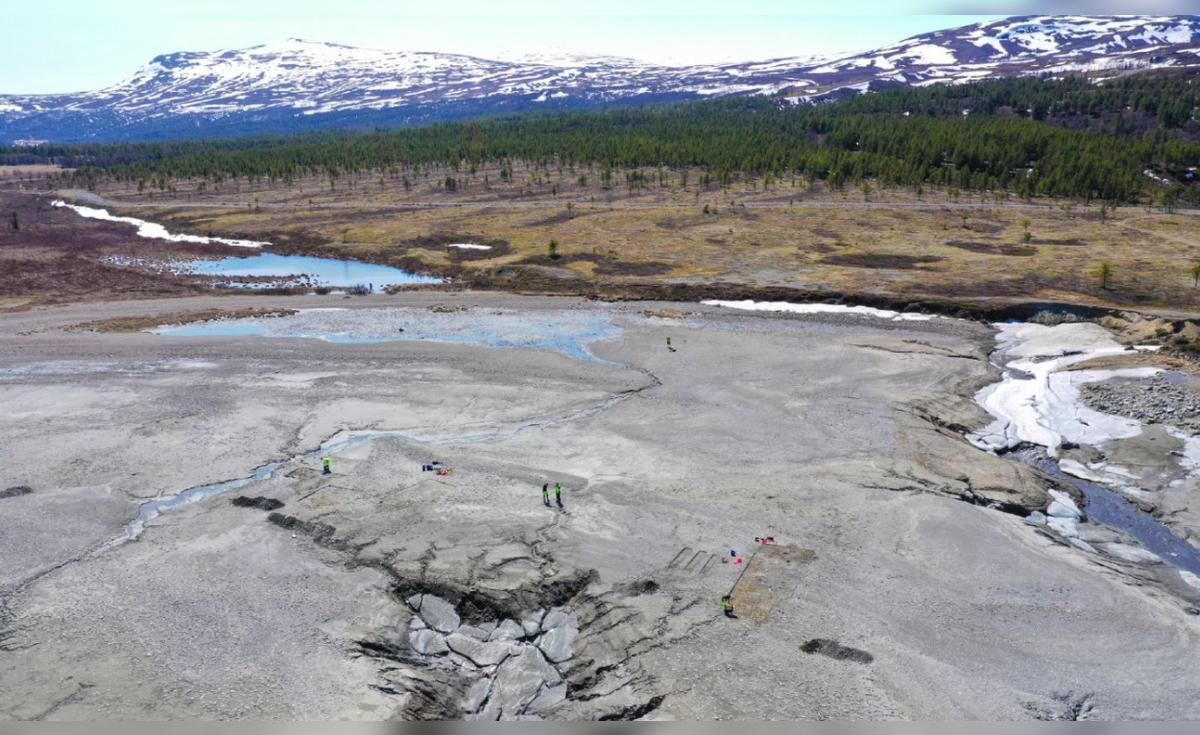
Some 10,000 years ago, humans first migrated into the mountains of modern-day Norway. Steep waterfalls left behind by the last Ice Age should have prevented fish from traveling upstream, making seafood an unlikely item on the Neolithic menu. But archaeological evidence seems to suggest otherwise. In 2022, archaeologists spotted what looked like fish traps at the lakebed of Lake Tesse in Norway. Subsequent dating and analysis of five excavated traps and associated wooden fragments revealed that the artifacts were between 5,000 and 7,000 years old. The results, published today in Antiquity, represent the first known evidence that prehistoric humans introduced freshwater fish to upstream lakes and rivers—an old hypothesis bolstered by new evidence. “For more than 100 years, it has been known that the fish inhabiting watercourses in the Norwegian mountains are descended from specimens translocated by humans,” Axel Mjærum, the study’s lead author and an archaeologist at the University of Oslo in Norway, said in a statement.
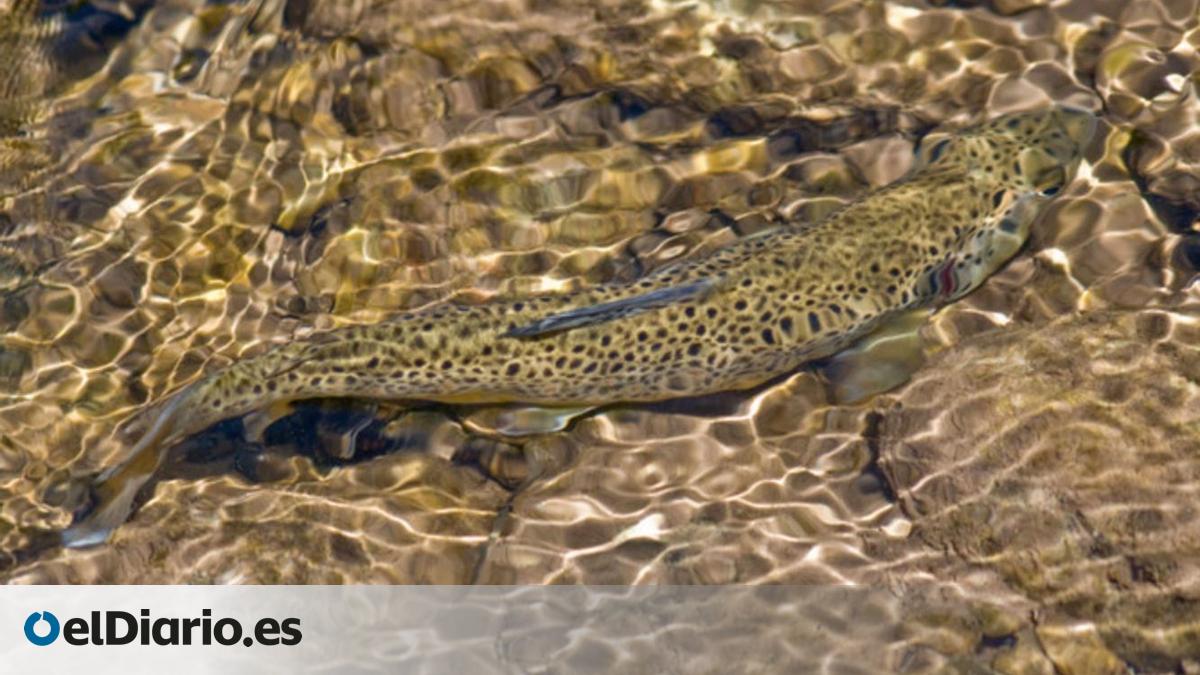
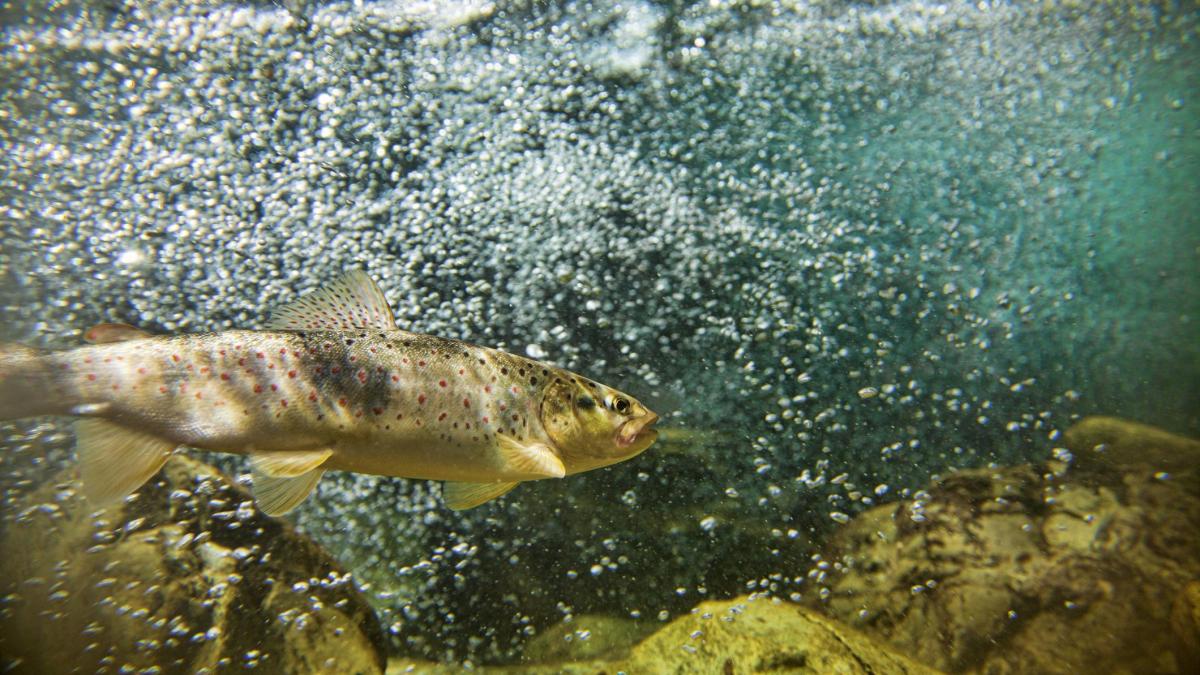
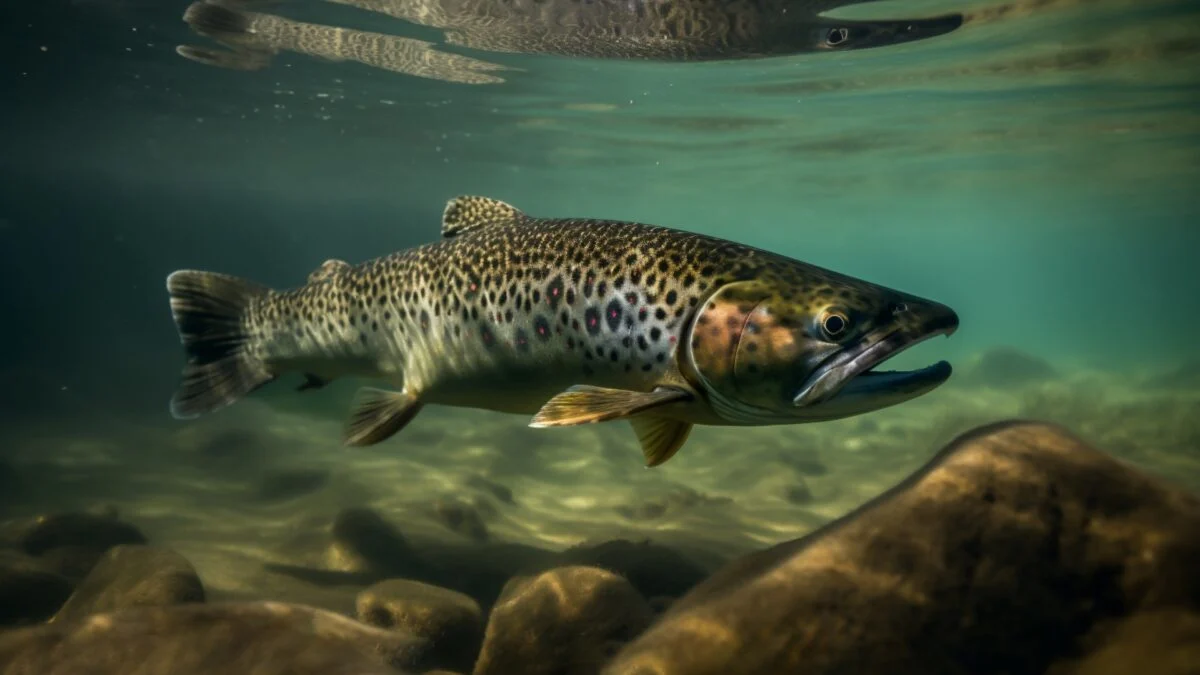
An odd hotspot for trout Before becoming a hydropower reservoir in the 1940s, Lake Tesse was famous for being home to an impressive population of brown trout, according to the paper. The abundance of fish likely made the lake a prime location for fishing. This was supported by the fact that, every spring, lower water levels would expose areas with buried archaeological items of interest at the lakebed.