Free daily briefing on global business news.
Heat stress, predator avoidance, prey availability, moisture loss — the specific pressures that push certain species to become nocturnal only during the hottest months
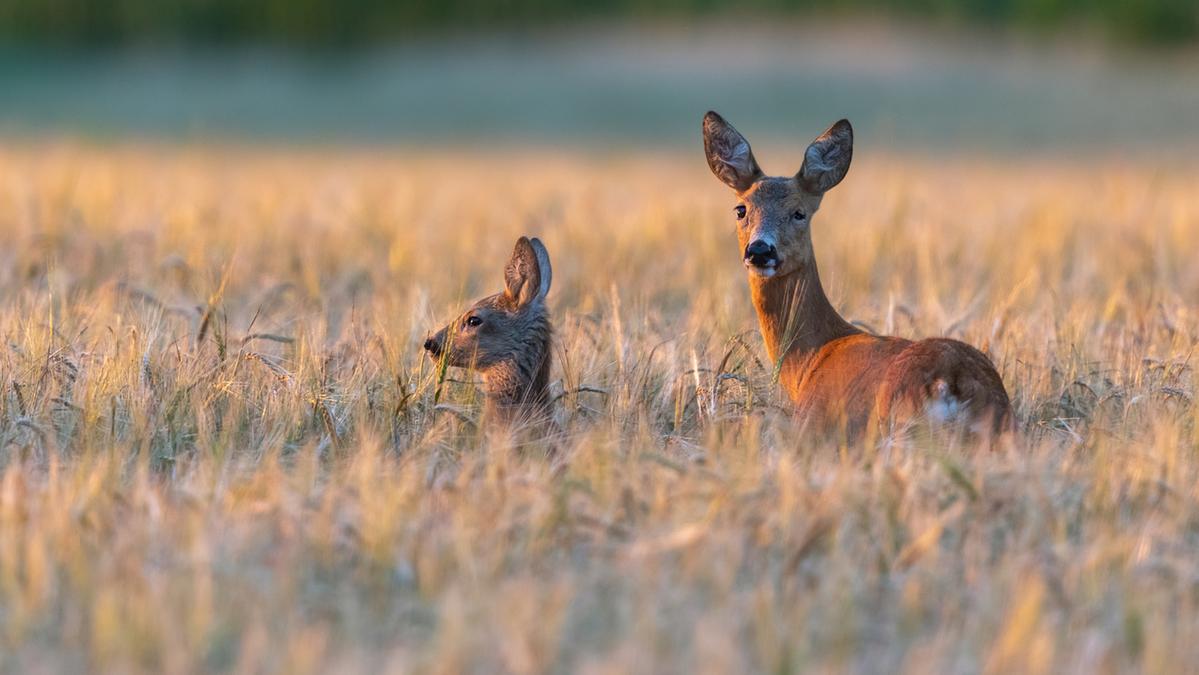
Mirko Meister / Pexels
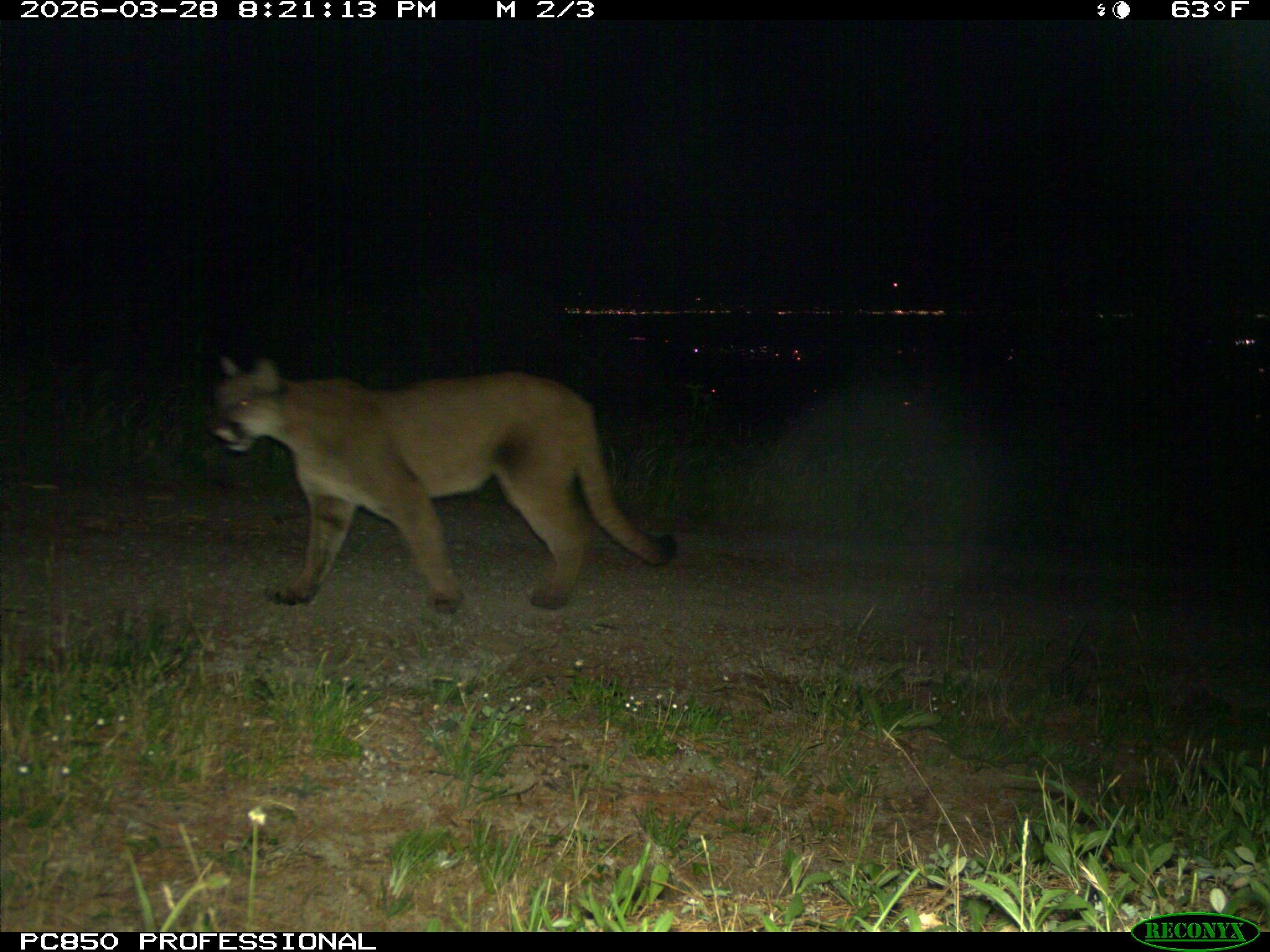
Many animals that are diurnal (active during the day) or crepuscular (active at dawn and dusk) for most of the year shift toward genuinely nocturnal activity specifically during summer's hottest stretch, a behavioral change called seasonal nocturnality that reflects a specific set of physiological and ecological pressures that intensify only when temperatures reach a certain threshold, meaning the same species can display two entirely different daily activity patterns depending on the time of year, without any change in the species' basic biology.
This shift is not a single, uniform response but the product of several distinct pressures that can act independently or in combination depending on the specific species and environment: the direct physiological cost of heat exposure, the changed availability of prey or forage at different times of day, and the specific behavior of predators, competitors, and parasites that themselves shift their own activity in response to summer heat, producing a cascading set of adjustments throughout an ecosystem rather than a single animal simply avoiding uncomfortable daytime temperatures.