Free daily briefing on global business news.
Water placement, cooling mats, when air conditioning genuinely matters — the specific steps that keep a cat safe and comfortable through the hottest days of summer
Yasin Onuş / Pexels
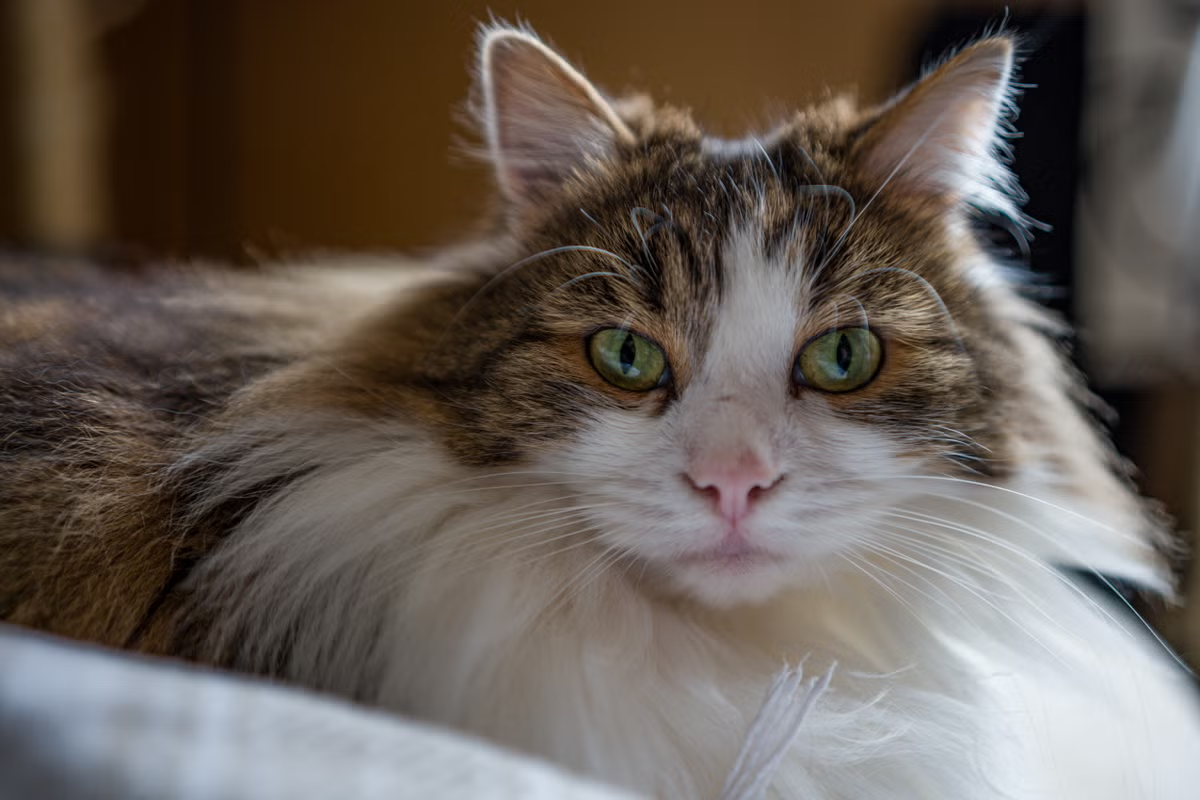
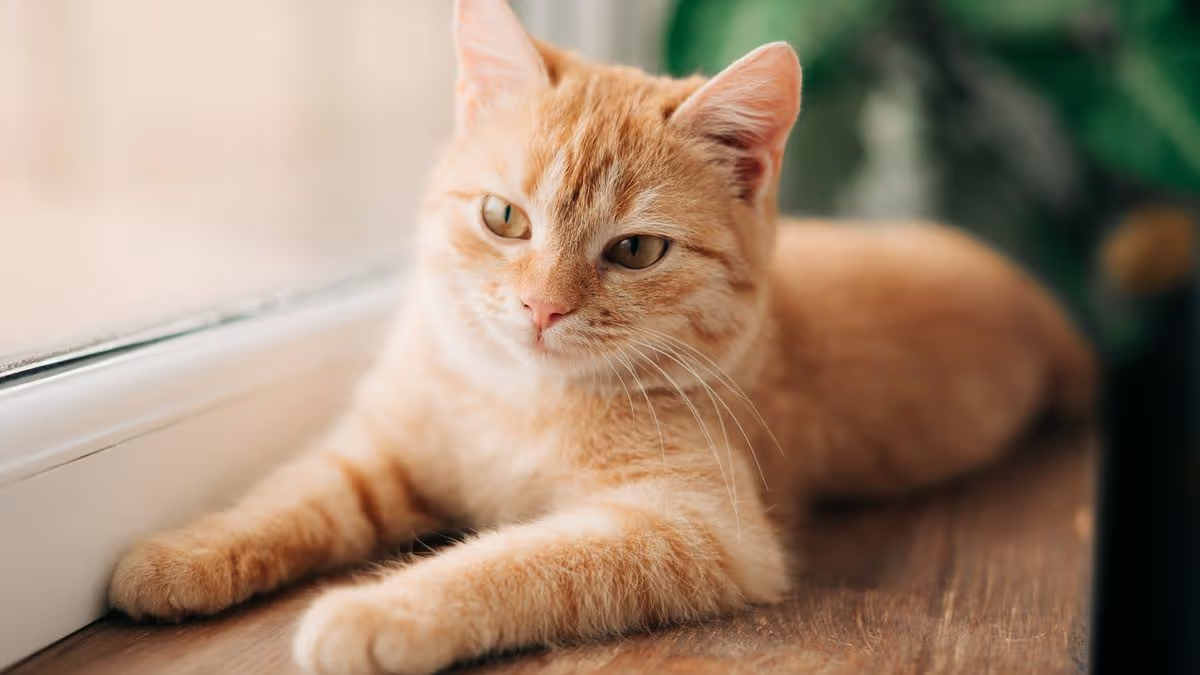
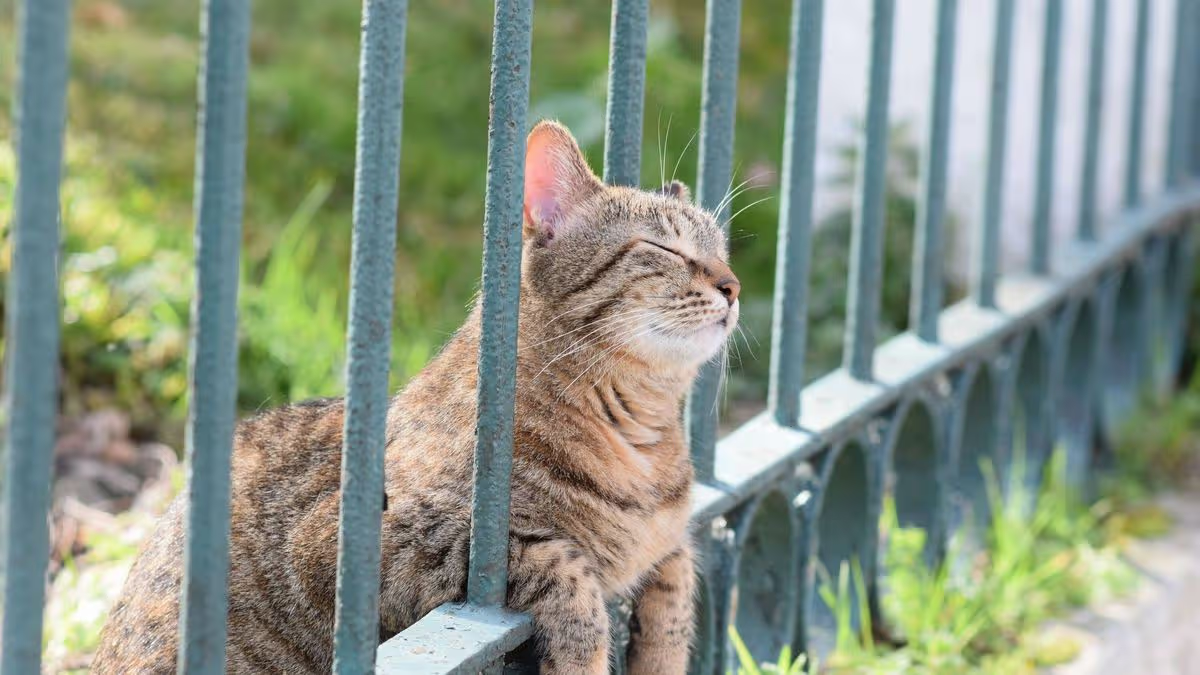
Cats are considerably better than dogs at concealing physical distress, a trait rooted in their evolutionary history as both predator and prey animal, and this same tendency toward concealment makes heat stress in cats specifically easy to miss until it has progressed further than an owner realizes. A dog pants heavily and obviously when overheated; a cat's early heat stress signs are subtler — reduced activity, seeking unusual locations, slightly faster breathing — and easy to attribute to a cat simply being a cat rather than recognizing them as a specific response to rising body temperature.
Cats also lack an efficient sweating mechanism across most of their body (they sweat only through their paw pads, a limited surface area for heat dissipation) and rely primarily on panting and grooming-based evaporative cooling, both of which are less effective cooling mechanisms than a human's full-body sweat response, meaning cats are physiologically more vulnerable to heat stress than the casual assumption that "cats handle heat fine" would suggest, particularly for specific at-risk groups including kittens, senior cats, overweight cats, and flat-faced breeds with compromised airways.