view more
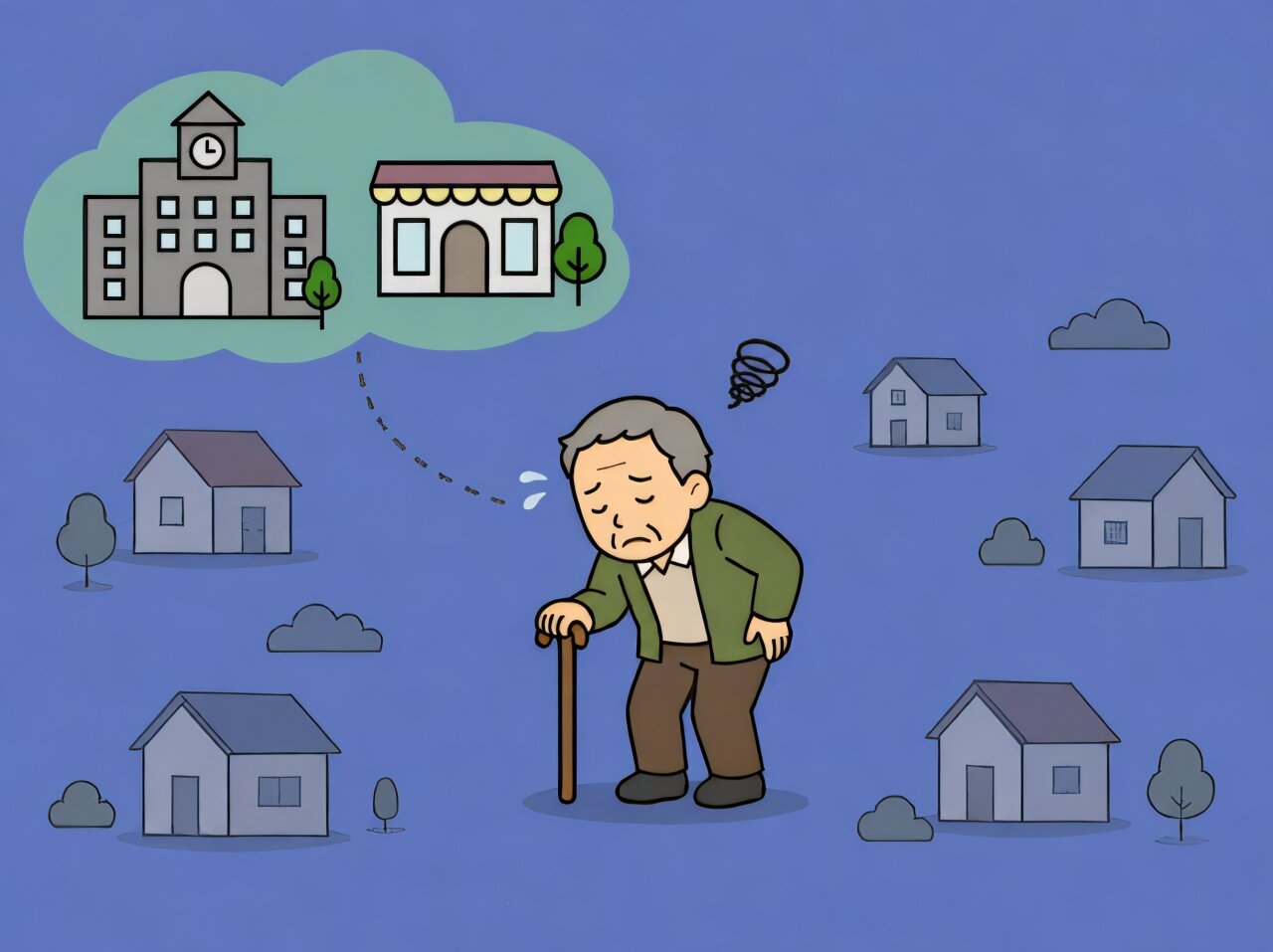
As populations decline and age across many developed countries, cities are increasingly being forced to ask a difficult question: how can residents maintain well-being when long-term demographic recovery is unlikely? This question is especially urgent in Japan, where the majority of small and medium-sized cities (SMCs) are already experiencing population decline.
Associate Professor Haruka Kato of Osaka Metropolitan University’s Graduate School of Human Life and Ecology examined how city-level population change shapes the relationship between everyday life conditions and residents’ life satisfaction. Using data from Japan’s national 2024 Survey on Satisfaction and Quality of Life, the study analyzed 5,645 residents living in SMCs. The research employed hierarchical linear modeling to evaluate cross-level interactions between city-level population change rates and individual-level life domains, including work–life balance, caregiving support, health, housing, finances, community, and other dimensions of daily life.
The results showed that population decline was modestly associated with lower life satisfaction. More importantly, the analysis identified a contextual buffering pattern where, as population decline became more severe, certain life domains became more important for maintaining life satisfaction. For adults, work-life balance became more strongly associated with life satisfaction in shrinking cities.