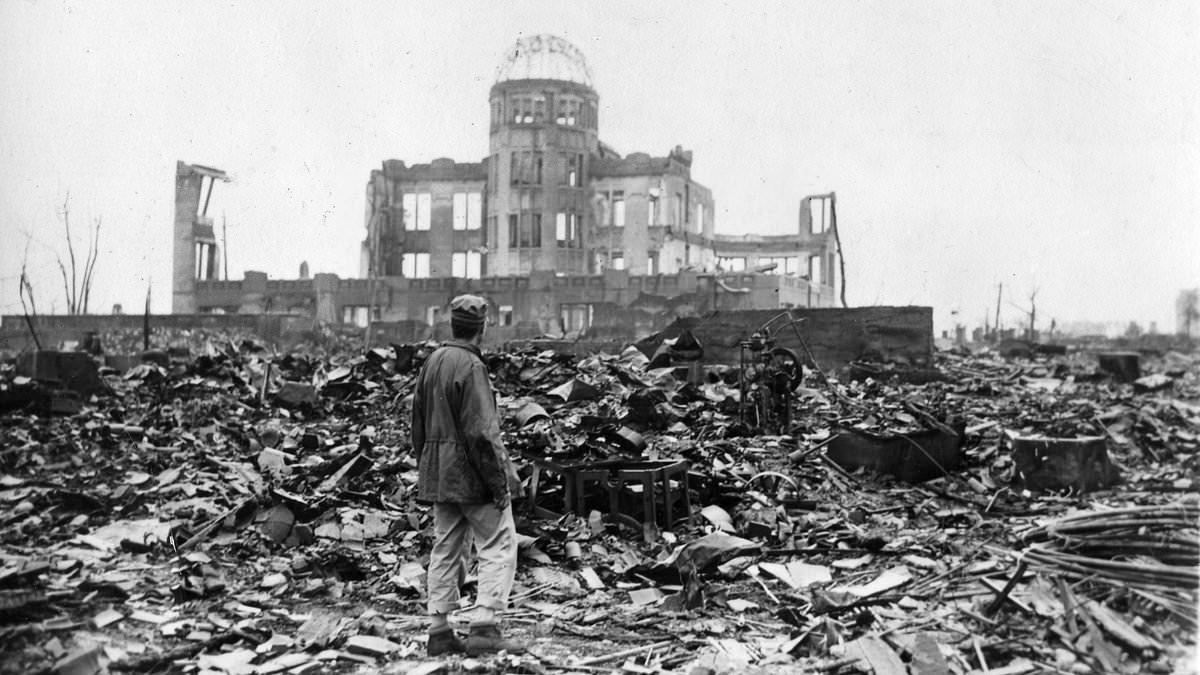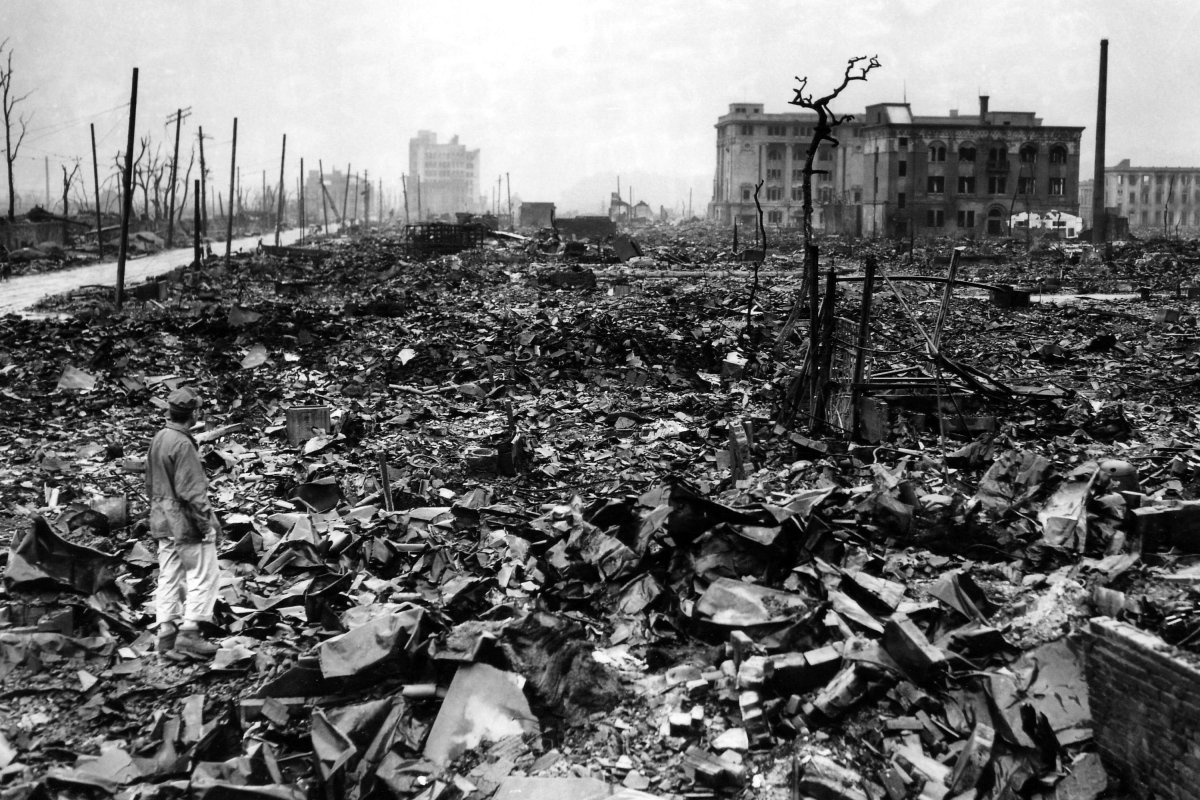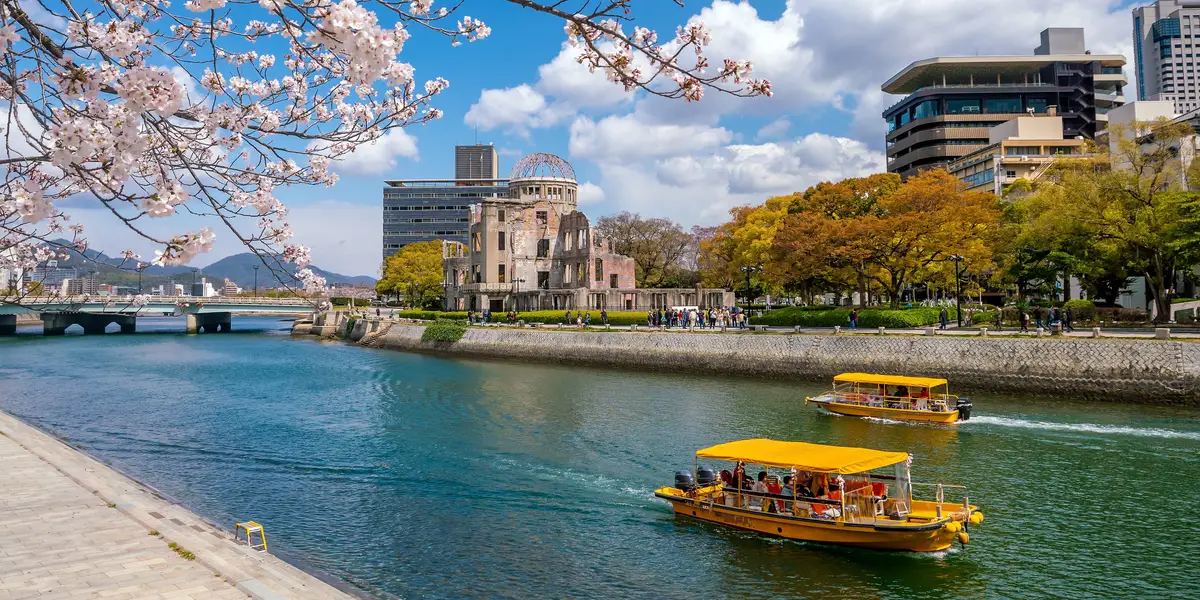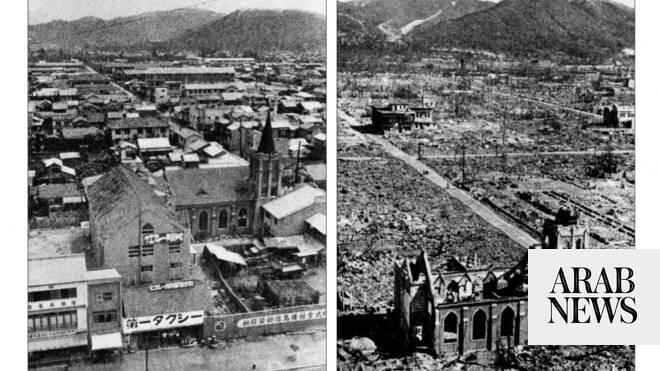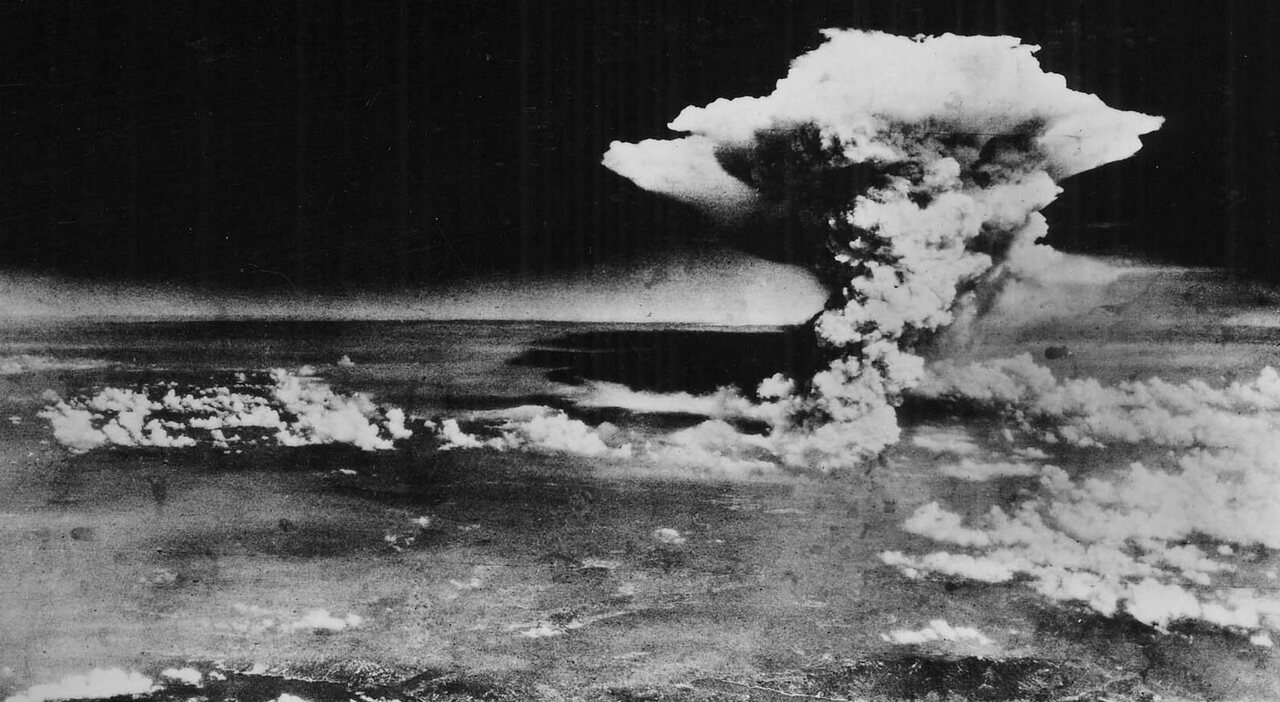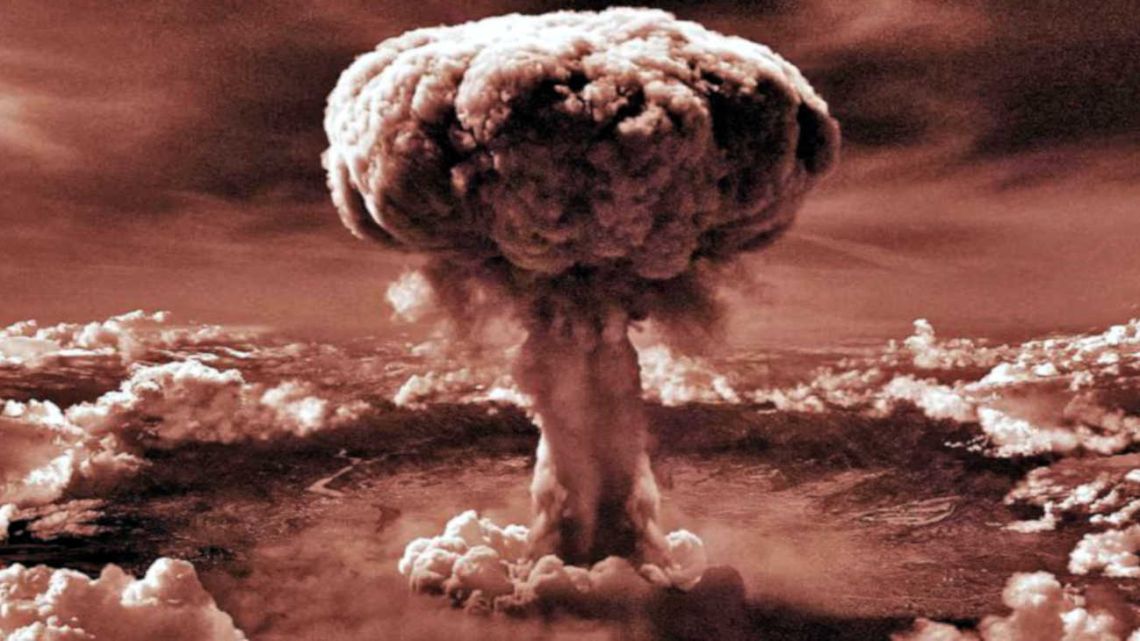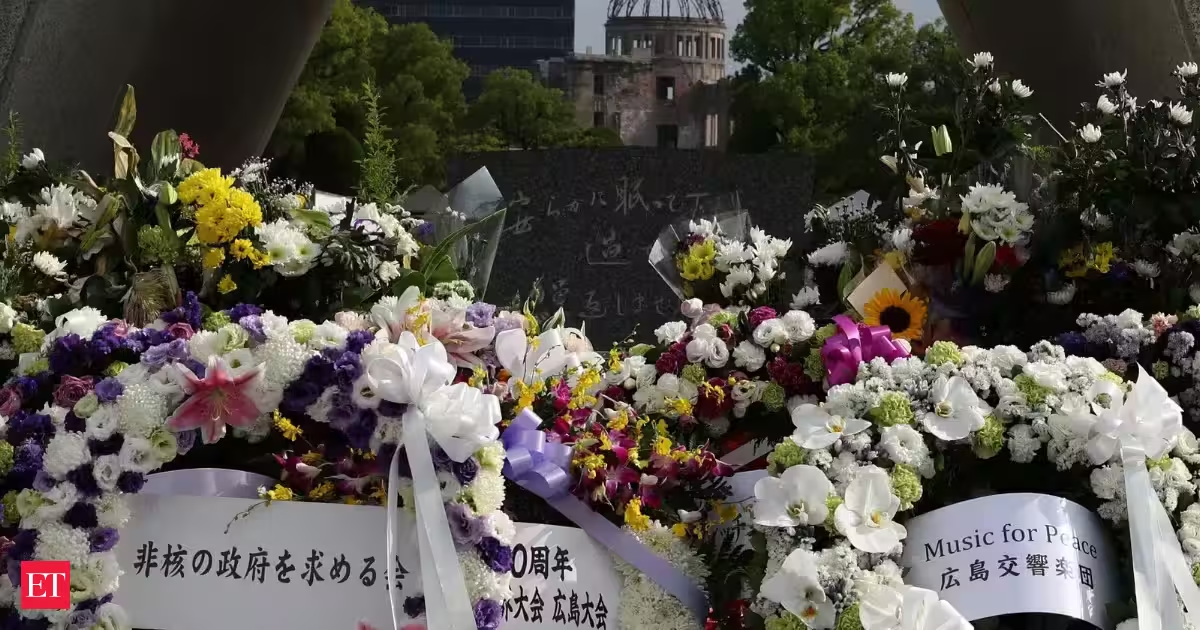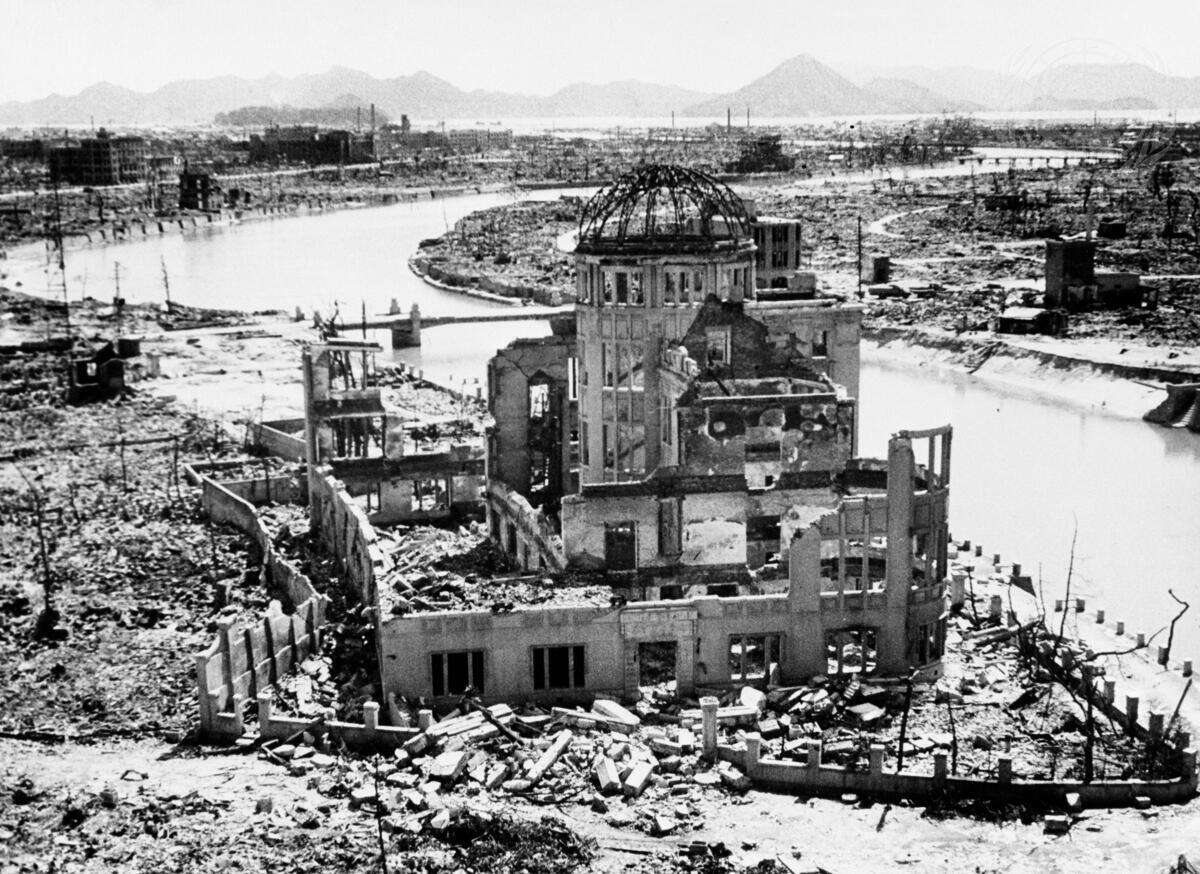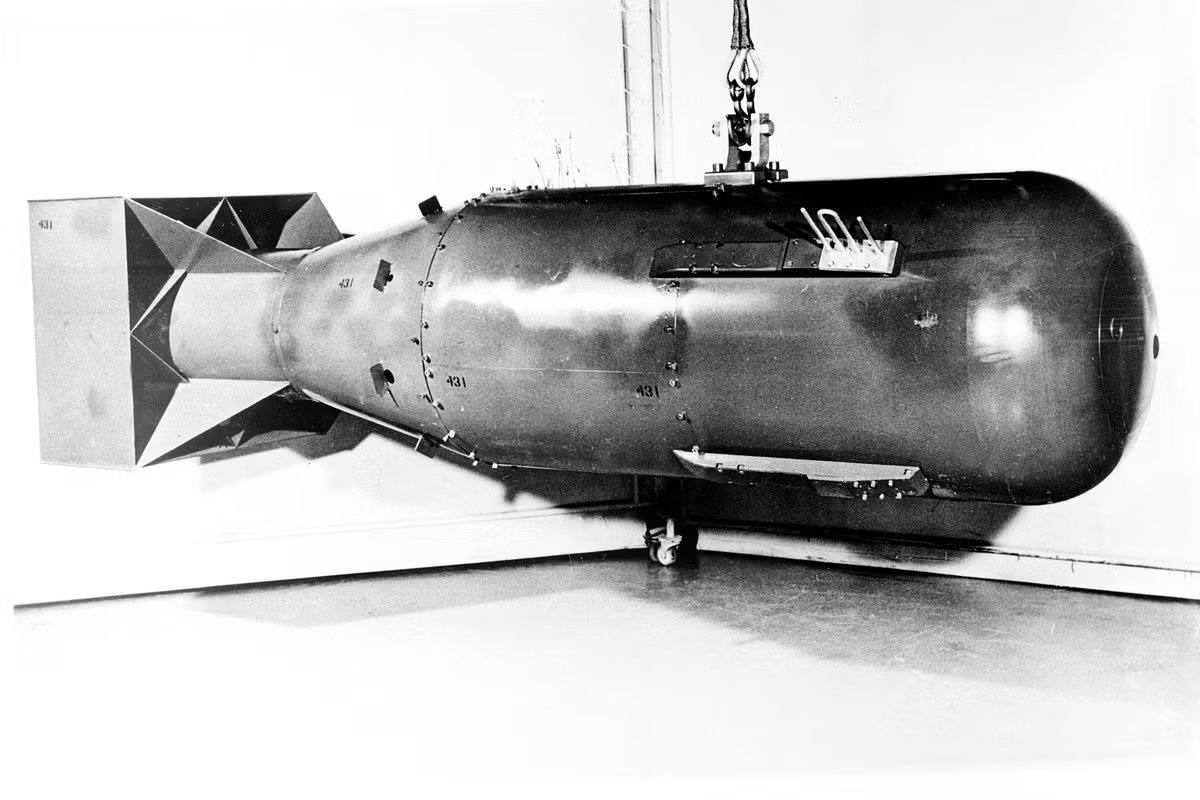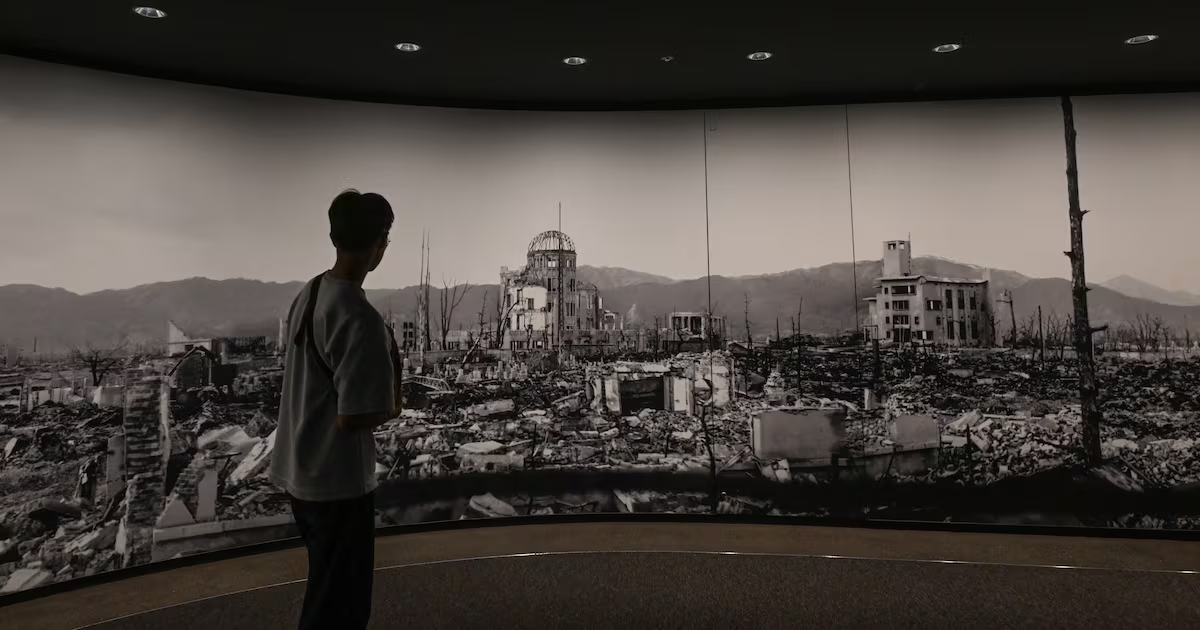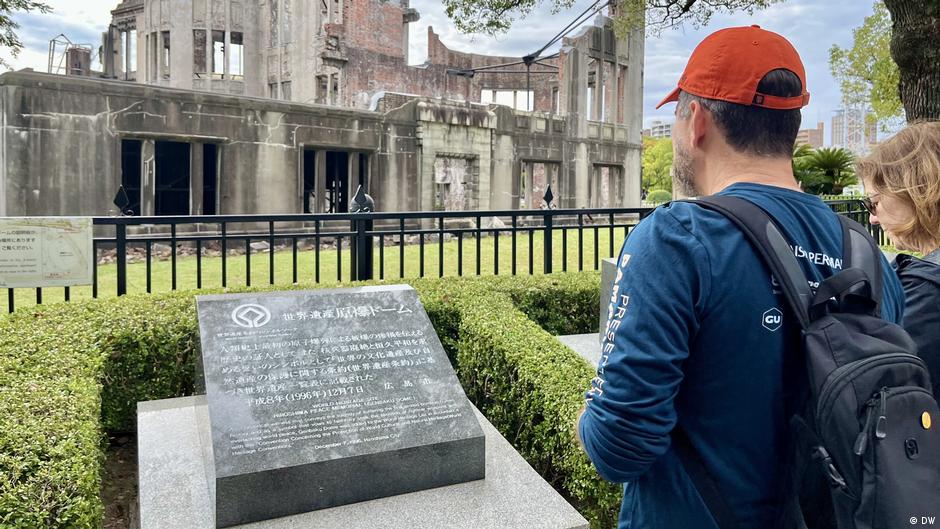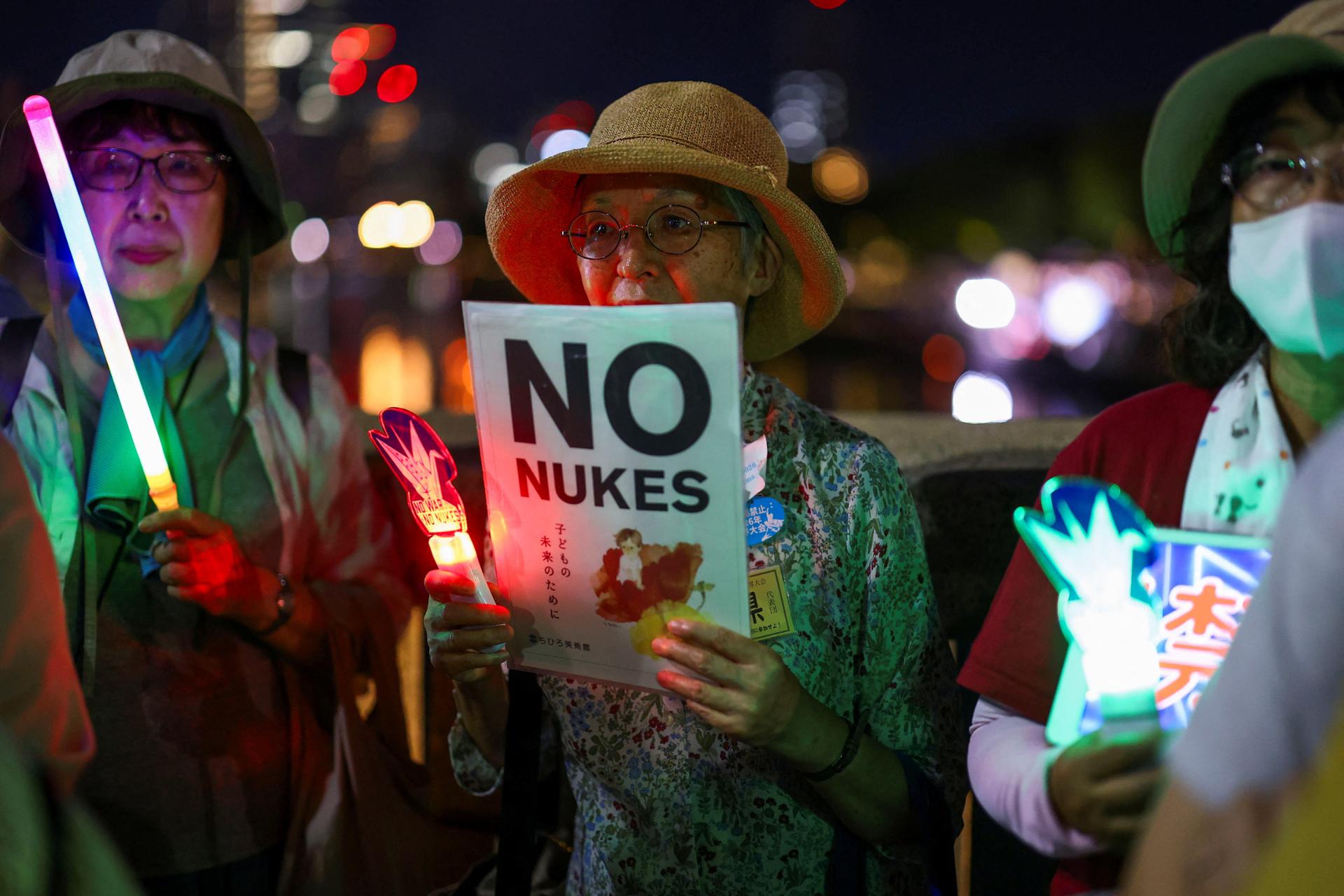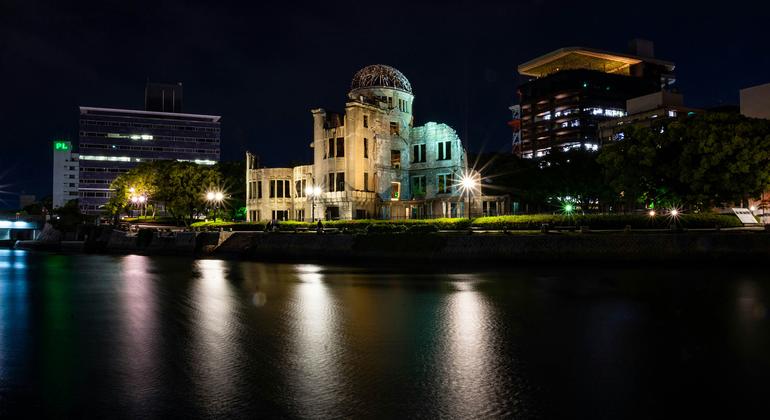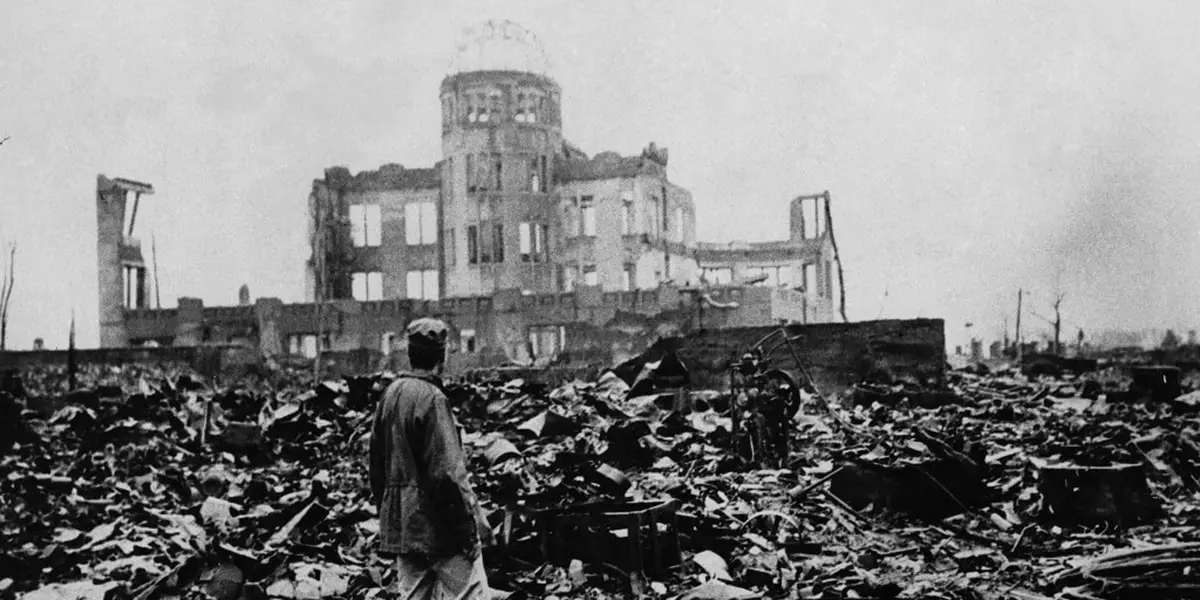
On August 6, 1945, a 10-foot-long uranium bomb that weighed 9,788 pounds called "Little Boy" was dropped on the Japanese city of Hiroshima. The explosion wiped out 5 square miles of the city, including 62,000 buildings. As many as 80,000 people are estimated to have been killed instantly.The explosion was so powerful that people were vaporized, leaving nothing behind except for their "nuclear shadow."The attack on Hiroshima has gone down as one of the deadliest days in Japanese history and ushered in the nuclear age. In the years since, there has been debate around whether the attacks were necessary to end the war.Eighty-one years since the bombing, here's a look at why the US government dropped the bomb, how the mission unfolded, and the devastating impact it had on Hiroshima.
On May 7, 1945, after World War II had been fought for almost six years, Germany surrendered to the Allies, but Japan refused.
There were celebrations in New York on May 7, 1945, after Germany announced its surrender towards the end of World War II.
Bettmann/Getty
Germany surrendered to the Allies — including Britain, China, the Soviet Union, and the US — but instead of following suit, Japan continued to fight. They made it clear they would fight until the bitter end.