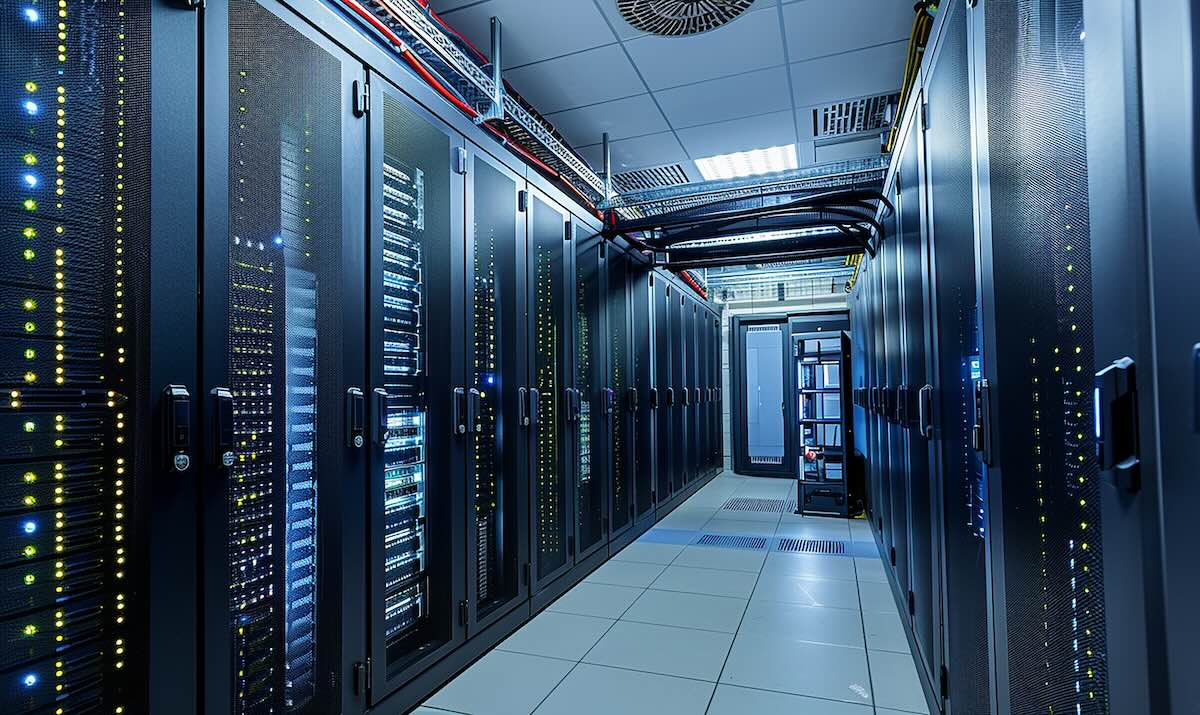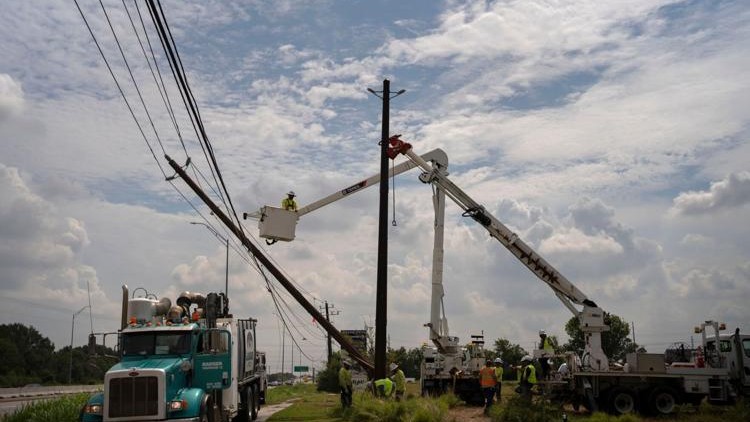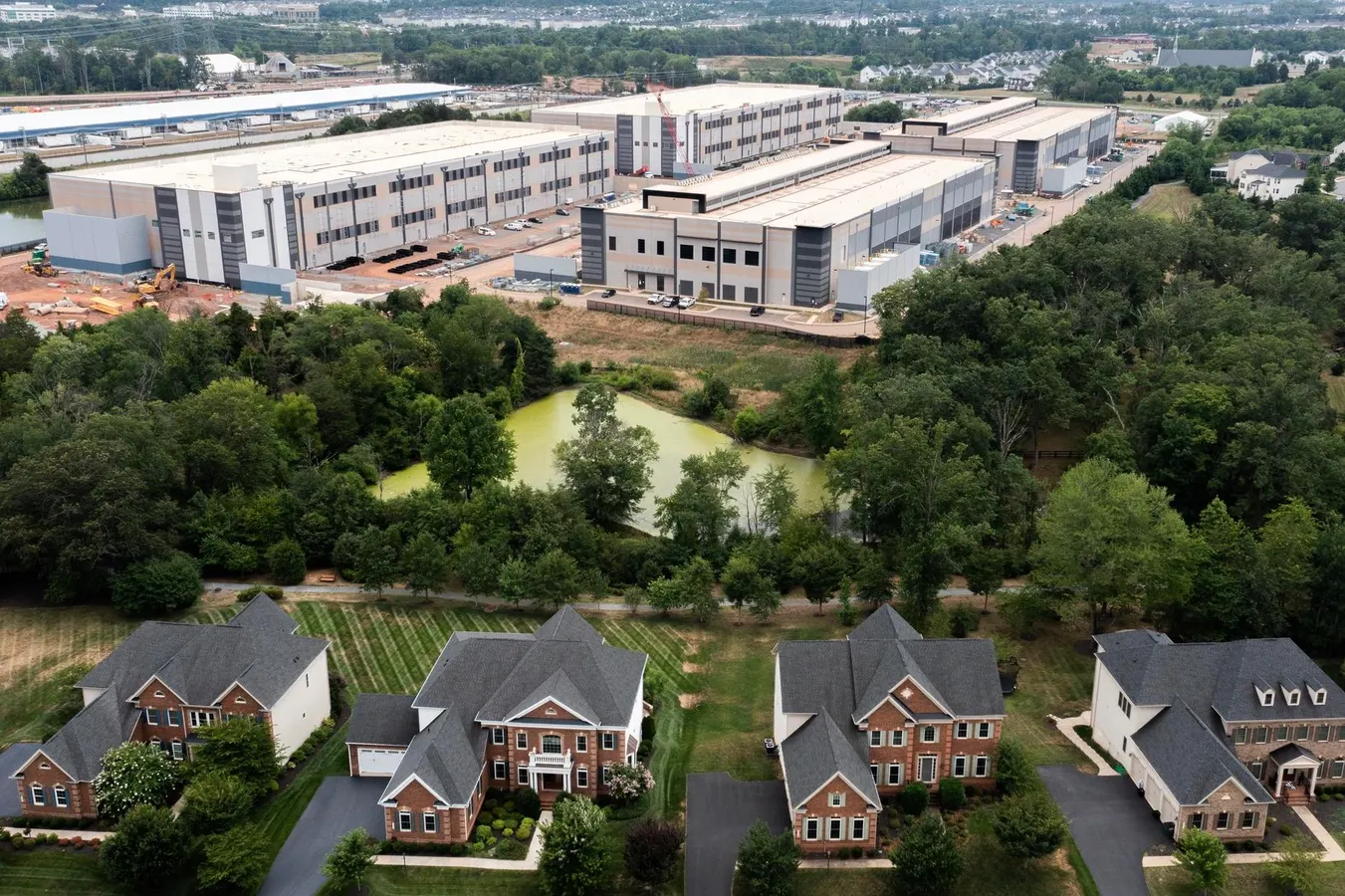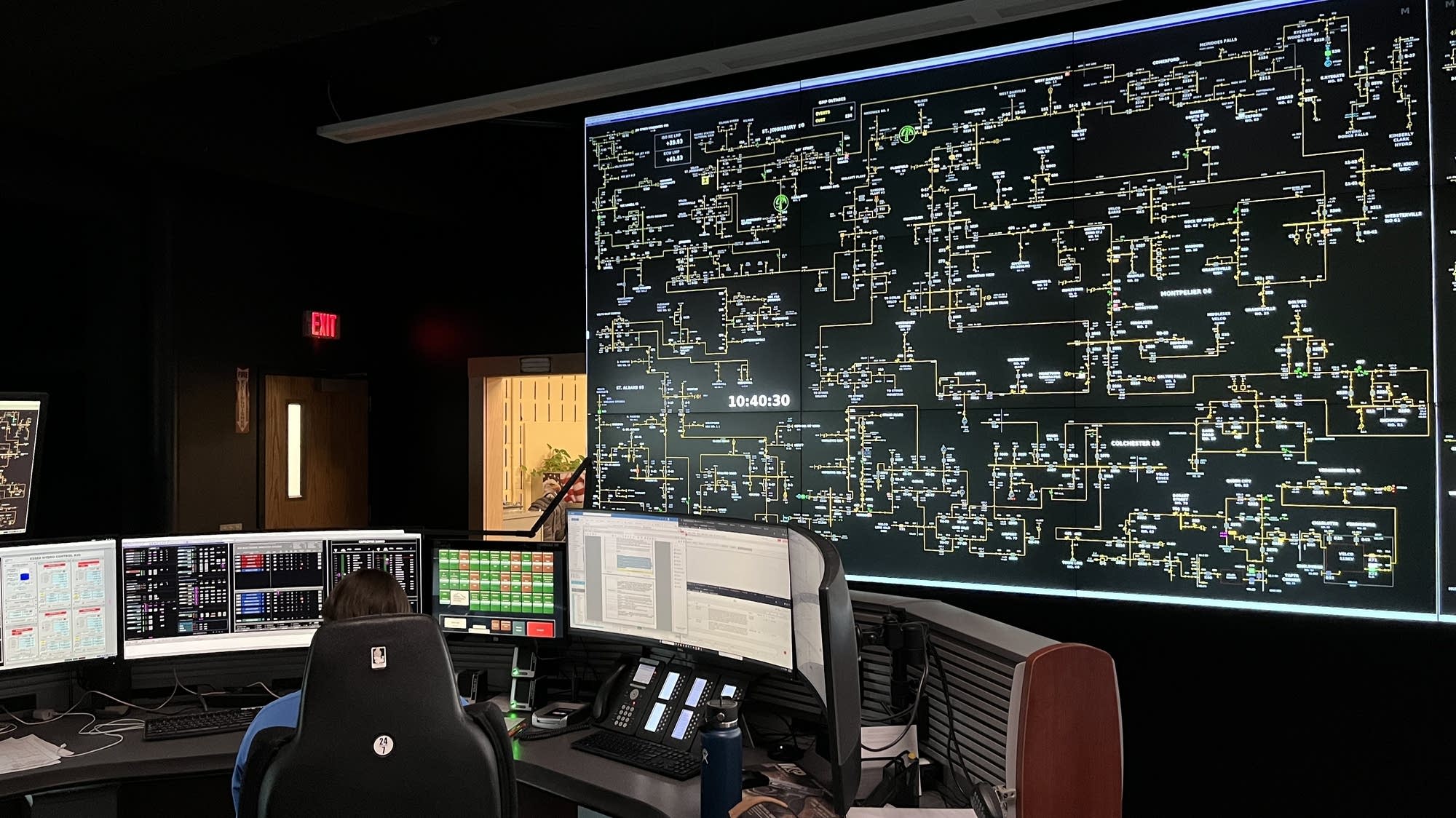
One of the issues at the core of debates over huge data centers that power artificial intelligence is whether those power-hungry facilities will drive up electricity prices for households and businesses.A recent study from the Electric Power Research Institute, a research organization funded in part by power companies, finds that new data centers, on average, pushed prices down between 2019 and 2024. But that trend won’t necessarily continue. So, local utilities are grappling with both the potential costs and benefits data centers can bring.One of those utilities is Green Mountain Power (GMP), the largest electric utility in Vermont.Green Mountain Power, the largest electric utility in Vermont, has determined that relatively small data centers in certain areas could lower electricity prices for households and businesses.Henry Epp/MarketplaceGMP’s control room in the town of Colchester has a huge black screen on the wall, criss-crossed with thin yellow lines and dotted with location markers and numbers. It looks like a complicated subway map.This big board represents GMP’s entire system, which sends electricity to over 275,000 customers. “So, that's our big view of it up on the map board,” said Andrew Chapman, a system operator. “And then we can drill down to each individual point.”On a smaller screen at a desk beneath the board, Chapman can zoom in on each substation, every hydroelectric facility — all the pieces of the system that keep electricity flowing.It costs money to operate this system. That’s what GMP customers pay for through their electric bills. GMP has looked at one way those costs could go down for everyone: By adding large electric users like data centers in certain areas.Cam Twarog, a system planning engineer at GMP, said that by adding a big power user, “you're splitting more electricity sales across the same operating cost, so your per-unit cost is lower.”Right now, Vermont only has a few small data centers and there aren’t plans to build more. But other parts of the country have already seen data centers lower prices by spreading out the fixed costs of running the grid to more large power users.There is, however, a scenario where data centers can drive prices up: When they need lots of new infrastructure to hook up to the grid.“New transmission has to be built, new distribution lines, new generating capacity has to be built to accommodate that increase in electricity demand,” said Akshaya Jha, an associate professor of economics and public policy at Carnegie Mellon University.“In that scenario, those costs could be borne not just by the data center itself, but could also be borne collectively by all electricity consumers,” Jha said.This is the problem utilities around the country are increasingly grappling with as more companies propose massive data centers to power artificial intelligence.“How do we set the rates for those new large customers in a way that ensures that they're paying for their incremental costs that they're imposing on the system and not pushing those costs onto other customers?” said Ryan Hledik, a principal consultant at The Brattle Group.In Vermont, at least, that question has largely been answered: Long-standing state regulations require big developers to pay for any new power infrastructure they need.“There's really no way around it,” Twarog said. “They’re going to have to pay for their own upgrades to the system. They're going to have to pay for any new transmission, sub-transmission lines.”Twarog said GMP has had a few preliminary meetings with data center developers, but none have followed through on building in Vermont. Given the regulations the state has in place, perhaps that’s not a coincidence.
As more data centers hook up to the grid, how will electric companies keep prices down?
Power utilities are looking for ways to make sure ratepayers don’t bear the cost of hooking data centers to the grid.
590 words~3 min read