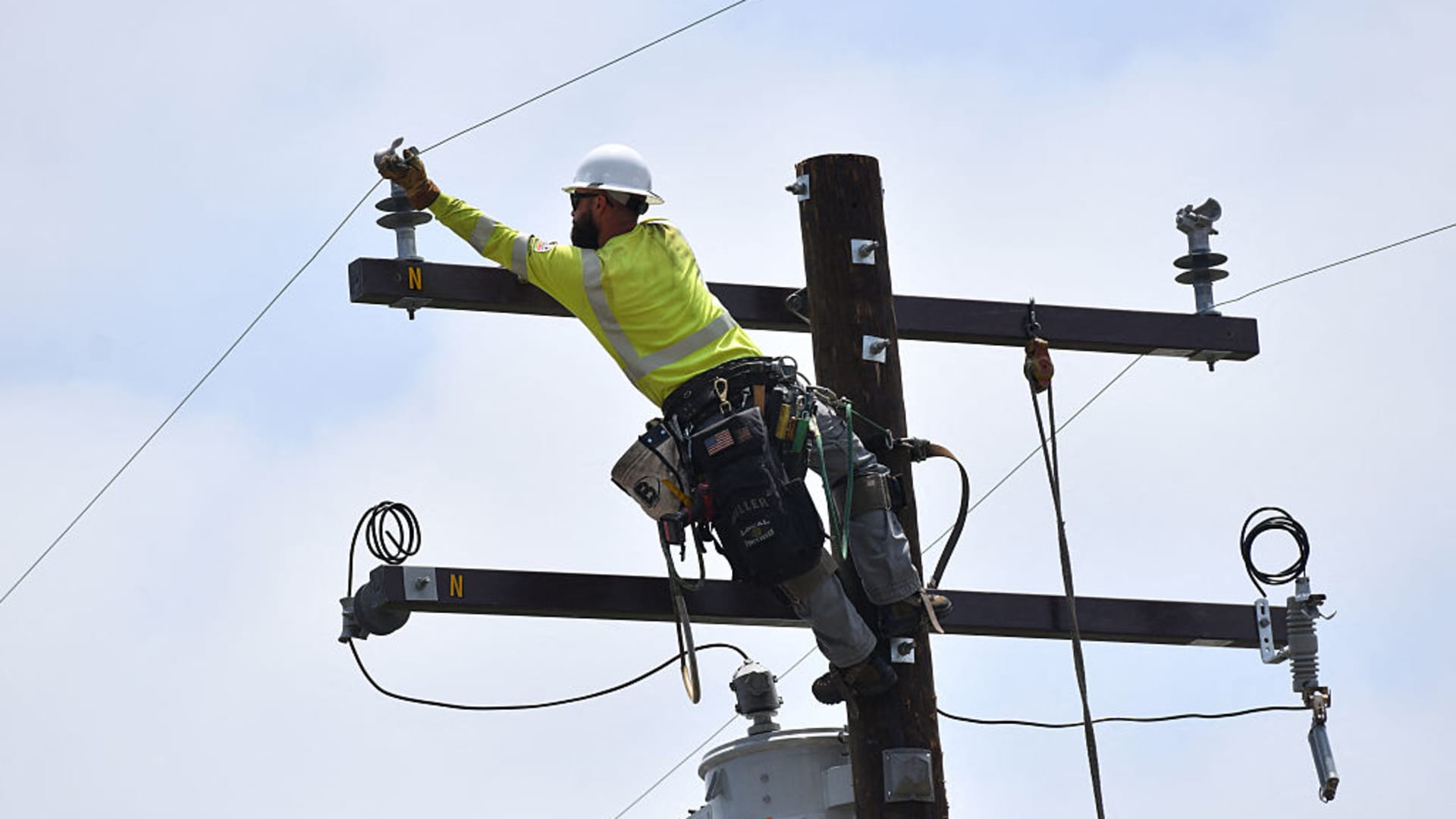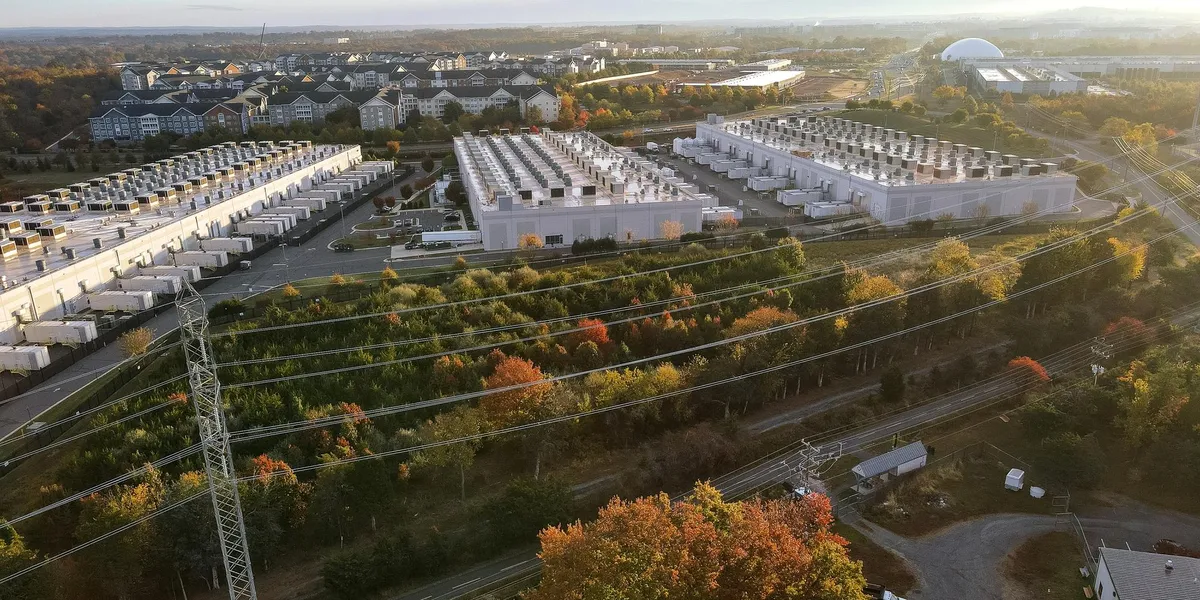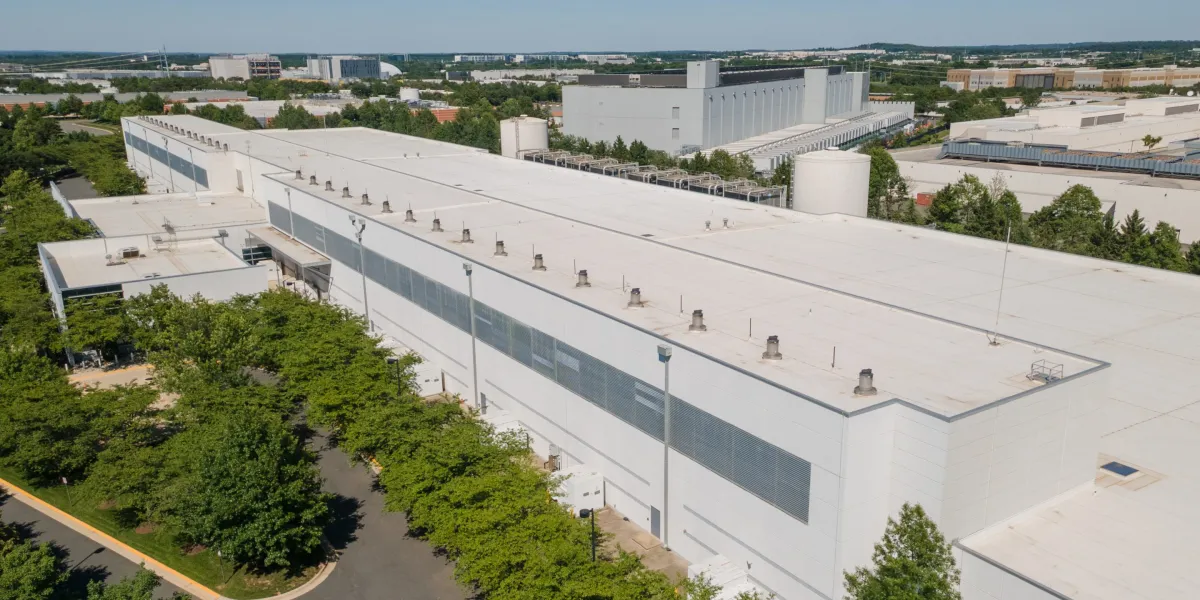
What’s driving this deal and others like it is not an increase in residential electricity demand. Rather, it’s based on rising demand for power to data centers for artificial intelligence systems and a desire to increase corporate profits.As a scholar of the electricity industry, I seek to understand how and why the electricity grid and the companies that run it are changing. In my book “Brokers of Power” I explain that a primary force in the industry is not the desire to improve service for the rate-paying public, nor even for industries that want to use more electricity. Rather, stock market investors and Wall Street businesses are changing how electric utilities make money in the U.S.A power substation serves the NextEra Energy corporate headquarters in Juno, Fla. Marco Bello/Getty Images
A variety of electricity suppliers
In every state, the majority of companies that distribute and deliver electricity to homes and businesses over the wires are regulated monopolies with specific geographic service areas. But where that electricity comes from varies widely.
Many cities, some quite large, get their power from a municipally owned utility. Many rural areas get theirs from membership cooperatives. These organizations are nonprofits whose general goals are to serve their customers with reliable, affordable power.