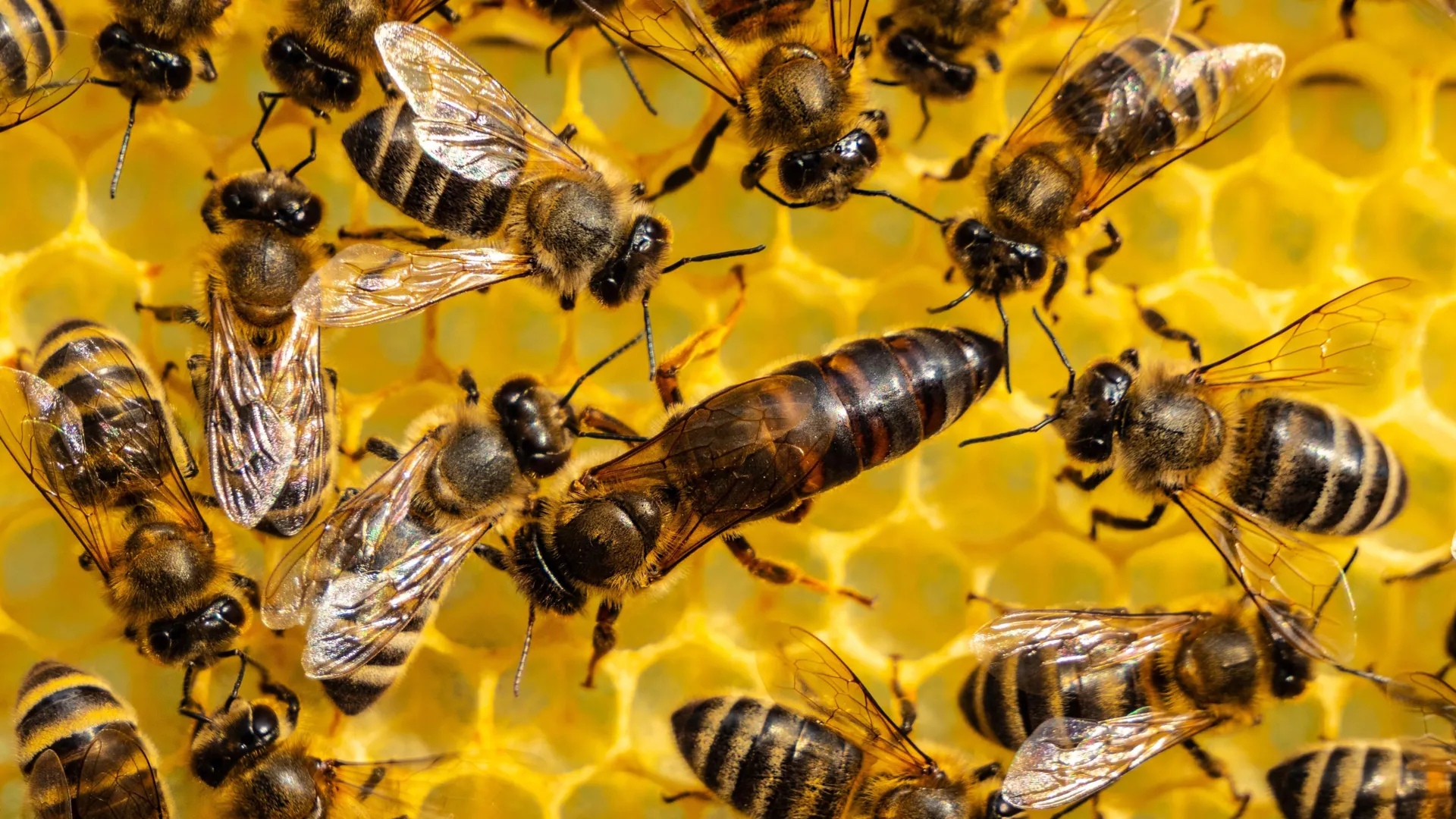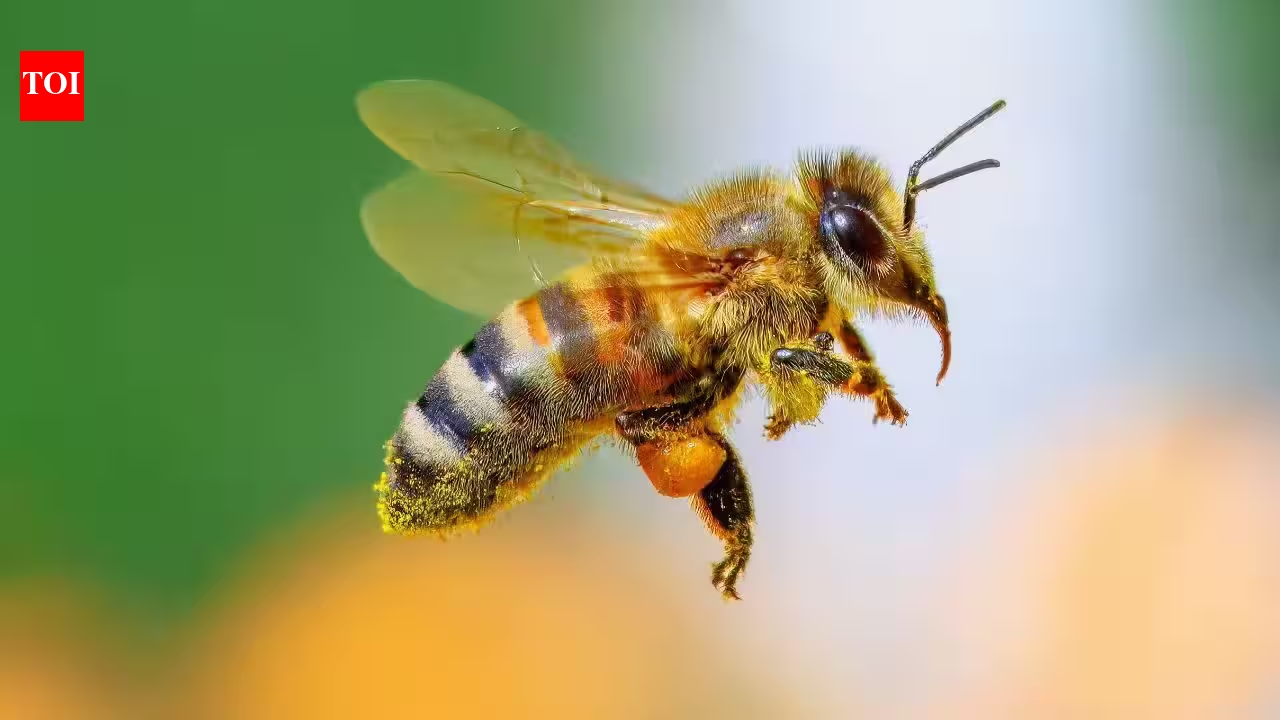
Flowering plants in pollinator gardens, agricultural fields, and residential landscapes often grow alongside weeds that are controlled with herbicides. Honeybees regularly visit these same areas while collecting nectar and pollen, raising questions about what happens when they are exposed to weedkillers during their daily foraging.
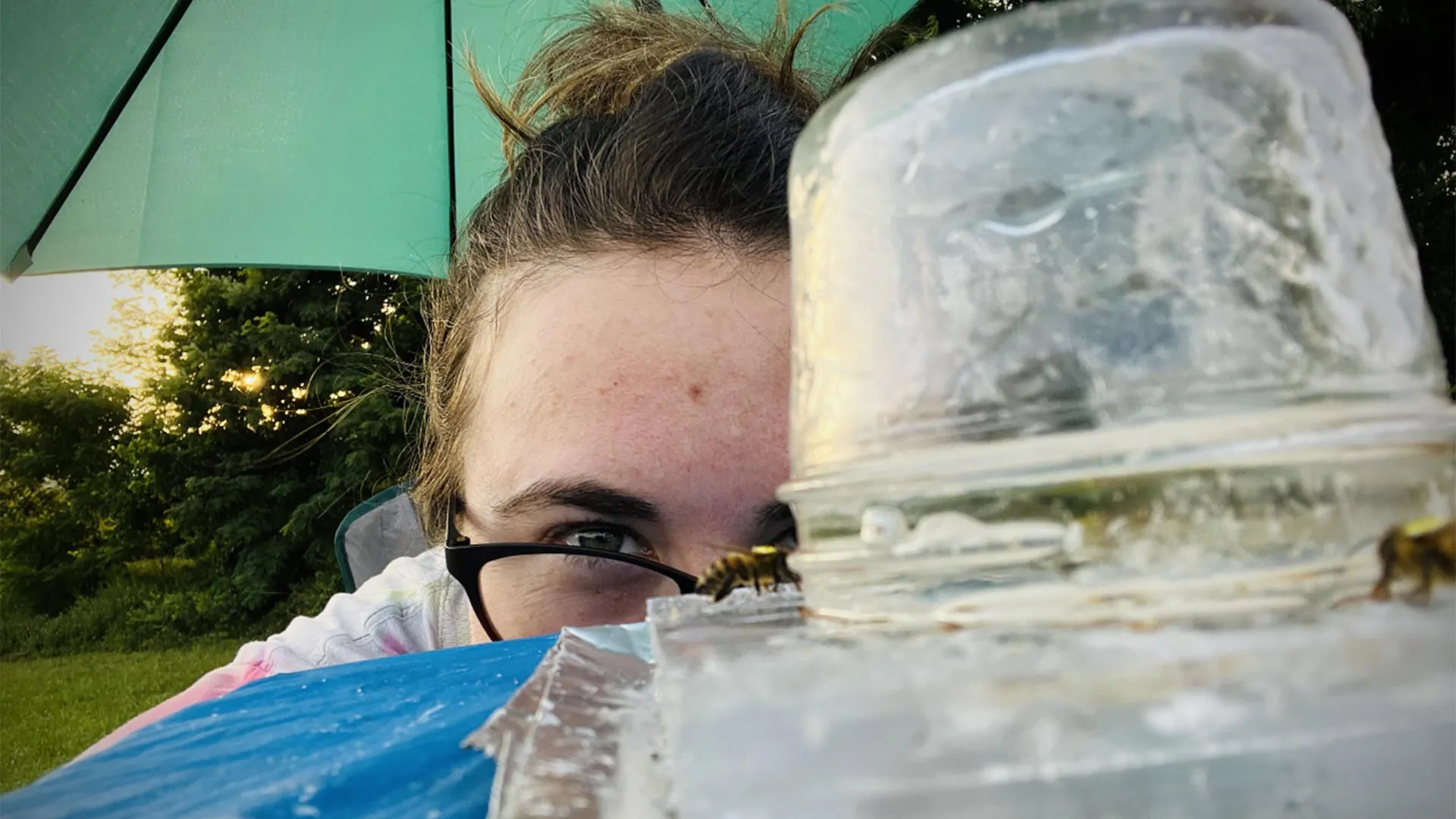
A Virginia Tech study found that glyphosate, a widely used herbicide, can interfere with honeybee foraging and may undermine the long-term stability of colonies. The research was supported by a grant from the National Institute of Food and Agriculture and a graduate student grant from the university's Department of Entomology.
Published in the Journal of Experimental Biology, the study was led by Associate Professor Margaret Couvillon and Ph.D. student Laura McHenry in the College of Agriculture and Life Sciences' Department of Entomology.
A Hidden Risk From Glyphosate
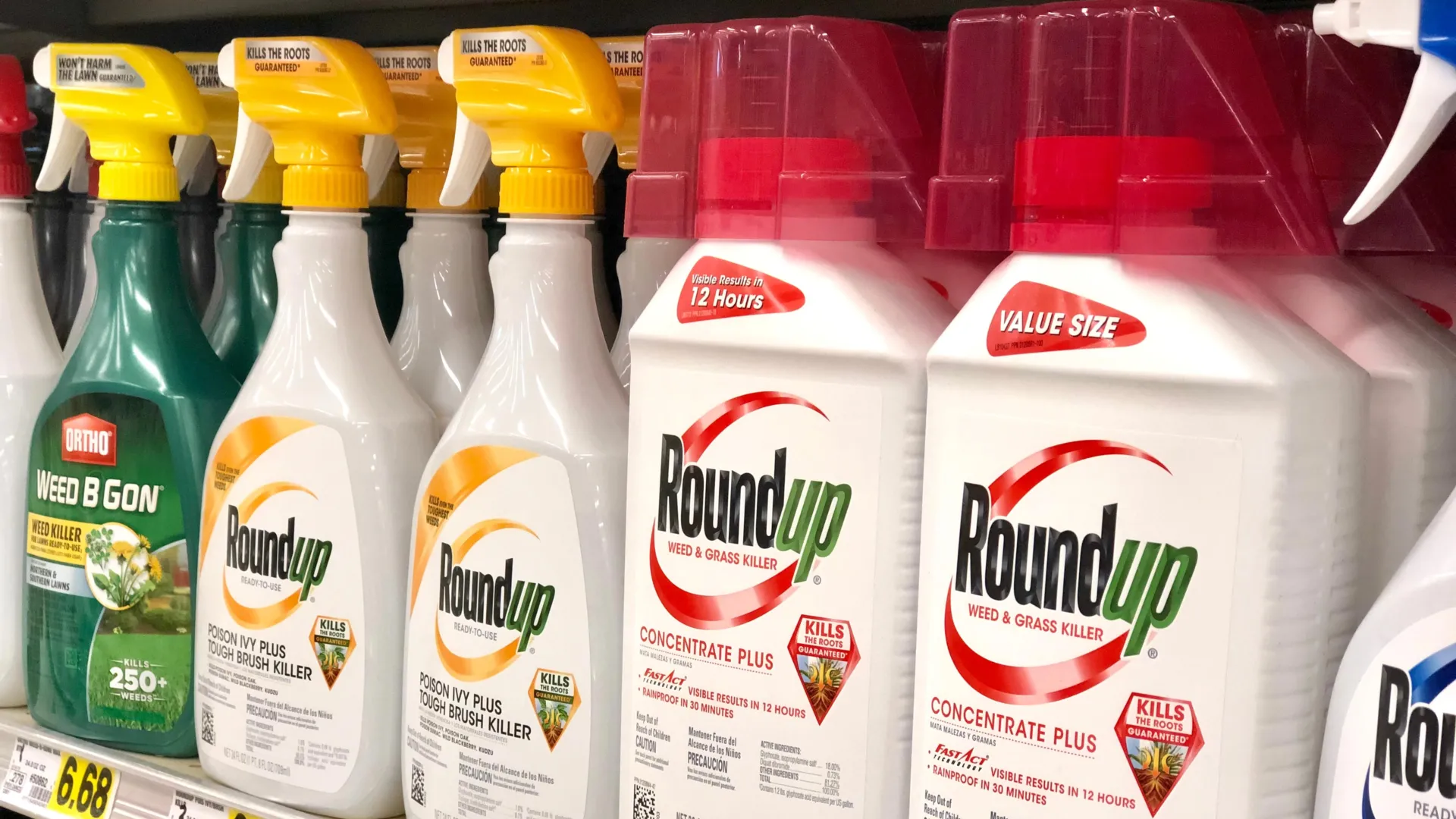
Glyphosate is the active ingredient in many weedkillers used in farming and landscaping, making it a chemical that bees may frequently encounter while searching for food. It kills weeds by blocking an enzyme involved in photosynthesis. Honeybees do not have this enzyme, which is why glyphosate was long considered unlikely to harm them.