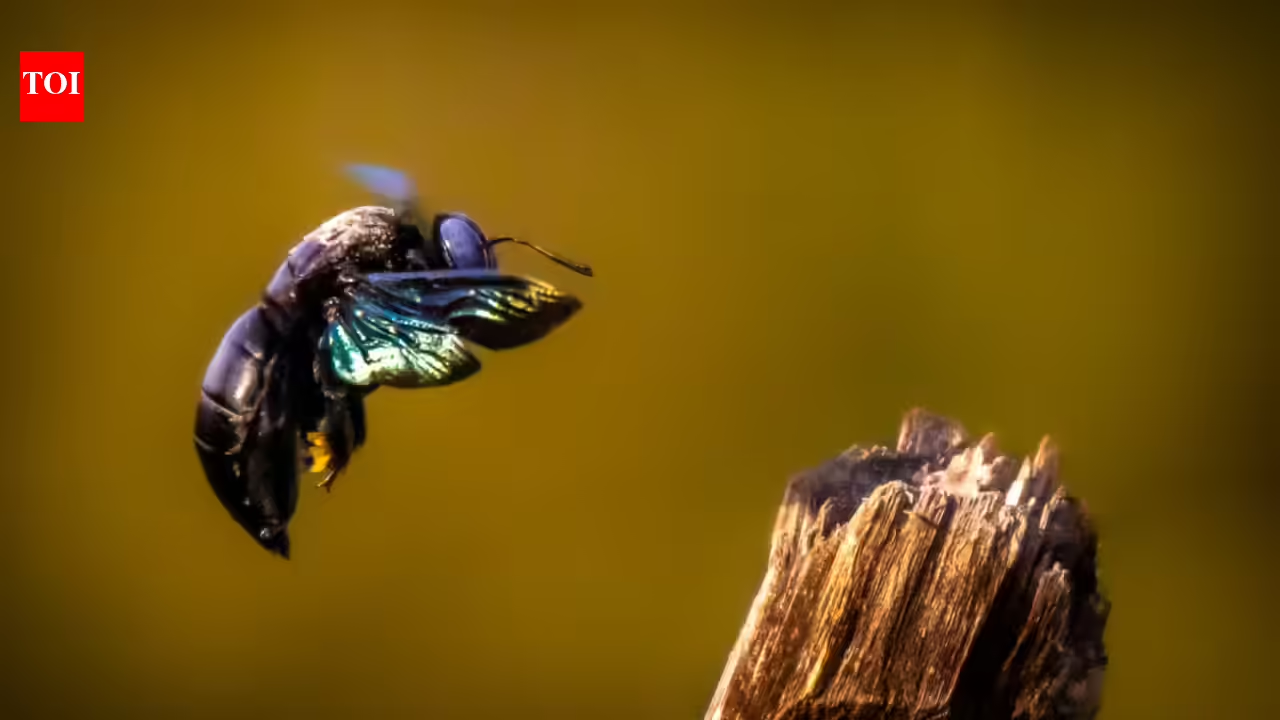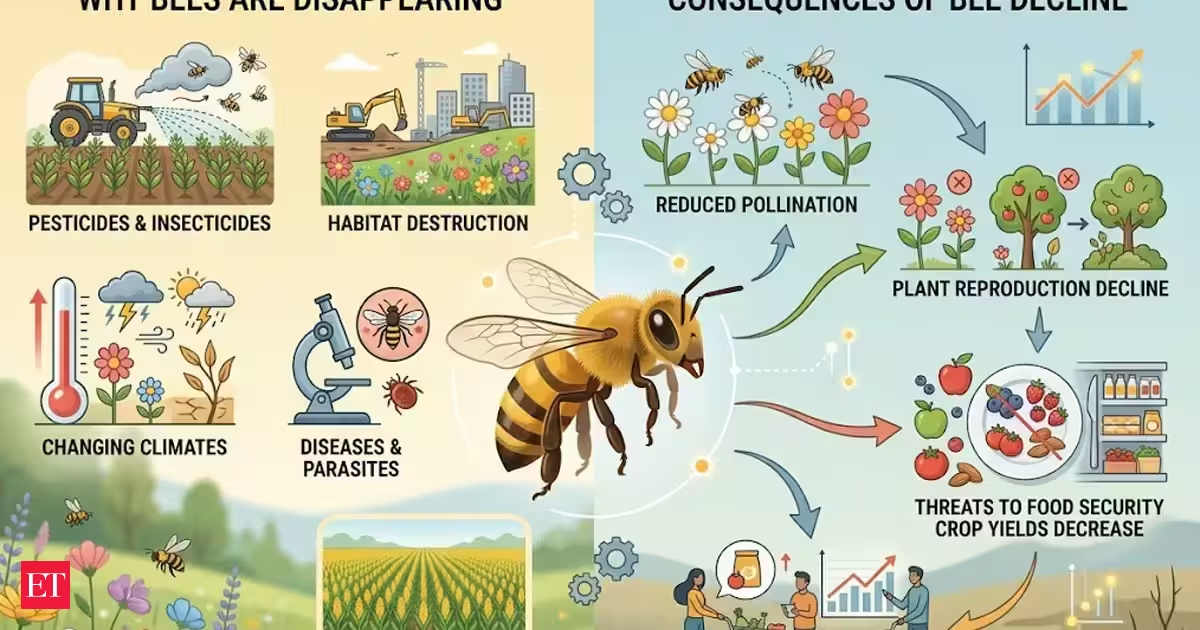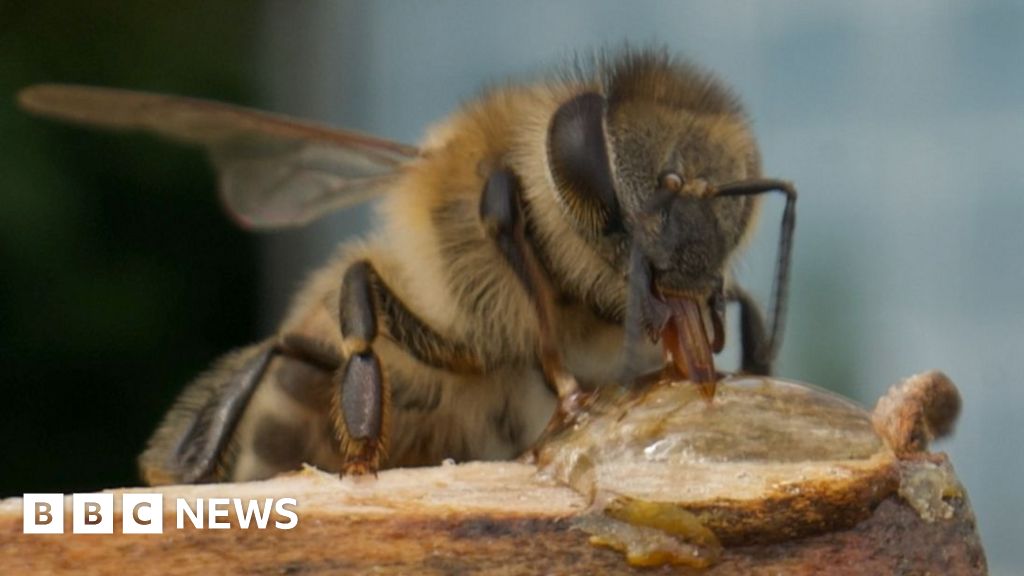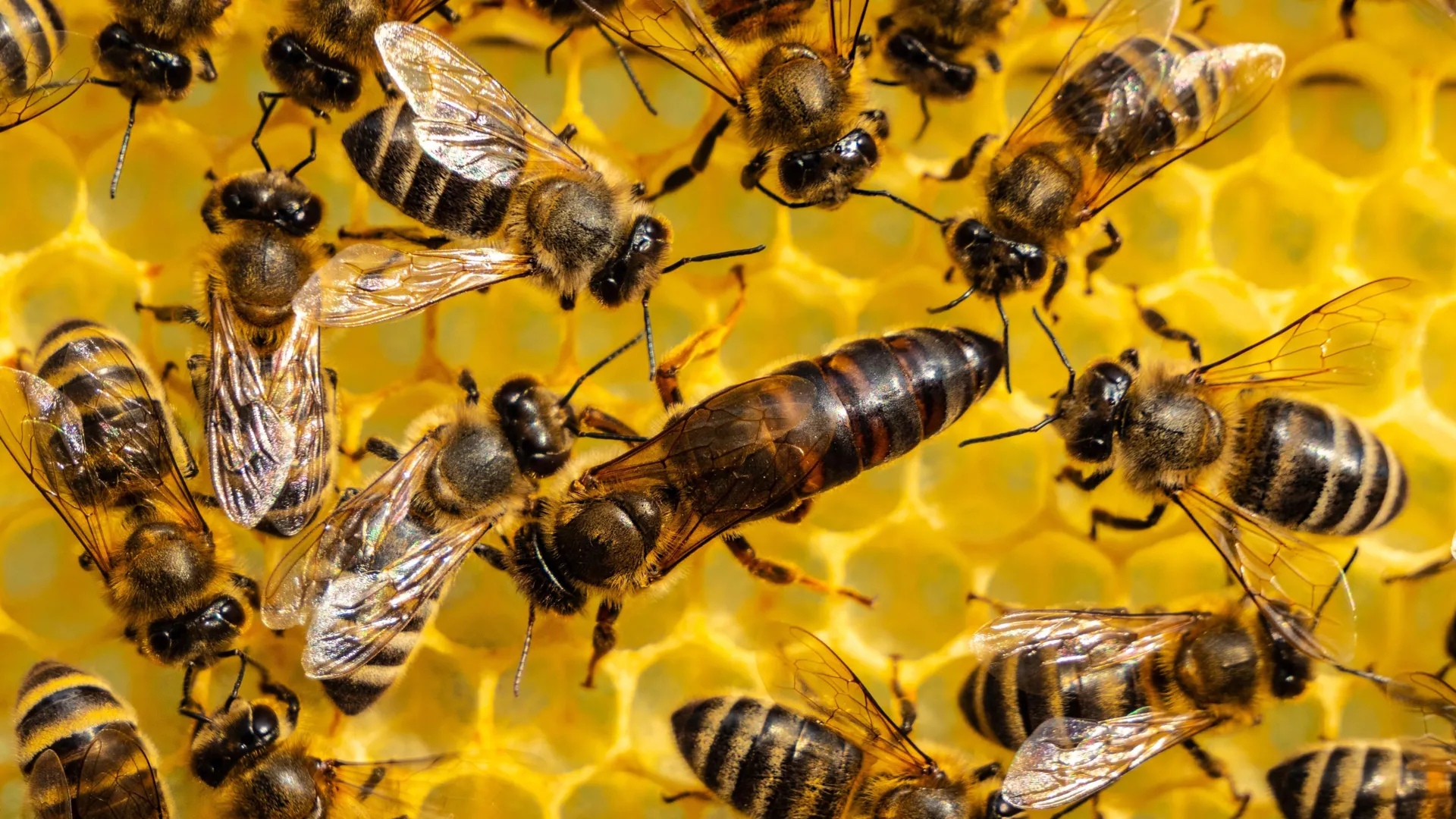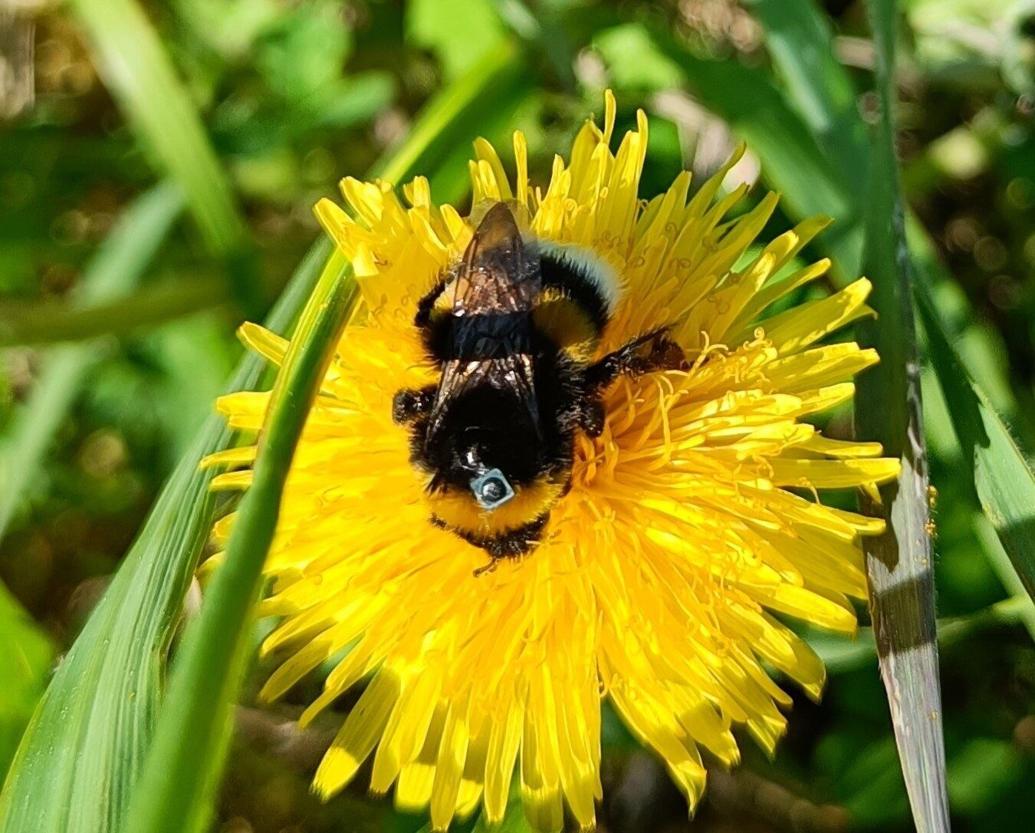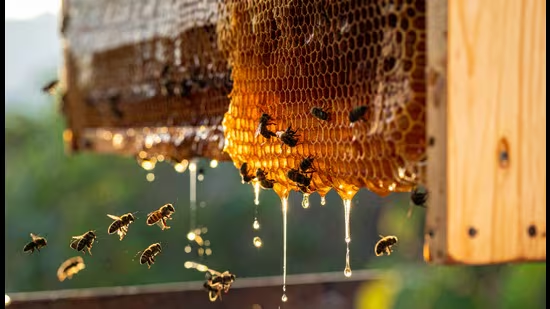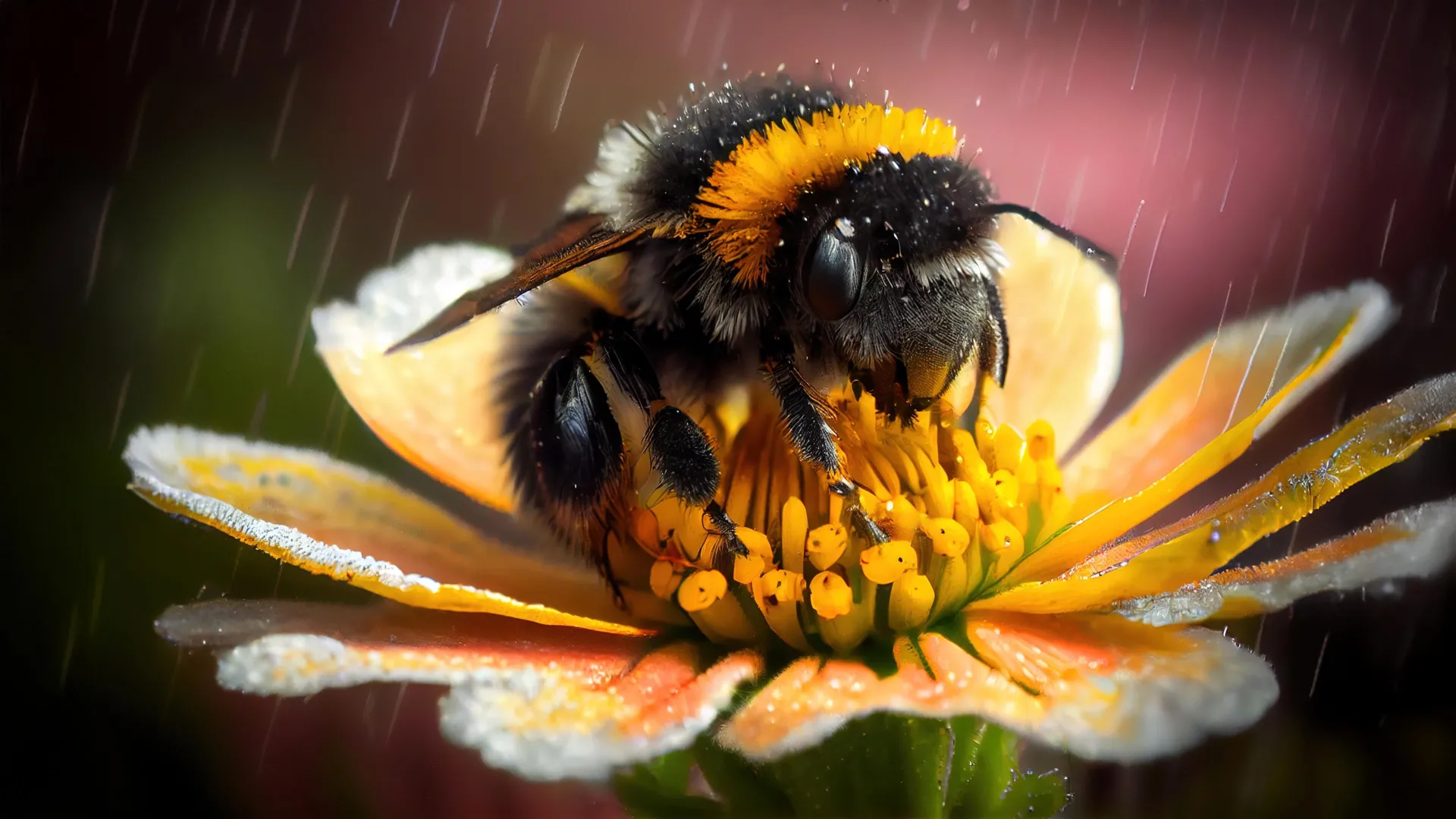
Bumblebees may be small, measuring only about an inch long, but they play an enormous role in global agriculture. About one third of the world's food production relies on pollinators such as bees. At the same time, these vital insects face growing pressure from pesticides and other environmental threats.
Modern pesticides have helped farmers protect crops and increase yields, but some can also damage the pollinators that make many harvests possible. One such chemical is sulfoxaflor, a next generation pesticide introduced in 2013 to eliminate sap feeding insects such as aphids on crops including soybeans and corn. While sulfoxaflor is effective against pests, it is also known to be toxic to bees. Scientists are now uncovering how even low levels of exposure may affect bee reproduction at the molecular level.
Common Pesticide Alters Bee Gene Activity
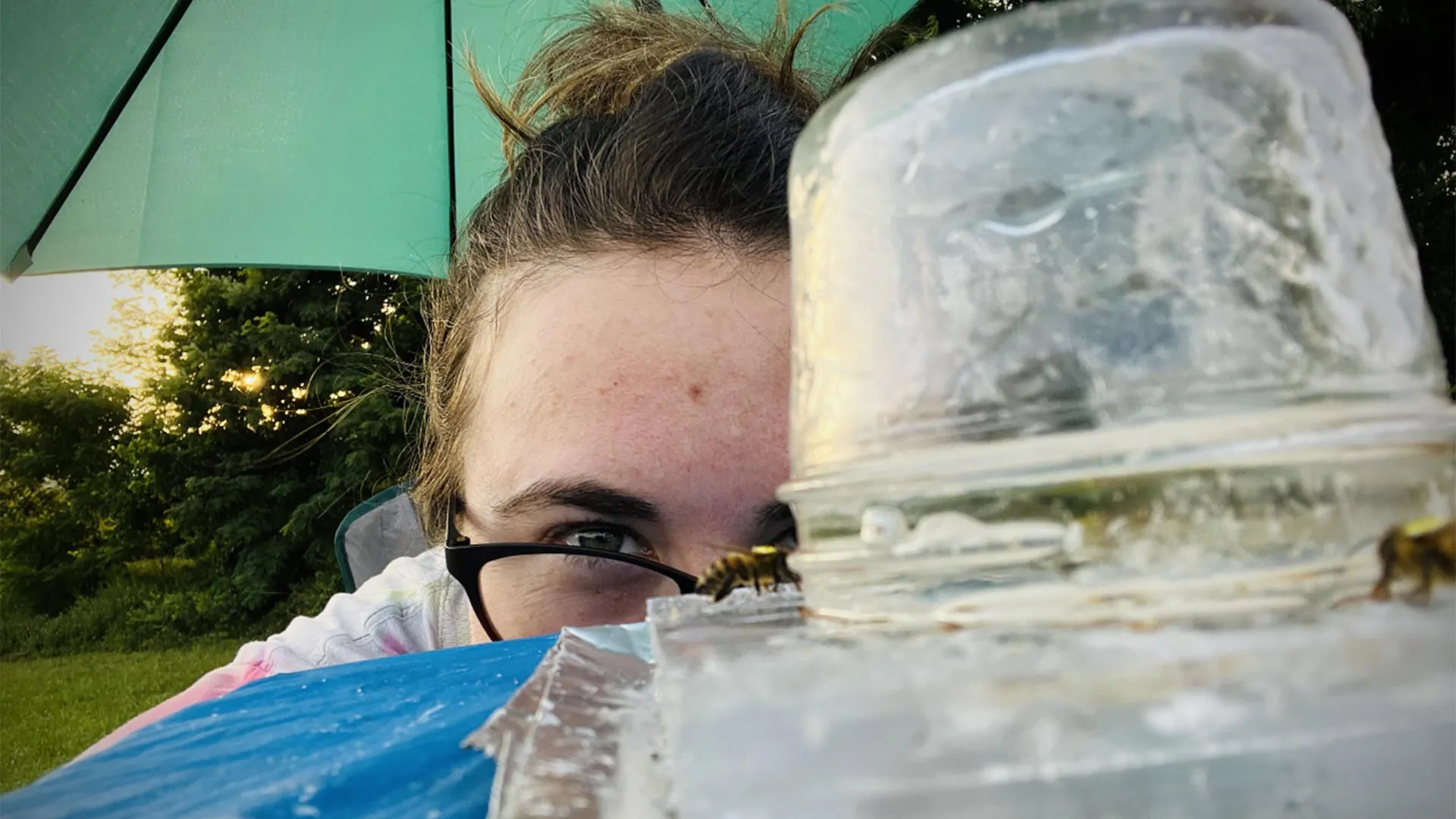
Researchers at the Georgia Institute of Technology found evidence that sulfoxaflor changes both gene activity and reproductive function in bumblebees. In the U.S. Department of Agriculture funded study, worker bumblebees were exposed to low doses of the pesticide before researchers examined changes in their gene expression.
The largest changes appeared in ovarian tissue, suggesting that the pesticide may interfere with reproductive processes. According to the researchers, these genetic changes could reduce the number of offspring produced and, over time, contribute to declining bee populations.