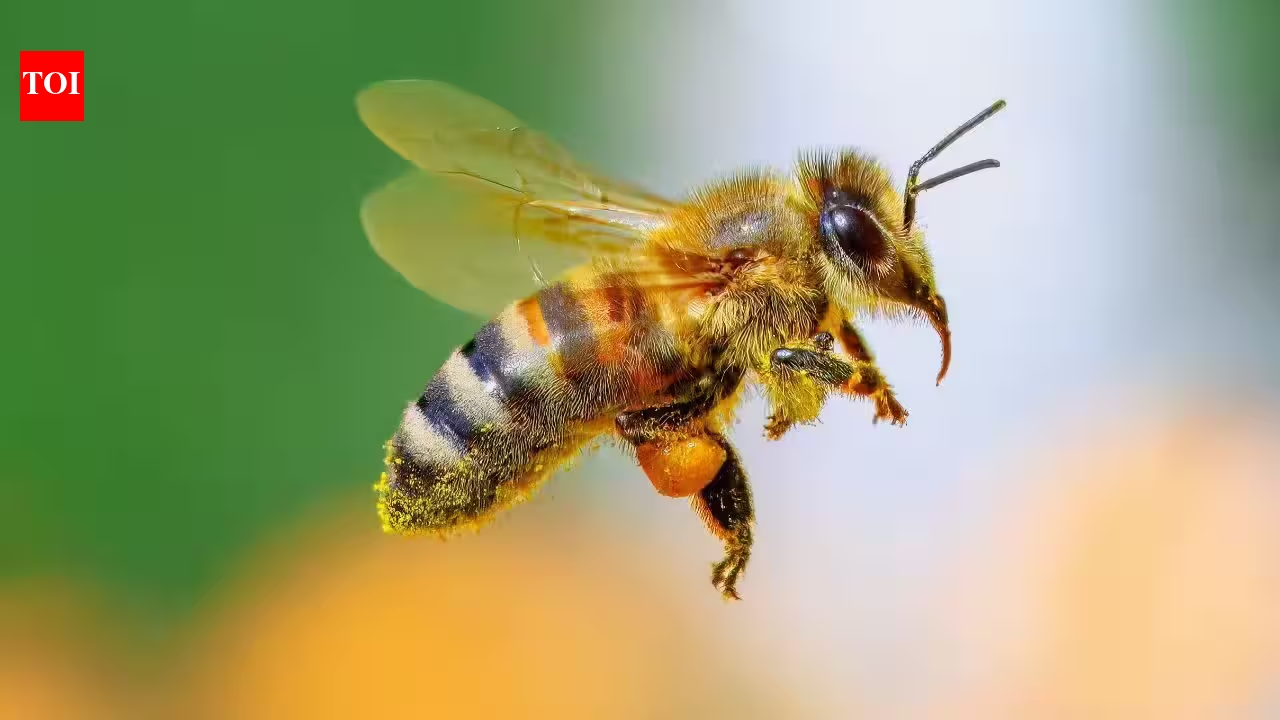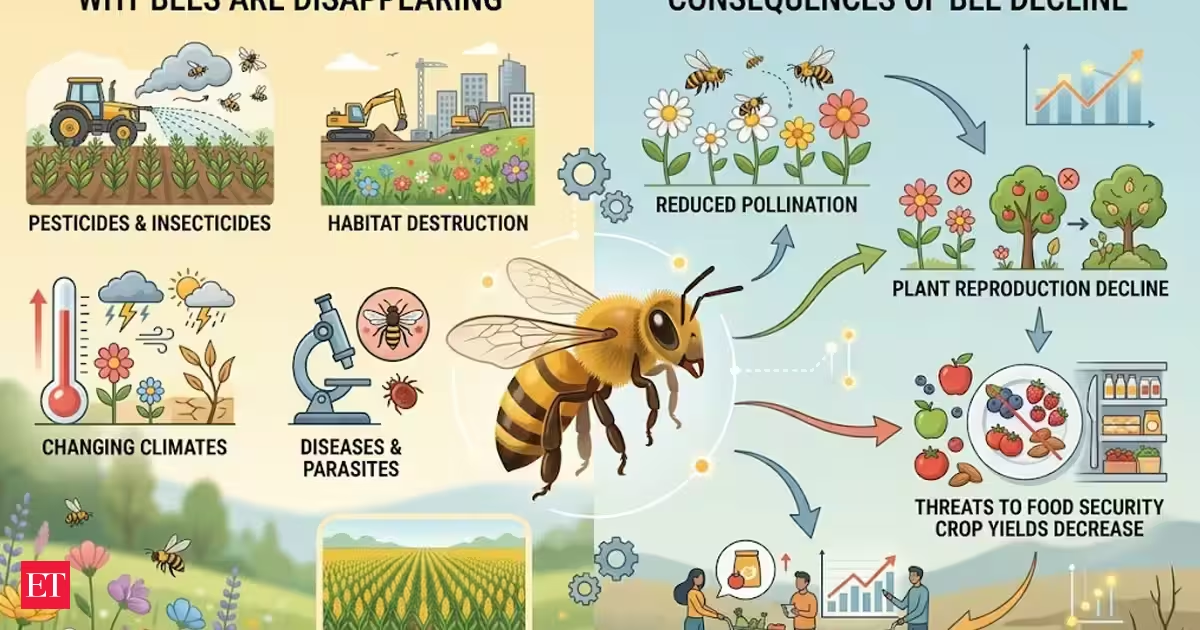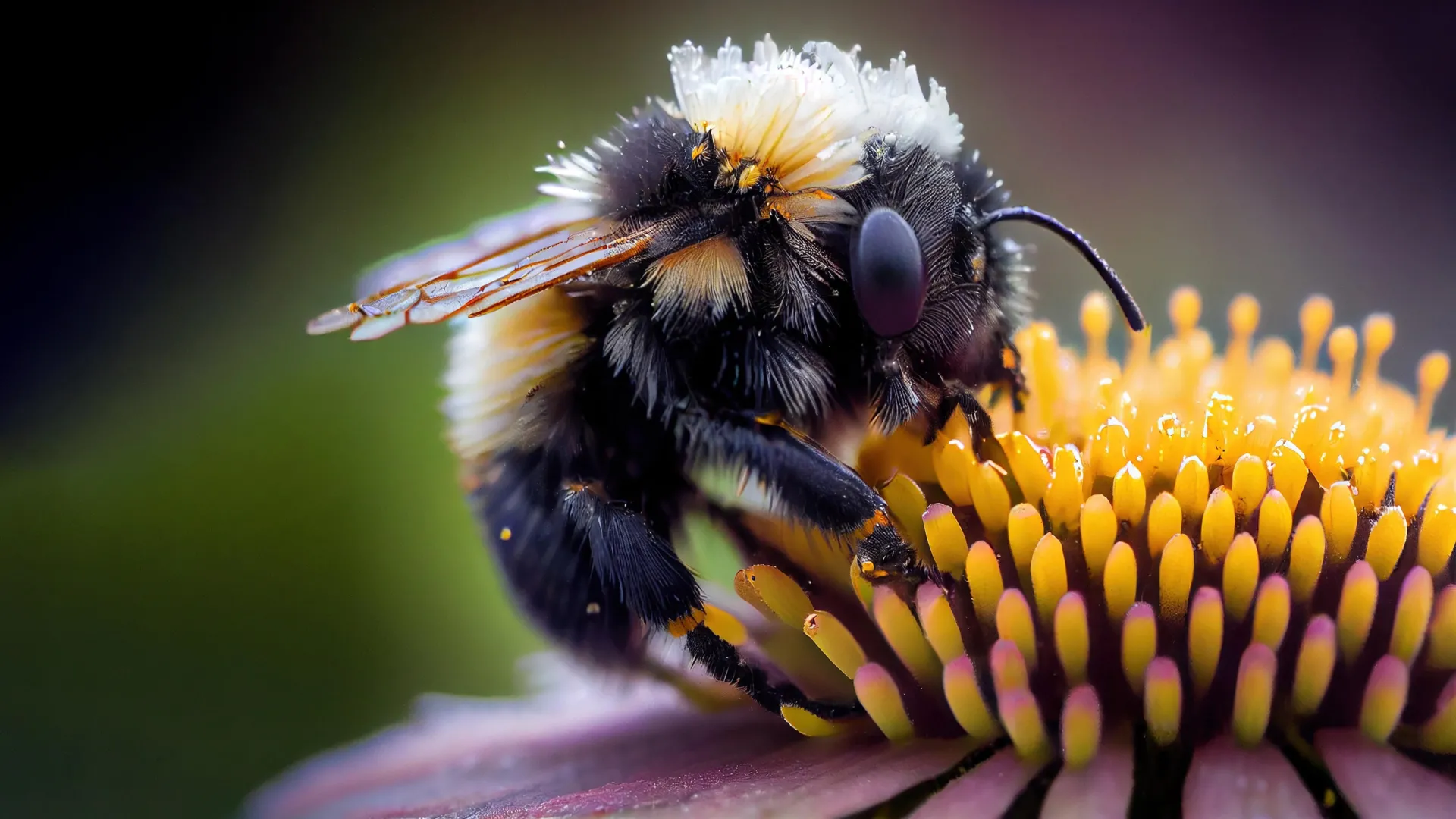
Scientists exposed bumblebees to low doses of a modern pesticideBumblebees are among the world’s most important pollinators, helping to grow many crops and wild plants. But new research suggests a common pesticide might be creating hidden risks for these vital insects. According to researchers at Georgia Institute of Technology, they discovered that low-dose exposure to the pesticide sulfoxaflor may interfere with bumblebee reproduction by changing gene activity in important tissues.It has been reported in the research that the findings highlight potential impacts of contemporary agricultural chemicals on beneficial insects that extend beyond their target pests. The report reads, “Scientists say while pesticides are vital in protecting crops from damaging pests, it is equally important to understand their impact on pollinators that help sustain global food systems.”Bumblebees and their role in food productionFor the uninitiated, bumblebees are little, but they make a big difference to agriculture. It has been reported that many fruits, vegetables and other crops largely rely on pollinators, such as bees, as they help them fertilize and grow. One third of the world’s food production relies on pollination by insects and other animals, the study states.According to experts, bumblebees are especially important because they can pollinate plants via a process called 'buzz pollination' where their vibrations help release pollen from some plants. Their activity is good for crops like tomatoes, blueberries and other plants with flowers. But bees worldwide are facing many pressures including habitat loss, climate change, disease and exposure to pesticides.What does the research statesAccording to researchers, as they examined the effects of sulfoxaflor—a new generation insecticide used to control sap-sucking crop pests such as aphids—they found that while the chemical works well against agricultural pests, scientists have found it harmful to bees as well.In the study, worker bumblebees were exposed to low doses of sulfoxaflor. When researchers looked at changes in their gene expression by analyzing RNA from bee tissues, the study found that the pesticide induced significant changes in gene expression, especially in ovarian tissues involved in reproduction.The study found that these molecular changes can impair the reproductive capacity of bumblebees. In the long term, this exposure can decrease reproduction and can be associated with declining colony health and declining bee populations.Why the changing of bee reproduction mattersThe researchers say that understanding how chemical exposure leads to genetic change and what effects this has on actual colonies is important for developing safer agricultural methods. The study offers insight into how even small amounts of pesticide exposure could have long-term effects. However, the researchers also say that protecting pollinators doesn’t mean tossing out all pest control methods. Rather, the goal is to find ways to control the harmful insects while doing as little damage as possible to the beneficial species.The fight between food production and environmental conservationWhile farmers use pesticides to keep from getting bugs in the crops that can lower the yield and damage food supplies. The problem is to make sure these chemicals do not accidentally damage the organisms that agriculture depends on. And that's why the scientists are increasingly investigating how to strike a balance between effective pest management and pollinator conservation.Safeguarding pollinators for the futureThe new findings also rightly emphasize the ongoing need for research into the impacts of agricultural chemicals on beneficial insects. Pesticides continue to be an important tool for farmers, but protecting pollinators is a priority for sustainable food production. And it’s important to realize that bumblebees are vital for ecosystem health and for agriculture. Ultimately, the future of food security hinges not only on growing more crops, but also on protecting the small pollinators that make so many harvests happen.
Scientists exposed bumblebees to low doses of a modern pesticide; the bees survived, but genes linked to producing the next generation began changing
Bumblebees are among the world’s most important pollinators, helping to grow many crops and wild plants. But new research suggests a common pesticide might be creating hidden risks for these vital insects.
603 words~3 min read