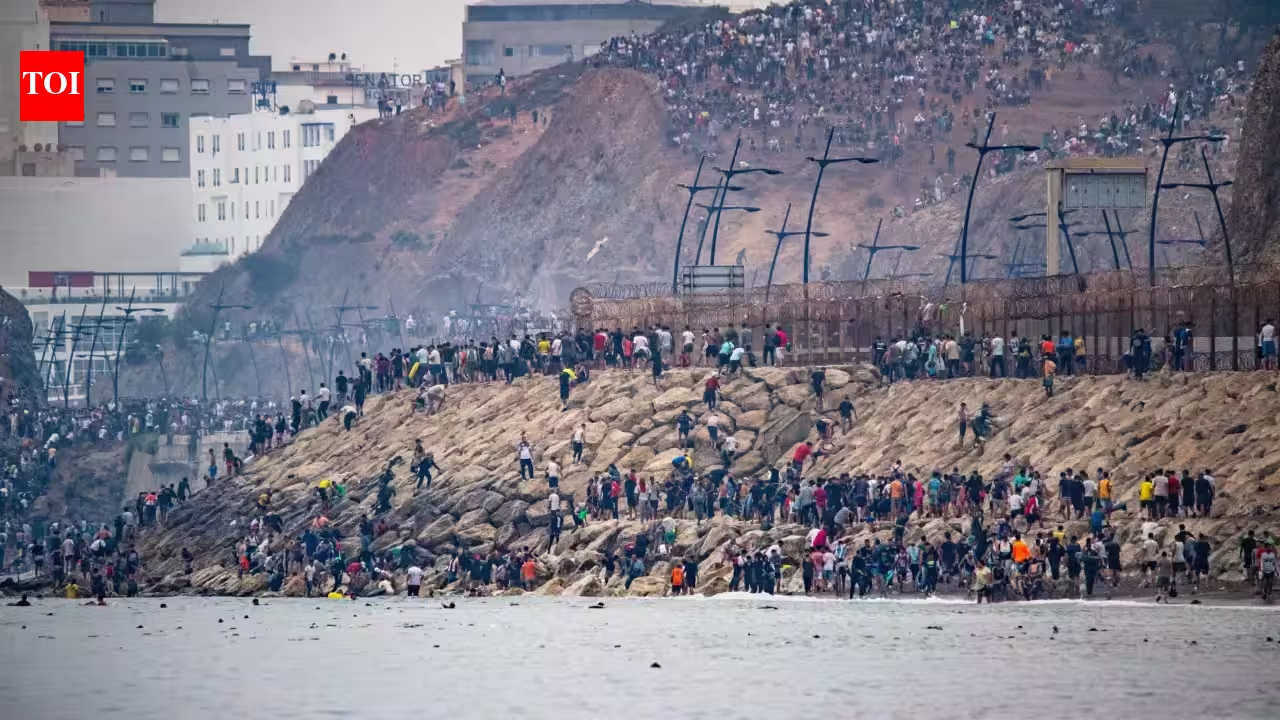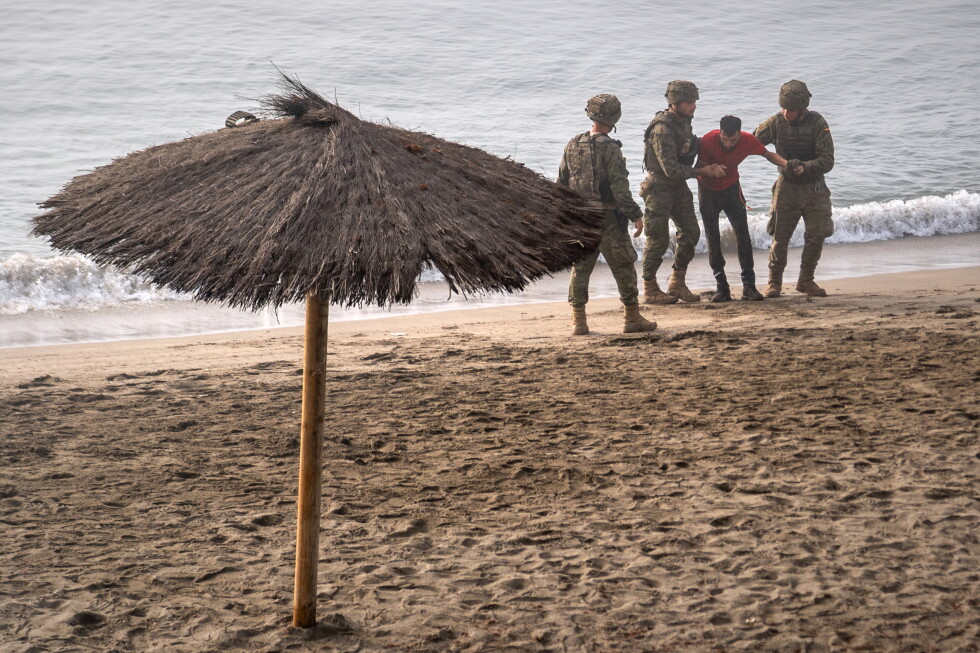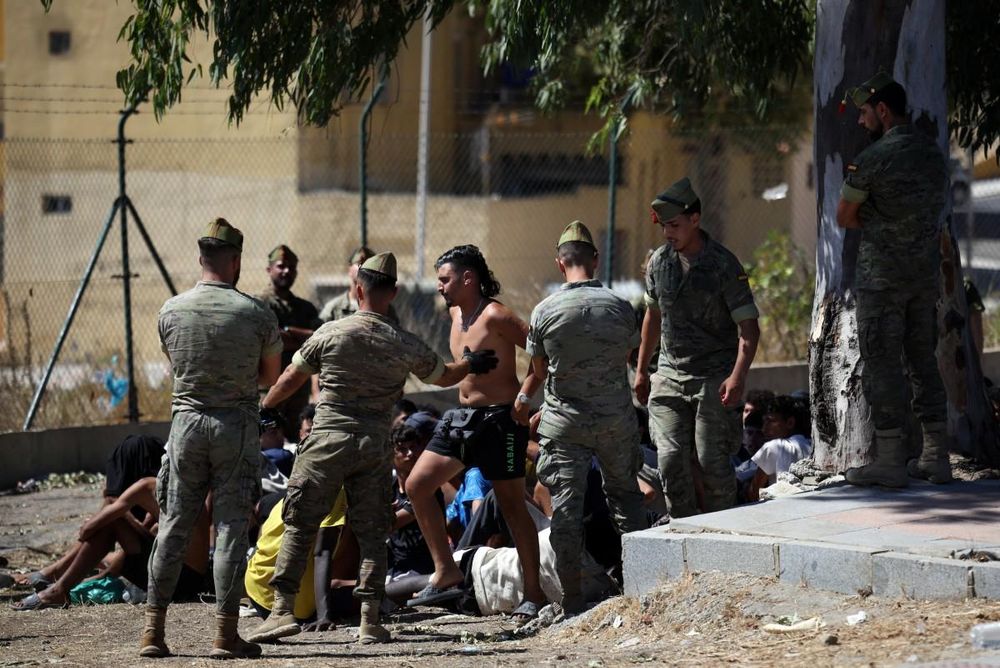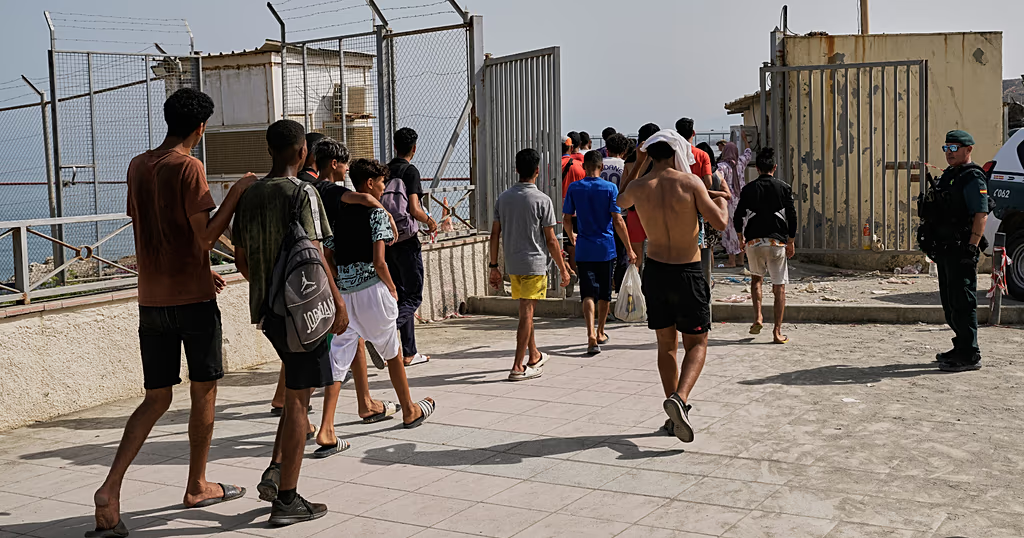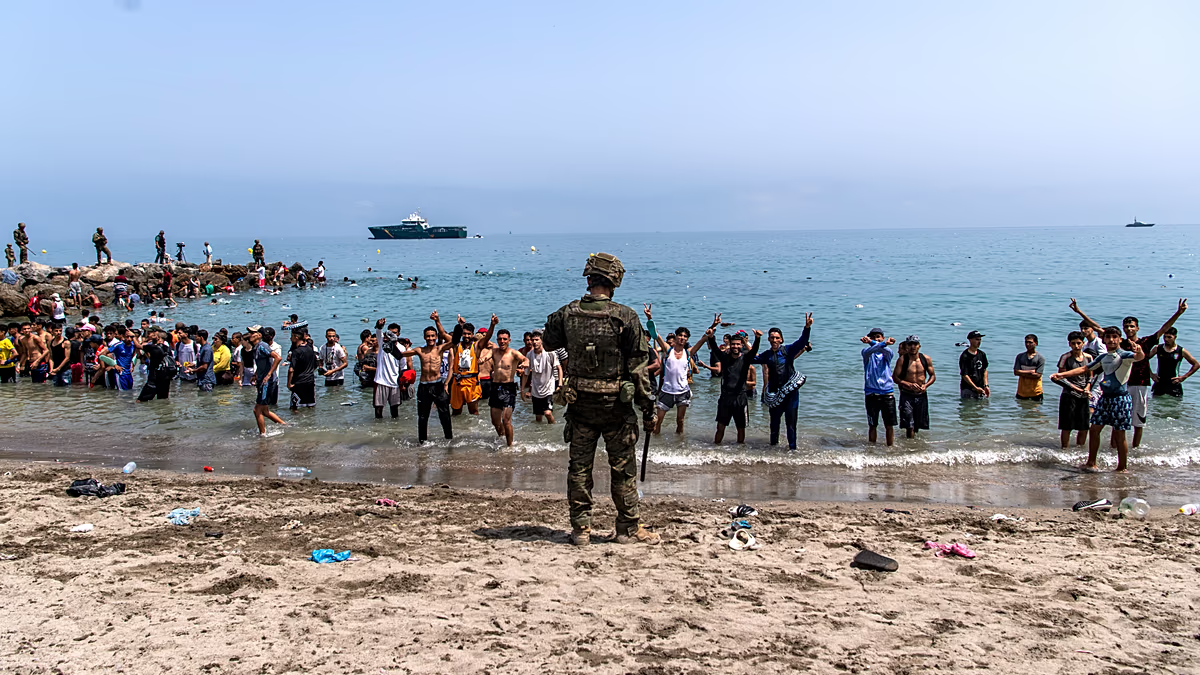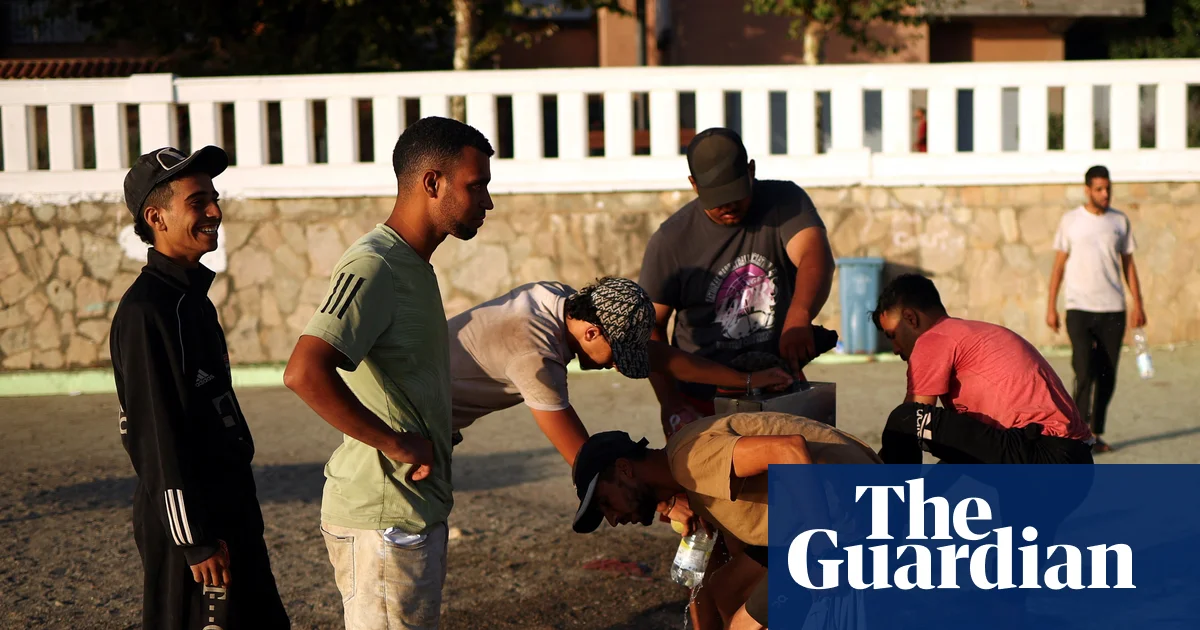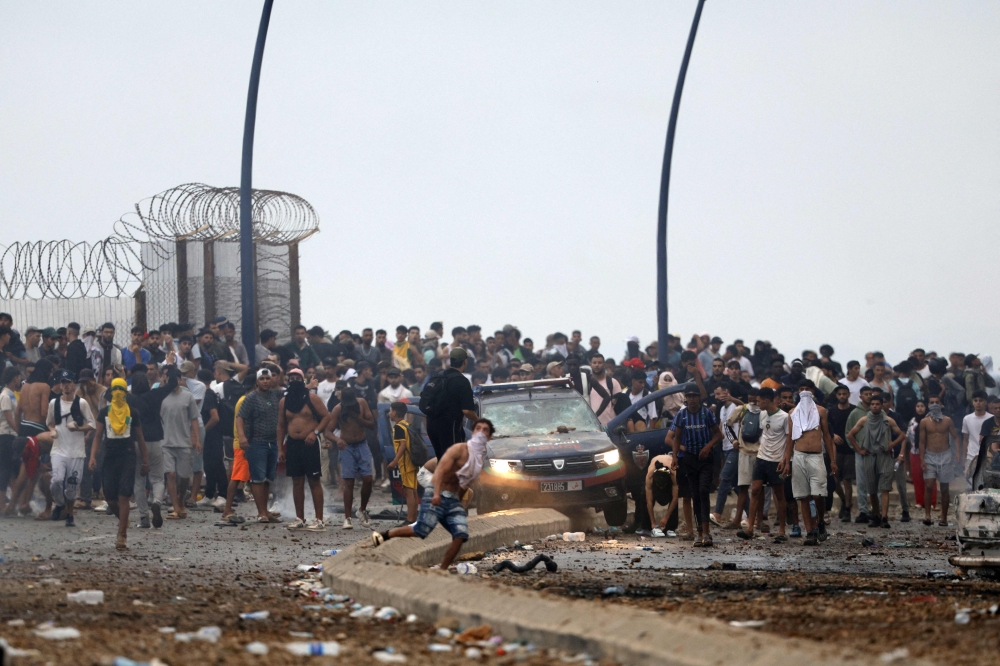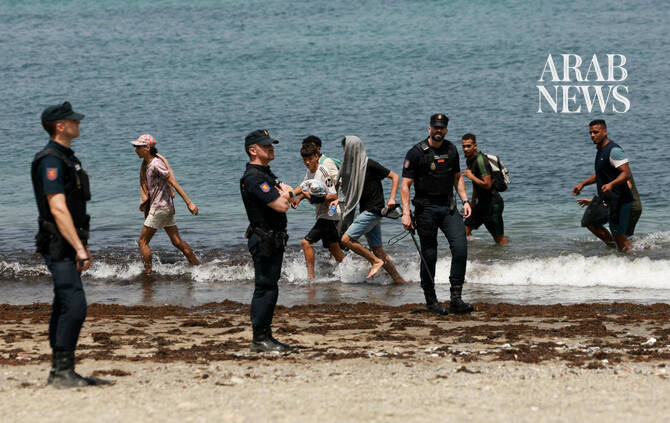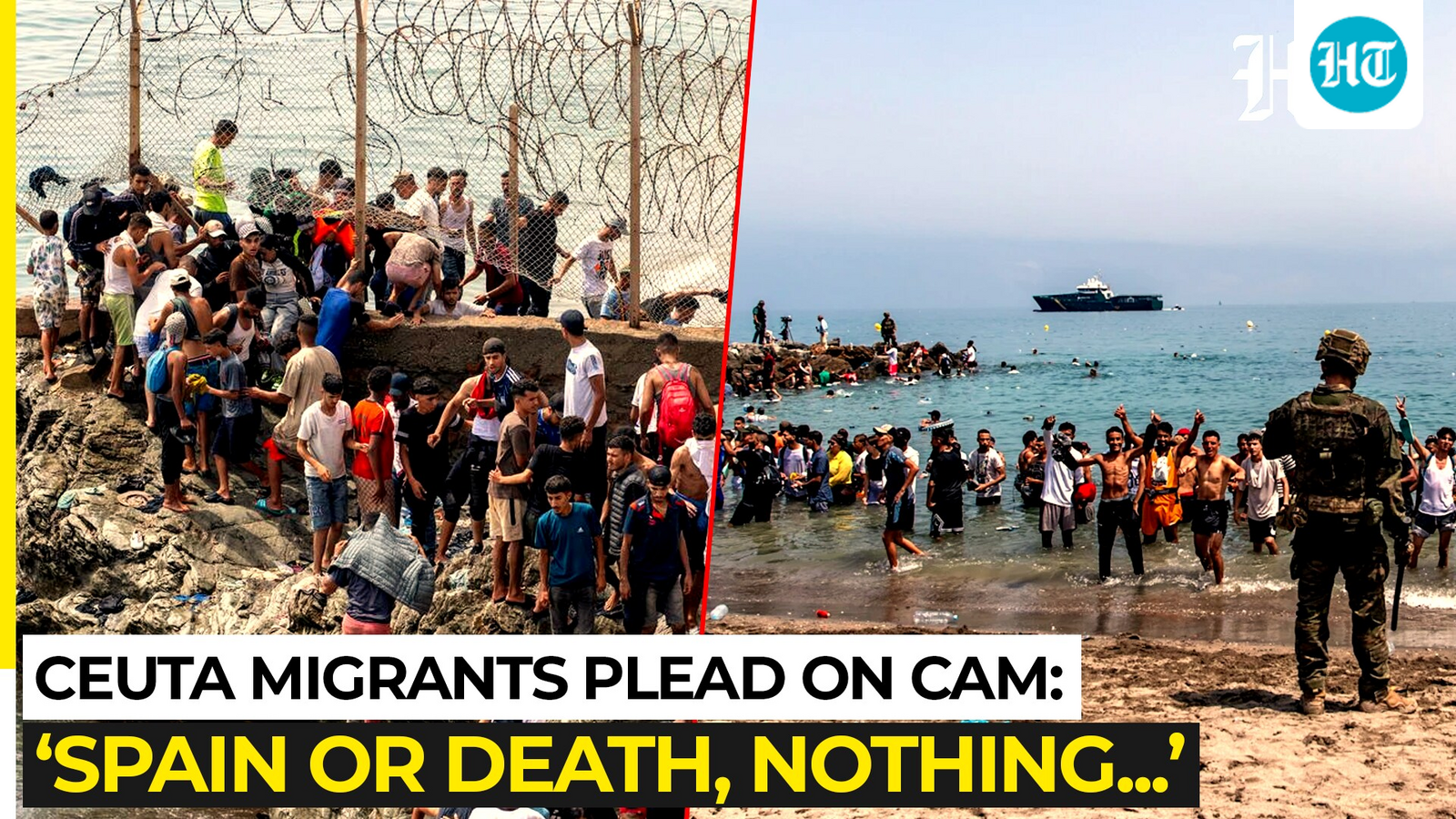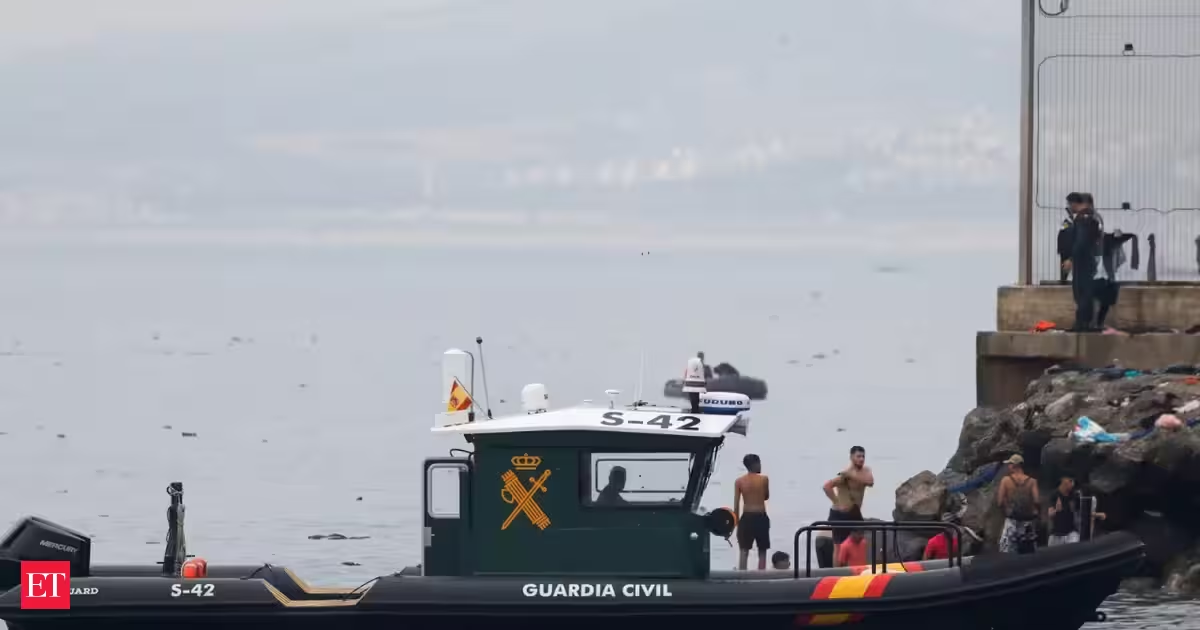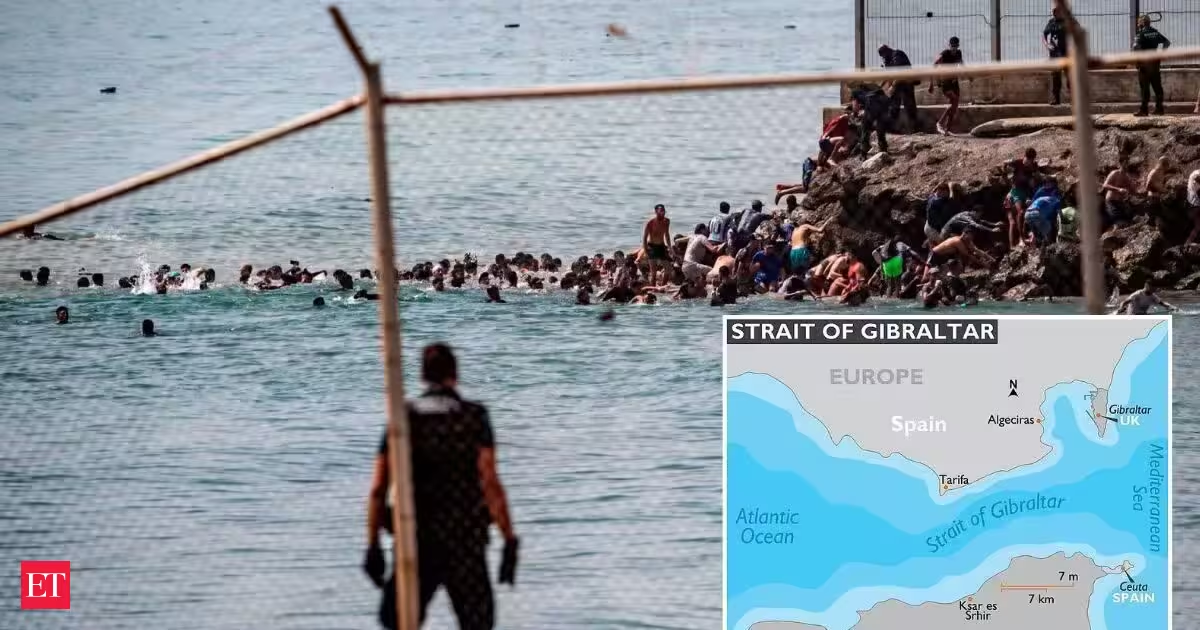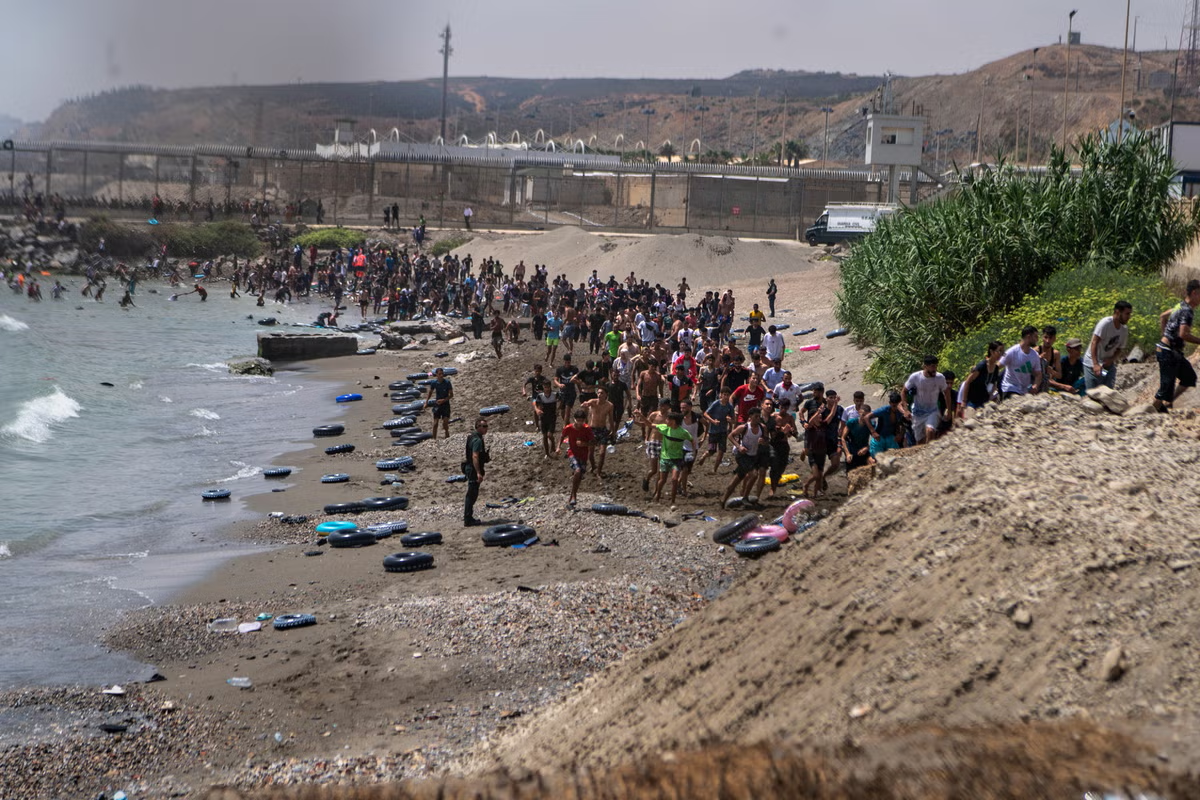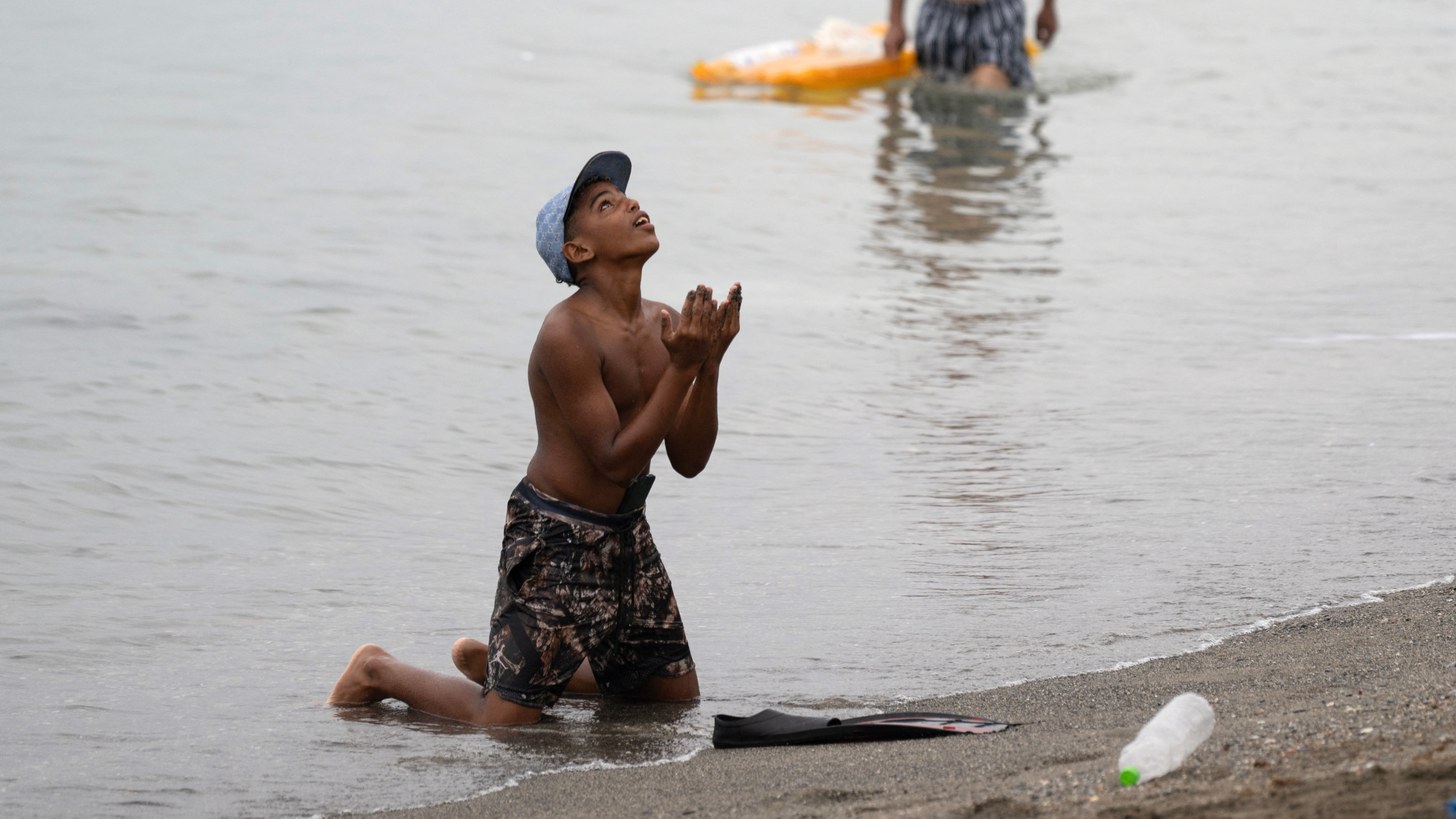
In recent days, the Spanish enclave of Ceuta has been grappling with a mass migrant crisis. According to the latest figures 72,000 people entered the territory irregularly from Morocco last week. The Spanish government says 70,000 people have since been returned.
Speculation on what caused the unprecedented migration crossing, which began on 31 July, on King Mohammed VI’s Throne Day, has been mounting, so far without any clear answers or accountability.
Some say it was a kneejerk reaction from Morocco, following Spanish Prime Minister Pedro Sanchez’s recent visit to Algeria. Other commentators claim Israel or the US is involved due to Spain’s solid stance against the genocide in Gaza and the war on Iran.
What is clear is that thousands of people, including around 8,000 children, felt they had no choice but to risk their lives in the fight for a better future. At least 141 people have died in the crossing, with the figure expected to rise.
Morocco’s Association for Human Rights (AMDH) released a statement saying the “harrowing scenes” on the border “reflect the profound despair among young people, fuelled by the lack of prospects, endemic corruption, the rise of authoritarianism, the absence of social justice, and the lack of employment opportunities and decent living conditions”.