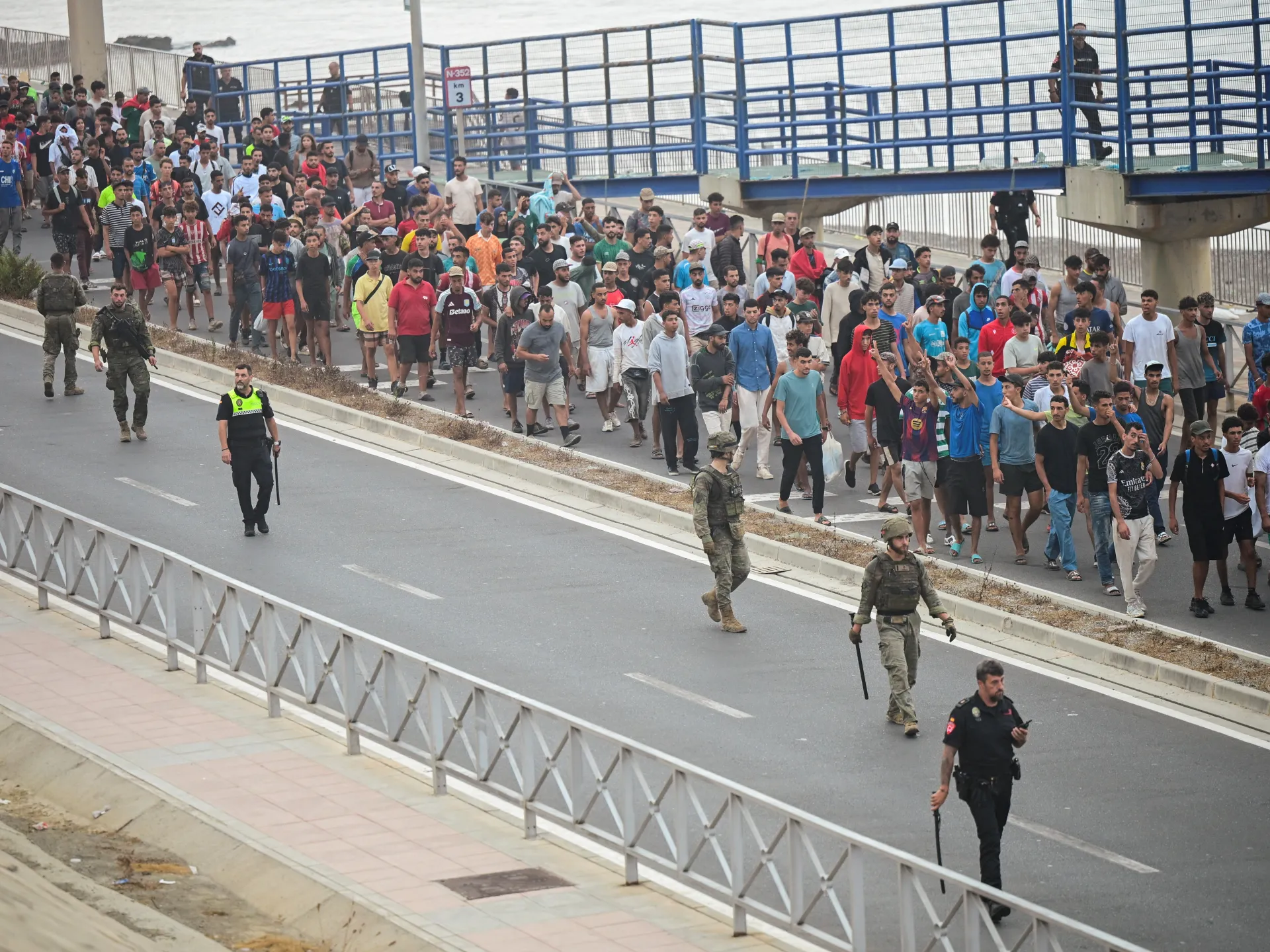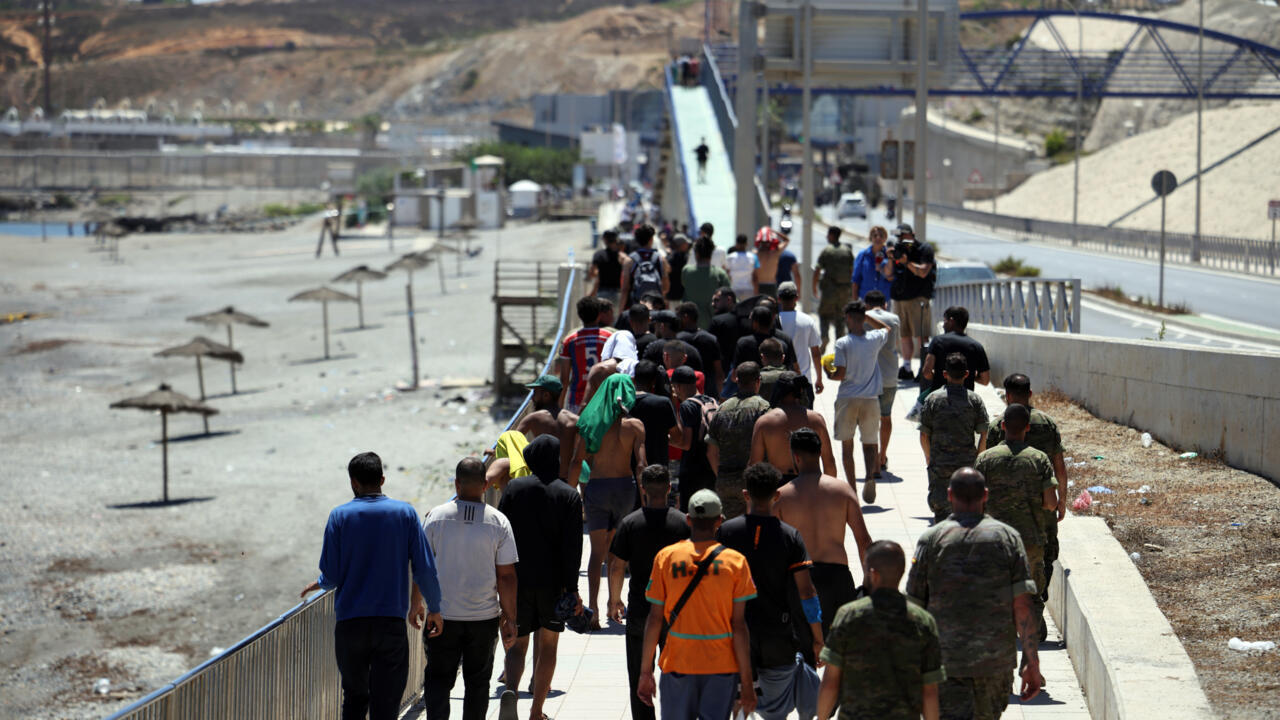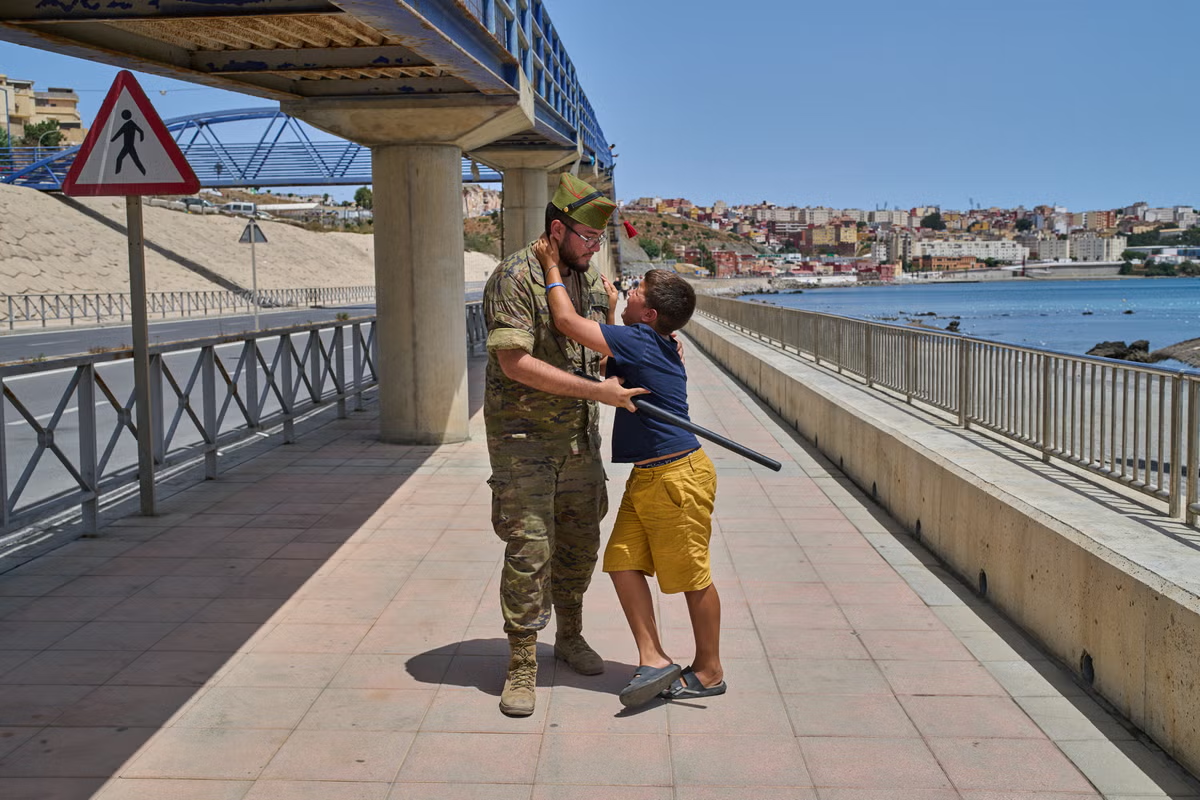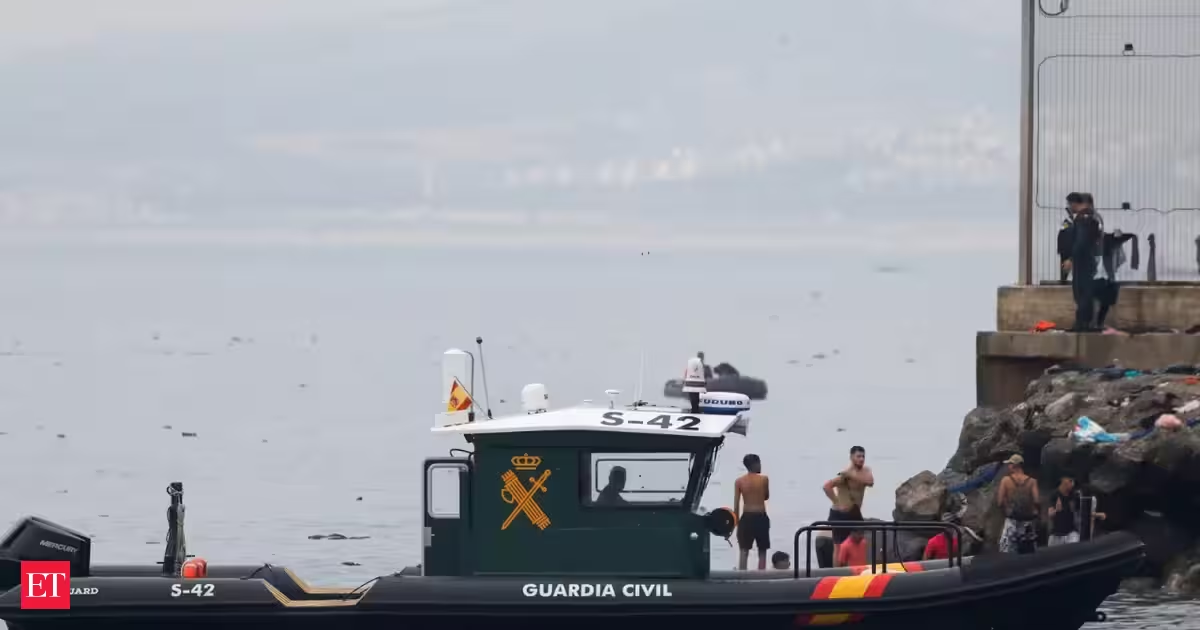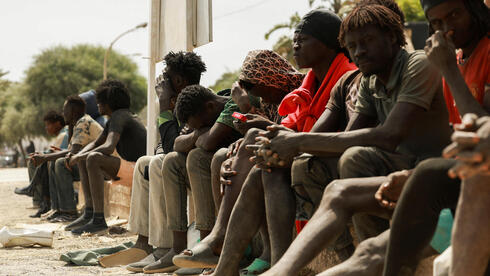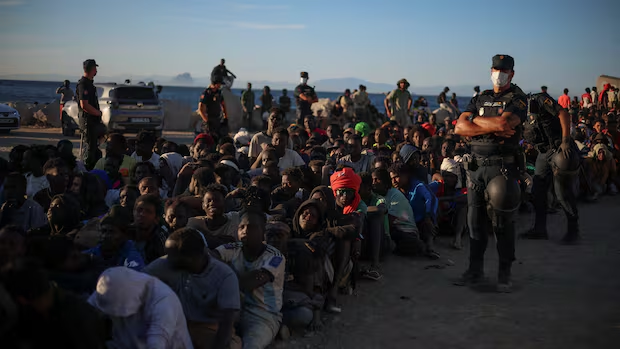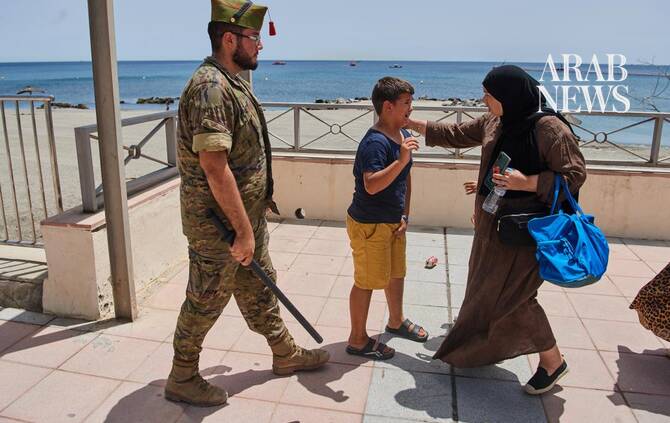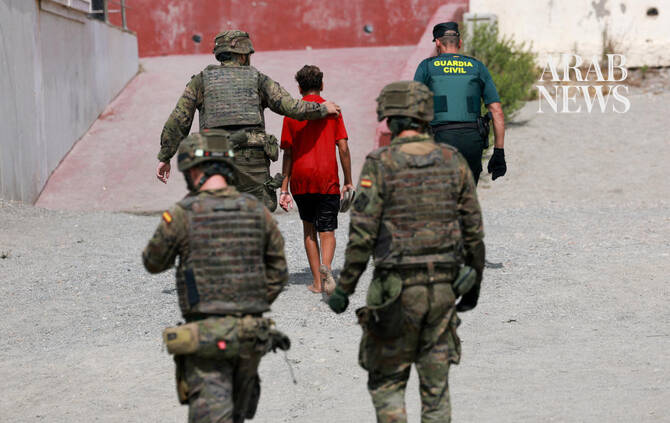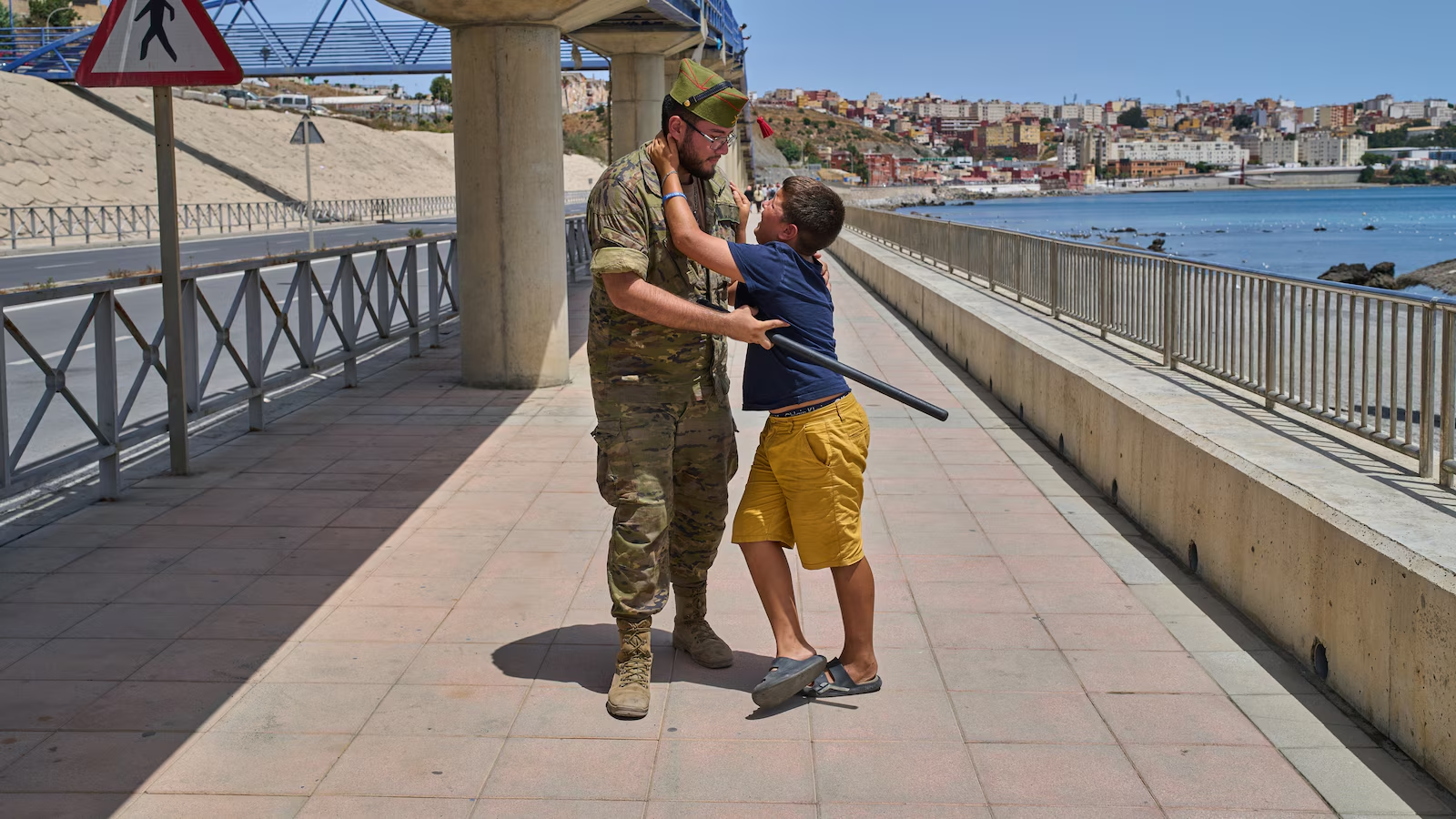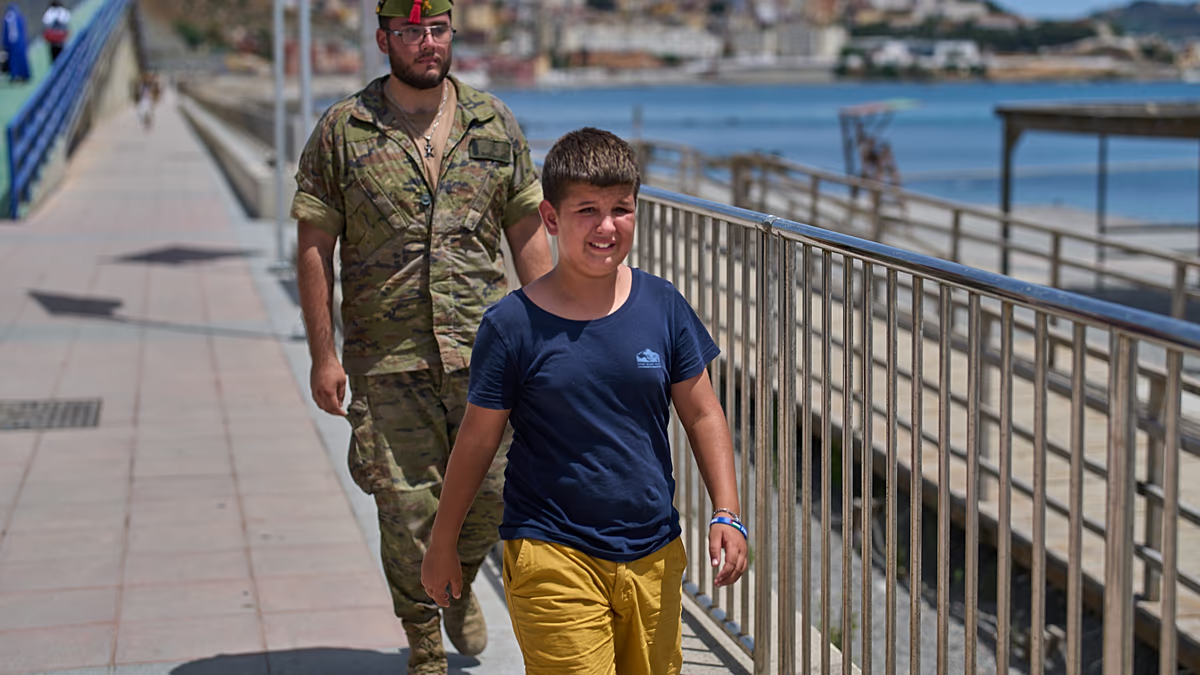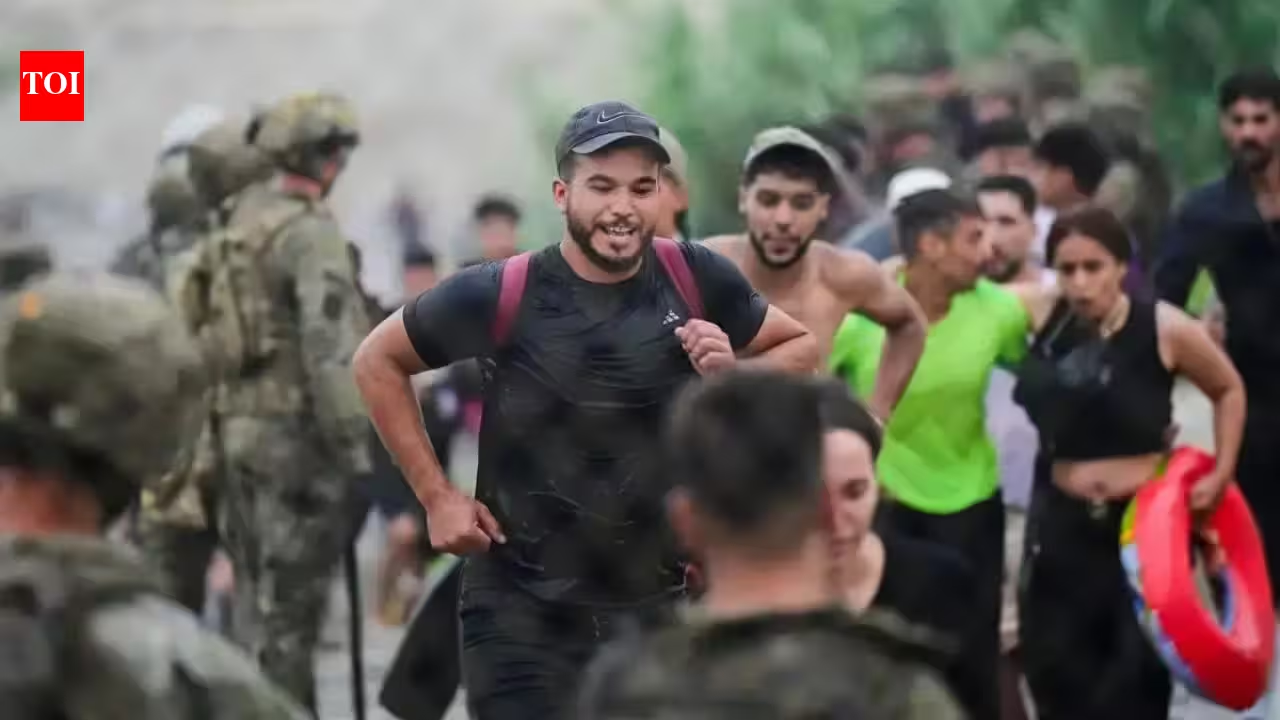
PC: BBCFor a few days, Spain’s small North African enclave of Ceuta became the centre of a sudden migration crisis as thousands of people crossed from Morocco in a desperate attempt to reach European territory. The surge left behind a difficult humanitarian situation, with hundreds of children separated from relatives and unsure of what comes next. Among them are teenagers who arrived alone after chaotic journeys through the sea, including one girl who lost her younger brother during the crossing. Nearly a week later, many minors remained in Ceuta without family support, while authorities struggled to provide shelter and care.A 17-year-old Moroccan girl’s journey to Spain ends in loss and separationA 17-year-old girl from Tangier arrived in Ceuta after making the dangerous journey through the water with her family. She told the Associated Press that her younger brother drowned during the crossing, while she became separated from her mother amid the confusion on the shore.After reaching Spanish territory, she spent days moving between temporary support points and the streets of Ceuta. She said some local residents offered her food and clothing, and one woman allowed her to wash before she went looking for help at a youth centre. The facility, however, had no space available.Her experience reflected the wider situation facing many children who arrived during the sudden movement of migrants across the border. Some came with relatives but were separated in the crowds. Others crossed alone.“I saw people stepping on the dead,” she said through a translator. She described herself and other children as being left to ask strangers for help.Mass crossing from Morocco leaves Spain’s Ceuta in crisisCeuta, a Spanish city located on the northern coast of Africa and surrounded by Morocco, saw a major influx of migrants after a large group attempted to enter the territory by crossing the border and surrounding waters.Spanish officials said tens of thousands of people crossed during the surge, although estimates varied. Many later returned to Morocco, either voluntarily or after being taken back by Spanish authorities. Reportedly, those who remained included migrants from Morocco as well as people from countries affected by conflict, including Sudan, Afghanistan and the Palestinian territories.The crossing came with a heavy human cost. Spanish authorities said dozens of people died, most of them in the water. Morocco reported additional deaths that were not included in Spain’s official count.By the days after the incident, the focus had shifted from the size of the crossing to those left behind particularly children who had no adults with them.Children left in uncertaintyLocal officials estimated that around 1,000 minors remained in Ceuta after the majority of migrants had left. Many of them were staying away from their families, either because relatives had disappeared during the crossing or because they had travelled separately.Under Spanish law, unaccompanied migrant children are entitled to protection and should be placed under the care of authorities. Their cases are treated differently from those of adults, who can face removal procedures if they do not receive permission to remain.The situation became complicated as authorities attempted to identify who was a minor and who was an adult. As reported by Associated Press (AP), in one case witnessed, a young Moroccan boy was being escorted towards the border for return to Morocco while crying and pleading not to be sent back. After residents and journalists raised concerns that he was underage, a senior Spanish army officer stopped the process and transferred him to the Civil Guard. Other young migrants, however, were still being moved towards the border, according to witnesses.Overcrowded shelters leave migrants without food and supportCeuta’s existing migrant support facilities were quickly overwhelmed. Reportedly, a government-run centre designed for around 600 people was reported to be full, leaving many migrants sleeping outdoors on beaches and nearby hills.Food became one of the main concerns. Some migrants said they had struggled to find meals after arriving, particularly as local businesses closed during the uncertainty following the mass crossing. Authorities later organised food distribution for those still in need.A 25-year-old Moroccan man who returned after spending time in Ceuta described difficult conditions, saying he had gone without food for two days. He warned others considering the journey that the reality after arrival could be far harder than expected.Families search for missing relativesOn the Moroccan side of the border, families continued searching for information about relatives who disappeared during the crossing.Some parents knew their children had reached Ceuta but had received no further updates. Others waited near the border hoping to hear that their loved ones had returned safely.The sudden movement had been encouraged by widespread rumours and online messages promising an opportunity to reach Europe. For many migrants, the crossing represented a chance to escape hardship or conflict. For families separated during the attempt, it left unanswered questions.Spain announces support measuresSpain’s government announced funding of 25 million euros ($28.8 million) to help support minors remaining in Ceuta. Authorities also opened a missing persons office near the border to help families report relatives who had not been located.The immediate challenge remained identifying children, reuniting families where possible and ensuring those without support received protection.As the crowds faded and normal activity slowly returned to Ceuta’s streets, the children who stayed behind remained at the centre of the crisis waiting for decisions about where they would go next and whether they would be able to reconnect with their families.
Nearly 1,000 migrant children were left stranded in Spain's Ceuta after a mass crossing from Morocco overwhelmed border authorities
For a few days, Spain’s small North African enclave of Ceuta became the centre of a sudden migration crisis as thousands of people crossed from Morocco in a desperate attempt to reach European territory. The surge left behind a difficult humanitarian situation, with hundreds of children separated from relatives and unsure of what comes next.
893 words~4 min read