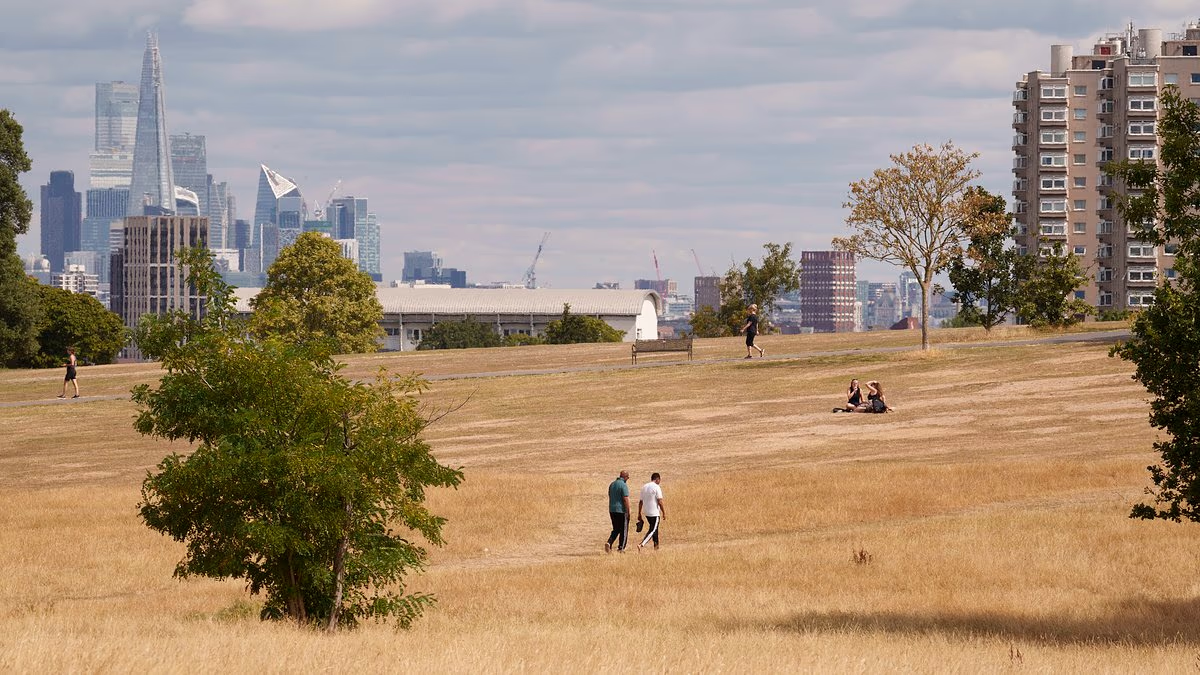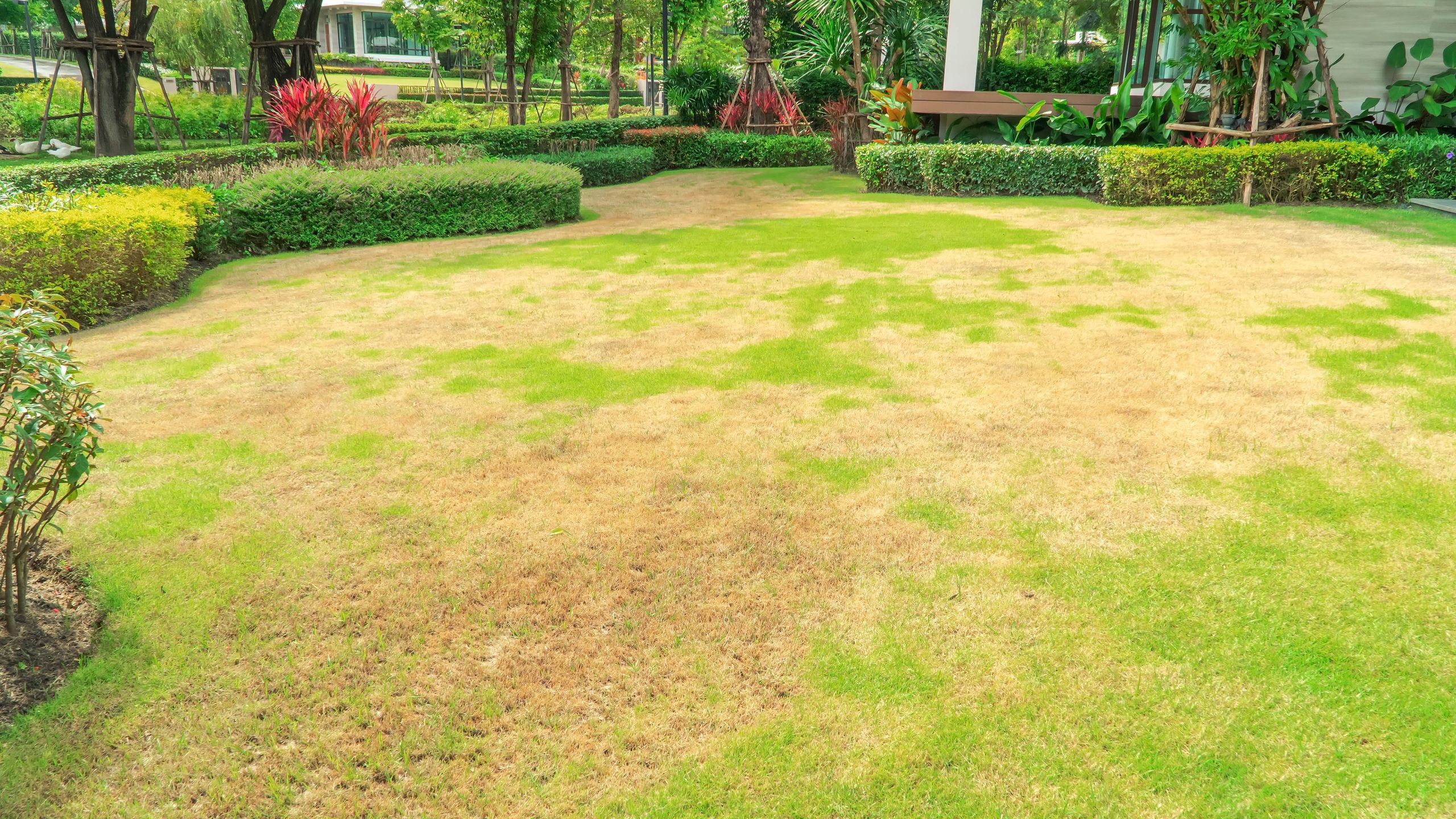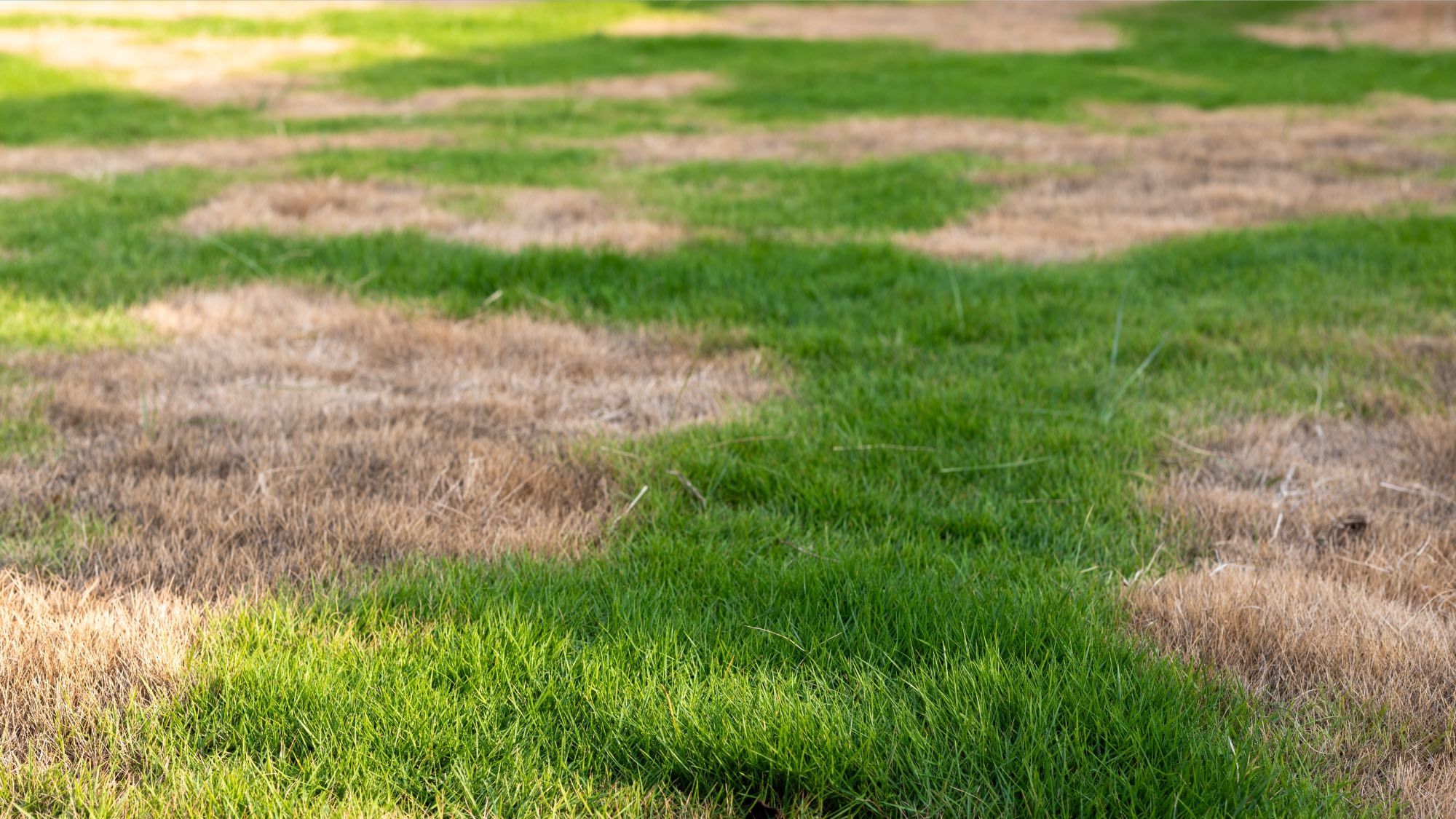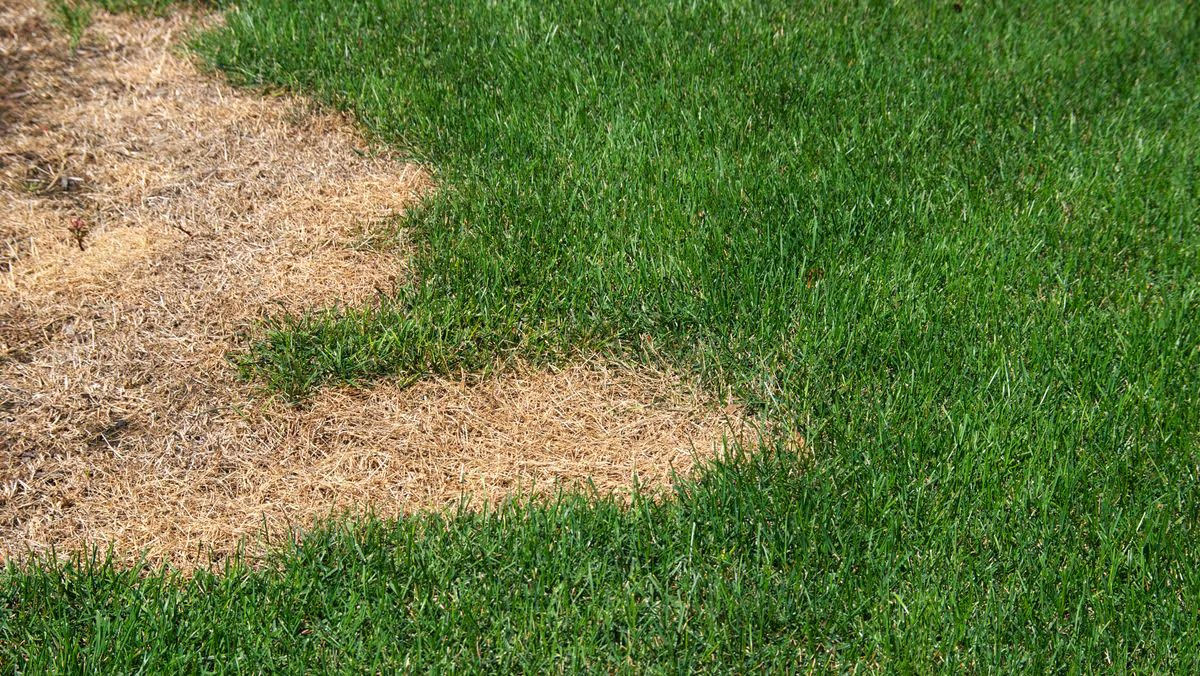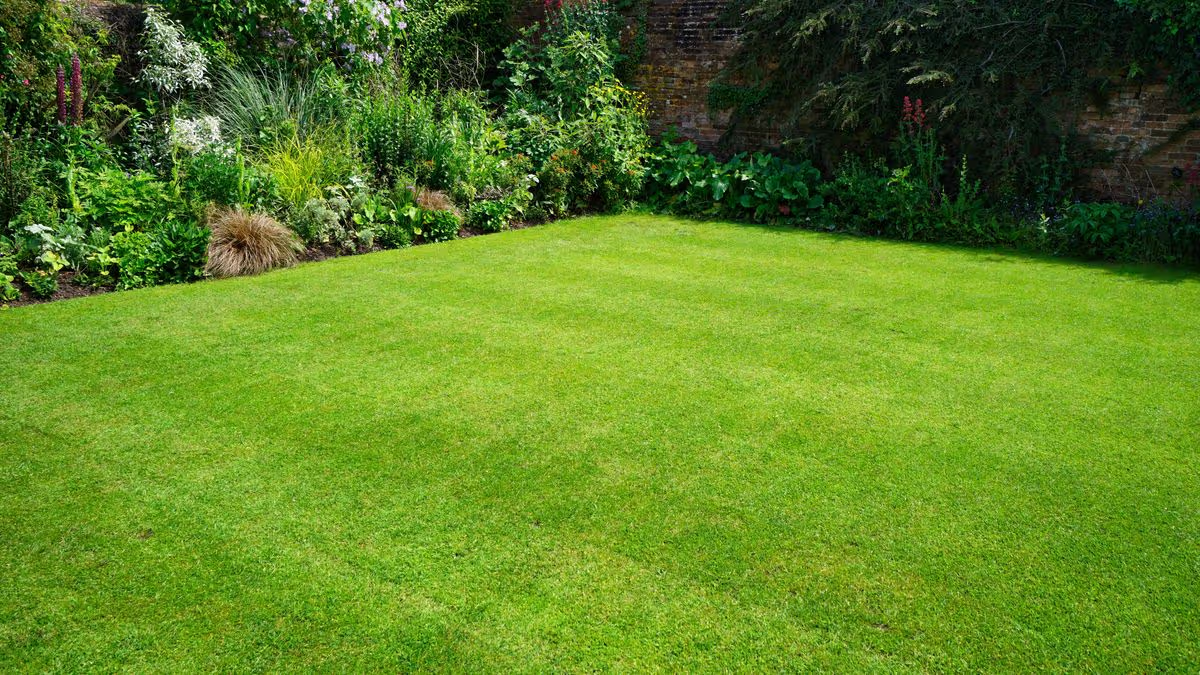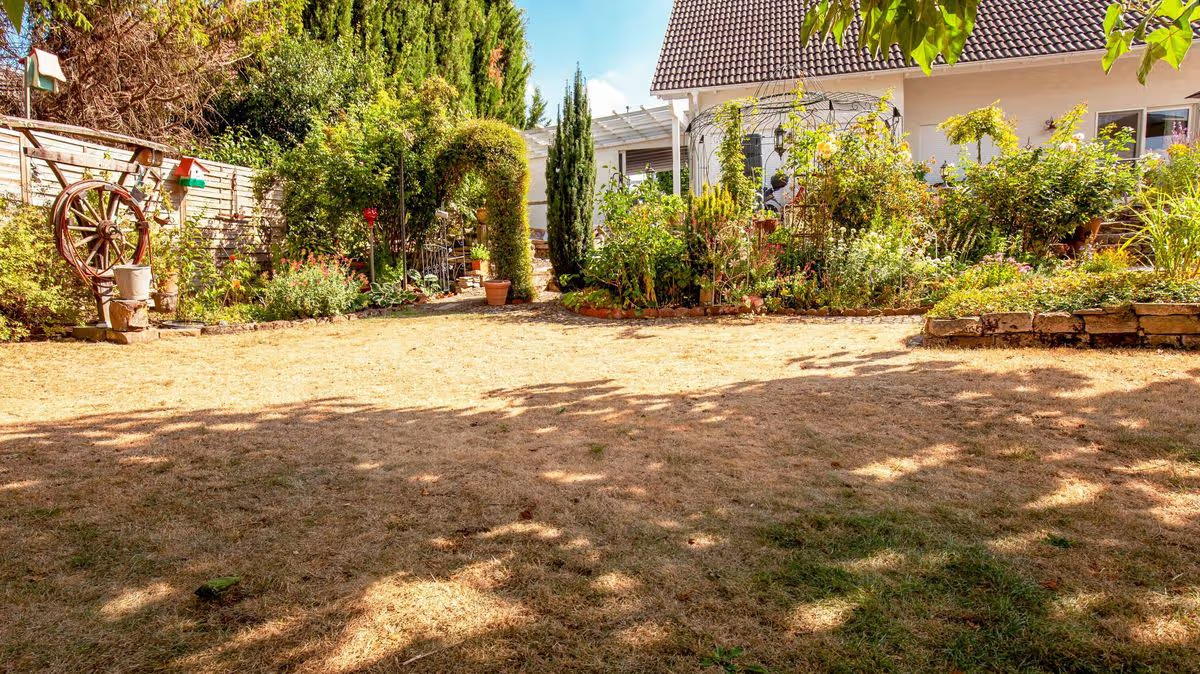
A week of brutal heat and your lawn turns brown. It looks fried. Looks dead. Your instinct is to do something: pull out the hose at sunset, grab fertilizer, lower the mower blade. These feel like solutions. They're not.Most of that browning is dormancy, not death. Your grass is shutting down to survive the heat, which is exactly what it should do. The problem is that three specific mistakes can actually kill what dormancy doesn't. These mistakes are so common that most people don't realize they're doing them.Here's what's going wrong and how to fix it before you accidentally kill what's still salvageable.
Stop watering at sunset
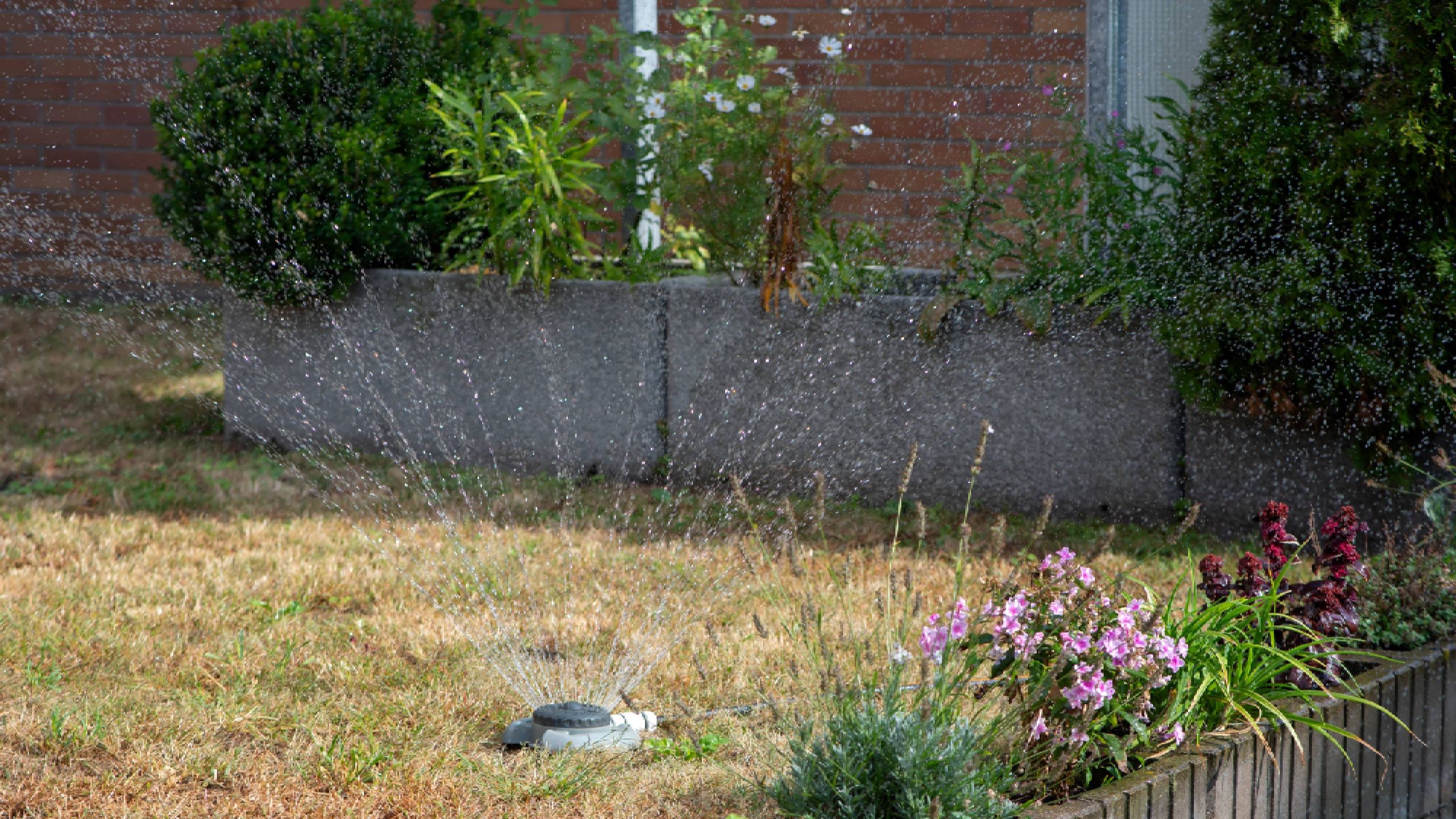
Evening watering seems logical but it's counterproductive. Sprinkling for 10 or 15 minutes at sunset leaves your lawn damp overnight, creating ideal conditions for fungus and rot. More critically, shallow watering only penetrates the top quarter-inch of soil, forcing grass roots to remain near the surface instead of growing deep into cooler, moisture-retaining soil. When heat hits the next day, these shallow roots scorch.The solution is straightforward: water between 5 and 8 AM only, and apply deep waterings three times weekly, soaking 4 to 6 inches down. This forces roots to develop deep enough to access cooler soil and resist heat stress. Use the tuna can method to measure: place an empty can on the lawn and water until it fills to one inch. That's your target.