(Image credit: Getty Images)
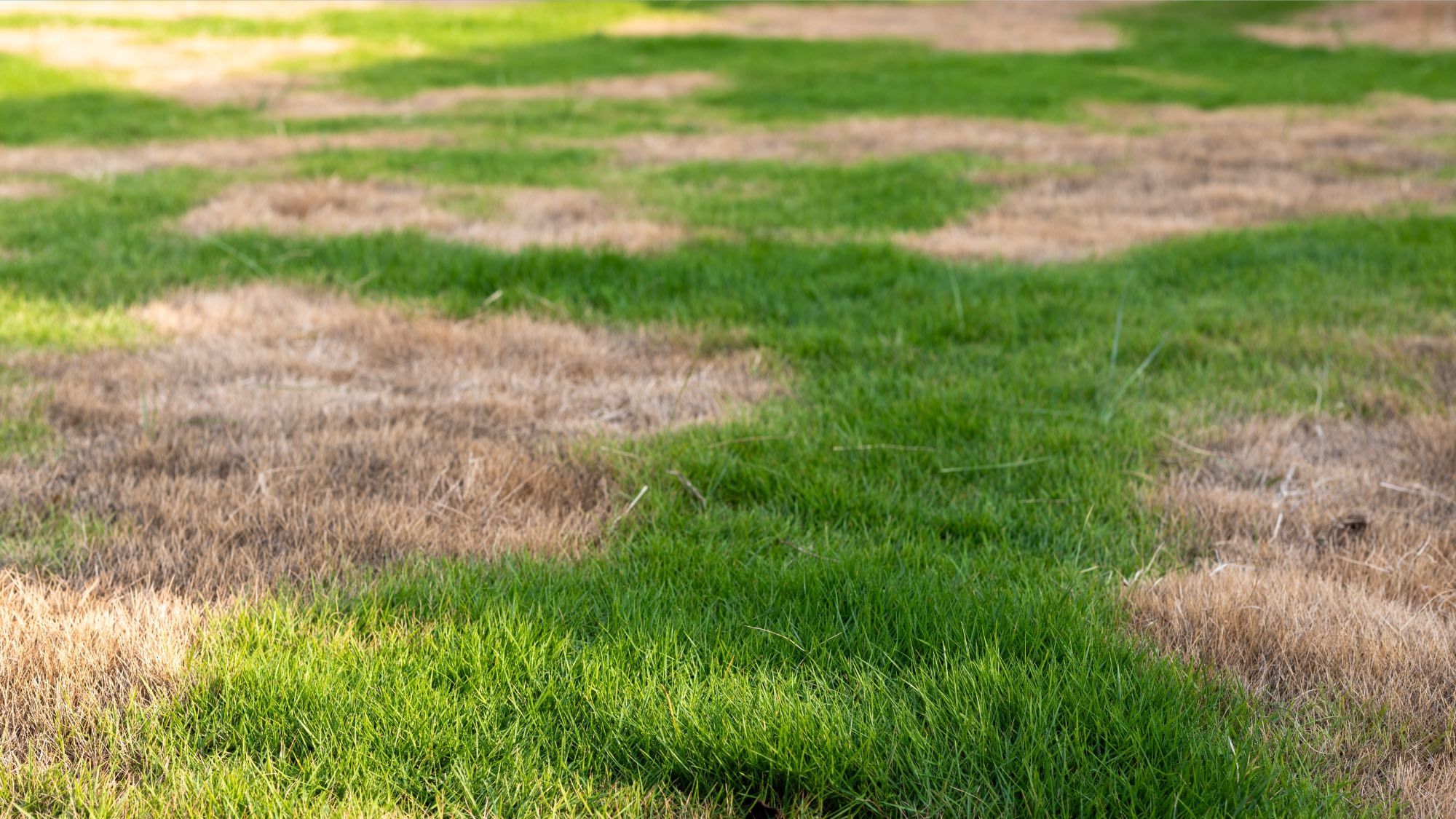
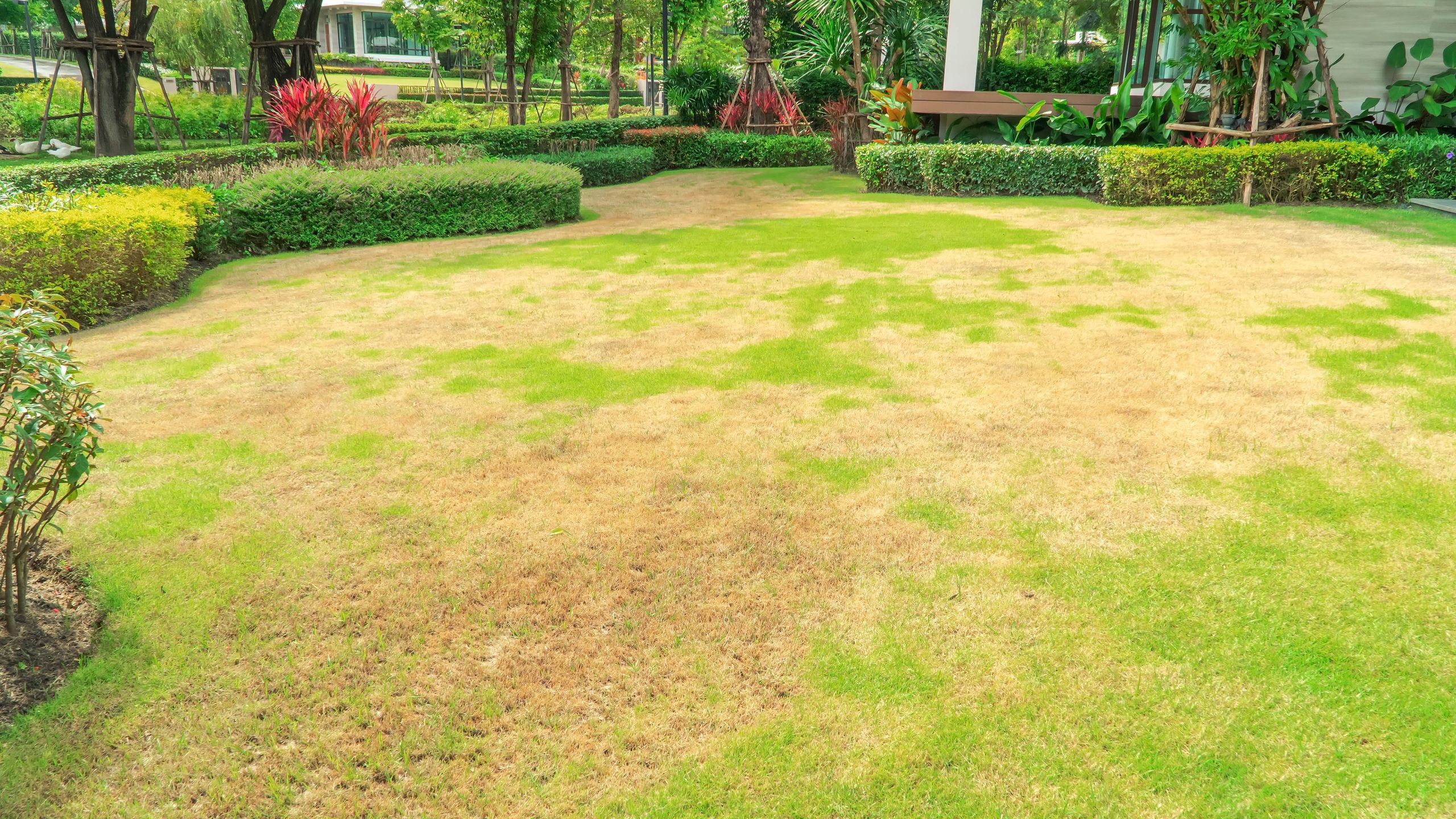
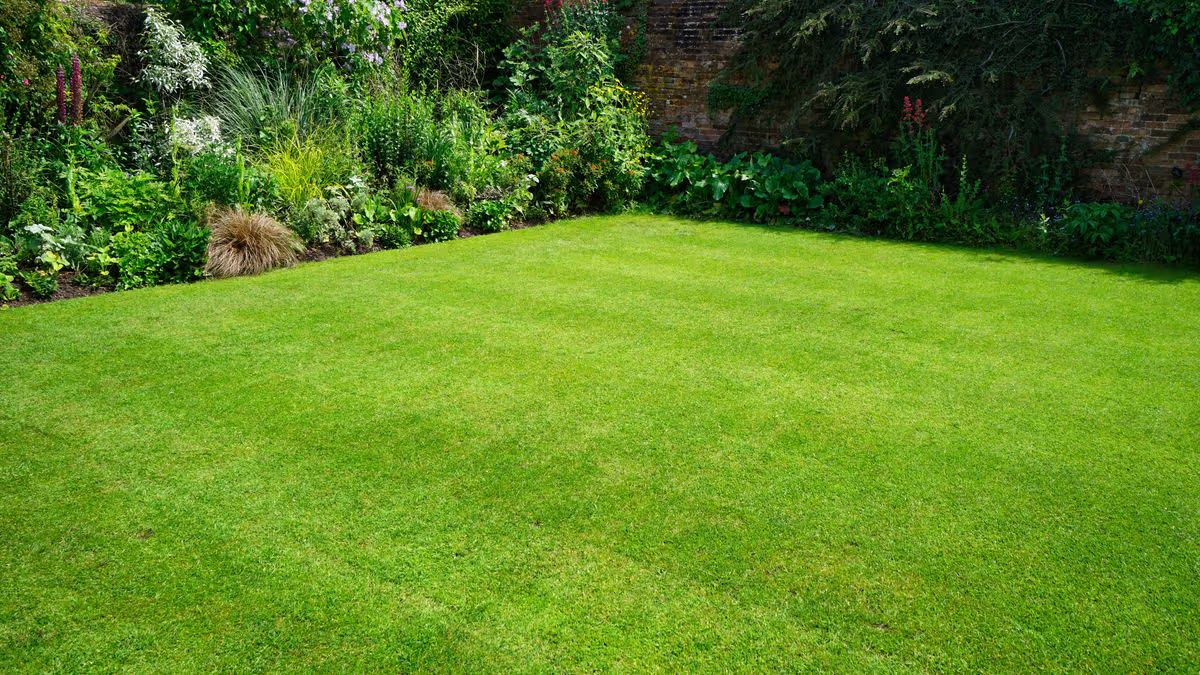
For many gardeners, a lush green lawn is a badge of honor. But with the onslaught of heatwaves and limited rain, the climate is wreaking havoc with our lawns.That once immaculate patch of green turf that you admired is now turning into an unpleasant patch of brown straw before your eyes.Water is evaporating before it has a chance to reach the roots, and in a bid to survive, your grass is going into dormancy. Frequent light watering won’t help, as it doesn't encourage the roots to dive deep into the soil for long-term survival. So, how do you keep your lawn looking lush during a heatwave?According to lawn expert Jonathan Davis, at Lawnsmith, we can learn a trick or two from the folks at Wimbledon. If anyone knows how to look after a pristine lawn, it’s the skilled gardeners and ground staff at this iconic sports venue.Water your lawn the 'Wimbledon way'
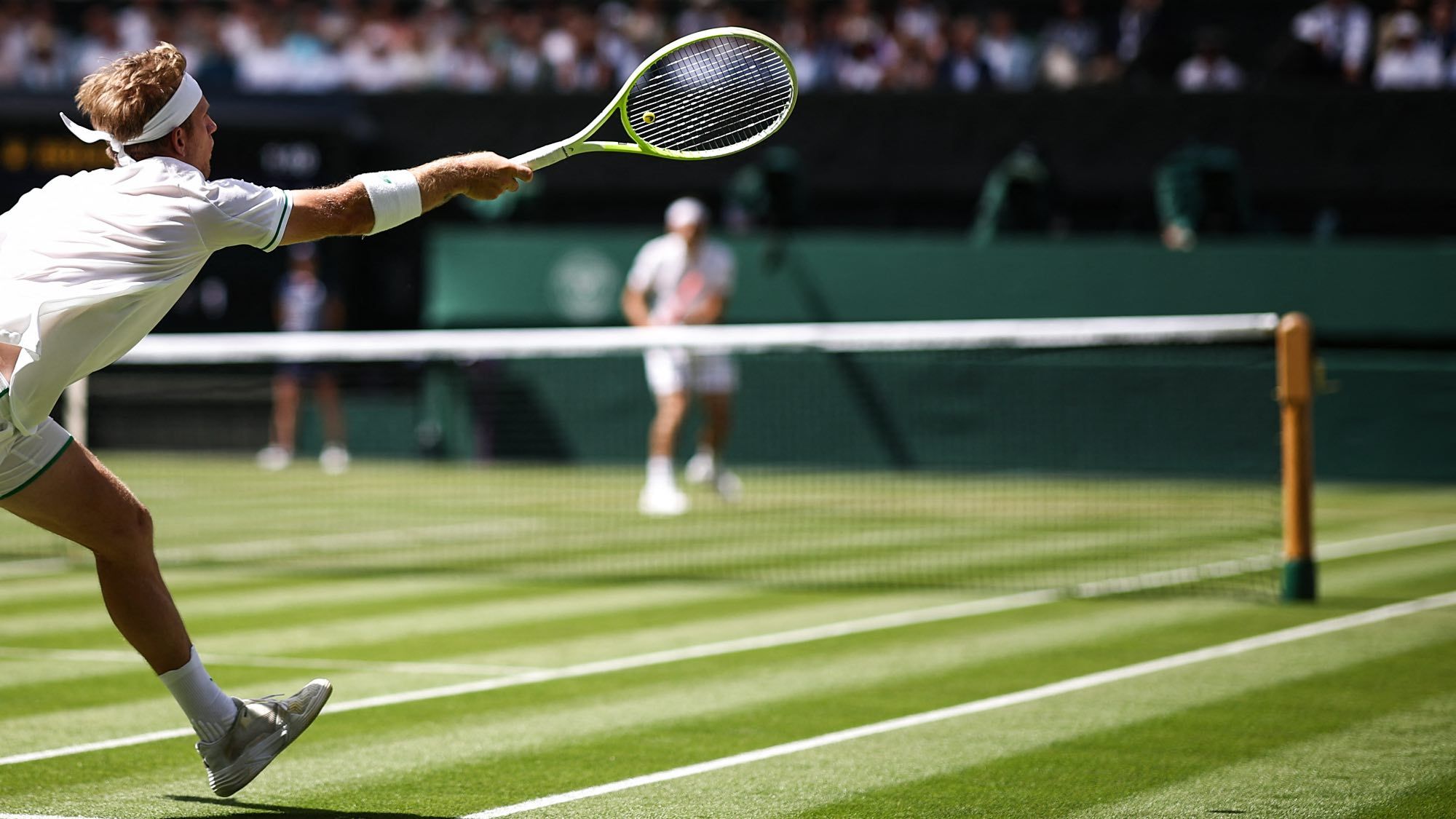
(Image credit: Julian Finney/Getty Images)While we’re trying all sorts of ways to keep our lawns healthy during a heatwave, from watering at the best time to removing lawn weeds that deprive our grass of moisture and nutrients, Davis has another lawncare tip that keeps the Wimbledon courts in tip-top condition all summer.According to Davis, the Wimbledon lawn care professionals apply a wetting agent to the ground. “A wetting agent is a chemical that reduces the surface tension of water. When applied to soil, it helps rain and water penetrate the turf and spread more efficiently,” he explains.It all sounds too easy.Get instant access to breaking news, the hottest reviews, great deals and helpful tips.But he continues, “A perfect example of water’s surface tension at play is the old party trick where you balance a coin on top of a glass of water. And when you put a drop of washing up liquid in the water, the surface tension breaks and the coin immediately sinks.”A wetting agent overcomes the problem when the ground is hard and dry, and the water runs off the surface. Applying a wetting agent helps hydrate the soil and improve the grass.“By disrupting the water’s surface tension, a wetting agent immediately allows it to filter down through the soil, right to the roots where it’s most needed,” he adds.The 'Wimbledon way'The secret behind Wimbledon’s lawncare success was revealed by Neil Stubley, Wimbledon’s head of courts and horticulture, published last year in The Guardian, where he said: “It sounds a weird term but it makes water wetter. The surface tension of a water molecule, a plant root system, at a certain point, can’t penetrate it as the moisture gets smaller, because the surface tension is more. We can adjust that so that actually a plant root can tap into that water.”When to use a wetting agent