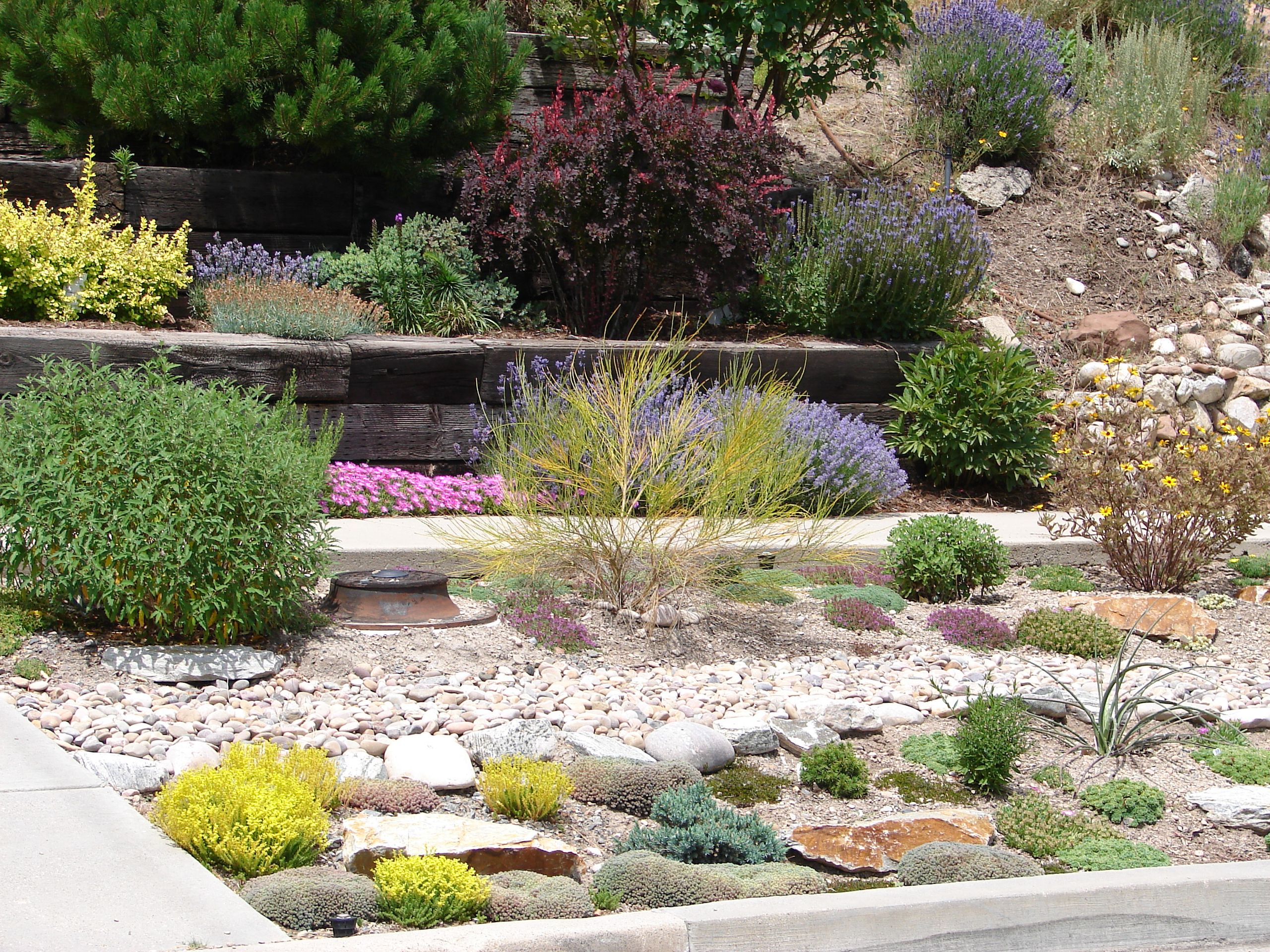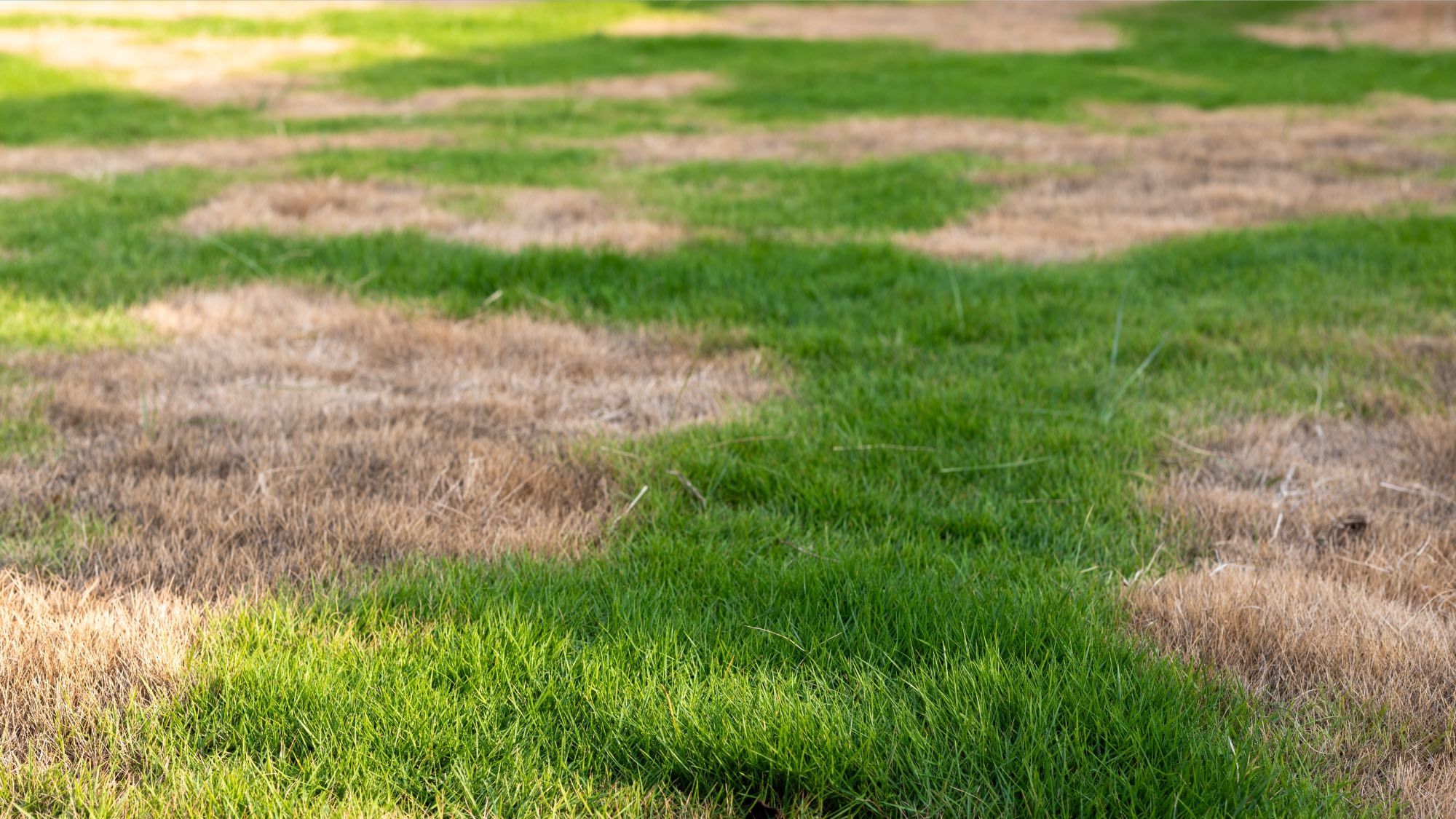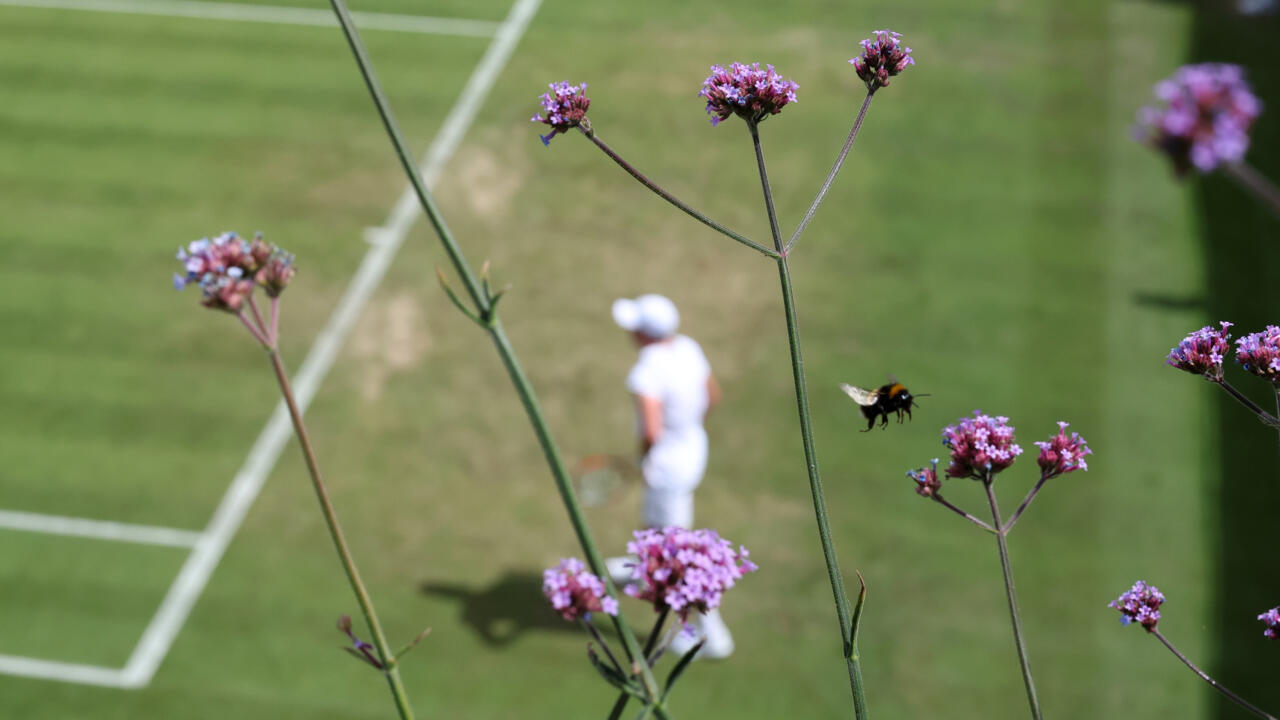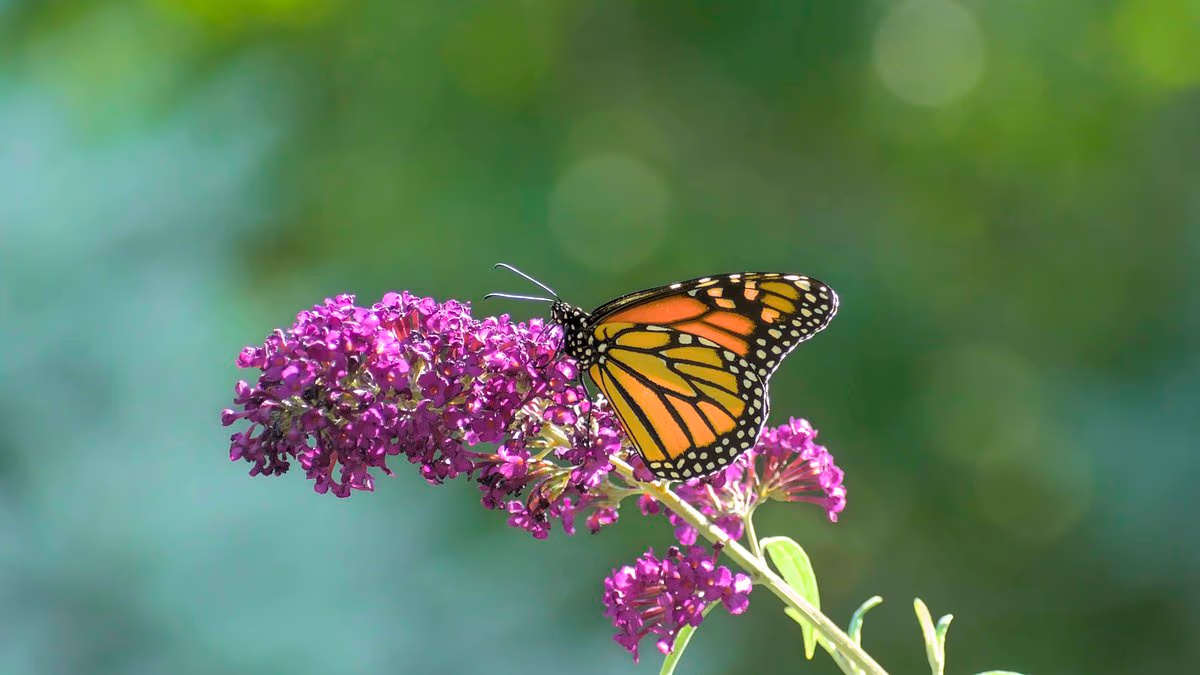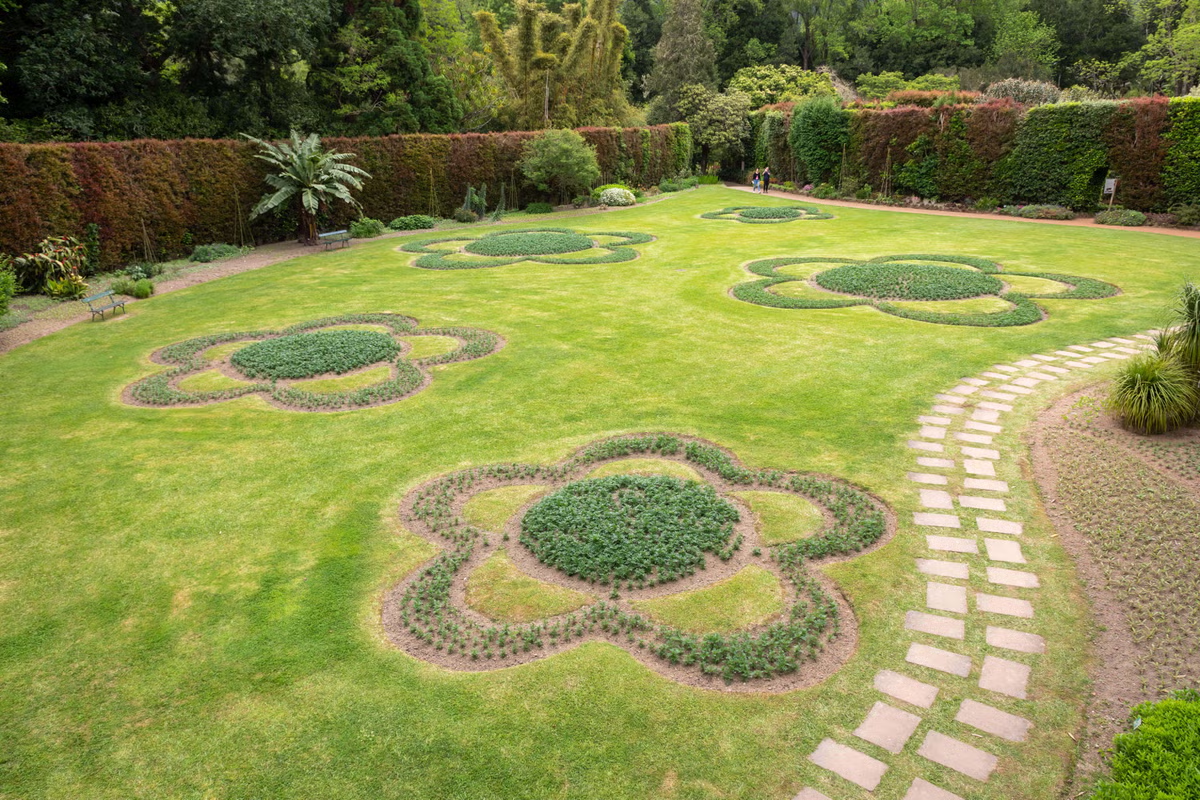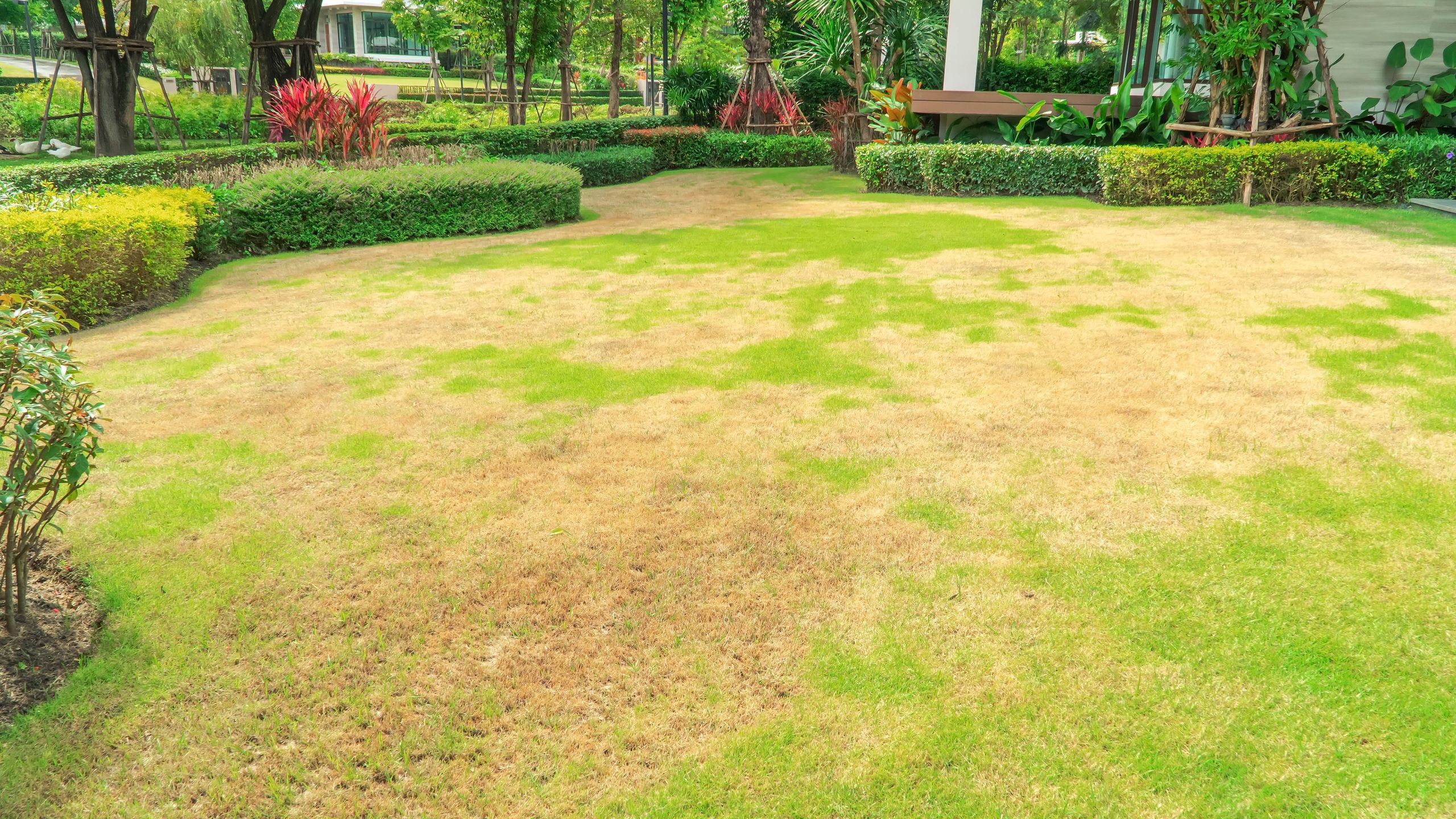
If your lawn is now turning the colour of straw because of the hot conditions, it may be time to consider an alternative.A tapestry lawn may be the way to go, says Alex Hankey, garden manager at RHS Garden Wisley in Surrey, which has a tapestry lawn in at its grounds, edged with bricks and showcasing plants which can tolerate frequent mowing.What is a tapestry lawn?Essentially it’s a lawn that isn’t grass.“At Wisley, we emphasise that you can have this nice dense mat that you can cut and treat like a lawn that isn’t grass. Our tapestry refers to the multitude of different plant species you have in the mix,” says Hankey.(Alex Hankey/RHS/PA)“We have a square piece of lawn in front of our laboratory and we’ve basically cut this interesting shape into it. It’s one large square with squared corners. We’ve used bricks to edge it, to make it distinct from the lawn space, so it’s a bit of an art installation in an otherwise square lawn.”What plants can you use?You can have things like chamomile, thyme and leaf clovers and other species that will flower but will tolerate being cut quite short and have a mat-like cover, he suggests.It’s possible to create a tapestry of colours, such as shades of purple, as well as different foliage forms and also flowers, from thyme to oregano. Thyme is good for scent and you could weave in miniature violas which will flower really low, he suggests.How can you do that in your garden space?“Almost delete a section of your lawn and replace it with this sort of style. Strip the turf away and replace it with traditional plants like chamomile,” he suggests. “Clover would be ideal for direct sowing, as would achillea and our native bird’s foot trefoil.”Direct-sowing would involve working your tapestry template into a seedbed, removing stones and preparing the soil to create a fine tilth.“Select a sunny site, something that’s not cast in dense shade, because often moss wins in a shady setting. Strip and remove the turf, then replant the bare land with things like thyme, chamomile, clover and other mat-forming plants.”If you decide to buy cultivated plants which come in pots, the preparation is less intensive, although you’ll still have to move stones and debris to be able to mow it properly, he adds.What about a frame?(Alamy/PA)“It’s quite bold if you were to commit your entire lawn space to a tapestry, so my suggestion would be to use bricks to frame it, because it gives that real showpiece in your lawn space and that painting-like feel,” he says.Leave the bricks where they are when you have created your tapestry because they will stop the lawn invading it.Should you design a pattern?That depends on personal taste, he says.“In horticulture, purple and silver is an old age textbook contrast. We have a silver-leaved potentilla (Potentilla anserina/silverweed) and Ajuga reptans, a purple-leaved plant, next to each other. They find their balance within the mix.”Can you mow the tapestry?You can mow the tapestry, but you don’t need to mow it as often as your regular lawn. The tapestry section won’t need cutting throughout the winter, but can be allowed to grow and flower in spring, then cut to a shorter level in summer before ceasing cutting in October.(Alamy/PA)“You get to a point in July where the clover gets so dominant and the leaves start to rise up, that you need to keep those plants from being over-dominant. Even in the first year you would cut it during the summer to keep everything under control.”Don’t cut a tapestry lawn as close to the ground as you cut your grass. Always use a slightly higher setting, he adds.Is there a watering regime?Yes. You’ll need to water them initially when you plant them in and regularly in their first year, while they become established, and during dry spells.Once the roots are established, the plants may well survive droughts, he notes.Other facts(Alamy/PA)Tapestry lawns can often tolerate more extreme hot weather than regular lawns, he says, to give you a green foil in summer. They don’t need feeding, as suitable plants thrive in poorer soils.“Choose certain species which can tolerate more dry conditions than grass, to create an area that would remain in growth when a lawn has gone brown,” he suggests.Low-growing flowering plants benefit pollinators, so choose some of those in the mix to help wildlife.It’s easy to maintainPlants knit together in tapestry lawns (Hattie Sherwood/RHS/PA“You don’t need to plant things super-dense, because the plants are carpet-forming and mat-forming. You just need to keep the area from being re-invaded by grass and weed seedlings.“In subsequent years, tapestry plants will knit together and there will be no space for anything to get through.”Make sure weeds such as dandelions and wind-dispersed seeds and grass which tries to grow back in are kept at bay, he advises.
What are tapestry lawns and will they cope with dry spells?
Create a green feature underfoot which may tolerate hot weather better than regular grass.
809 words~4 min read