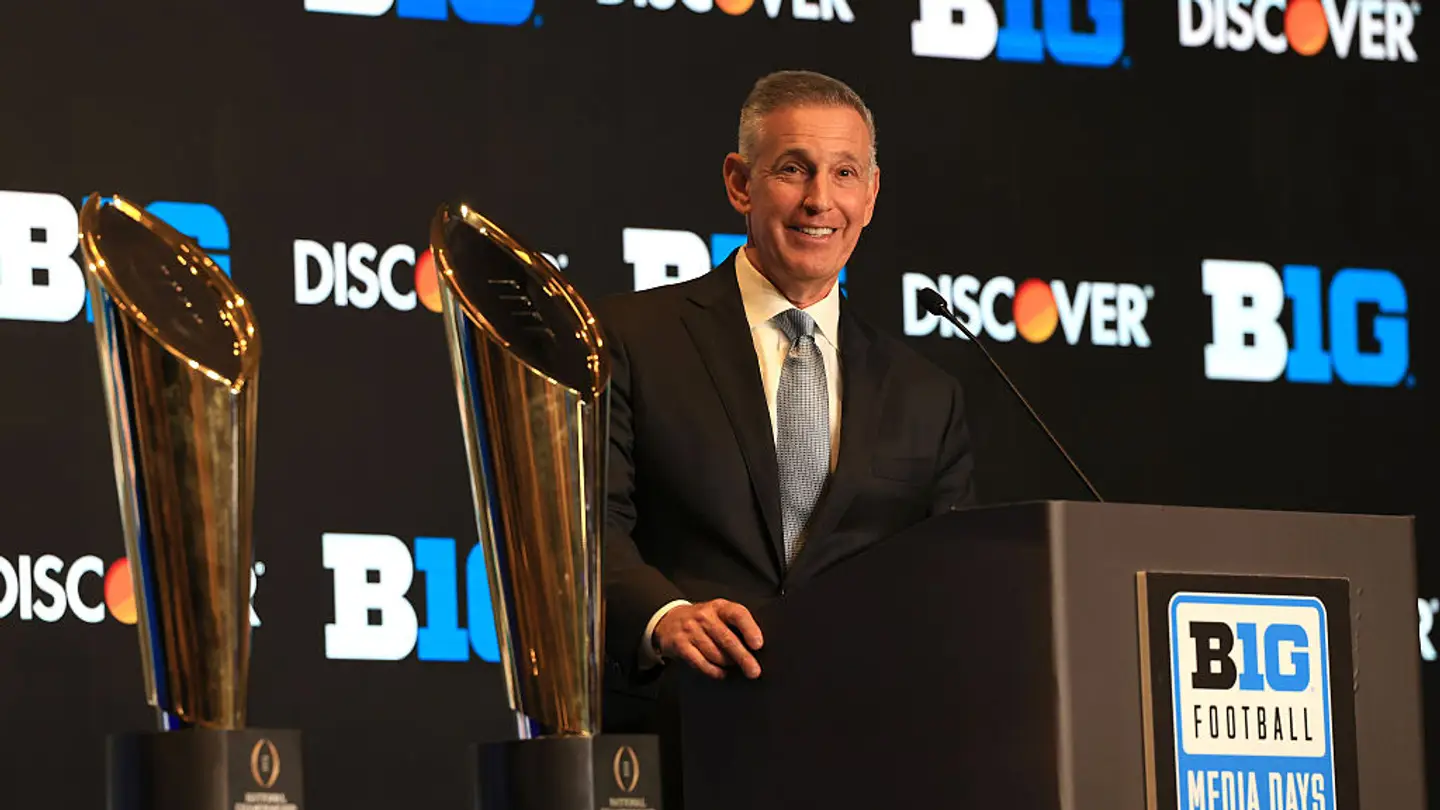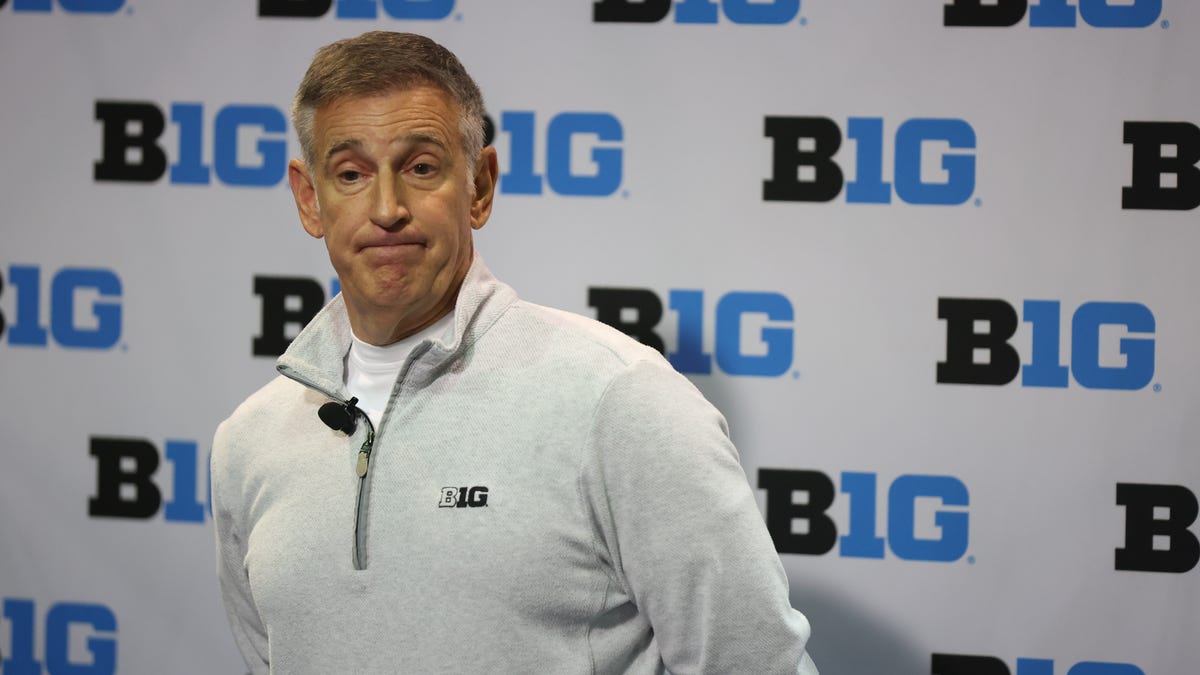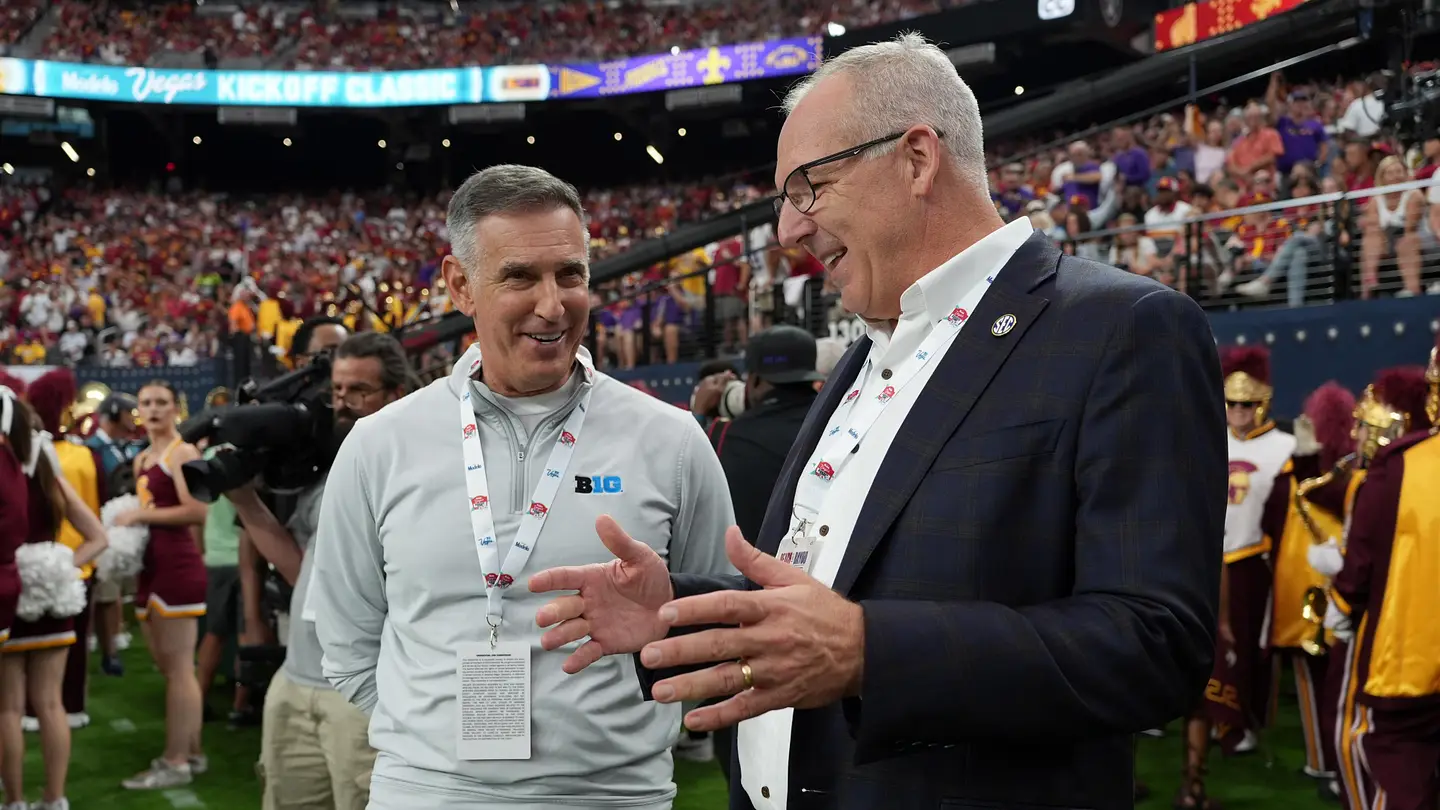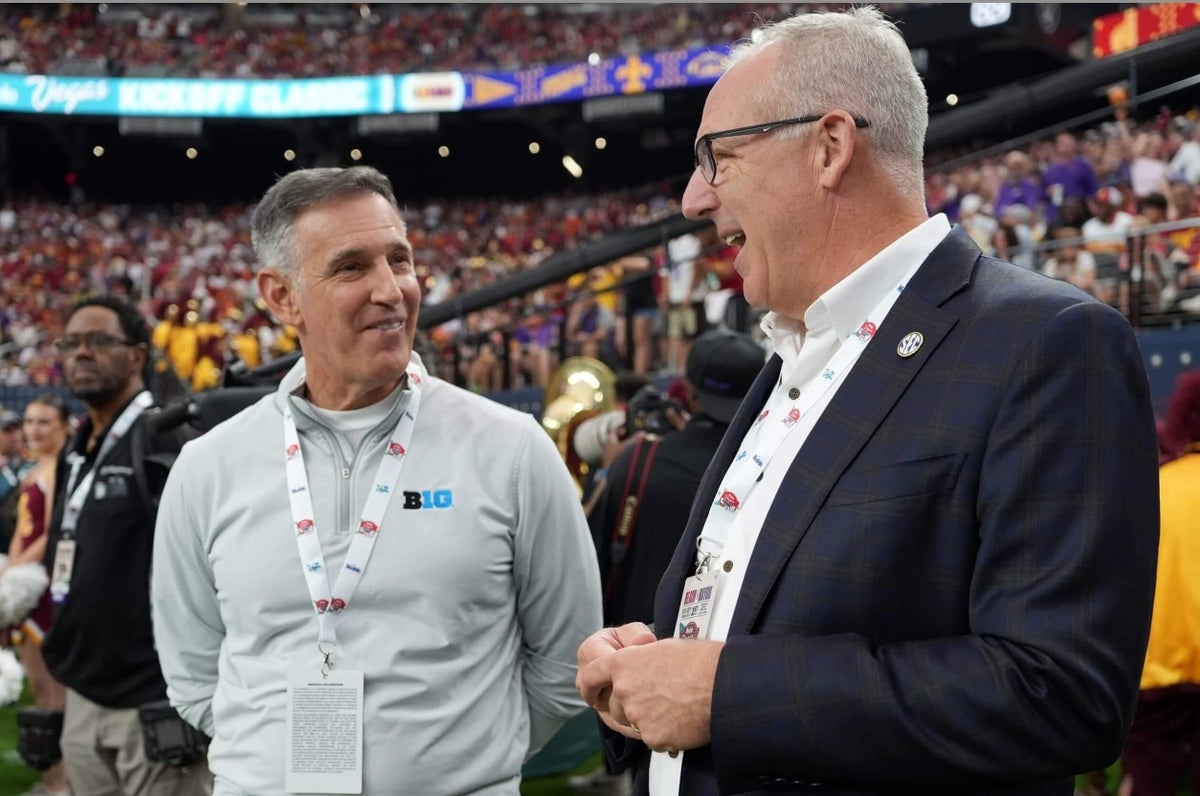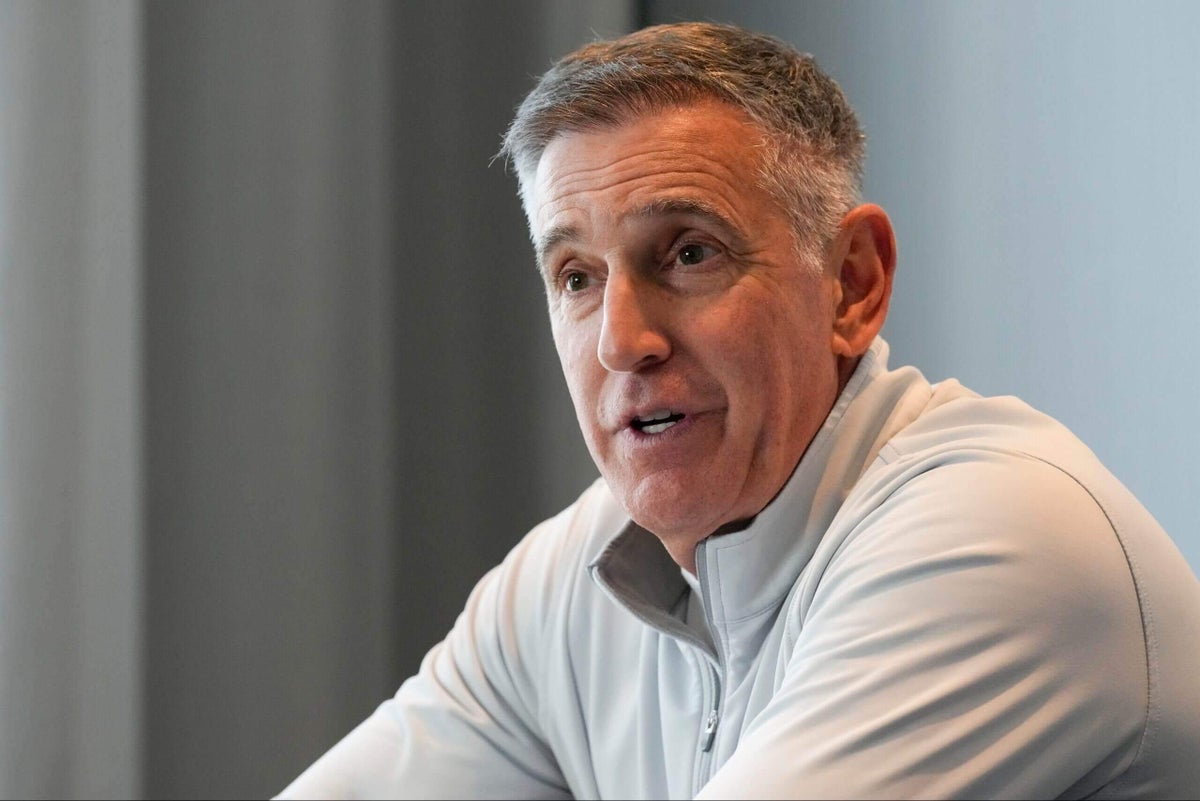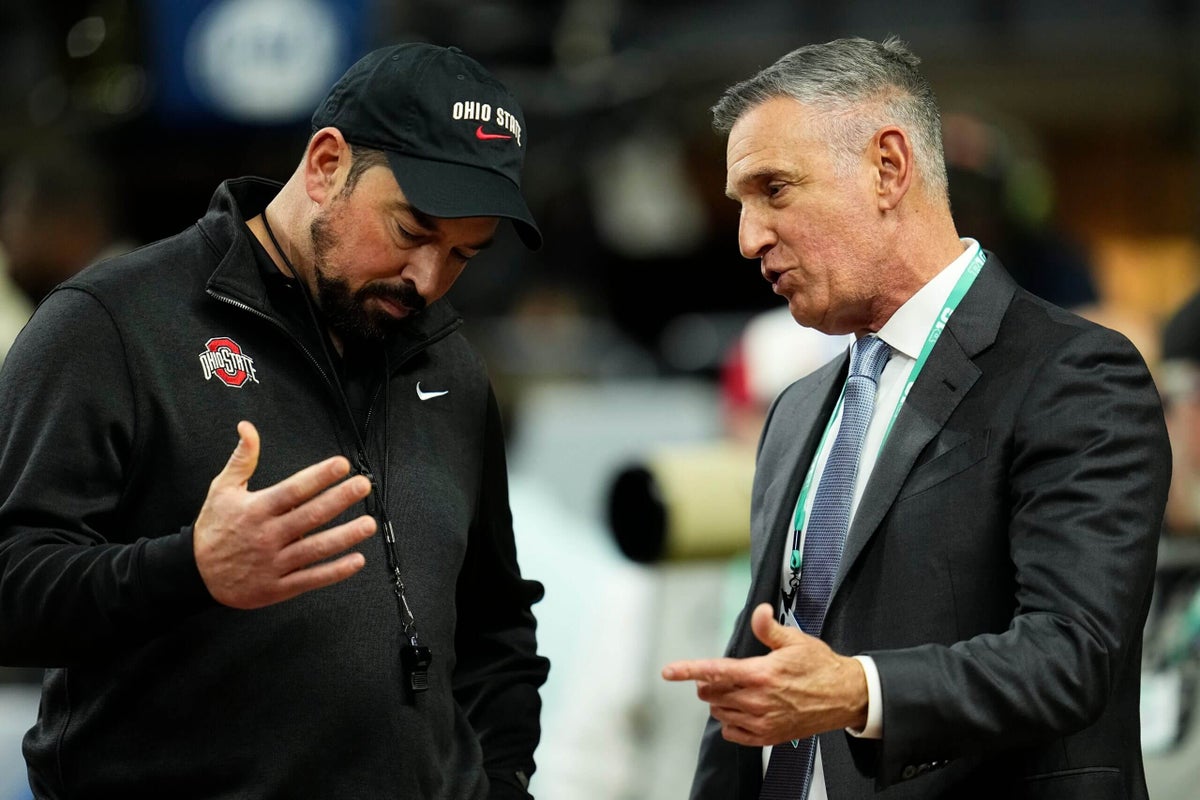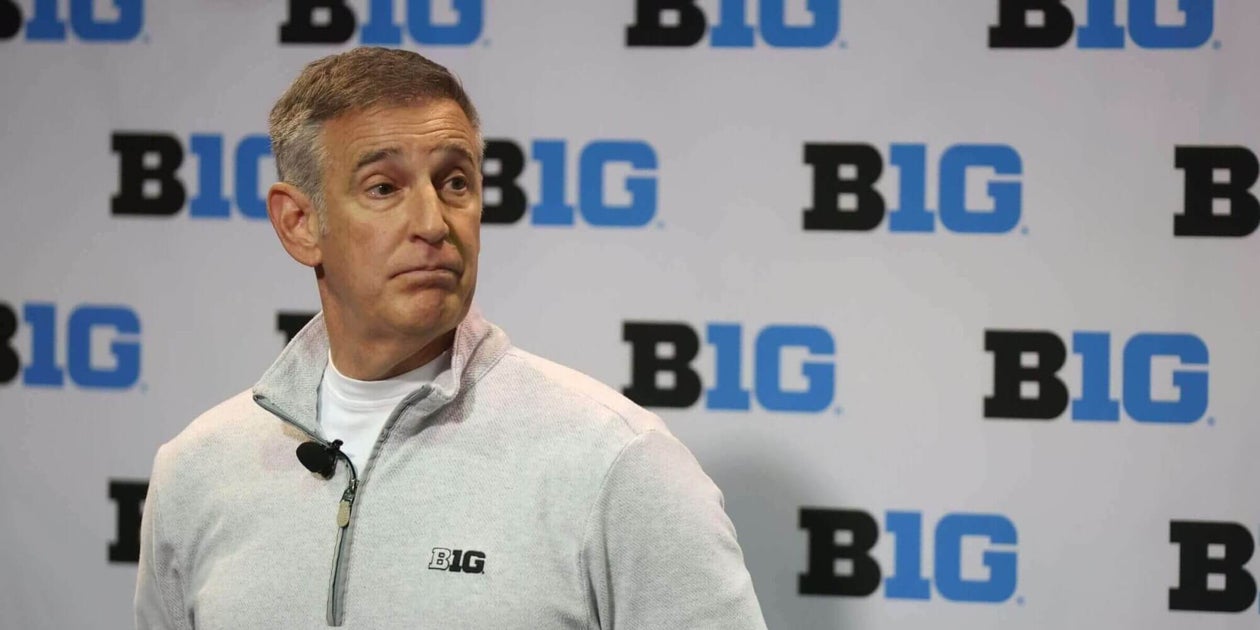
CHICAGO — In Tony Petitti’s eyes, too many fans were watching their postseason hopes evaporate with a quarter of the schedule still remaining. His sport was disengaging its customers and viewers at a time when interest should be soaring. The solution: Expanded access to the playoffs.Petitti asked key stakeholders how his new vision would impact them, adjusted accordingly and won some support, but he couldn’t get everyone on board. So he switched to a second pitch, one that found traction.That’s the story of how Major League Baseball built its current playoff system during Petitti’s time as deputy commissioner. It also could provide the blueprint for the College Football Playoff’s next iteration, an ongoing debate that will shape Petitti’s legacy. Next week, CFP leadership resumes discussions on expanding from 12 teams to 24. It’s an opportunity for Petitti to ease concerns from holdouts and nudge the postseason one step closer toward an overhaul. While his controversial plan has generated more detractors than advocates publicly, it’s far from the only topic occupying his time in a college sports ecosystem without a clear chain of command.During Big Ten media days in late July, as Petitti held court inside the Chicago Hilton, his phone rang non-stop. Minutes before Petitti sat down with The Athletic, he and SEC commissioner Greg Sankey were notified that the Senate had given them less than 19 hours to send objections and feedback about the Protect College Sports Act, the bill aimed at reining in existential threats to the industry’s current structure. Three different times inside of 30 minutes, the 65-year-old Big Ten commissioner stepped away for a quick conversation, then returned and answered more questions.As the leader of collegiate sports’ richest conference, armed with three consecutive CFP titles and the most recent men’s and women’s basketball champions, Petitti’s leverage and equity to push a pro-Big Ten agenda have never been higher. But does Petitti have the political capital to engineer victory for a super-sized CFP that critics argue devalues the regular season without the average fan harboring permanent resentment toward him? That remains undetermined.The Athletic interviewed more than two dozen people about their past or present working relationships with Petitti, many of whom spoke on condition of anonymity in order to discuss private meetings and protect relationships. To some, Petitti’s work ethic and vision are his strengths and the reasons his ideas gain traction, but his messaging tactics put a ceiling on his influence.“He’s not a warm-and-fuzzy guy,” said an industry source who has worked with Petitti. “I’ve heard people describe him as introverted. He’s like five minutes of small talk. He doesn’t shoot the s—. He doesn’t play the game. He’s a little more matter-of-fact.”“While he’s in charge of the most powerful competitive entities, he’s not even close to the most powerful man in college sports,” said a second industry source. “Greg Sankey has more power in ‘No’ than Tony has in ‘Yes.’”Is Indiana and Curt Cignetti the best story in college sports?Scott DochtermanPetitti is focused most immediately on establishing financial guardrails for the industry, and he’s closer than ever to pushing through a 24-team CFP. He believes his plan would give more teams’ late-season games meaning, as his MLB playoff plan did once implemented in 2022. But what Petitti ultimately wants to accomplish during a seismic time in college sports and his fourth football season as Big Ten commissioner remains somewhat of a mystery. Sometimes the tasks that occupy a power conference executive’s attention intersect; other times, they don’t.“When you get a job like this, that comes with a lot of responsibility and privilege,” Petitti said. “You need to be able to say honestly that you left it better than when you got there.“We’re in this area of turmoil right now, so a big part of leaving it better is quieting all that down and getting back to that sense of stability. Among the worst things you can have is unmanaged change.”Petitti sweated out the final minutes of Indiana’s national championship win against Miami alongside Hoosier supporters everywhere. (Scott Dochterman for The Athletic)A Harvard law alum, Petitti is the son of a New York City police officer and the first member of his family to graduate from college. In national meetings of college sports leaders, Petitti often keeps a low profile, even though he and Sankey are the sole decision makers on the future CFP format and the primary drivers on countless other issues. He makes only a handful of public addresses per year. Some college administrators and industry leaders who have worked with or alongside Petitti feel that he’s at times closed-off, dismissive of other leagues beyond the SEC “and doesn’t care what they think or have to say, since they don’t have a vote.”Others appreciate his direct approach in those same meetings. Illinois football coach Bret Bielema said that in contrast to former Big Ten commissioner Jim Delany’s top-down approach, Petitti shares ideas and seeks feedback. He brings coaches to Big Ten headquarters in smaller groups each offseason to ensure everyone can have their voice heard. Petitti’s desire to double the CFP field has put a spotlight on the commissioner, but his coaches feel ownership with the CFP plan because they discussed it several times before Petitti unveiled it.
What does Big Ten commissioner Tony Petitti really want?
Petitti’s leverage and equity to push a pro-Big Ten agenda have never been higher. But his long-term endgame remains a bit of a mystery.
2,383 words~11 min read