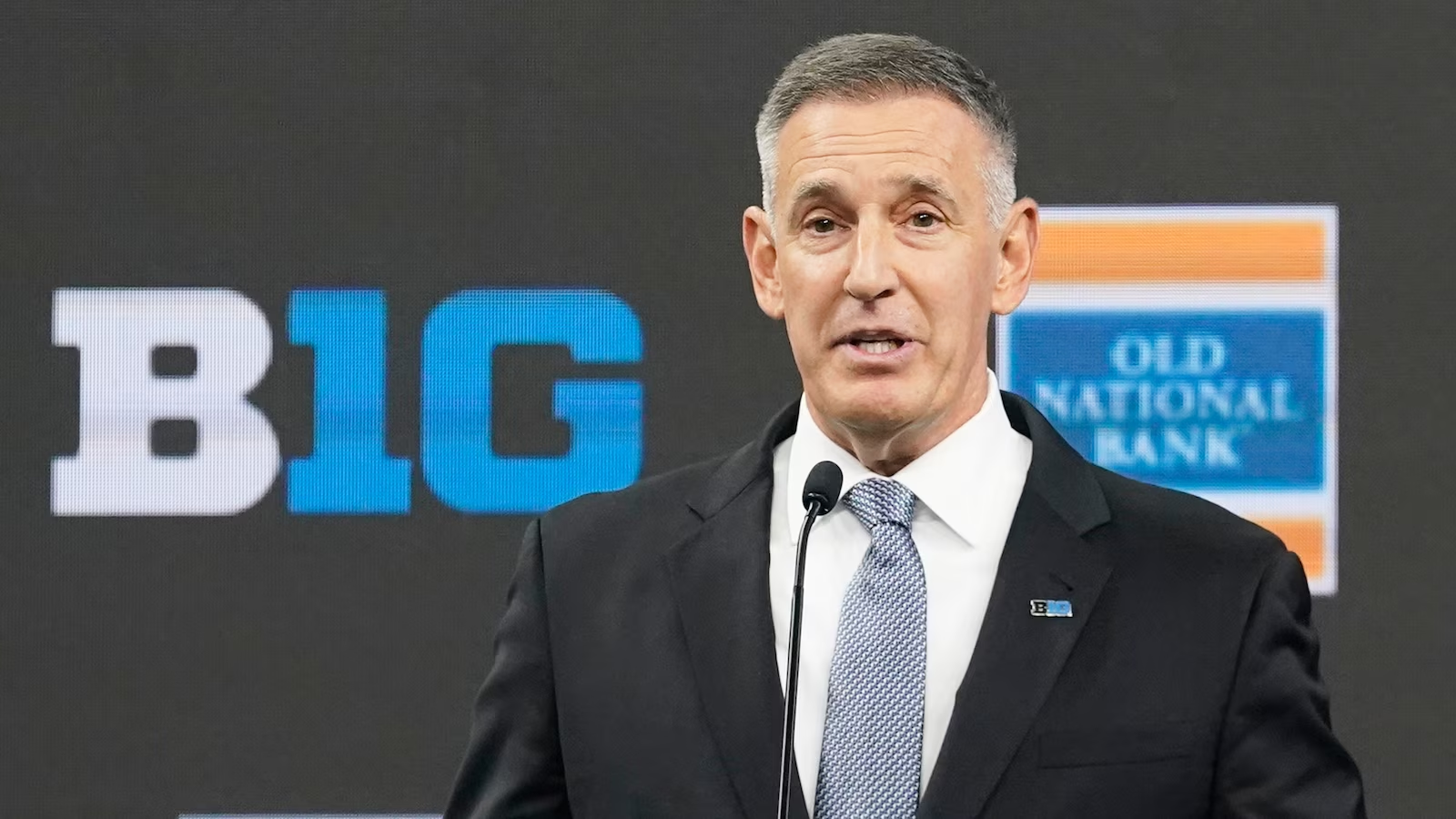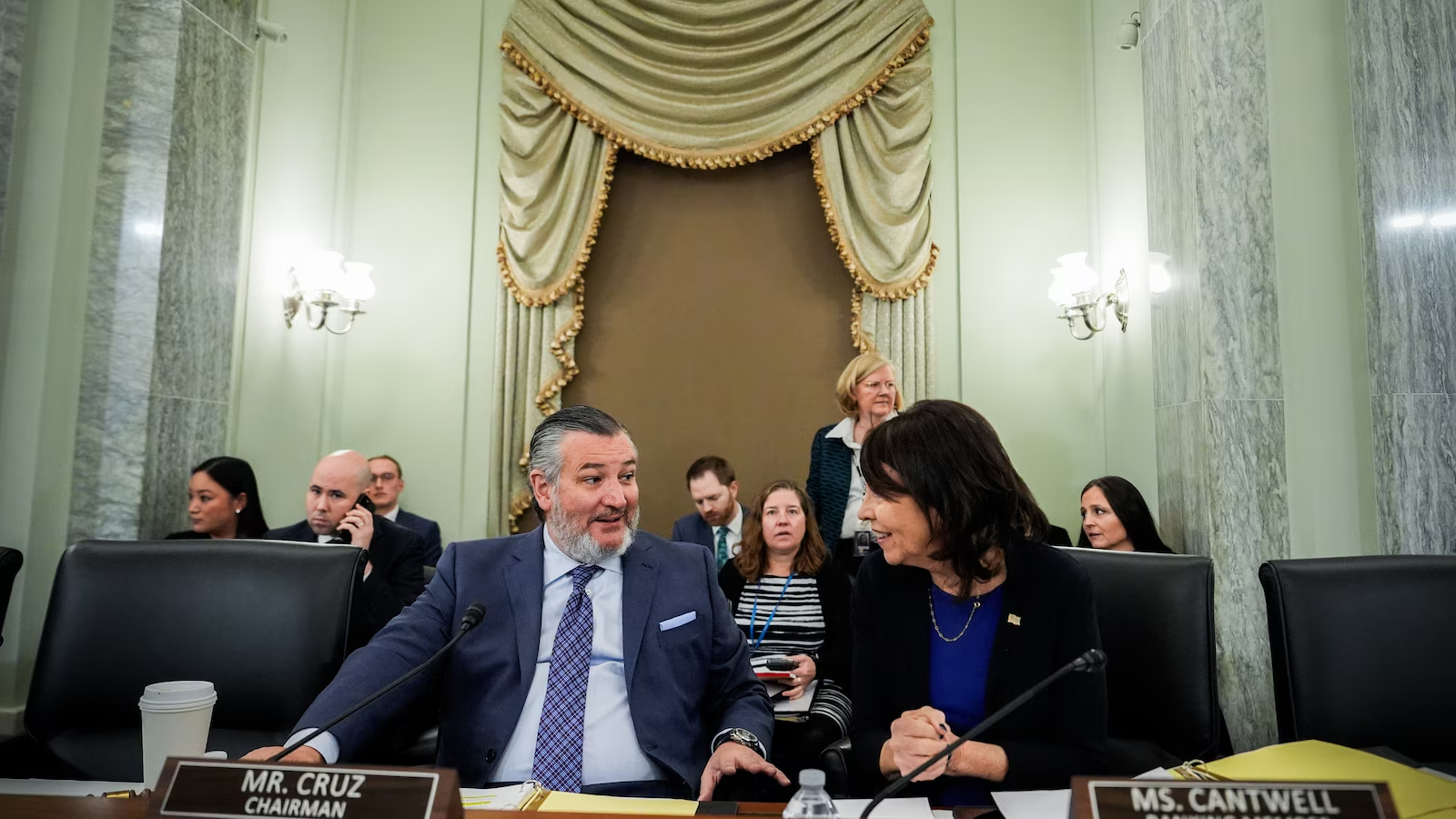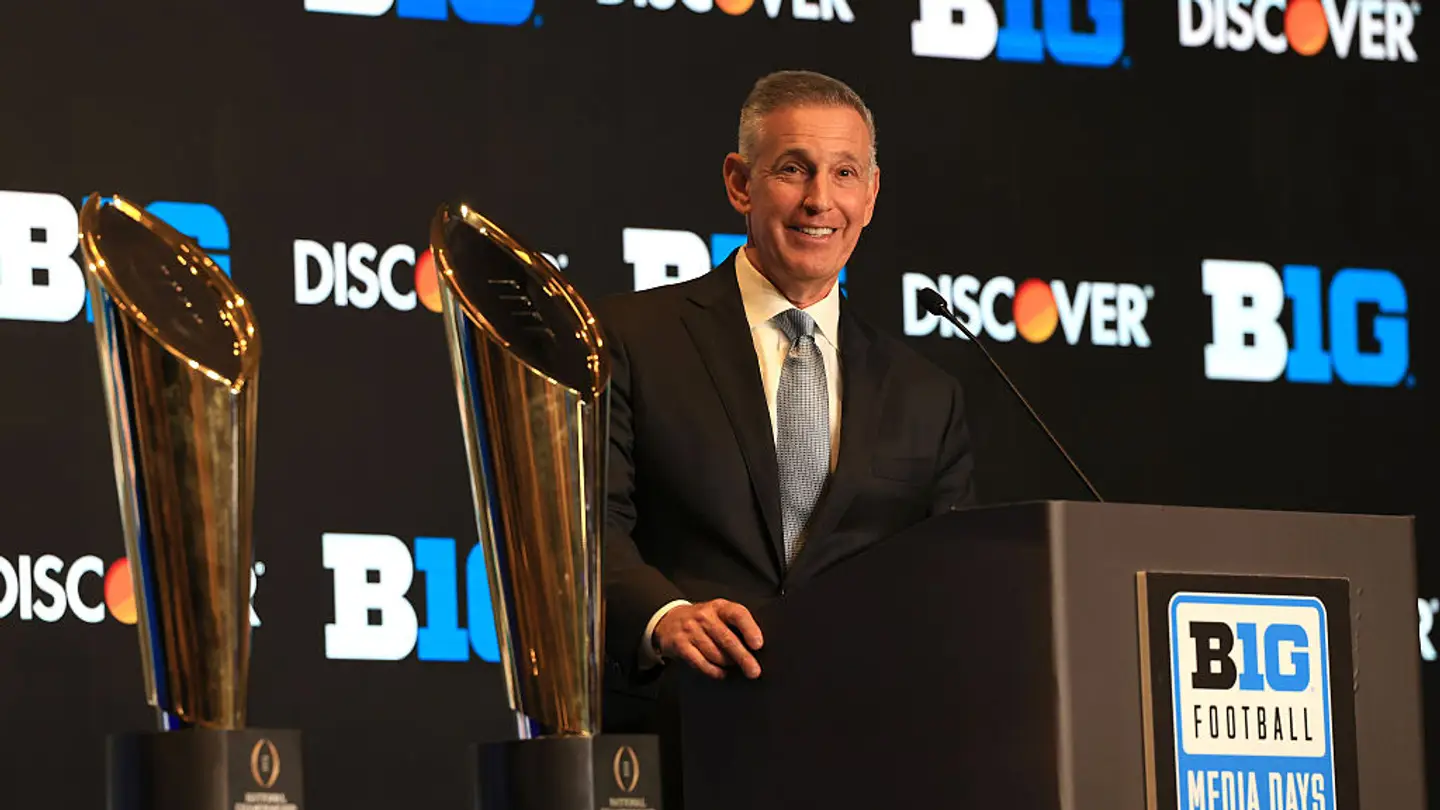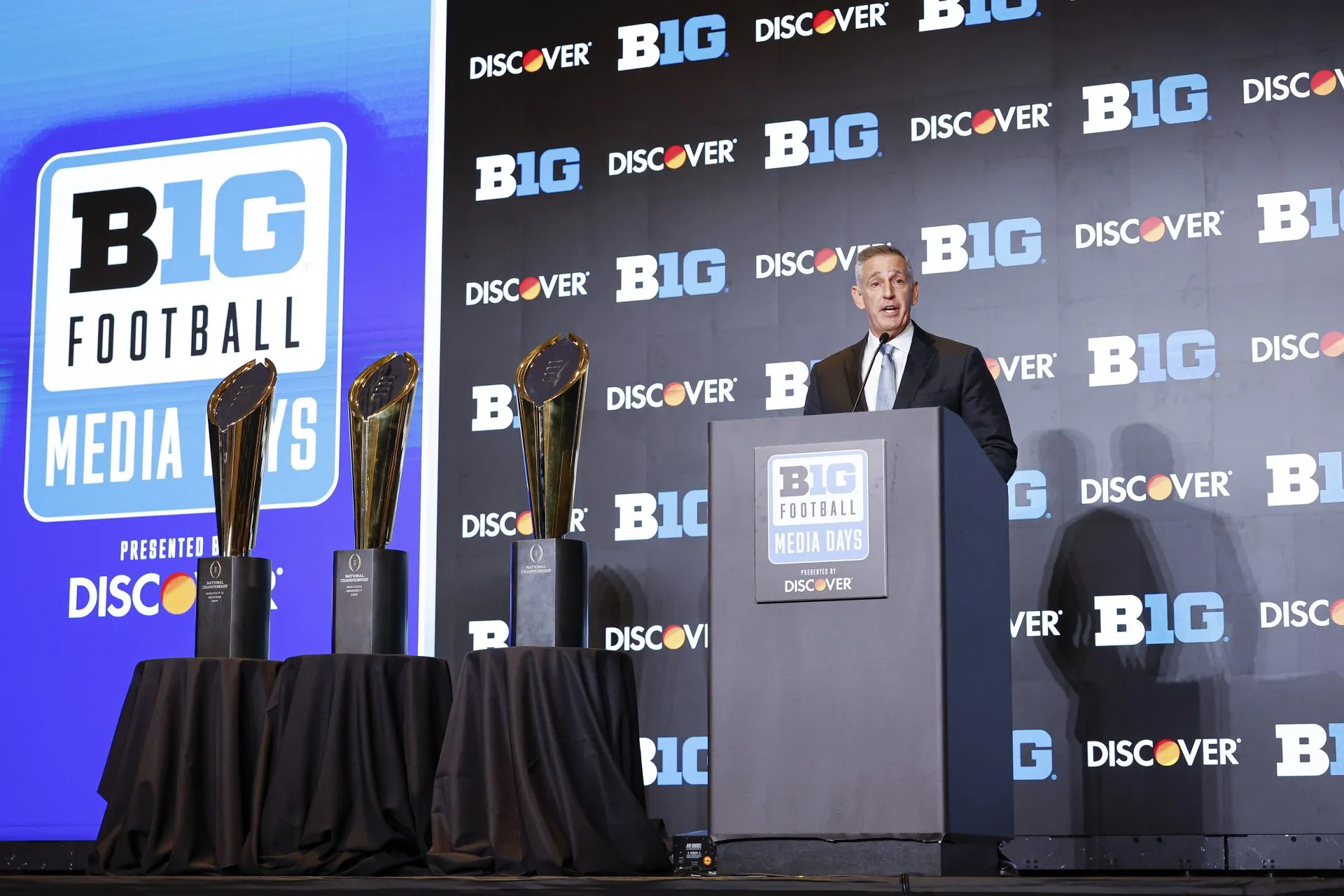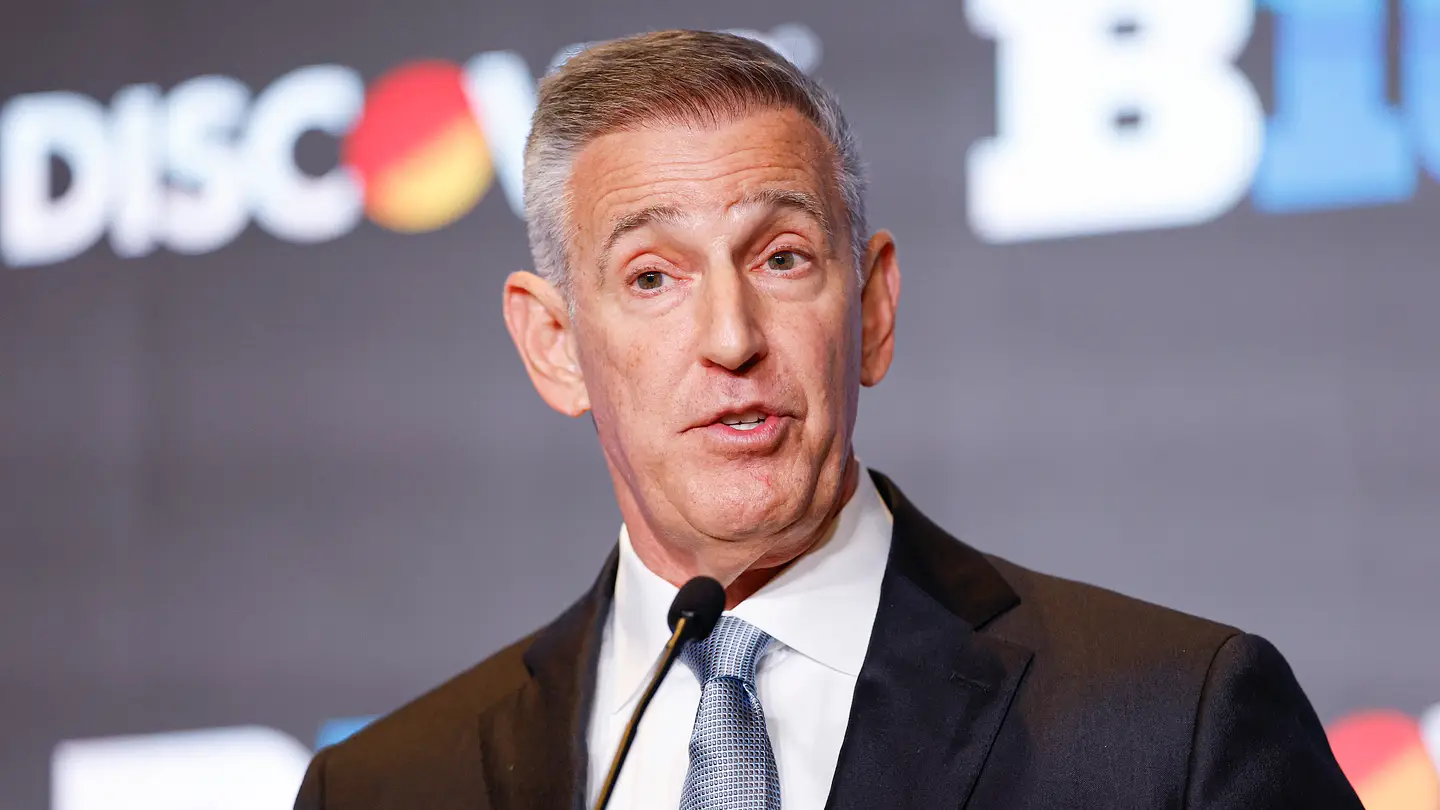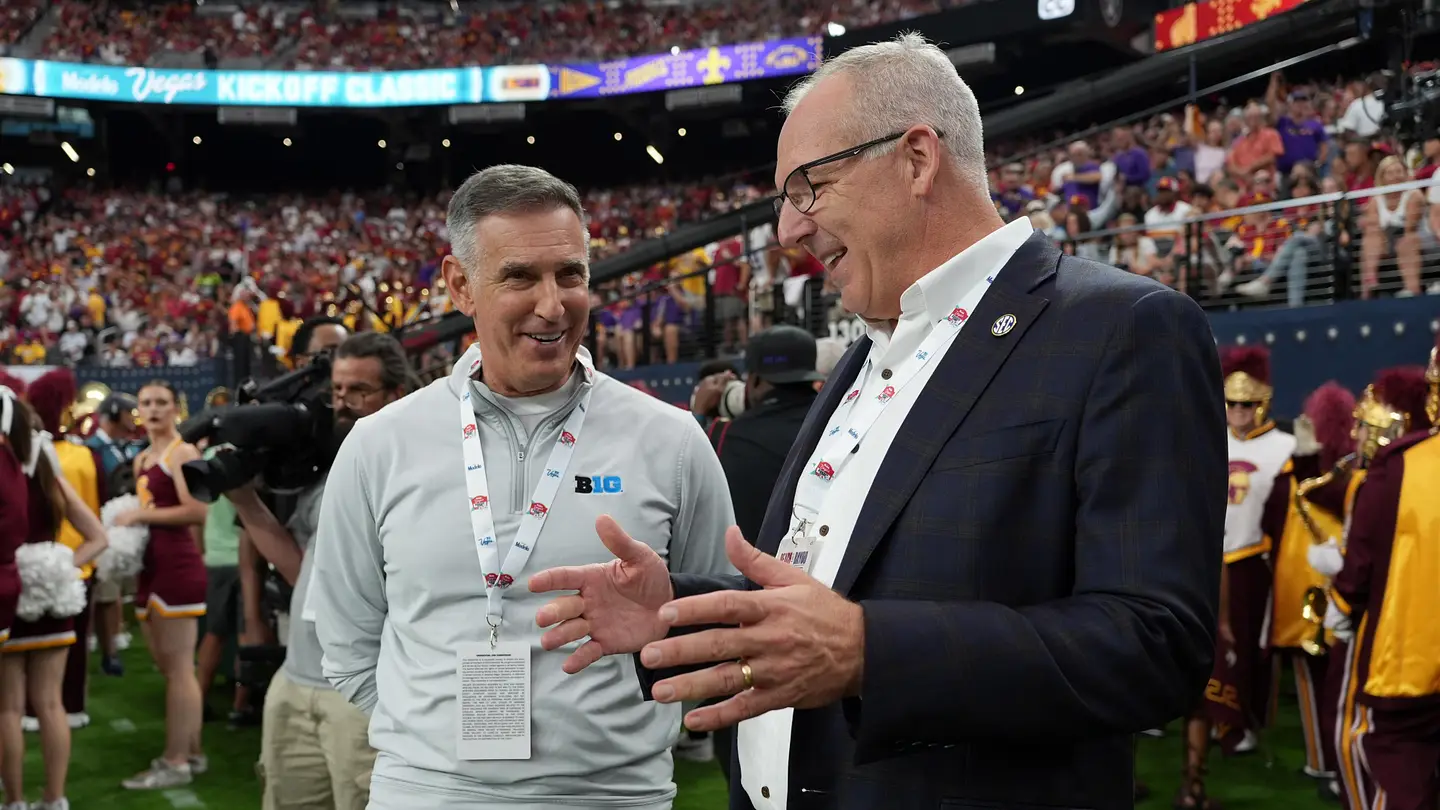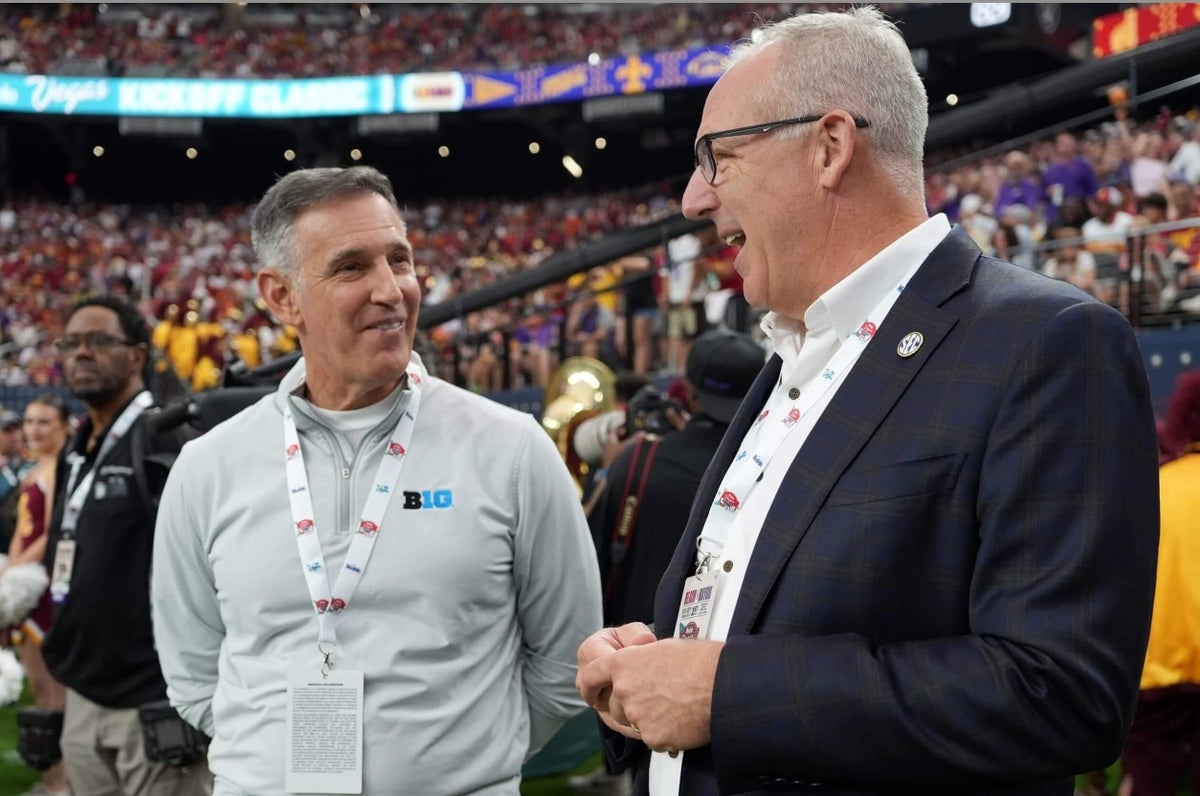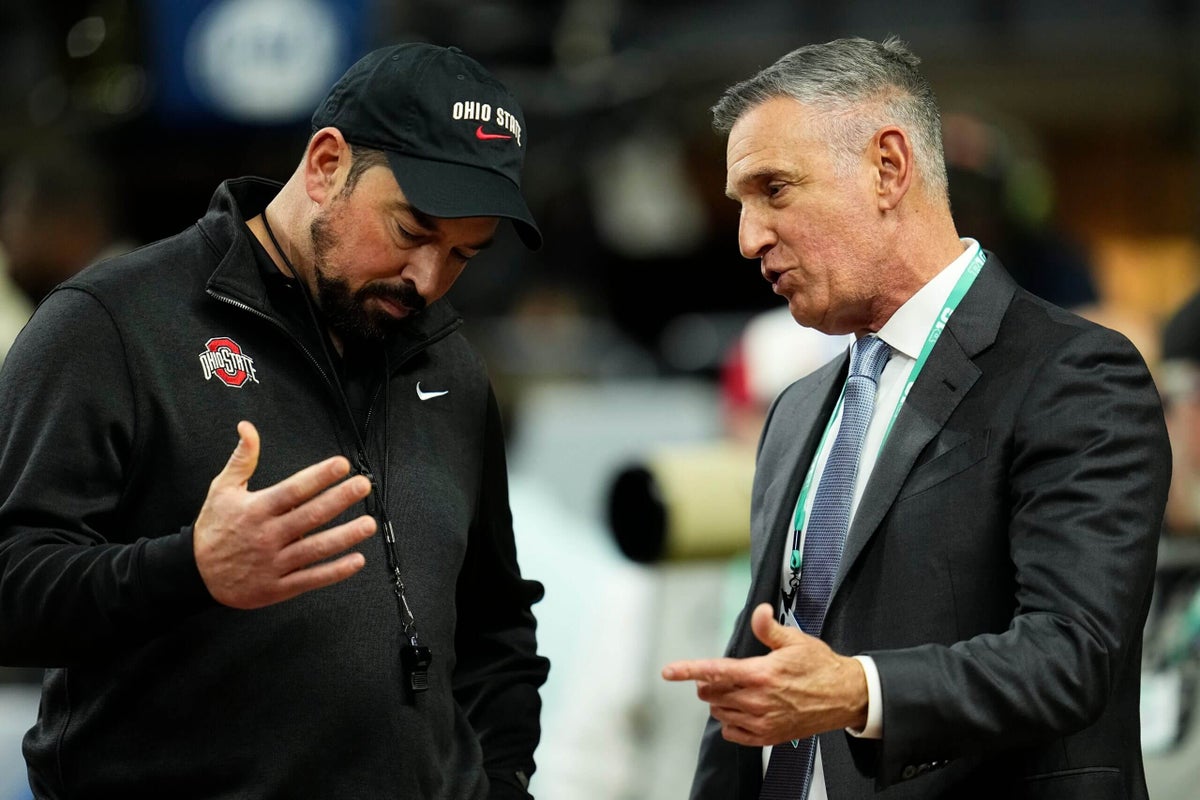
CHICAGO — Tony Petitti’s phone would not stop ringing.While coaches fielded questions in the main ballroom at Big Ten Media Days on Tuesday, the conference commissioner paced a quiet foyer deep within the Hilton Chicago, phone by ear. He had talked to SEC counterpart Greg Sankey five times that morning, and during a 20-minute interview, he paused for two calls and ignored two more.Why? He had just received a 111-page revised Senate bill, the Protect College Sports Act, and its authors, Sens. Ted Cruz (R-Texas) and Maria Cantwell (D-Wash.), had given Big Ten and SEC schools a 9 a.m. deadline the next day to give their approval. (That deadline was later lifted.) The sponsors are eager to get the bill to the floor for a vote before Congress breaks for a month-long recess.“We preferred a much skinnier bill than this bill,” Petitti said. “That is not the reality right now.”The Senators are trying to reach a compromise with the Big Ten and SEC on about 270 different passages in the bill, most of which would bore you to tears. But the biggest point of contention, according to a person involved in the discussions who spoke on the condition of anonymity because negotiations are ongoing, is the potential “salary cap.”All parties want one, including the ACC and Big 12. Stability, parity, blah, blah, blah. It’s just that the Big Ten and SEC want a higher cap than everyone else.“The market reset, right?” Petitti said. “… There are so many different competing pressures about how you build your roster. We’ve seen that now for a year.”I’ve been writing about the “Save College Sports” movement for five years. But listening to Petitti discuss what the parties are negotiating, I briefly felt my mind morph into a parallel existence where the topic was completely new to me.There was this other Stewart who said to me, “Wait … you’re saying the federal government is trying to regulate how much money Penn State can spend on its football roster?“Isn’t this … utterly bizarre?”To which the original Stewart replied, “Yes. Yes, it is.”“Like, how would that even work?” parallel Stewart asked.It’s unclear whether anyone knows.The next day, while talking with Ohio State athletic director Ross Bjork, I asked him if anyone had explained to him what would happen if, under this bill, Ohio State went over the revenue-sharing cap by $2 million? Would the university get fined by the federal government?“We haven’t gotten any clarity on that,” he said. “Does it go to some local federal prosecutor? We don’t know.”Fantastic.You may be familiar with the number $20.5 million. That’s the max schools could pay their athletes directly during the first year post-House settlement. (It goes up to $21.3 million in 2026-27.) A lot of smart administrators with good intentions somehow convinced themselves a year ago the dawn of rev-share would rein in roster cuts. Everyone agreed to follow the rules. No more name, image and likeness deals disguised as pay-for-play.You can guess how that went. The same people who spent years begging for “guardrails” blew right through them. Top-end rosters went from $20 million to $30 million last year to $40 million to $50 million this year. The schools devised ways to funnel third-party sponsorship and media dollars from their corporate partners into thousands of “above-the-cap” NIL deals, then got mad when the doomed-from-the-start College Sports Commission either denied them or never got to them.“Do I think the cap should be higher?” Ohio State coach Ryan Day said Wednesday. “Absolutely.”He might get his wish.The revised bill includes a new idea championed by Petitti: Separate rev-share caps for recruiting (the current $20 million-ish amount) and roster retention ($25 million, of which $5 million must be earmarked for women’s sports). That’s around $45 million combined, across all sports, a number only the very top-end schools exceed. The average P4 program may be closer to half that.Big Ten commissioner Tony Petitti says there are so many different competing pressures about how to build a football roster. (Kamil Krzaczynski / Imagn Images via Reuters Connect)“If there’s an economic incentive to leave,” said Petitti, “then how do you create a better economic incentive to stay?”Makes perfect sense, right? I only see a few slight problems with it.The soonest it could go into effect is 2027-28, by which time Ohio State, Texas, Oregon, etc., will probably be at $70 million to $80 million.The new floor would likely become $45 million, so the Wake Forests and Iowa States of the world will stretch far beyond their means to reach it.And federal law or not, when in the history of college football have coaches failed to find a loophole?“They would have to put something in there that they can truly police,” USC’s Lincoln Riley said. “… I don’t want to say it can’t (happen), but there’s a lot to figure out before it happens.”Riley mentioned how the NFL has no trouble enforcing its salary cap. Everyone follows it, knowing they’ll face severe penalties if they don’t. But of course, as Riley acknowledged, “they’ve got some other advantages, in terms of collective bargaining.”The only people “collectively bargaining” this Senate thing are commissioners and legislative aides. As of Wednesday night, they were still haggling over the fine print as to which sorts of payments do or do not count against the cap. One or both sides could walk away at any moment, at which point the whole bill goes on life support.I don’t envy Petitti and Sankey on this one. All their members ever wanted was for Congress to give them and/or the NCAA the authority to set rules around the eligibility, the portal, etc., without getting sued to oblivion. They went to the mat for the SCORE Act, which would have done just that.Instead, they got a pair of Senators who want to harness the power of the federal government to dictate how much money Day and Riley can spend on a defensive end.I take it back, parallel Stew. “Bizarre” might be underselling this thing.
The Big Ten and SEC don’t agree on much. Fighting the Senate, they do
The Big Ten and SEC have been at odds over the Playoff format, but they're now on the same side about enforcing a salary cap.
999 words~5 min read