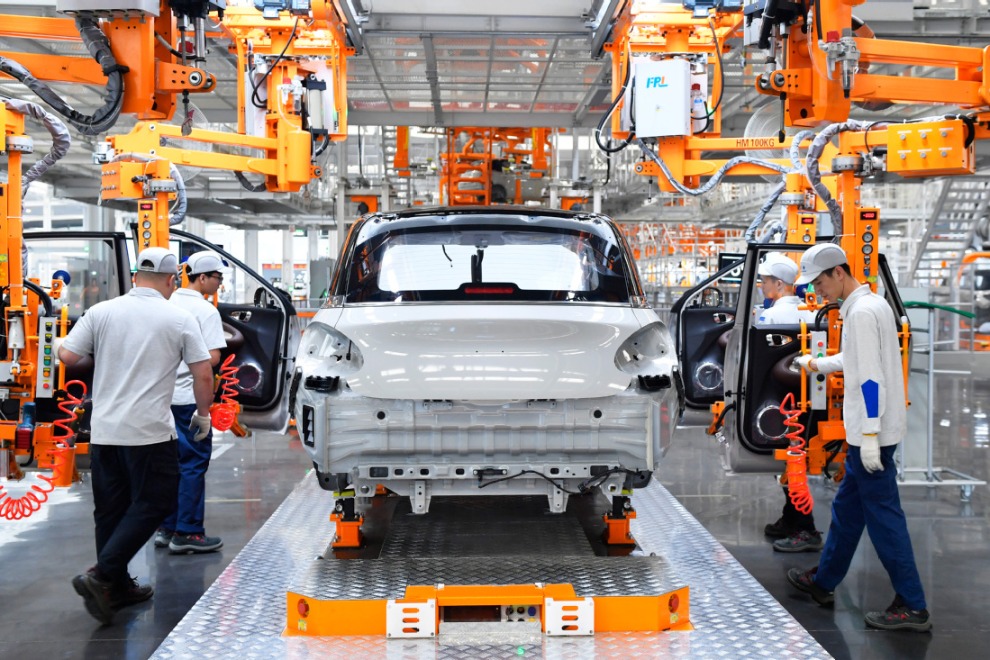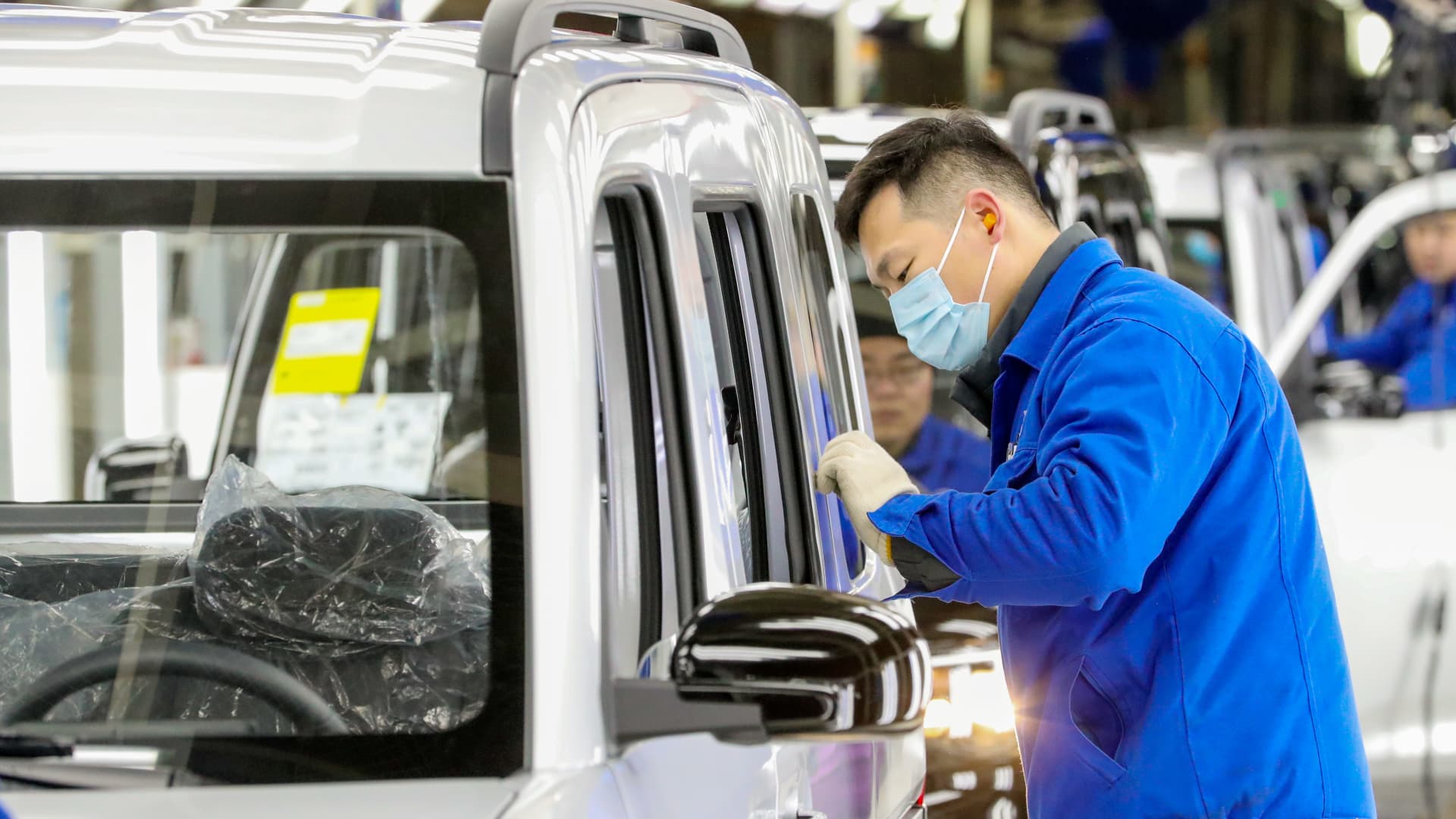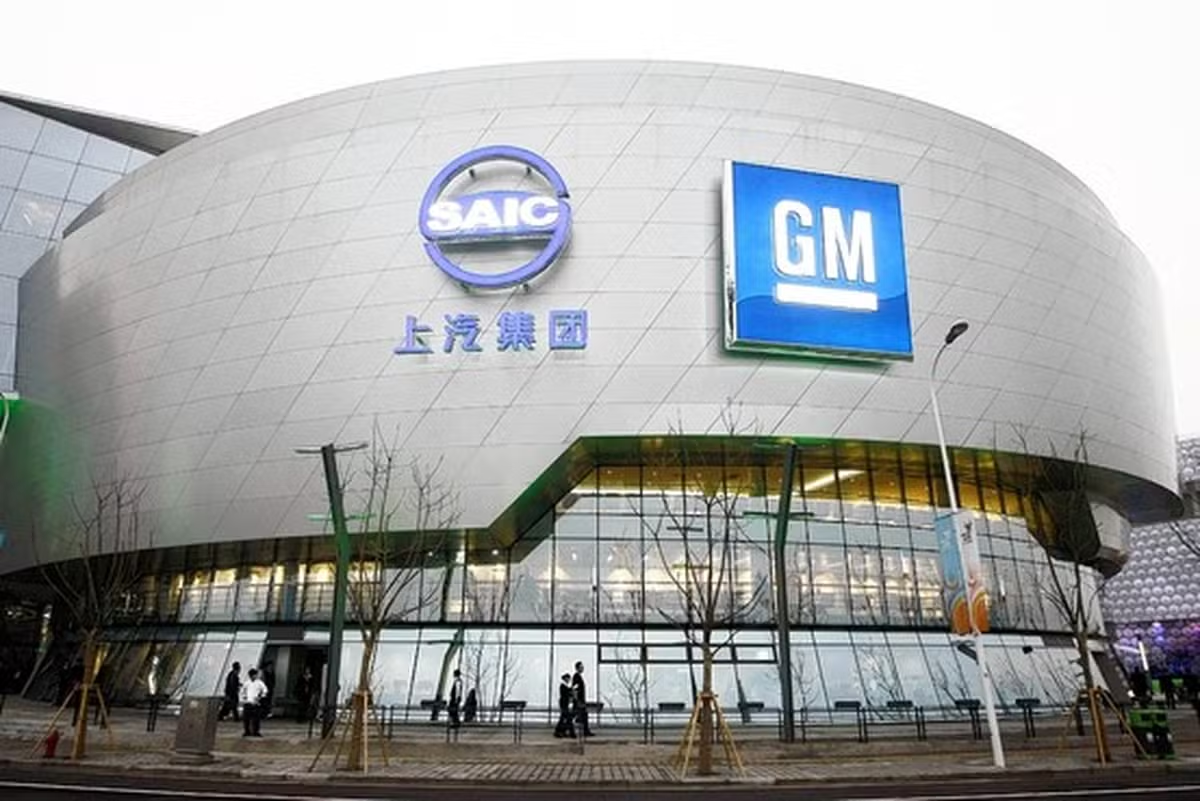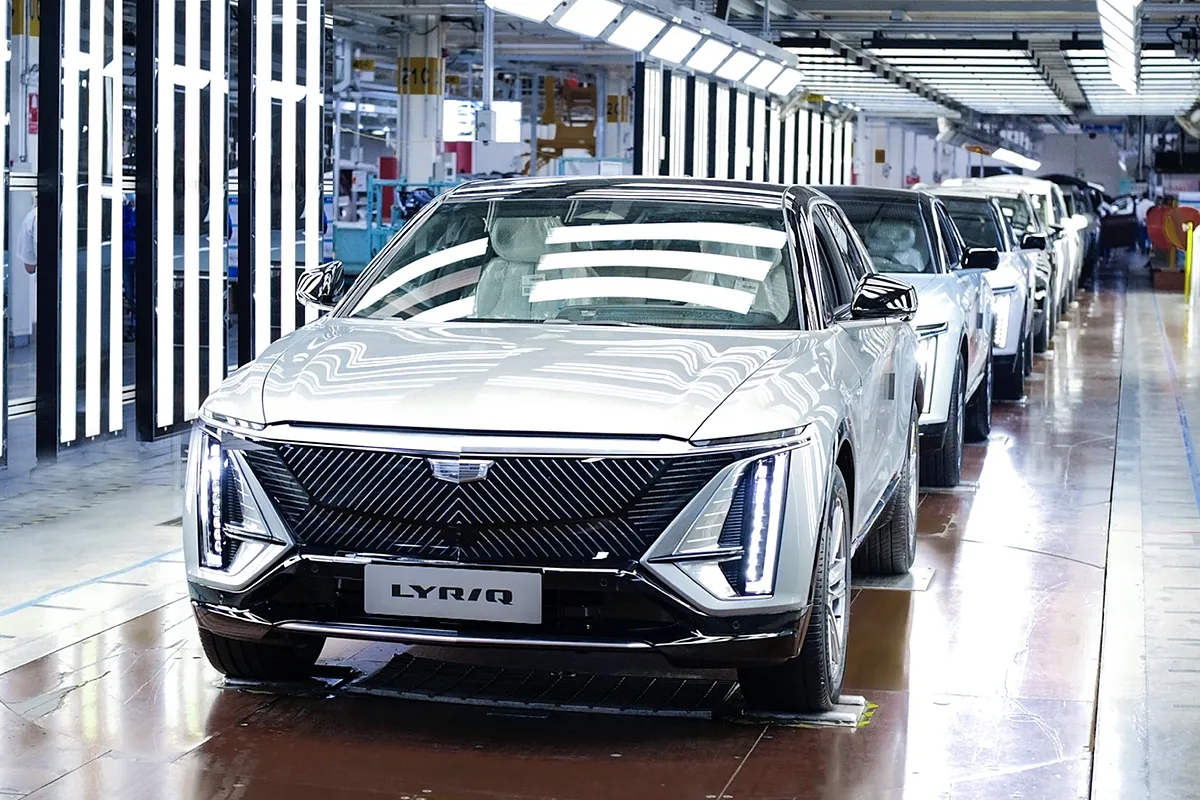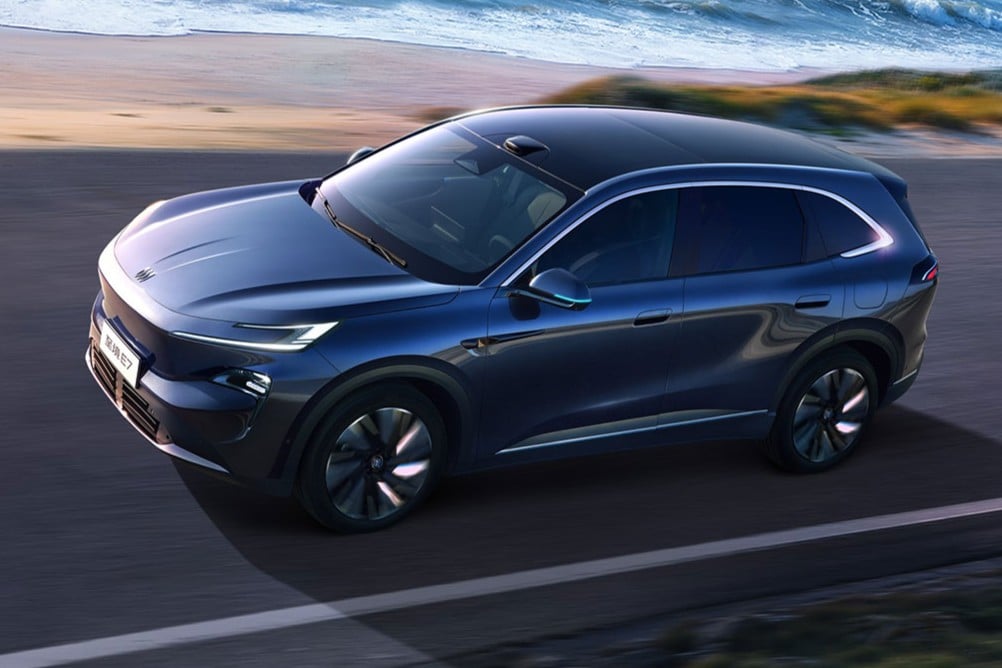
The contract extension builds on a partnership that began in June 1997. Following a comprehensive restructuring—which included a $6 billion write-down by GM in January 2026 and several years of declining sales—the joint venture is intended to return to a more stable footing. The partners plan to strengthen cooperation by pooling resources across research and development, supply chains and international markets.
The joint venture’s future strategy centres on electrification and greater integration of local capabilities. It already relies on the Pan Asia Technical Automotive Centre (PATAC) in Shanghai for vehicle development in China and introduced its Xiao Yao Super Hybrid and Electric Architecture in 2025. By 2030, SAIC-GM plans to launch at least 30 new New Energy Vehicles (NEVs) across the Buick and Cadillac brands. In China, the term NEV covers battery-electric vehicles, plug-in hybrids and range-extended electric vehicles.
In addition to serving the Chinese market, SAIC-GM is repositioning its Chinese operations as an export hub. The joint venture plans to supply vehicles to the Middle East, South America, Mexico, as well as markets in Africa and Asia. Exports to the United States are not planned, however, partly due to the US ban on imports of connected vehicles from China.