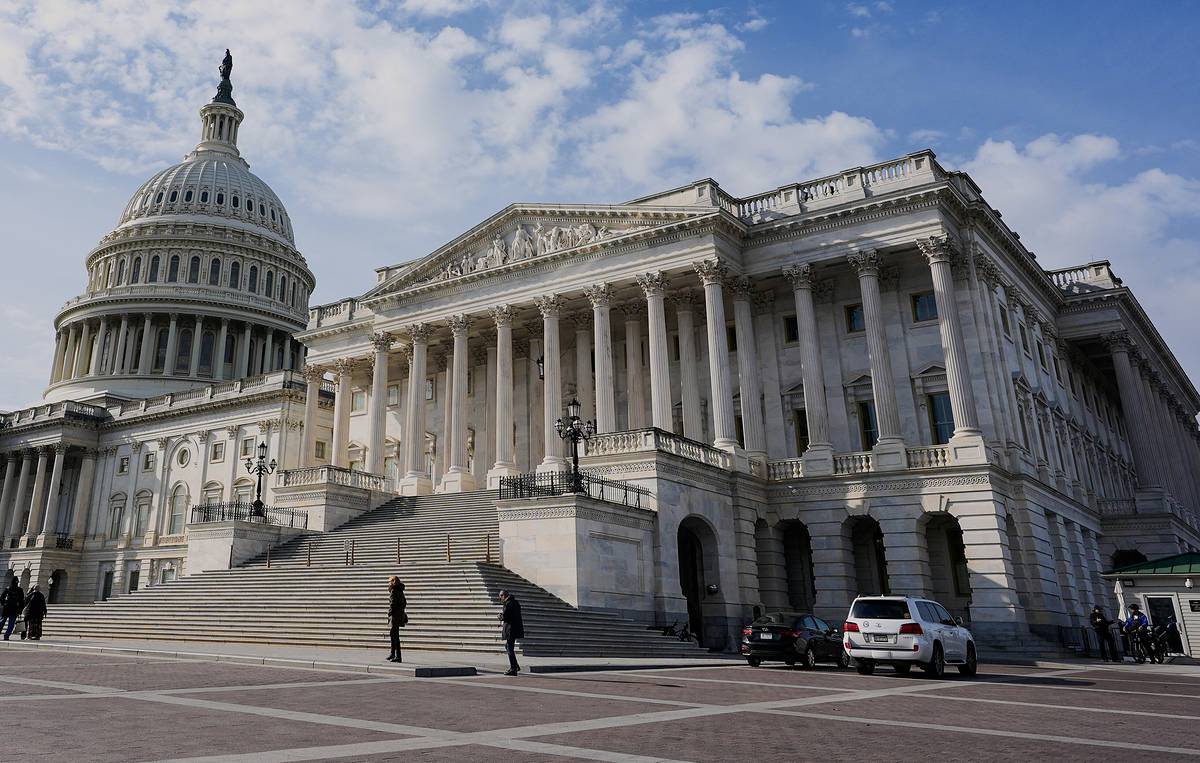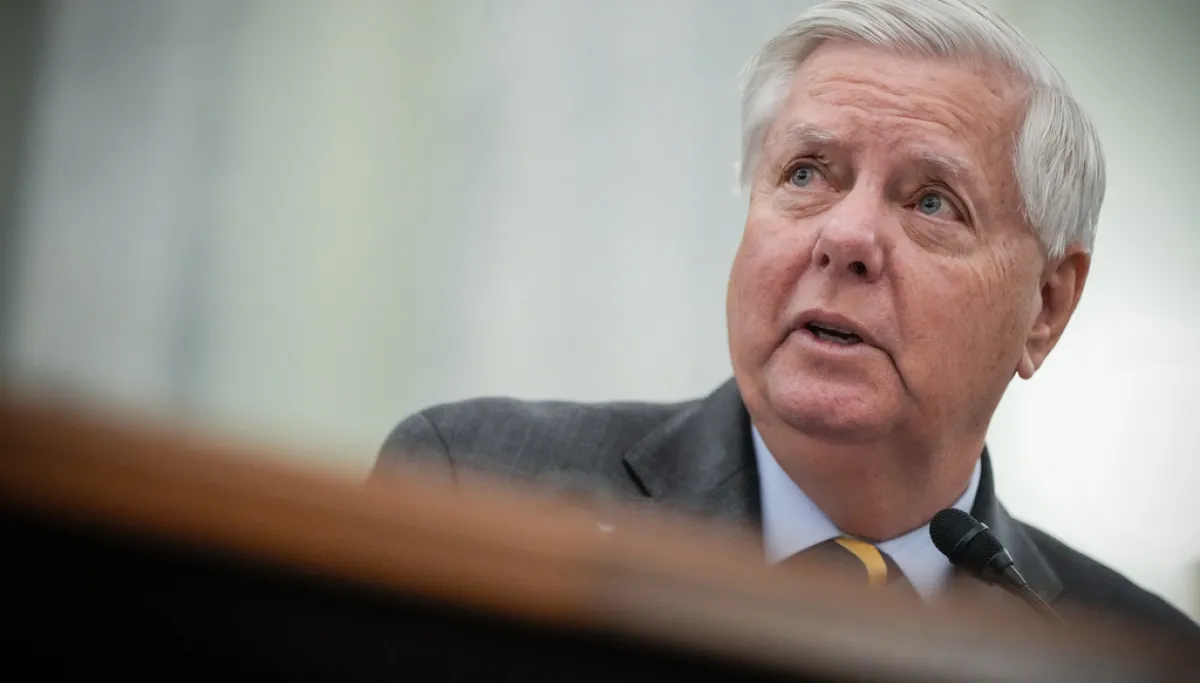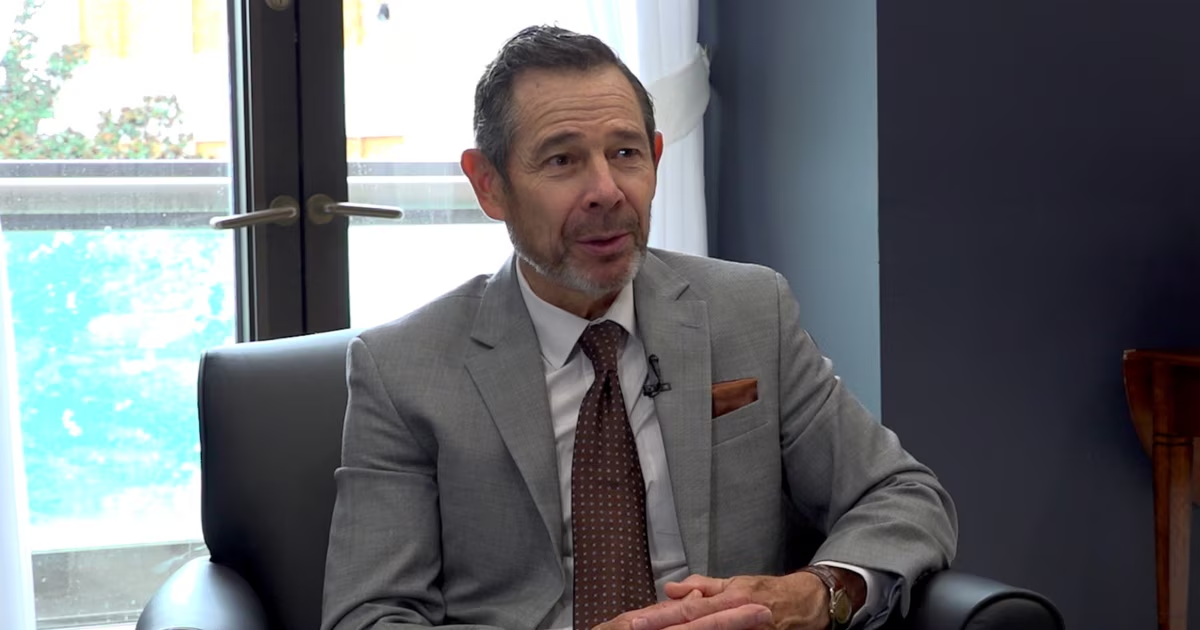
WASHINGTON -- A bipartisan coalition in the US Senate is working to keep momentum behind a sweeping sanctions package targeting Russia and Iran, with lawmakers from both parties arguing that the legislation would send a broader message about American resolve against authoritarian powers.Republican Senator John Curtis of Utah, a member of the Senate Foreign Relations Committee, the unusually broad support for the measure reflects a growing recognition in Congress that Russia's war against Ukraine is not simply a regional conflict but a test of the international order.The Senate advanced the Sanctioning Russia and Iran Act in a key procedural vote last week, with Curtis serving in the presiding chair during the vote. Speaking with RFE/RL on August 5, he said the level of bipartisan backing was significant."It's not very often that you see things here in the Senate that are that overwhelmingly bipartisan," Curtis said. "And when you see that many of my colleagues on both sides come together, you should pay attention because that means we're serious and something's going to happen."
The legislation would impose sweeping sanctions on Russia's financial and energy sectors, target Moscow's shadow fleet used to evade sanctions, and expand sanctions authorities related to Iran. It also includes provisions allowing the president to impose tariffs on countries that continue purchasing Russian oil and gas.Curtis said he expects the bill to move forward despite the Senate's unpredictable schedule."There's some hope that it will actually happen this week," he said. "I'm not overly worried about whether it's this week or in the coming weeks. As you know, things here in the Senate have a little bit of a life of their own, and you can't force things, and so I think we'll get it across. It's just a matter of how soon."Ukraine War A Test Beyond EuropeCurtis argued that allowing Russia to prevail in Ukraine would have consequences far beyond Kyiv and Moscow, particularly in shaping China's calculations over Taiwan."From my perspective, from the beginning, this has been a war that it's not acceptable to let Russia win," Curtis said. "Thank goodness they're not. But we want to emphasize our point that we stand with freedom. We stand with Ukraine, and we can't tolerate a dictator invading a friendly nation."Asked what victory would mean for Ukraine, Curtis pointed to Ukrainian President Volodymyr Zelenskyy's own definition of survival against Russian aggression."If you ask President Zelenskyy, victory simply means they didn't lose today, and they don't lose tomorrow, and they don't lose the day after that," Curtis said.