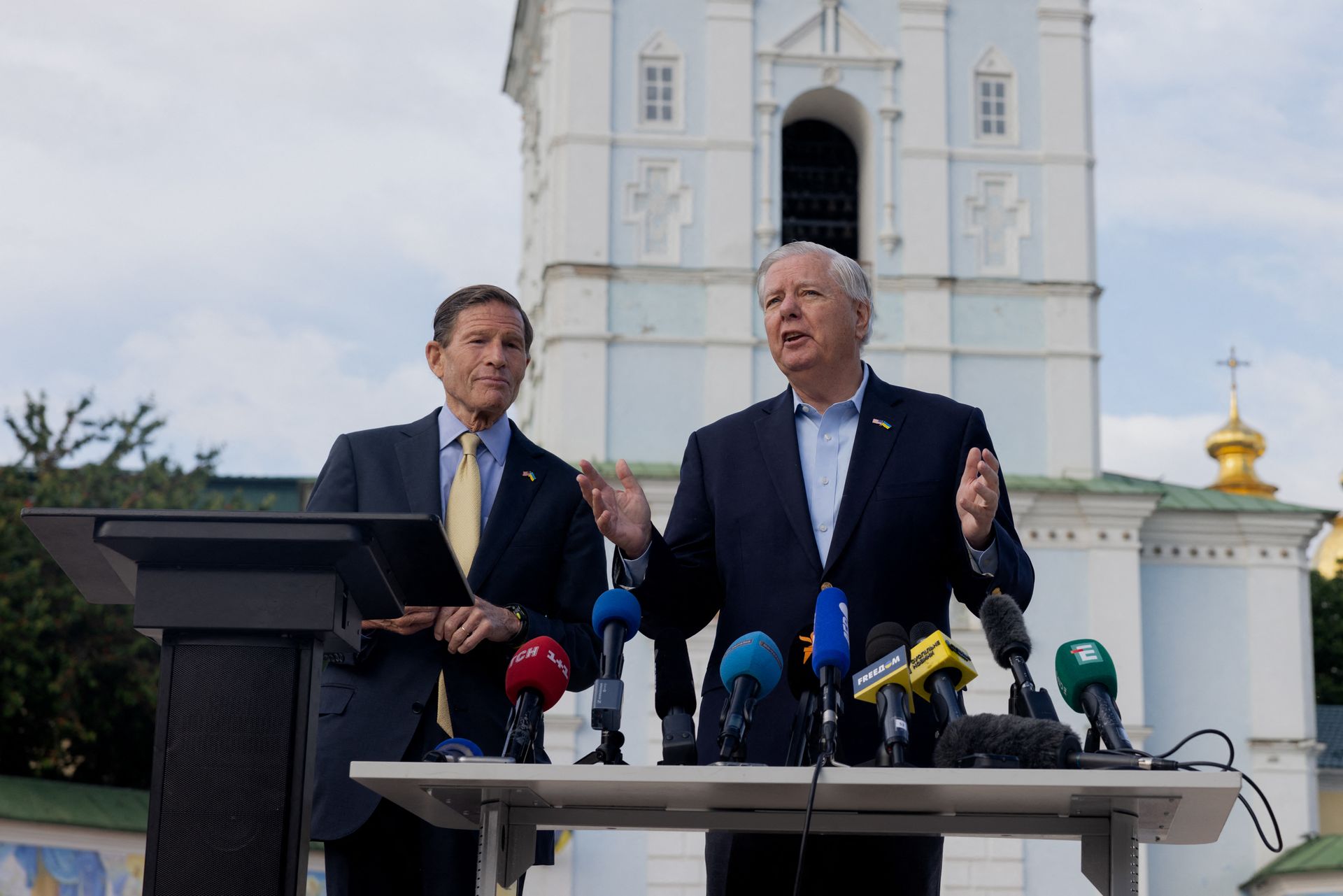
Four U.S. senators walked into a room with competing political priorities and walked out with something Washington rarely produces: an agreement. On July 10, a bipartisan coalition announced a breakthrough on legislation designed to dramatically expand sanctions pressure on Russia, including the threat of tariffs as high as 500% on any country that continues buying Russian oil, gas, or uranium.
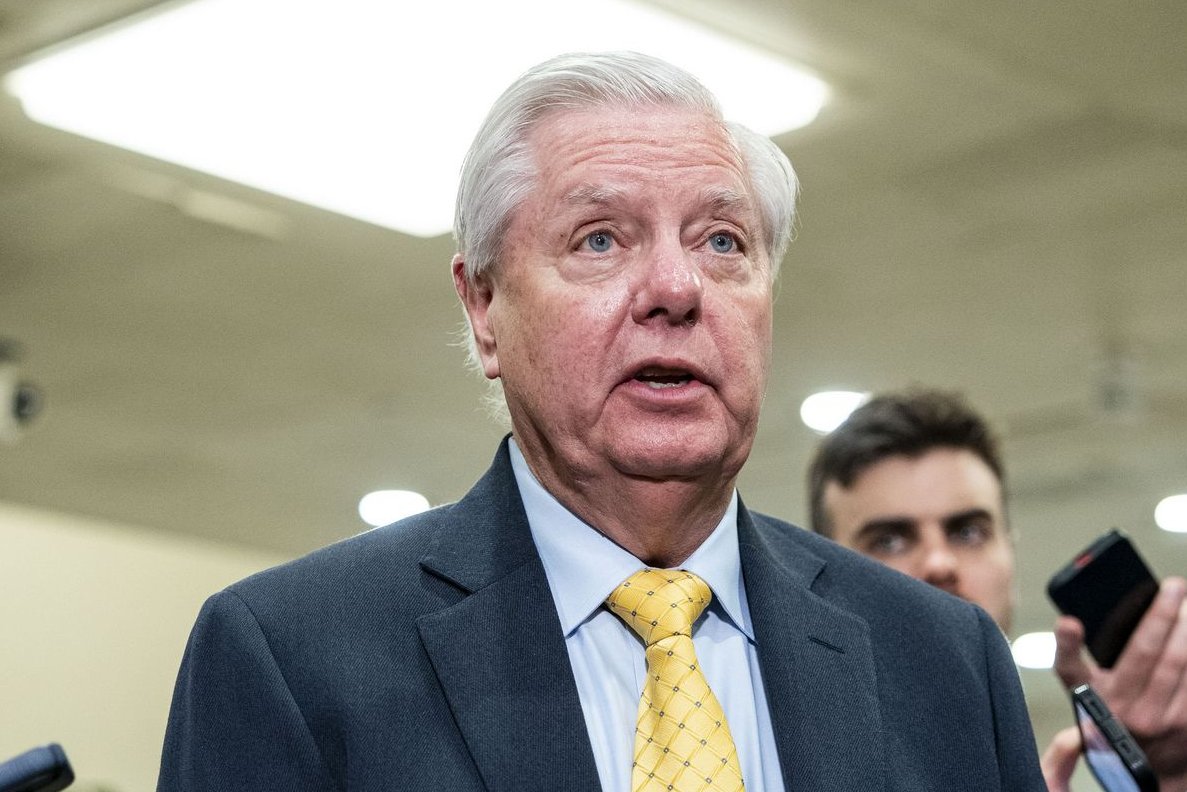
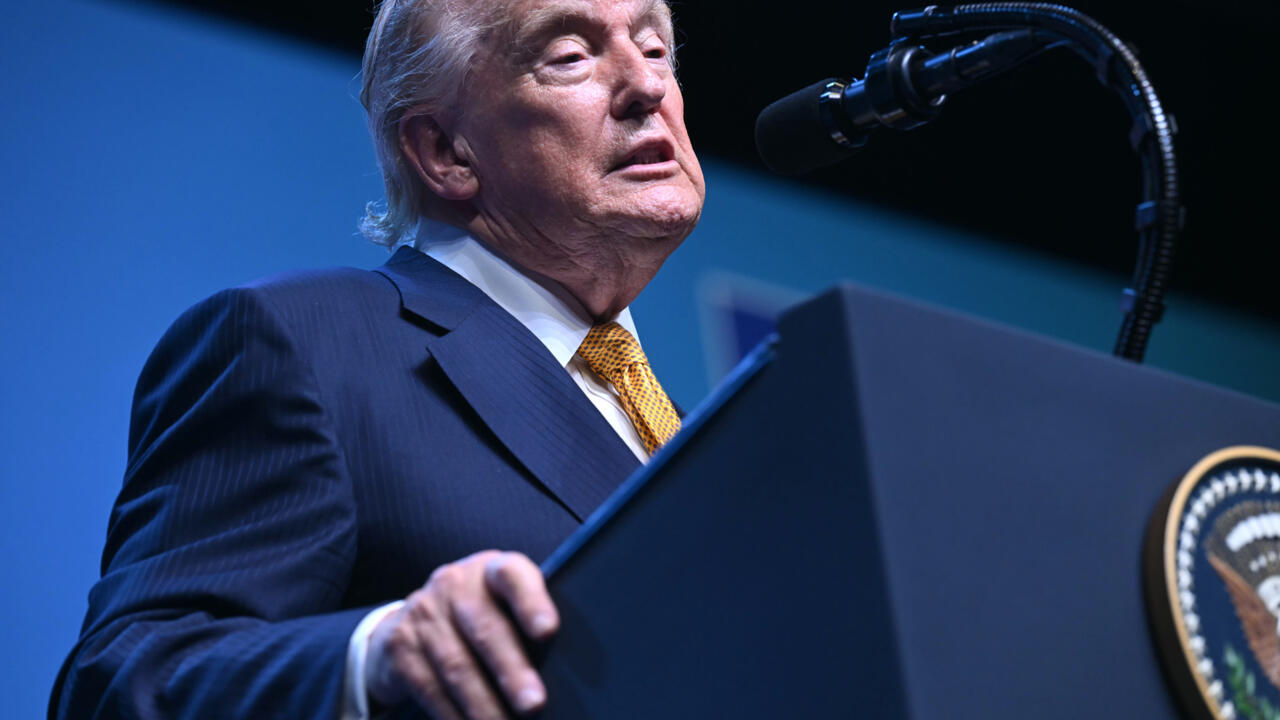
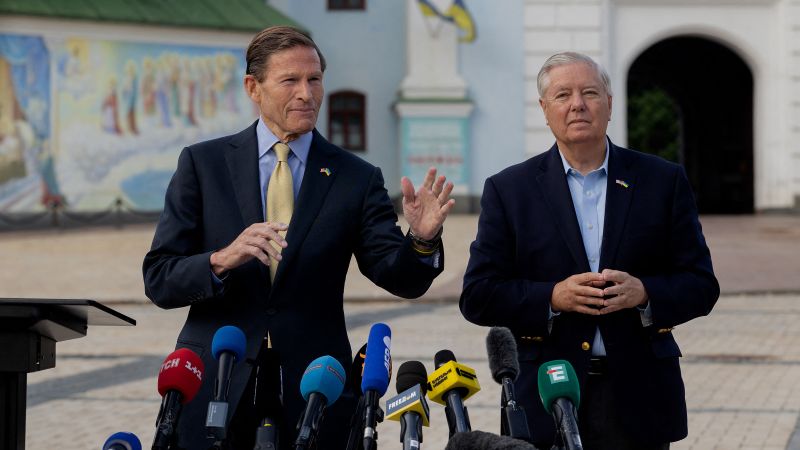
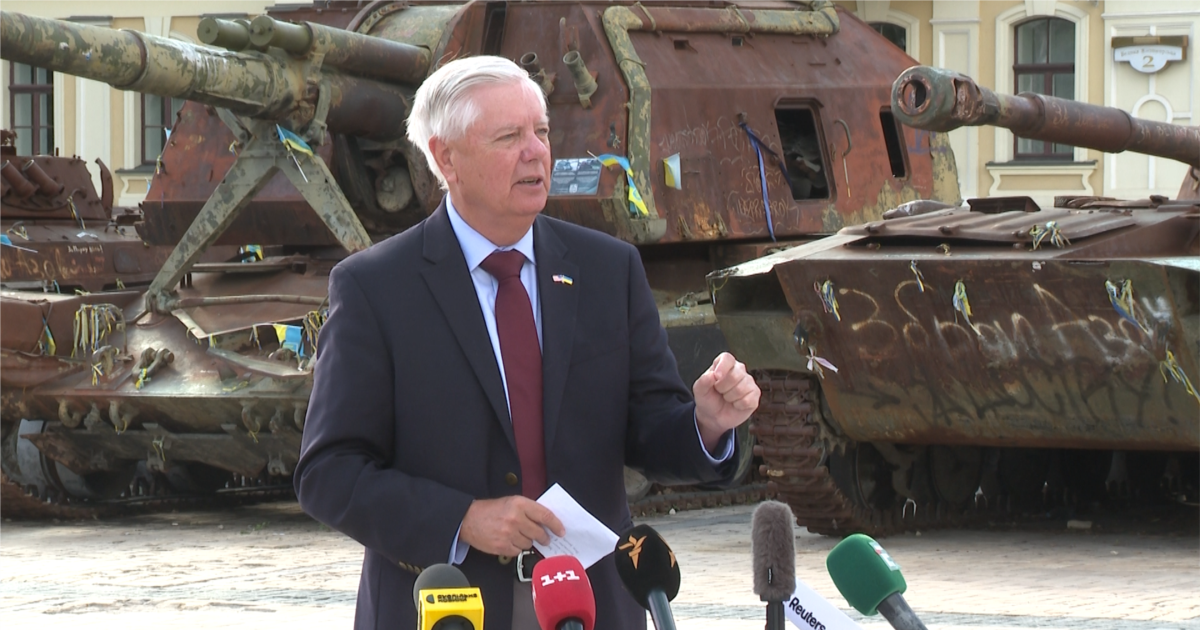
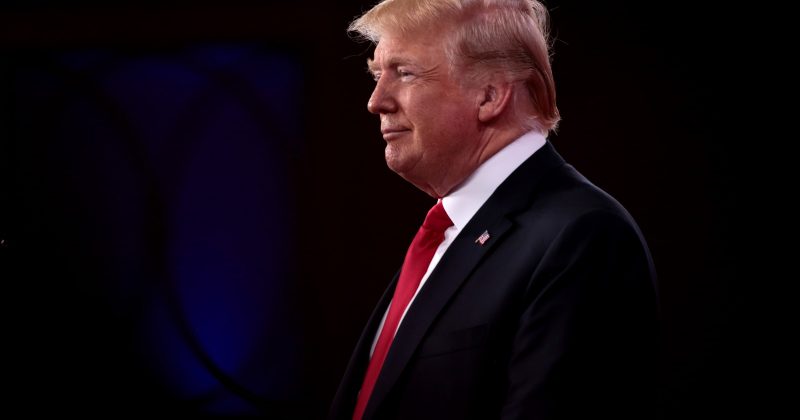
The deal involves Senators Lindsey Graham (R-SC), Roger Wicker (R-MS), Richard Blumenthal (D-CT), and Jeanne Shaheen (D-NH), and it comes with the backing of the Trump administration. That last part is significant. Previous bipartisan efforts to tighten the screws on Moscow had stalled partly because of friction with the White House over its own diplomatic negotiations with Russia.
What the bill actually does
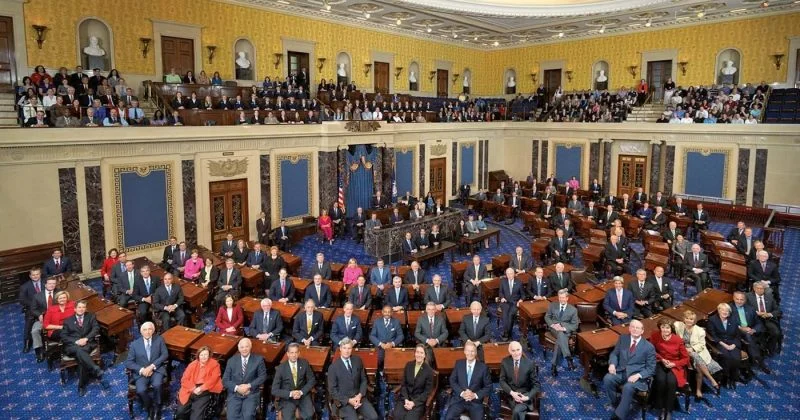
The legislation in question is the Sanctioning Russia Act of 2025, introduced as Senate Bill 1241 on April 1, 2025. It already has over 80 Senate co-sponsors, which is a remarkable number for any piece of legislation, let alone one navigating the minefield of U.S.-Russia relations.
The bill would give the president authority to impose blocking sanctions, the financial equivalent of locking someone out of the global banking system. It also enables secondary sanctions: countries that keep buying Russian energy could face tariffs of up to 500% on their goods entering the United States if Russia fails to comply with peace negotiations or violates any treaty obligations.