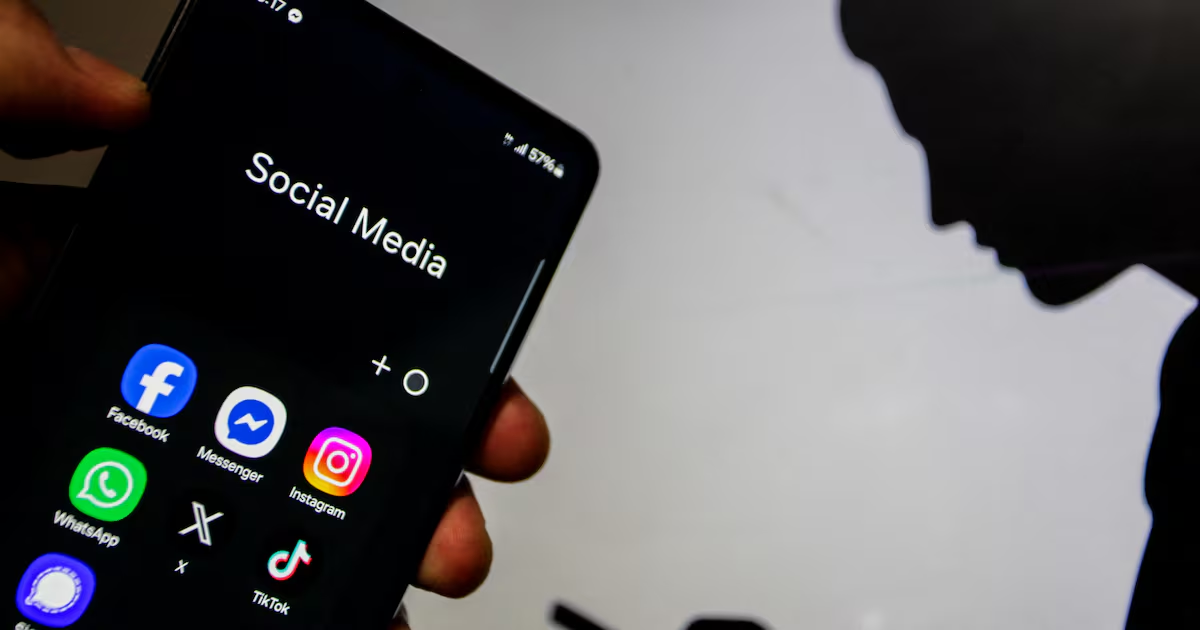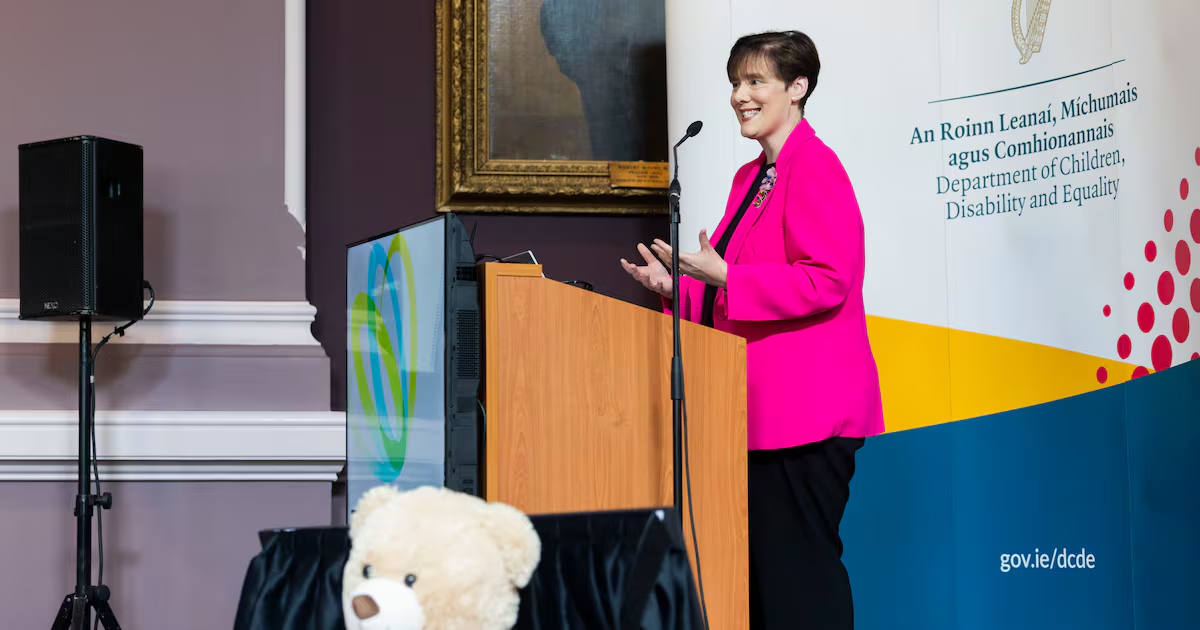
“Tradwife” influencers and other online trends seen as pressuring women into “particular care roles” are to be challenged as part of a Government-funded awareness campaign. A new national strategy for women and girls warns about the misogyny of the “manosphere” and “tradwife” influencers who “promote restrictive, stereotypical roles for women and girls”.Tradwife influencers have grown in popularity in recent years and often promote traditional gender roles for women as homemakers and carers. “Manosphere” influencers are male content creators who often promote misogynistic language and attitudes towards women. The Department of Children and Equality yesterday published an action plan explaining how the Government will roll out initiatives to improve gender equality up to 2028. The Government plans to “challenge trends where women can be pressurised, particularly by online messaging, into particular care roles”. This will include a “public awareness campaign” to run next year on shared caring responsibilities between men and women. The strategy says “patriarchal norms, often focused on men as decision-makers and breadwinners and on women as carers, uphold harmful stereotypes and limit life opportunities, preventing women from pursuing particular career paths and economic opportunities and inhibiting men’s likelihood of engaging in caring roles for their children or dependents”.It raises concerns about the emergence online of “anti-gender equality movements” and a notable rise in hate speech “by male influencers who propagate misogynistic views in an online realm colloquially referred to as the ‘manosphere’”.[ The dark side of the tradwife trend that sees women return to ‘domestic bliss’Opens in new window ]“By consuming such hateful rhetoric and misinformation, young men and boys are increasingly at risk of being indoctrinated into ideologies that do not accept gender equality and instead seek to normalise discrimination and violence against women,” the document says. “Other online influencers, colloquially referred to as ‘tradwife’ influencers, many of whom are women, seek to promote restrictive, stereotypical roles for women and girls.” The department said the public information campaign will “bring a much-needed focus on sharing unpaid caring responsibilities between women and men” and seeks to “challenge any harmful stereotypes in this area”. “It will include information on the various family leave that are available to support women and men in sharing caring responsibilities. It will encompass family and non-family situations where care is provided.”The Department of Education will also encourage youth services “to provide training in digital literacy to their members, in particular in the identification of disinformation and misinformation online”. Schools will also be encouraged to review uniforms under a plan to “provide gender equality education and education environments that directly counter patriarchal gender norms, including restrictive masculinities”. [ What is the manosphere and why is everyone talking about it?Opens in new window ]Schools will be encouraged to make school uniforms more affordable, comfortable and sustainable.The same action plan commits to a new pay-related parents’ benefit and initiatives to support female participation in local politics. Cuan, the State agency that tackles domestic, sexual and gender-based violence, will also be tasked with leading more public awareness campaigns designed to prevent and reduce violence against women and girls.
New public information campaign warns of the terms ‘tradwife’ and ‘manosphere’
Government-funded strategy takes aim at stereotypical gender roles promoted by influencers
510 words~2 min read