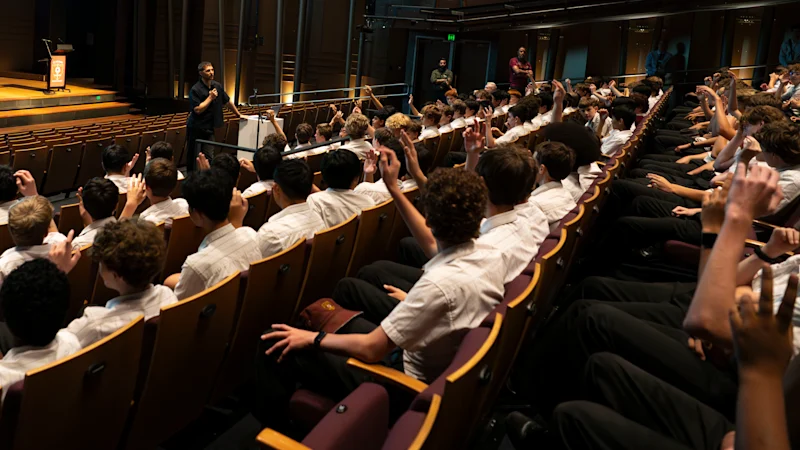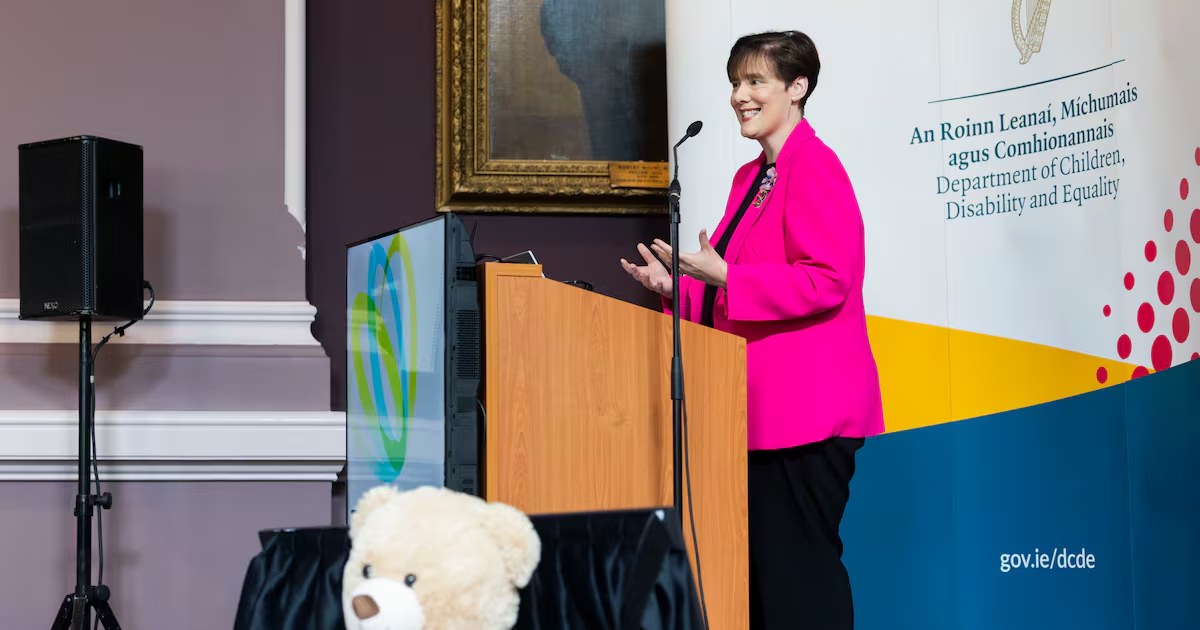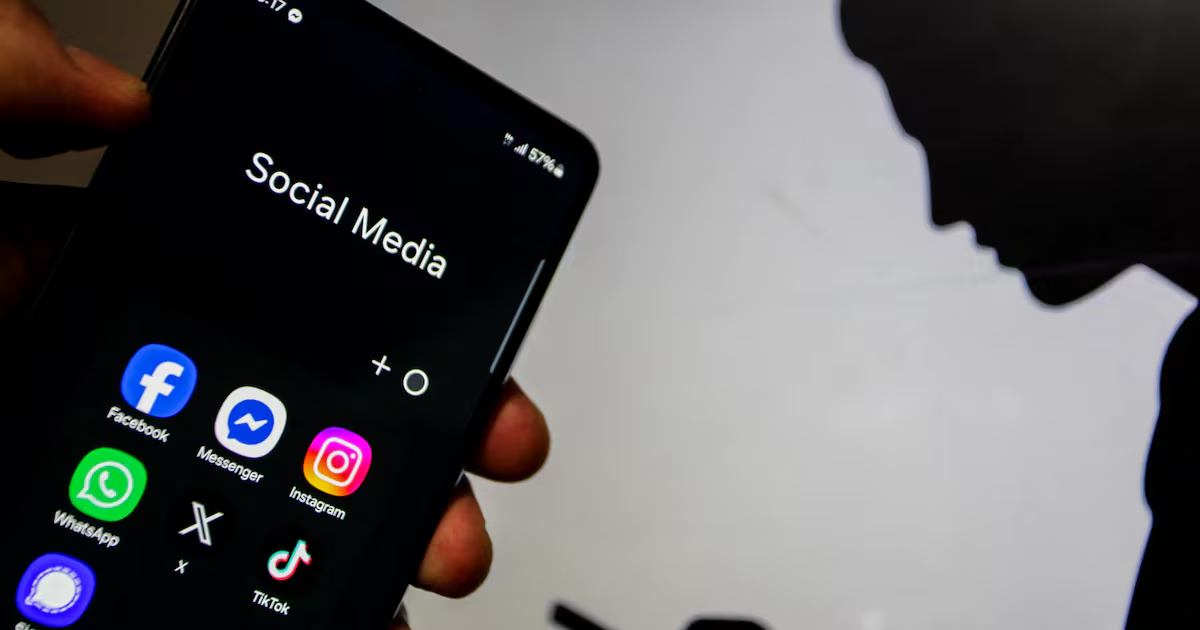
Government plans to tackle online narratives pushed by the “manosphere” are welcome but “long overdue”, an educational researcher has said.Eoghan Cleary, a teacher and educational expert working with the Sexual Exploitation Research and Policy (Serp) Institute, said misogynistic online content has “gotten so bad so quickly” and there is “no question” that young people in Ireland are being targeted by it.Cleary leads the Serp institute’s Reclaiming Reality research project discussing pornography, relationships and gender equality with teenagers.On Wednesday, the Department of Children, Disability and Equality announced a campaign warning about the misogyny of the manosphere and challenging online messaging where women can be “pressurised” into care roles. The national strategy for women and girls says “patriarchal norms, often focused on men as decision-makers and breadwinners and on women as carers, uphold harmful stereotypes and limit life opportunities”.“Manosphere” influencers are male content creators who often promote male dominance and misogynistic attitudes. There has also been an international rise in the prevalence of “tradwife” influencers, predominantly based in the United States, who promote traditional gender roles and women as homemakers who support their husbands as primary financial providers.Cleary said students he interacts with as part of Serp’s research have not raised discussions about tradwife content, but girls are being targeted on social media platforms by explicit content creators. Tradwives, unionists discovering the Fleadh, Have You Never Heard of Bill Fuller? Listen | 10:56Virtually every teen has seen dance videos and make-up tutorials through the Bop House girls TikTok or Instagram accounts, said Cleary. The young women, who live together in a Florida mansion, also make content for explicit website OnlyFans.Teenage boys are particularly vulnerable to being influenced by such content, which he said purports to provide certainty at a time when they feel uncertain about their identities.Many of these male influencers claim to teach boys and men how to be successful, including with females, and how to show physical and sexual dominance, said Cleary. Corrinne Hasson, executive director of the National Women’s Council, which was involved in developing the Government’s strategy, said manospheric and tradwife-style content is “growing in influence”.The council supports women having a choice to stay at home with their children or to work outside the home, which she said is different from the tradwife messaging that a “woman’s place is in the home”.She believes this type of content is a “massive problem”, with teens being the cohort most affected by it.Hasson welcomed the Government’s strategy to combat content promoting “patriarchal norms” and “harmful stereotypes”. She said it must be backed up by adequate funding and teachers should be supported to combat these narratives through school programmes.Debbie Ging, professor of Digital Media and Gender at Dublin City University, said algorithms are playing a “huge role” in channelling this type of gender-specific content on short video platforms such as TikTok and YouTube Shorts.Ging, who was part of a research team that in 2024 examined the role of algorithms in promoting “male supremacist influencers”, said manospheric content is having a “substantial” impact on teenage boys. “Many boys are internalising sexist messaging about the need for men to be providers and protectors, and they are increasingly equating ideal masculinity with wealth,” she said, adding that teachers are reporting rising incidences of misogyny in the classroom.Less is known about the tradwife phenomenon, beyond that it is being “aggressively” promoted to women and girls, she said. Some of the content is “overtly regressive” in its gender politics, but much appears quite innocuous, such as presenting idyllic scenarios of bread-baking in rural kitchens, she said.“For some women these narratives can provide a soothing fantasy of peace and escape in a time of burnout ... But of course it’s a lie, as these influencers are running hugely demanding and profitable businesses behind the scenes,” she said.“The real messaging behind this phenomenon is that the freedoms afforded by modernity and feminism – financial independence, sexual liberation and deciding not to marry – are in fact harmful to women.”
‘Tradwife’ and ‘manosphere’ content’s influence growing in Ireland, says National Women’s Council
New campaign warns about misogynistic content and challenges online messaging where women can be ‘pressurised’ into care roles
660 words~3 min read