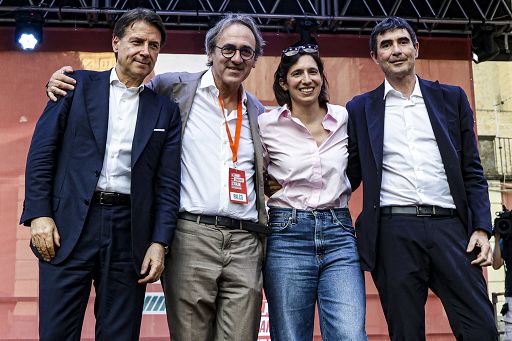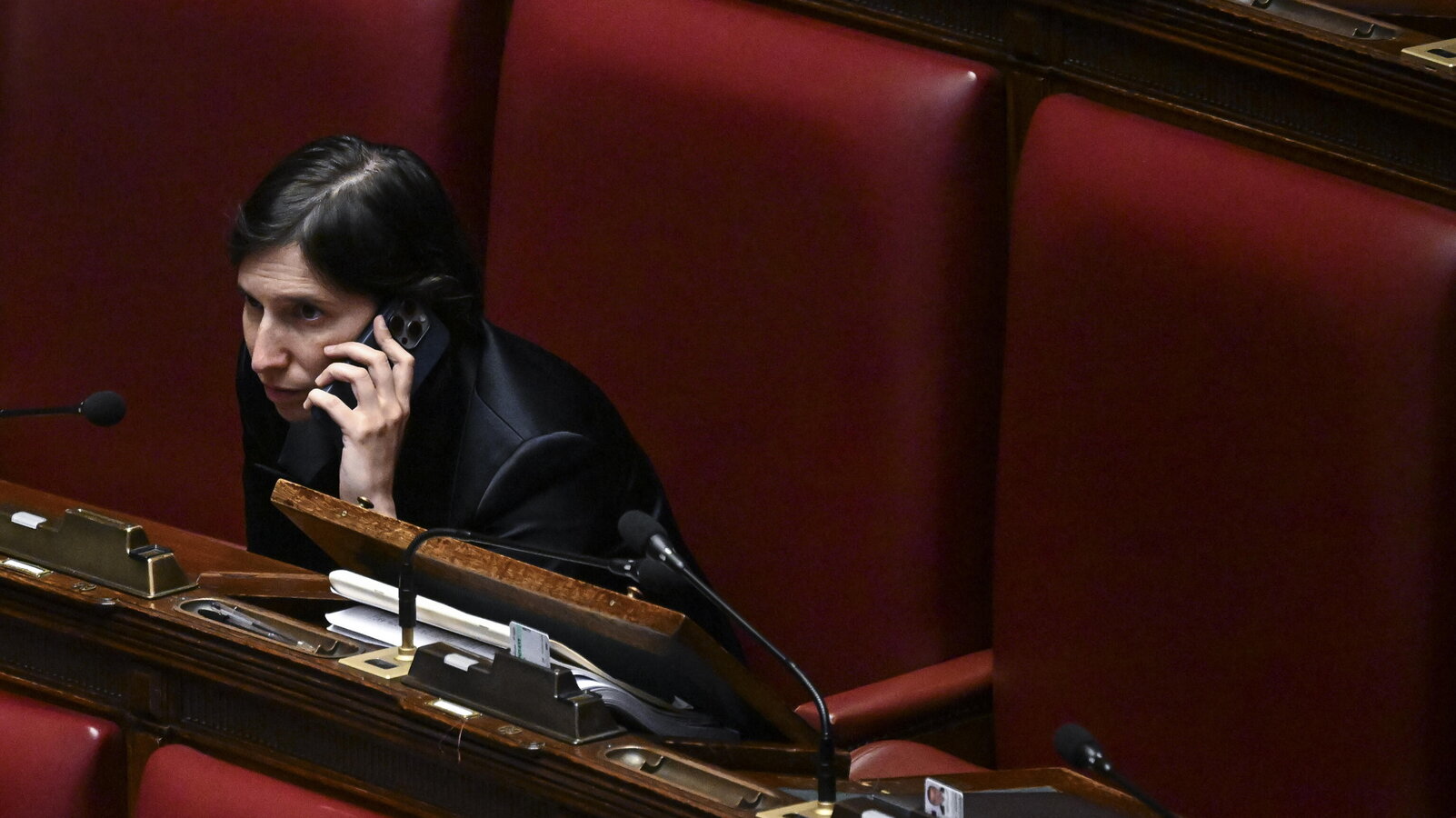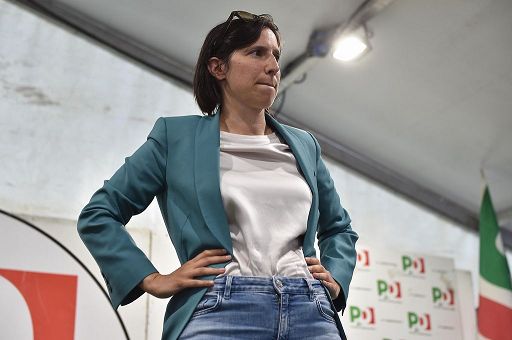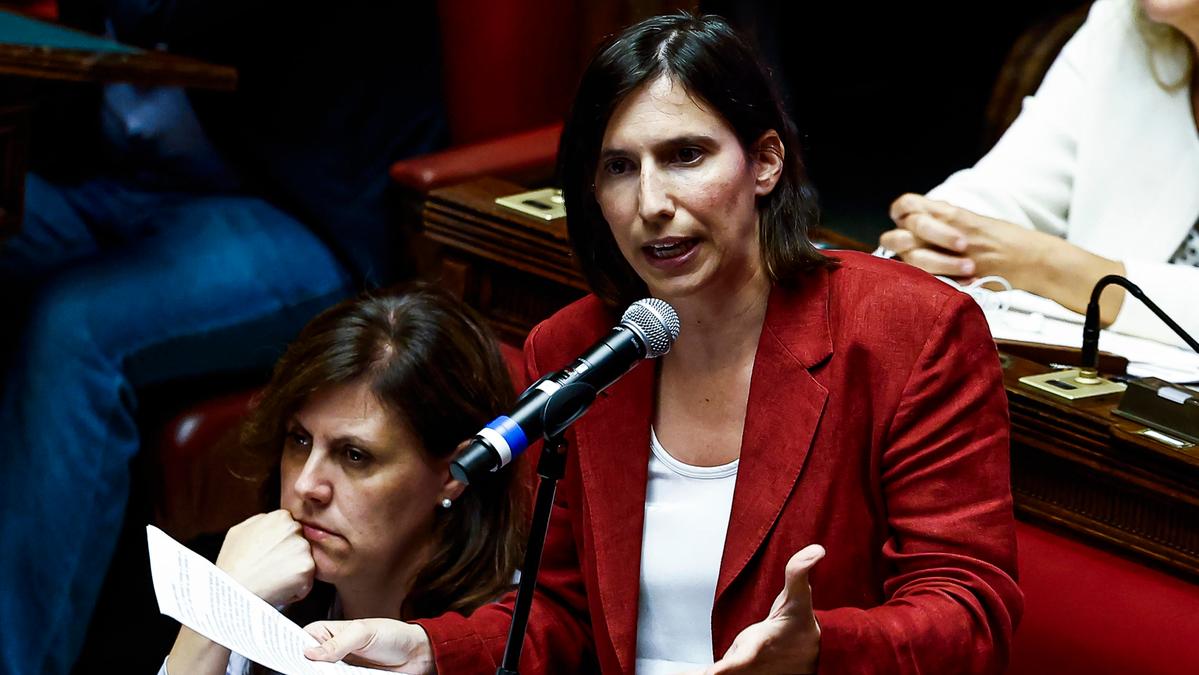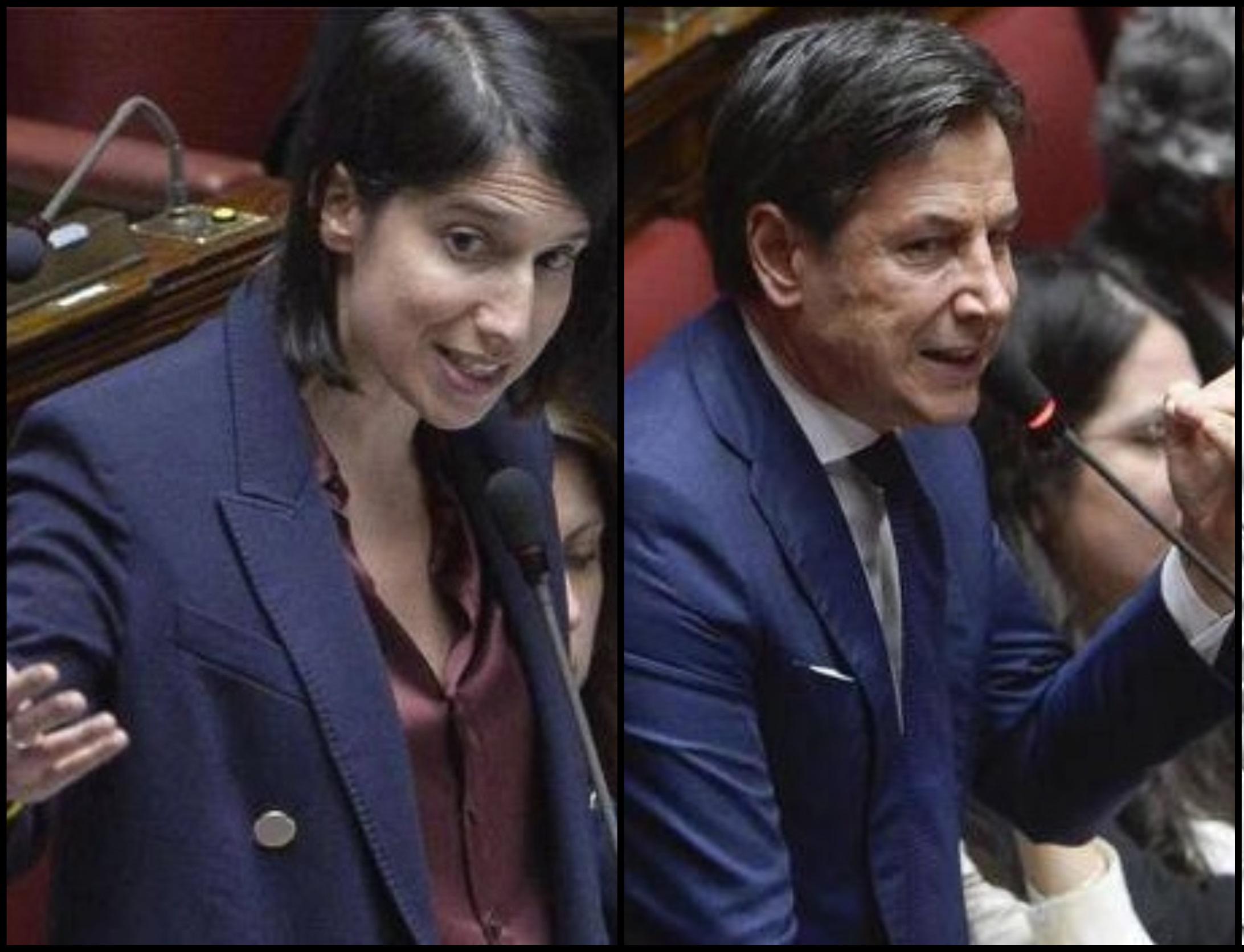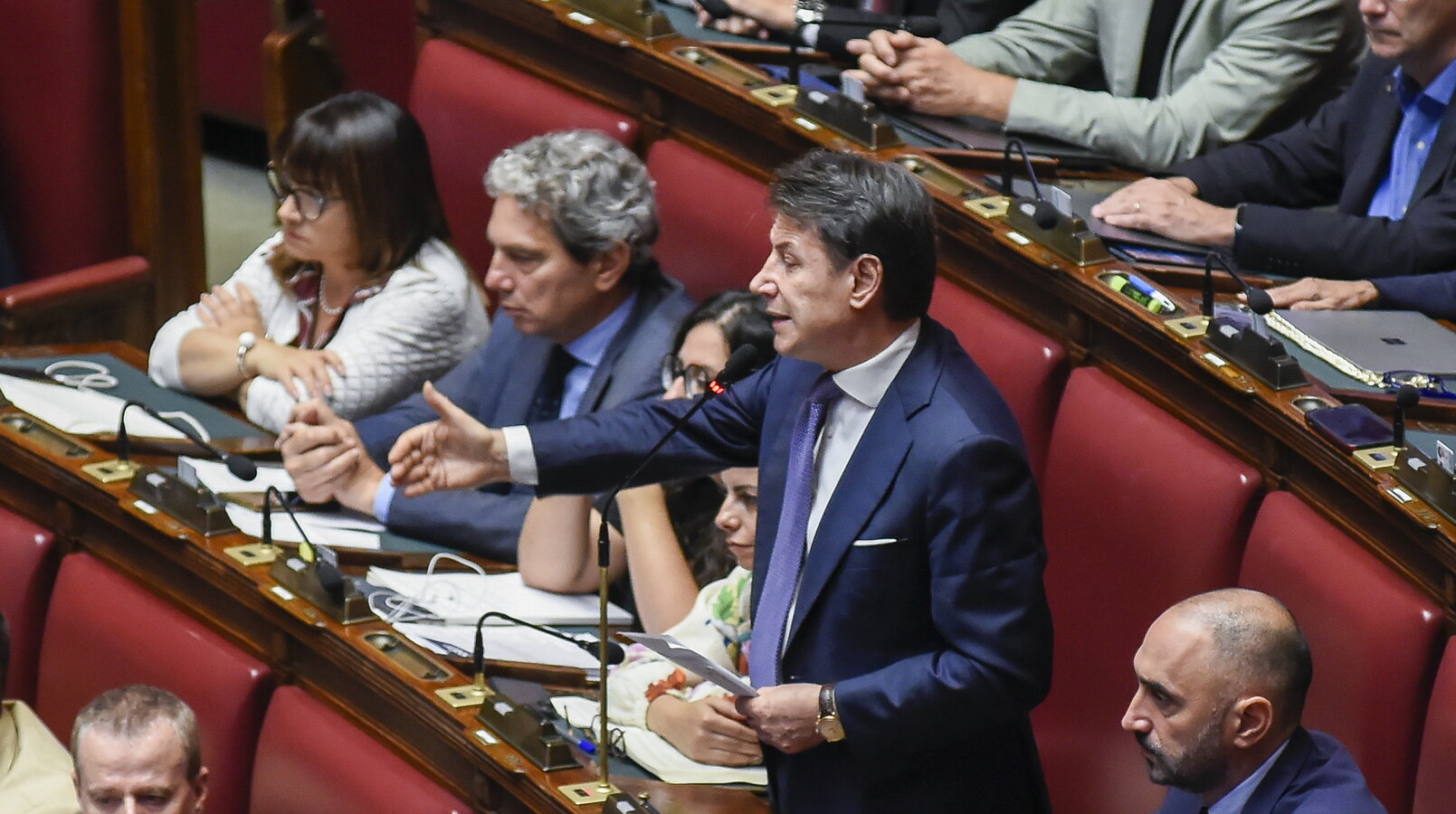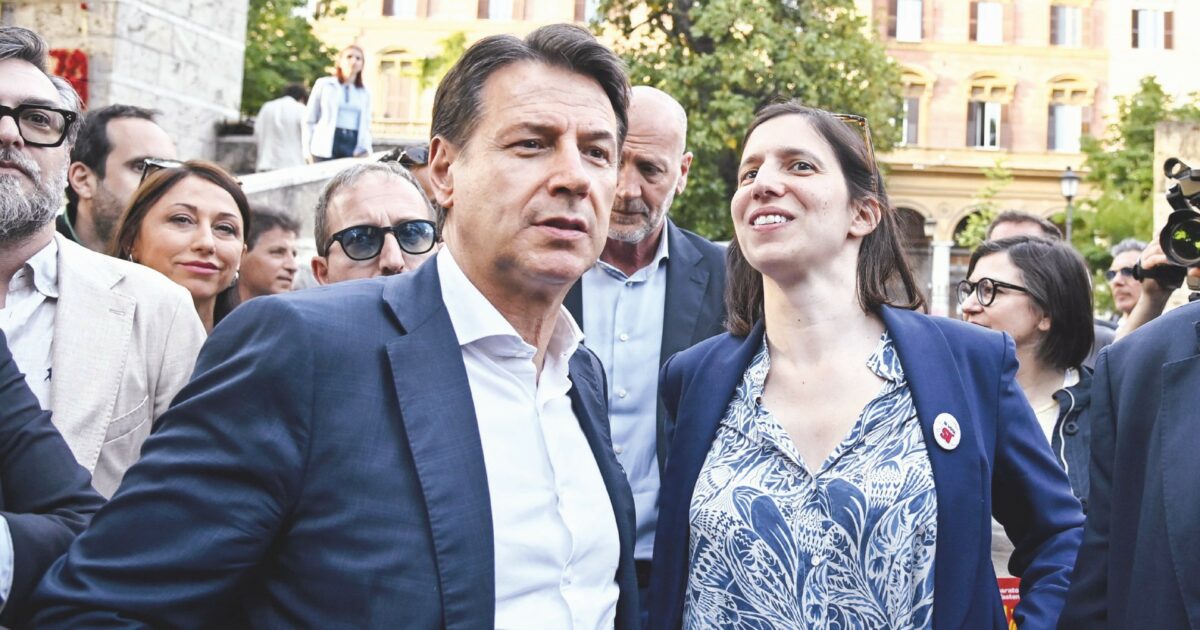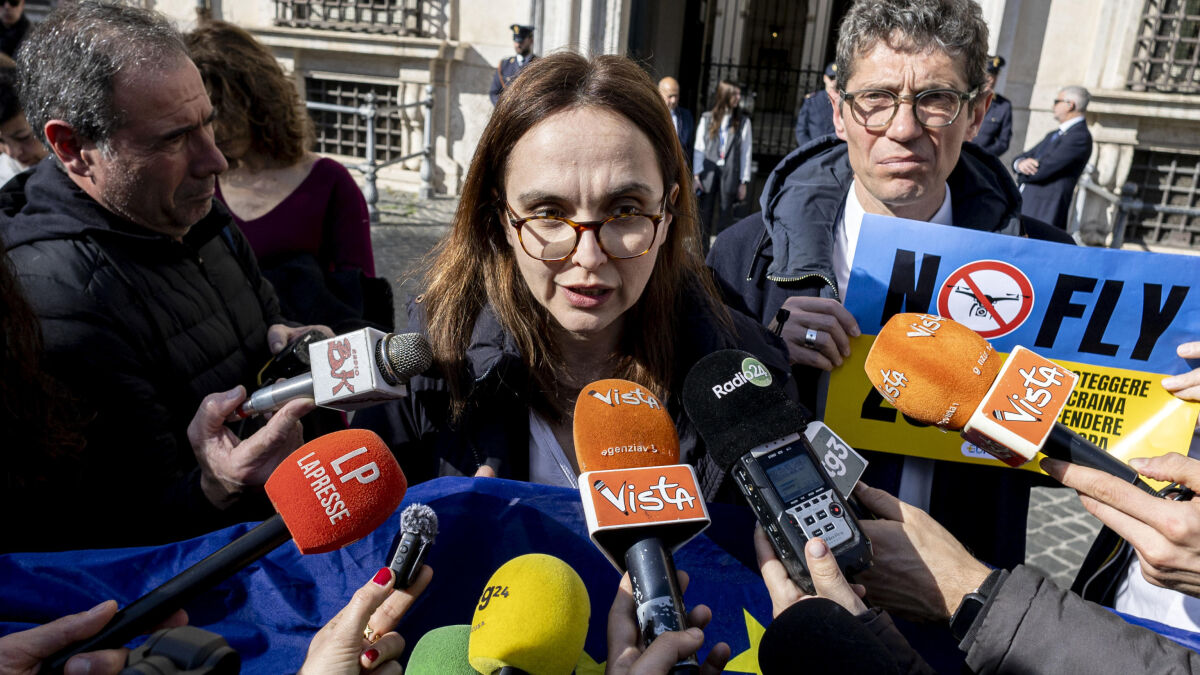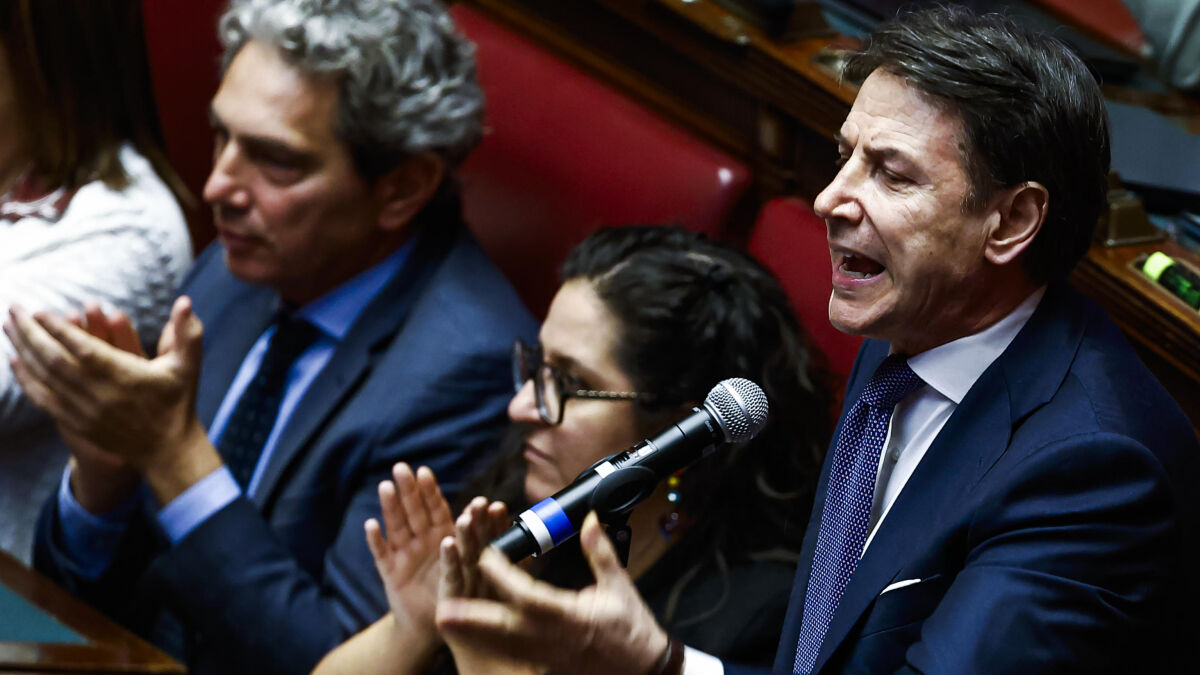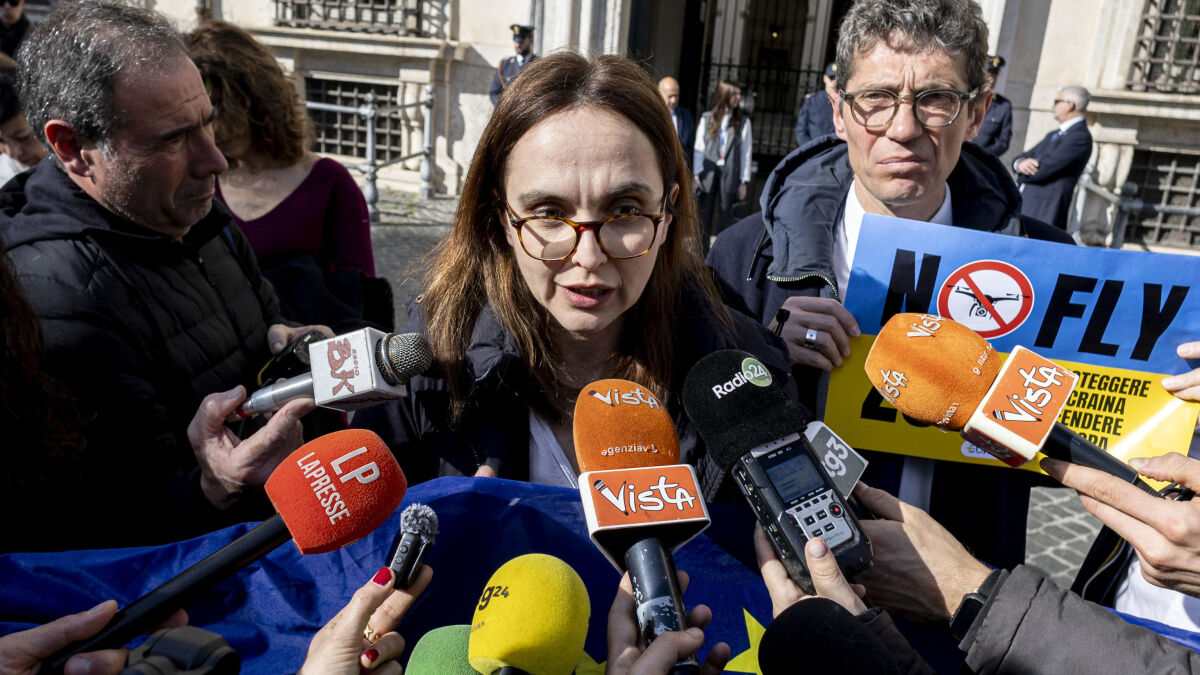
Rome. So much for safeguarding. It is the reformists who are diverging from the rest of the broad coalition. “The PD-M5S-AVS resolution is the result of political immaturity,” Filippo Sensi, a Democratic Party senator, tells Il Foglio, having already warned when the first drafts arrived: “If it stays like this, we won’t vote for it.” According to the broad coalition, the budget deviation is acceptable only if it is “exclusively directed towards combating absolute poverty, funding public healthcare, and supporting families and businesses affected by the energy crisis”. It is not acceptable, however, if the resources are allocated “to military expenditure”. And the SAFE? Not mentioned. “It was the unwelcome guest, yet all the resolutions – even the majority’s – raised the issue,” continues Sensi, who believes that this pacifist resolution “was obviously a cut-and-paste job of old documents strung together one after the other. We might as well call it ChatGPT, for want of a better term. So much so that it wasn’t even included in the vote.”Among the reformists within the PD (Lorenzo Guerini, Virginio Merola, Nicola Carè and Piero Fassino) who voted in favour of the commitments regarding ‘Safe’ content contained in the resolutions put forward by Più Europa and IV, Lia Quartapelle was also present. When questioned by the newspaper shortly after the vote, she said: “That text was, unfortunately, a concession to the Five Star Movement and to simplistic slogans in the face of very sensitive and complex issues. We can do better than that. I hope,” the MP continued, “that what happened today will finally help us to think through the key issues at stake.” And there certainly are some. Quartapelle does not want the PD to succumb to the diktats of Giuseppe Conte’s followers: “Those positions are very vociferous. And whilst, on the one hand, it is right to maintain a balance between welfare spending and defence spending, we must explain why the M5S is ideologically unwilling even to consider the idea of using additional European resources – which are less costly than national resources – to finance defence spending.” And the discussion returns to the SAFE programme, which would allow Italy to take out loans of almost 15 billion to be repaid at a subsidised rate over a 45-year term, thereby saving the public budget around 120 million euros in interest each year. “In our ‘phantom’ resolution – just like the fleet issue – it states that we must move beyond the uncoordinated rearmament plans of national armies by aiming to build a genuine common European defence,” reads Sensi. “SAFE is exactly that, but it isn’t there. It’s all a bit of a cat-and-mouse game in that resolution. But reducing everything to a rearmament-versus-disarmament clash is a deceptive and fraudulent ploy. Pitting welfare spending against defence spending strikes me as a sign of political immaturity.”Following Conte’s recent pre-emptive moves regarding the primaries and military aid to Kyiv, former PD member Pina Picierno has warned her ex-colleagues in the PD that they are at a crossroads. On the one hand, slogans; on the other, pragmatism. Reformists, but wouldn’t it be better to look to the centre? “Of course, we need everyone. We need Calenda, we need Renzi, but we also need the Five Star Movement and AVS,” says Sensi. “We mustn’t play political games; we need a very broad coalition to prevent the right from winning again. After all, we’ve already governed with complicated coalitions.” Quartapelle shares this view, arguing that “the votes of the M5S, AVS and PD alone aren’t enough to beat the right. But we need a clear policy framework so that this coalition doesn’t look like a mere sum of identities without a shared vision.” However, for the Democrat, this “was lacking”. Indeed, “unfortunately, it was above all the M5S that delayed it and adopted a very unscrupulous attitude, such as that which we have seen in recent days”. Before the vote in the Chamber, even before the skies over Kyiv were once again torn apart by last night’s ferocious Russian bombardments, a group of neo-Nazi skinheads terrorised young Italian Jews in Sofia, Bulgaria. The appeal that Livia Ottoleghi, president of the Union of Italian Jewish Communities, made to Il Foglio is clear: the anti-Semitism bill currently under discussion in the Chamber of Deputies must be passed swiftly and by a large majority, in the version already approved by the Senate. “I hope so too,” says Sensi, one of the few Democrats (all reformists, here too) who have chosen to vote in favour of that measure, at odds with the party line. “I hope it reaches its destination by the end of the parliamentary term, and I hope that the Chamber of Deputies will not be inclined to let it languish only to fail to see it through to the end.”
Reformists in revolt: Sensi and Quartapelle oppose Conte’s stance on defence spending
The Democratic Party MP lashes out following the Conte-backed resolution: “Schlein has caved in to the M5S”. The motion will not be put to a vote, but internal unease is mounting
802 words~4 min read