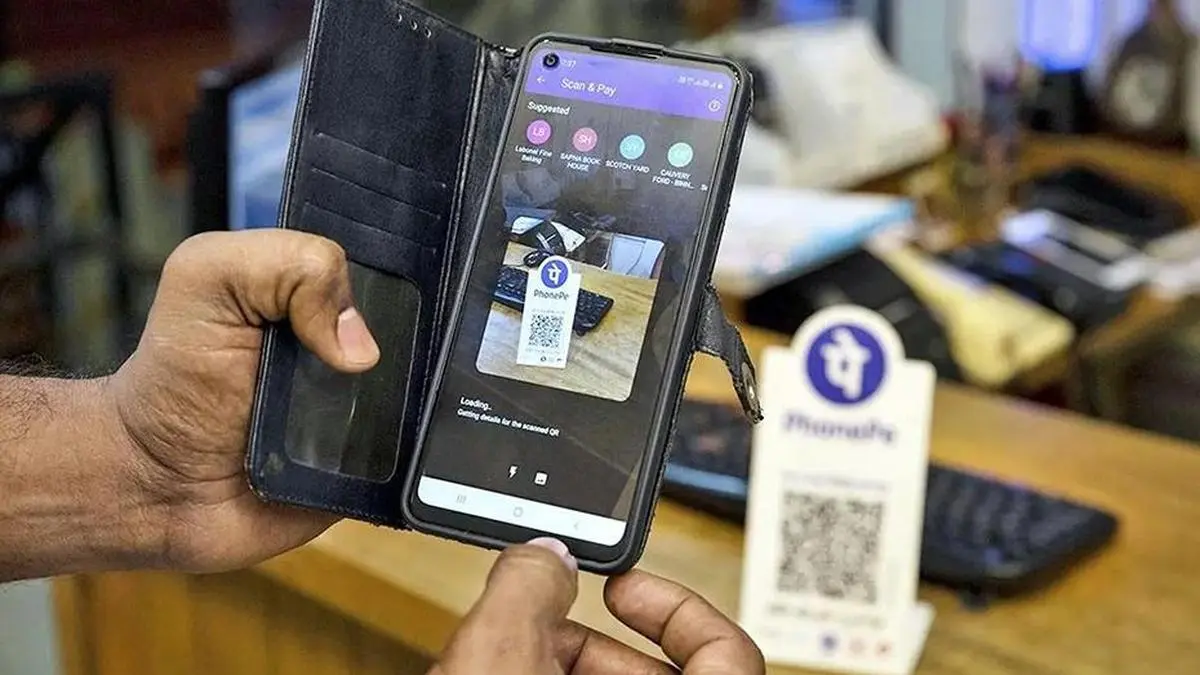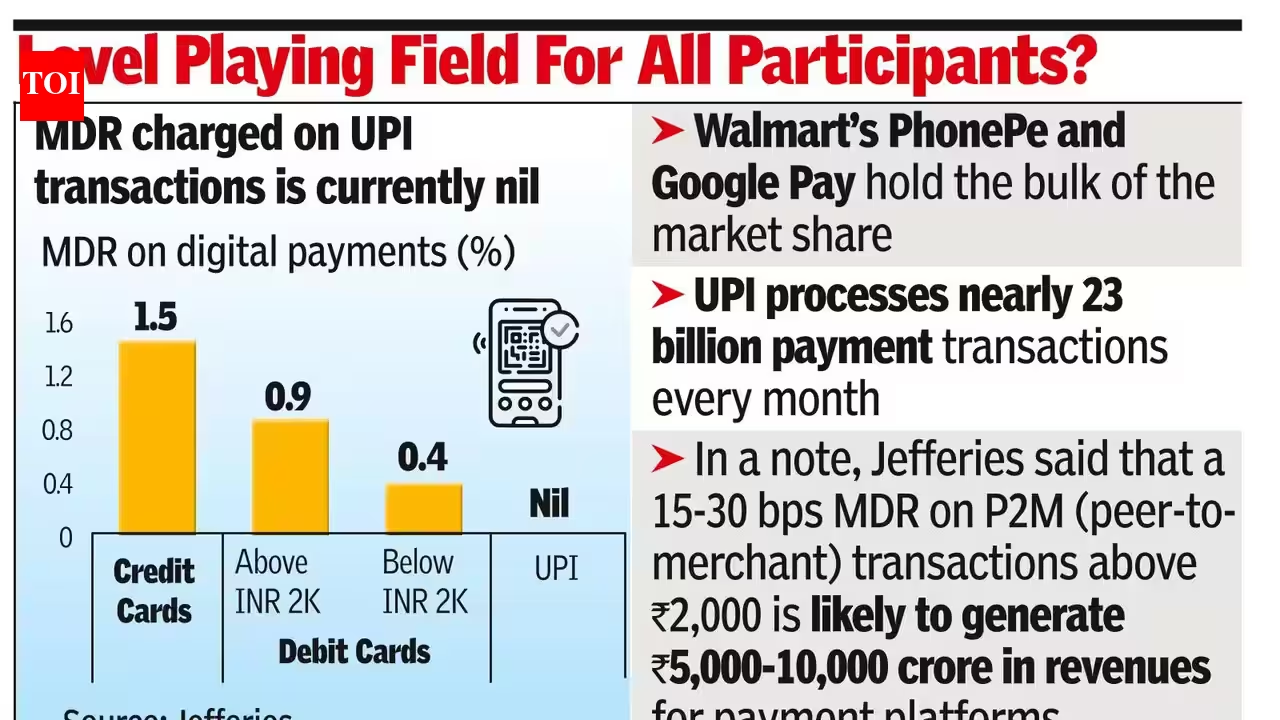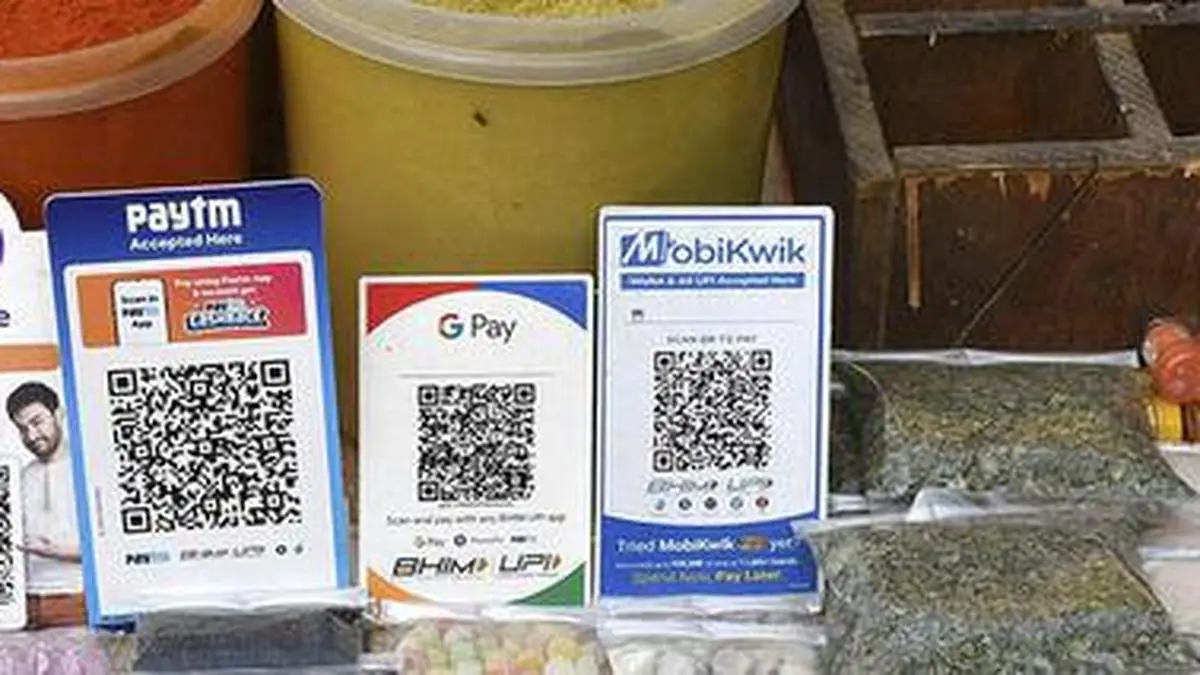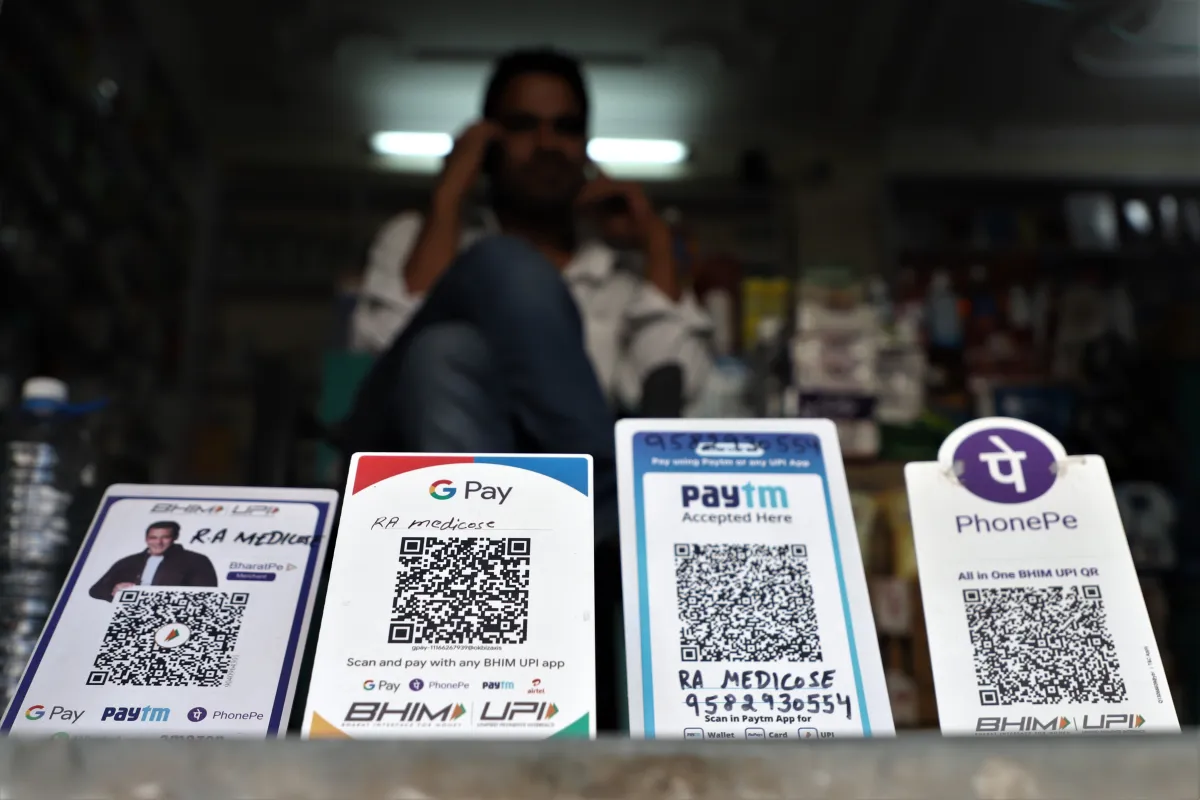
Happy Thursday! Competition in the payments space may change with merchant fees on UPI potentially making a comeback. This and more in today’s ETtech Morning Dispatch.Also in the letter:PB Fintech’s Q1 revenue jumpsETtech Done DealsMeta apologises for lapsesUPI apps could chase big-ticket transactions as MDR return loomsIndia’s move to potentially restore merchant fees on Unified Payments Interface (UPI) transactions could redraw the payments battle. Instead of chasing volumes, apps may compete for higher-value payments, merchants and credit-led use cases that improve payment economics.Where the battle shifts:PhonePe and Google Pay dominate approximately 80% of UPI volumes, but there is limited visibility into their share of high-value transactions, where monetisation potential is higher.While small-ticket payments dominate in number, transactions above Rs 2,000 account for a disproportionate share of value, highlighting a skewed revenue opportunity in merchant payments.Reintroducing MDR could shift competition from user acquisition to monetising merchant ecosystems, with platforms focusing on high-value merchants and payment-linked services.How apps could respond:With most large retailers already signed up, platforms may bind them closer through soundboxes, card machines, settlement services and business software.RuPay credit cards and UPI credit lines could move purchases and merchant-funded discounts or no-cost EMIs from card rails to UPI.Supplier payments are another opening, with shopkeepers potentially using short-term credit to buy stock through UPI. The MDR rate, eligibility and revenue split remain undecided.Also Read:Payments bill revives hopes of MDR return on large-ticket UPI transactionsKKR veterans Sanjay Nayar, Johannes Huth to anchor Rs 2,500-crore buyout fund Arjav CapitalFormer top executives of private equity firm KKR, Sanjay Nayar and Johannes Huth, along with several other family offices, are backing Arjav Capital, a Rs 2,000-2,500 crore mid-market buyout fund, people in the know told us.Driving the news: The fund will target Indian manufacturing and industrial firms going through technology-driven change.The fund has secured commitments of Rs 650-700 crore from family offices.It is now pitching institutional investors and aims for a first close near Rs 1,000 crore.Arjav Capital plans to invest Rs 400-450 crore in each transaction.It has begun talks with companies in sectors including automotive components, packaging and bathroom fittings for potential control deals.Verbatim: “Unlike large buyout funds that typically pursue billion-dollar transactions, Arjav is targeting the mid-market, where many founder and family-led industrial businesses are seeking capital as well as operational expertise to expand. This segment remains underserved despite growing investor interest in manufacturing,” one of the sources said.Why now: The fund launch comes as private equity investors become more selective in India. According to a Bain & Company report, private equity investors shifted away from concentrated, large-cap control transactions in 2025 towards smaller cheque sizes, driven by lower ownership stakes and fewer large buyouts.Also Read:Private equity investors shift tech bets from IT services to AI startupsPolicybazaar parent’s profits jump 92% in Q1FY27 driven by operating margins improvementAlok Bansal and Yashish Dahiya, founders, PB FintechPB Fintech, which runs the insurance marketplace Policybazaar, reported a jump in its operating revenues for the April-June period, driven by higher new insurance premium collections, the mainstay of the group.Financials:Operating revenue: Up 40% year-on-year (YoY) at Rs 1,888 croreNet profit: Up 92% on-year to Rs 163 croreTotal insurance premium: Rose 41% YoY at Rs 8,372 croreQuote, unquote: “Q1 is the weakest quarter in the year and Q4 is the biggest. If you are going for efficiency, the first thing you would do is hire nobody in Q1. We hired, at a gross level, 5,000 people in Q1. That explains how much we are trying to reduce costs. We are not holding back in terms of growth,” Yashish Dahiya, cofounder and group CEO of PB Fintech said in the company’s earnings call.Freshworks turns profitable in Q2, revenue up 16%Dennis Woodside, CEO, FreshworksSoftware-as-a-service company Freshworks reported a profitable first quarter in fiscal ‘27, supported by continued demand for its enterprise AI products.The numbers:Revenue: Up 16% year-on-year (YoY) to $237.4 million, compared with $204.7 million a year earlier.Operating income: $6.1 million per US generally accepted accounting principles (GAAP), vs a loss of $8.7 million in the year-ago quarter.FY27 revenue outlook: Raised to $963.5-$966.5 million, from $958-$964 million earlier.Electric scooter startup River Mobility raises $120 million to deepen premium playAravind Mani, CEO and cofounder, River MobilityIn a major funding round, electric two-wheeler startup River Mobility has picked up $120 million (about Rs 1,140 crore) from Elev8 Venture Partners and Claypond Capital. Singularity AMC, Anicut Capital and 360 One Asset were among other investors participating.Deal details: More than 90% of the funding was in the form of equity, with debt making up the rest, cofounder and chief executive Aravind Mani told ET.The fresh capital will be used to expand manufacturing capacity, set up a new greenfield factory and launch new productsClimatetech startup Mitti Labs raises $9.5 million led by Aramco VenturesClimatetech startup Mitti Labs has raised $9.5 million in a round led by Aramco Ventures (the venture capital arm of Saudi Aramco).Tell me more: Mitti Labs' business model revolves around carbon credit markets. The company helps farmers adopt sustainable irrigation, verifies emission reductions using its satellite-based platform, generates carbon credits, and sells them to companies pursuing net-zero goals.It will use the funds to expand its presence across India, enter the Philippines and Indonesia, and strengthen its GeoAI platform.Other Top Stories By Our ReportersJoel Kaplan, Meta's chief global affairs officer, and Meta CEO Mark ZuckerbergMeta apologises for lapses: Meta's chief global affairs officer Joel Kaplan met Information Technology Secretary S Krishnan on Wednesday to discuss the removal of Prime Minister Narendra Modi's post from Facebook. Sources told ET that during the meeting, Kaplan conveyed apologies from Meta CEO Mark Zuckerberg over the presence of Child Sexual Exploitative and Abuse Material (CSEAM) and deepfake content on the platform.Karnataka’s nanotech, AI focus: Karnataka plans to focus on nanotechnology, semiconductors, artificial intelligence and other deep technologies to drive its next phase of growth, chief minister DK Shivakumar said during a speech on August 5.Global Picks We Are ReadingPalantir rides high on greed and fear — but mostly fear (FT)Growth without work: The human cost of the AI revolution (Rest of World)Trump’s AI protectionism has come for robotics (MIT Technology Review)
Impact of MDR’s return; KKR veterans to anchor new fund
Happy Thursday! Competition in the payments space may change with merchant fees on UPI potentially making a comeback. This and more in todays ETtech Morning Dispatch.
TL;DRAI
India reintroduces MDR on high-value UPI (>Rs 2,000), shifting PhonePe and Google Pay from user growth to merchant monetization and credit. Payment stack consolidation around merchant lock-in instead of volume-pricing reshapes B2B payment architecture and credit rail decisions for fintech and enterprise CTOs.
1,013 words~5 min read