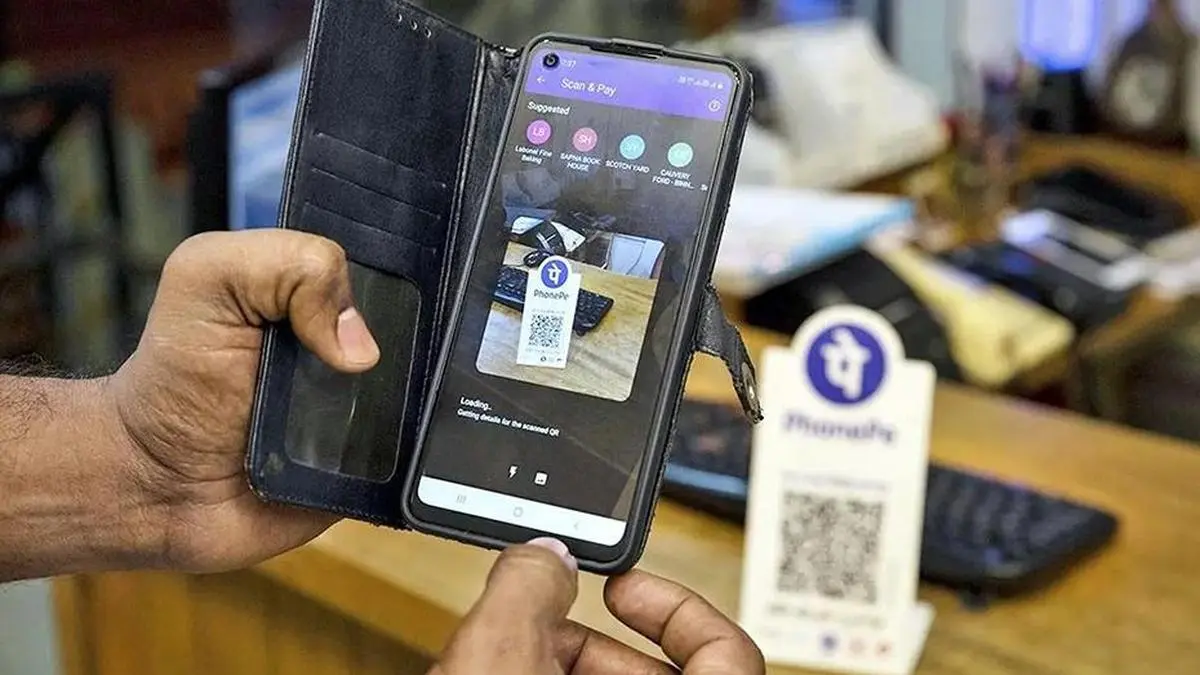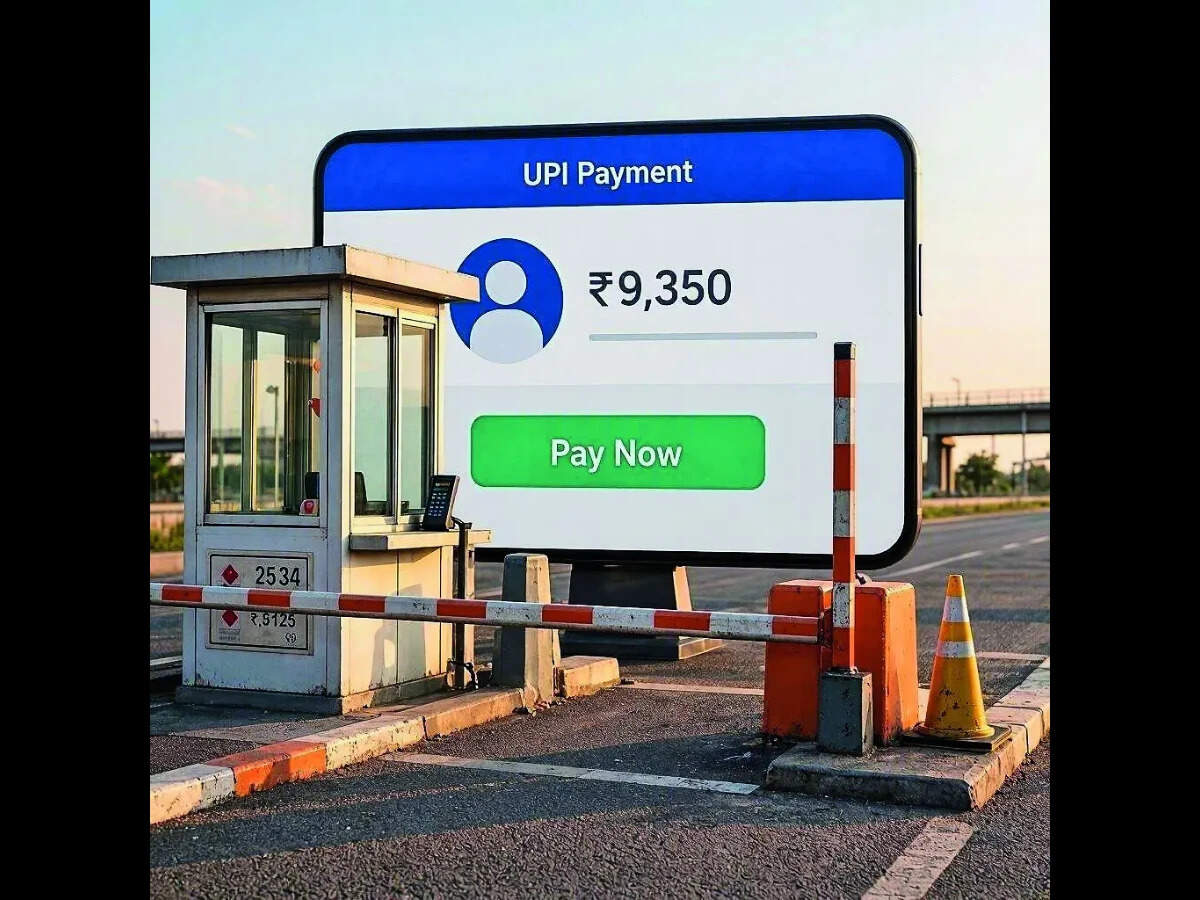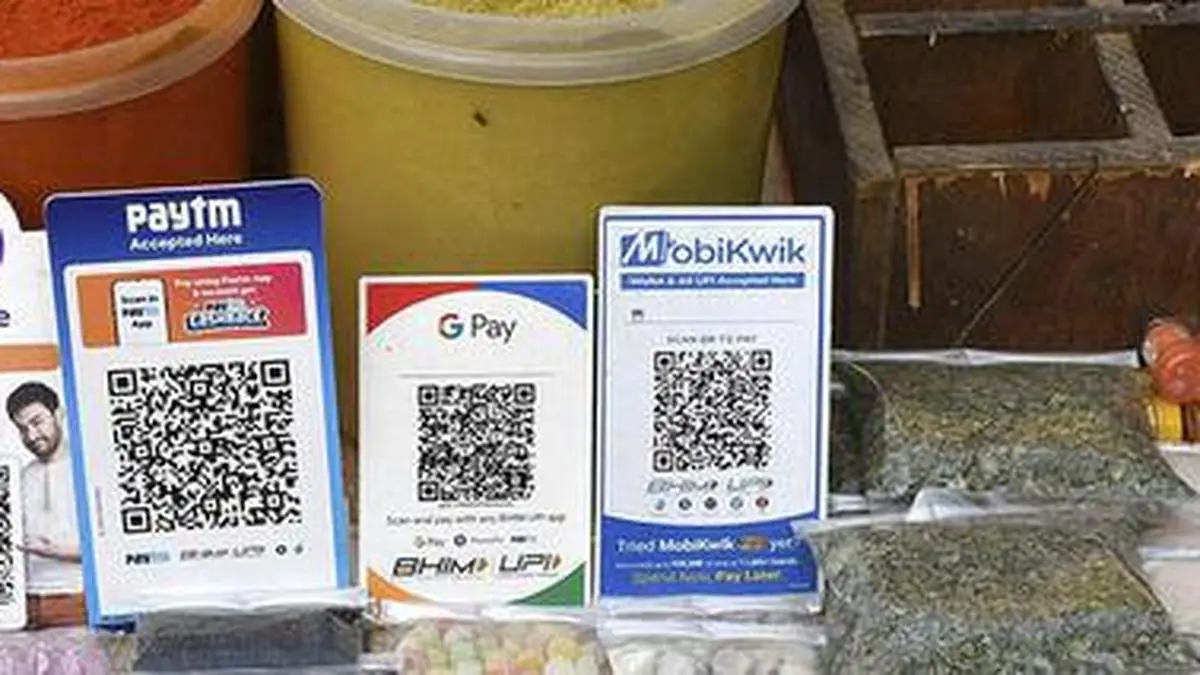
SynopsisThe UPI race has so far centred on acquiring consumers and monetising them by cross-selling loans, insurance and investments, as there has been no direct fee income on UPI payments since 2020. A targeted merchant discount rate (MDR) will create a new revenue stream from selected merchant payments, shifting the focus towards acquiring and deepening relationships with merchants who drive higher-value purchases.The move to potentially allow merchant fees on Unified Payments Interface (UPI) transactions could shift the next phase of competition in the payments space to capturing higher-value transactions from maximising volumes, analysts and industry executives said.The UPI race has so far centred on acquiring consumers and monetising them by cross-selling loans, insurance and investments, as there has been no direct fee income on UPI payments sinceNow Playing
UPI apps could chase big-ticket transactions as MDR return looms - The Economic Times
The UPI race has so far centred on acquiring consumers and monetising them by cross-selling loans, insurance and investments, as there has been no direct fee income on UPI payments since 2020. A targeted merchant discount rate (MDR) will create a new revenue stream from selected merchant payments, shifting the focus towards acquiring and deepening relationships with merchants who drive higher-value purchases.
TL;DRAI
MDR on UPI transactions would end zero-fee model since 2020, shifting apps to merchant-focused fee income targeting higher-value purchases. For tech leaders, this reorients payment-stack strategy from consumer volume to merchant depth, affecting fintech ROI and GTM models.
128 words~1 min read