In the centre of Durham last week, at the far end of the old indoor market, my son and I hit pay dirt. Down past the fishmonger and the cleaning supplies, past the dead-eyed teens suffering through their summer jobs, right against the market’s back wall: Jim’s Vintage Toys.
Die-cast Dinkys, Napoleonic soldiers with tufted hats, stormtroopers, old-school Ferraris. Within 20 seconds my ten-year-old had a car in each sticky hand and had dropped, sniper-style to the floor into that universal boy play-position almost never seen in girls: bum up, shoulders twisted, cheek flat to the floor. Another few seconds and he was unreachable, sunk deep into an imaginary race.
Young children have no way of understanding that a talking toy isn’t real
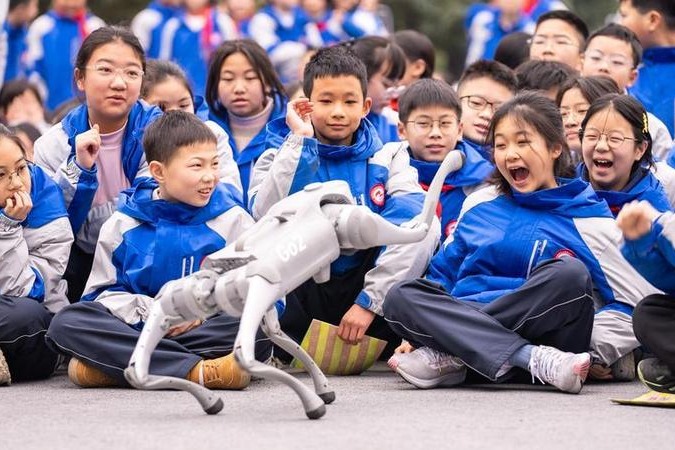
I watched as he tranced out, and for just a moment remembered what it was like to play that way: the satisfying feeling of immersion, the happy, burbling dialogue with oneself, and I wondered: what on earth happens to children if they’re starved of this sort of play? Doesn’t it stunt their inner lives? And are there psychologists and neurologists looking into it? I hope to God there are, because the robots are coming for make-believe. A great Terminator army of new interactive toys is marching towards us, aiming to replace the old toys, and it’s not clear to me how childhood imagination survives.