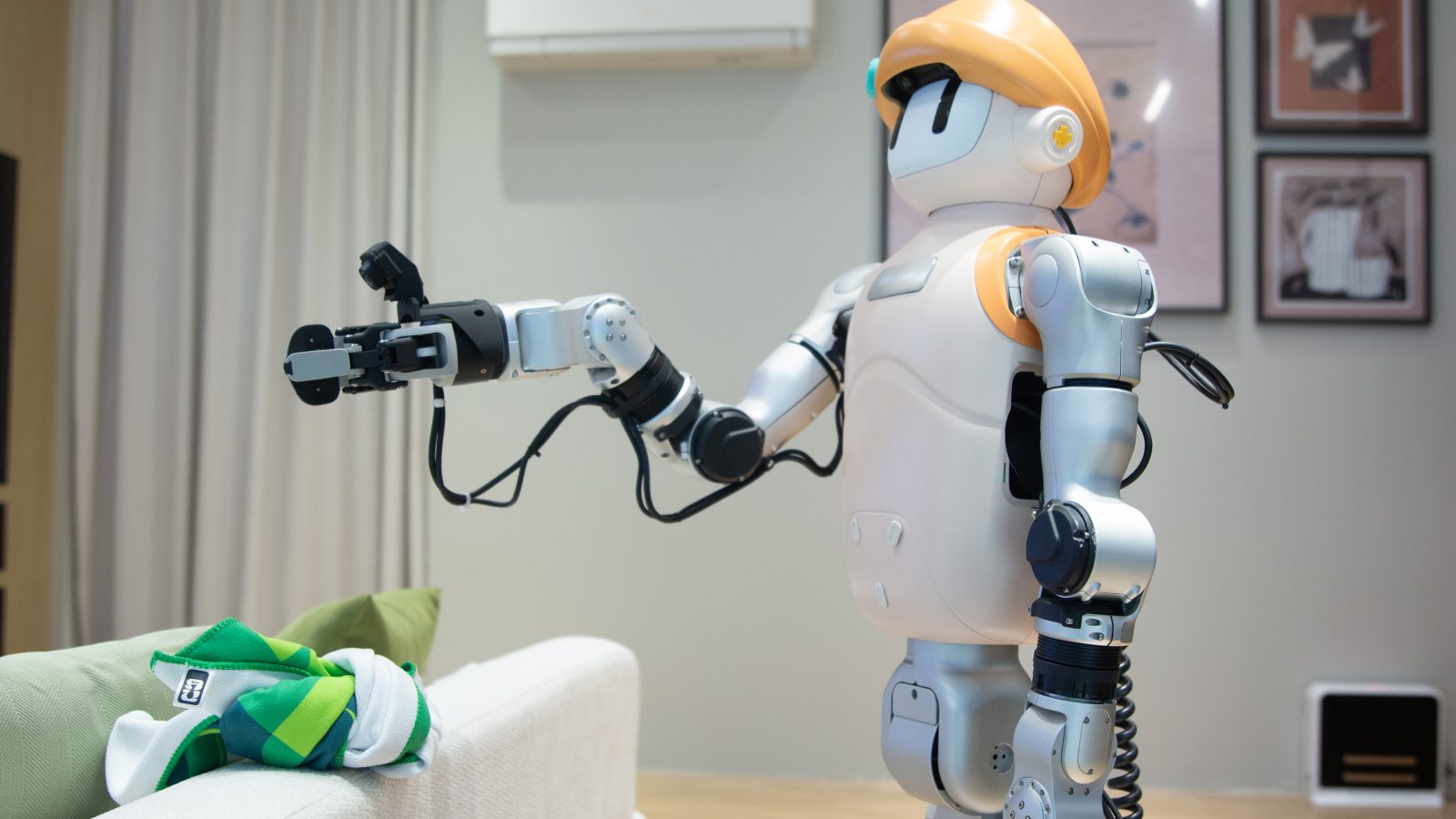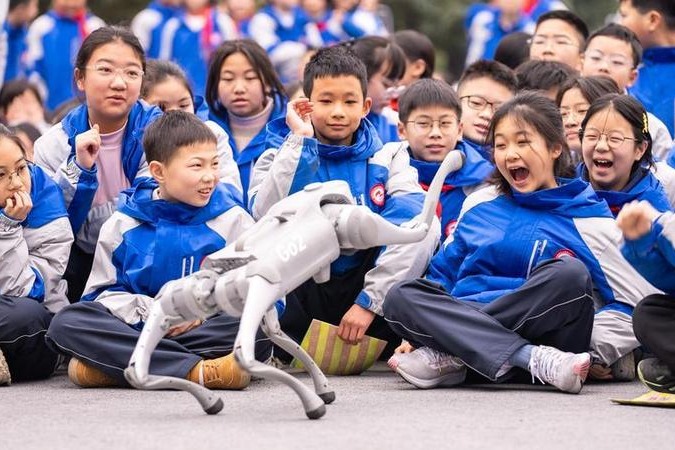
My 1.5-year-old baby just taught me something Wall Street took years to figure out. Not long ago, my daughter saw a humanoid robot at our local shopping mall — a Chinese-made machine selling small plush toys. She burst into tears.
Fast forward a few months. Now, dragging me by the hand, she practically sprints toward the same robot every day. They dance together. They "chat" — or I should say, she babbles and the robot beeps back. They shake hands.
At not even two years old, she has already internalized something that took global investors years to fully grasp: humanoid robots are no longer science fiction. They're here, they're Chinese and they're going mainstream faster than anyone expected.
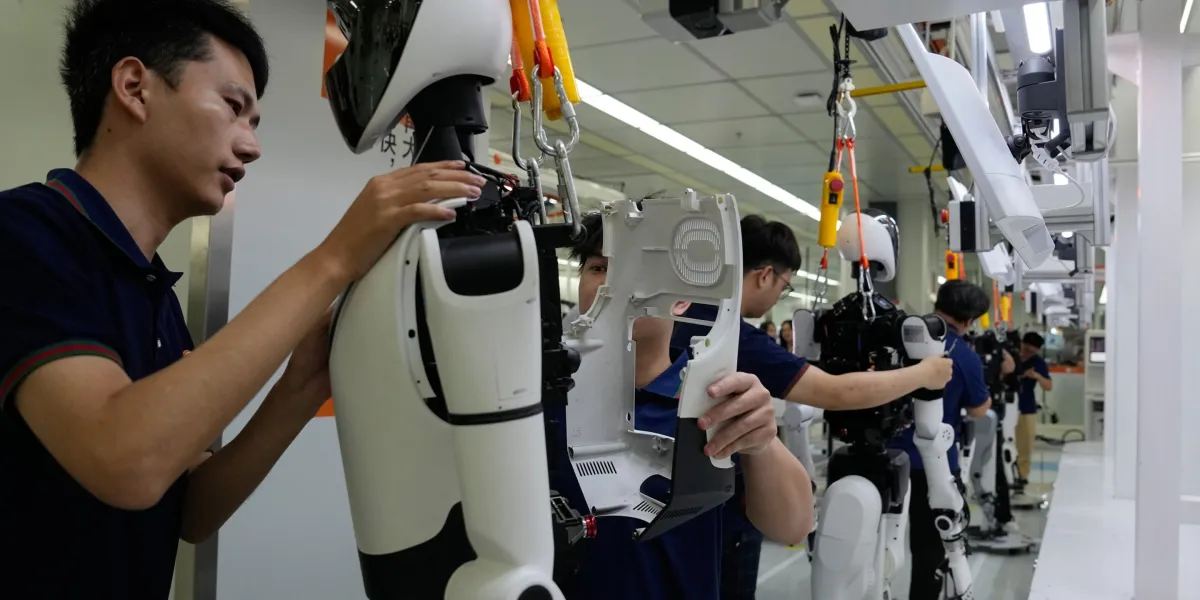
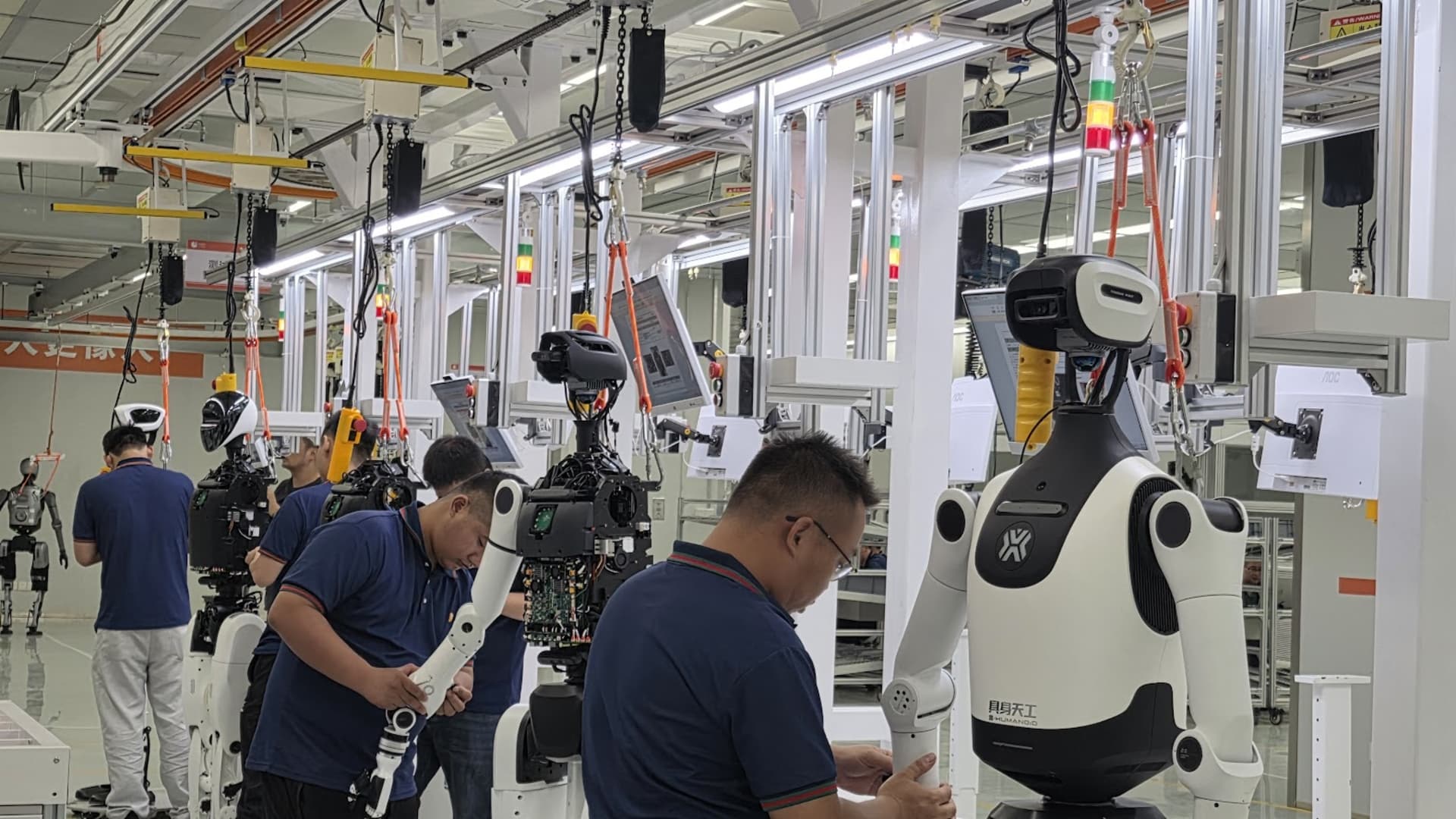
The numbers back up my toddler's intuition. In 2025 — the year humanoids moved from lab demos to real-world work — about 15,000 humanoid robots were deployed globally, and about 85 percent of them were delivered by Chinese companies.
The International Federation of Robotics said dominance is not new, but accelerating. In 2024 alone, China installed 295,000 industrial robots, almost eight times more than the US' 34,200 units. The operational stock in China exceeded 2 million, about five times the US' 393,700. China has turned robotics into a scale game, and no one else is even in the race.