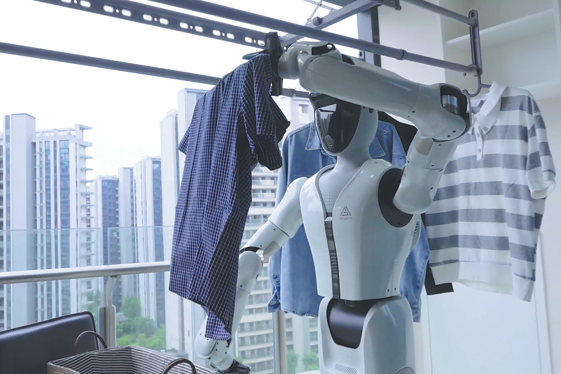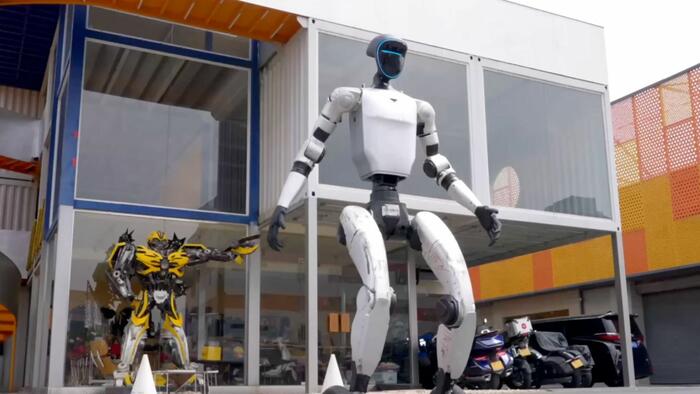
Daniel Wang came home to his apartment in Beijing and saw a humanoid robot waiting for him. He opened the door, and the robot got to work.
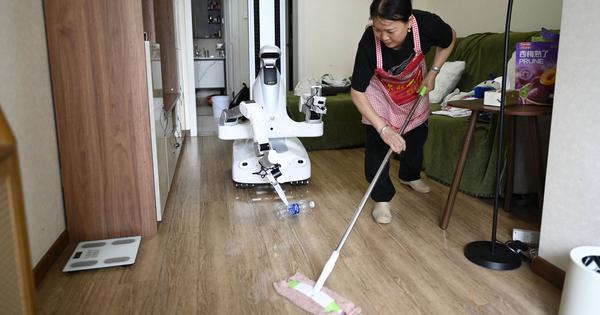
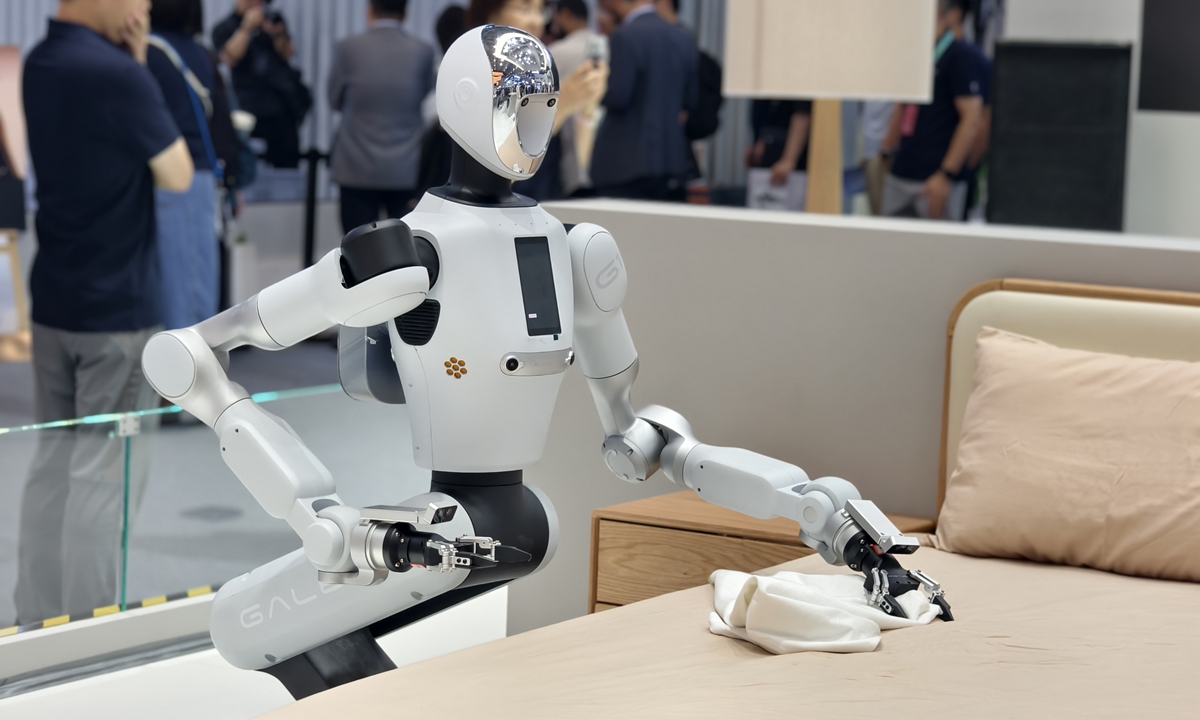
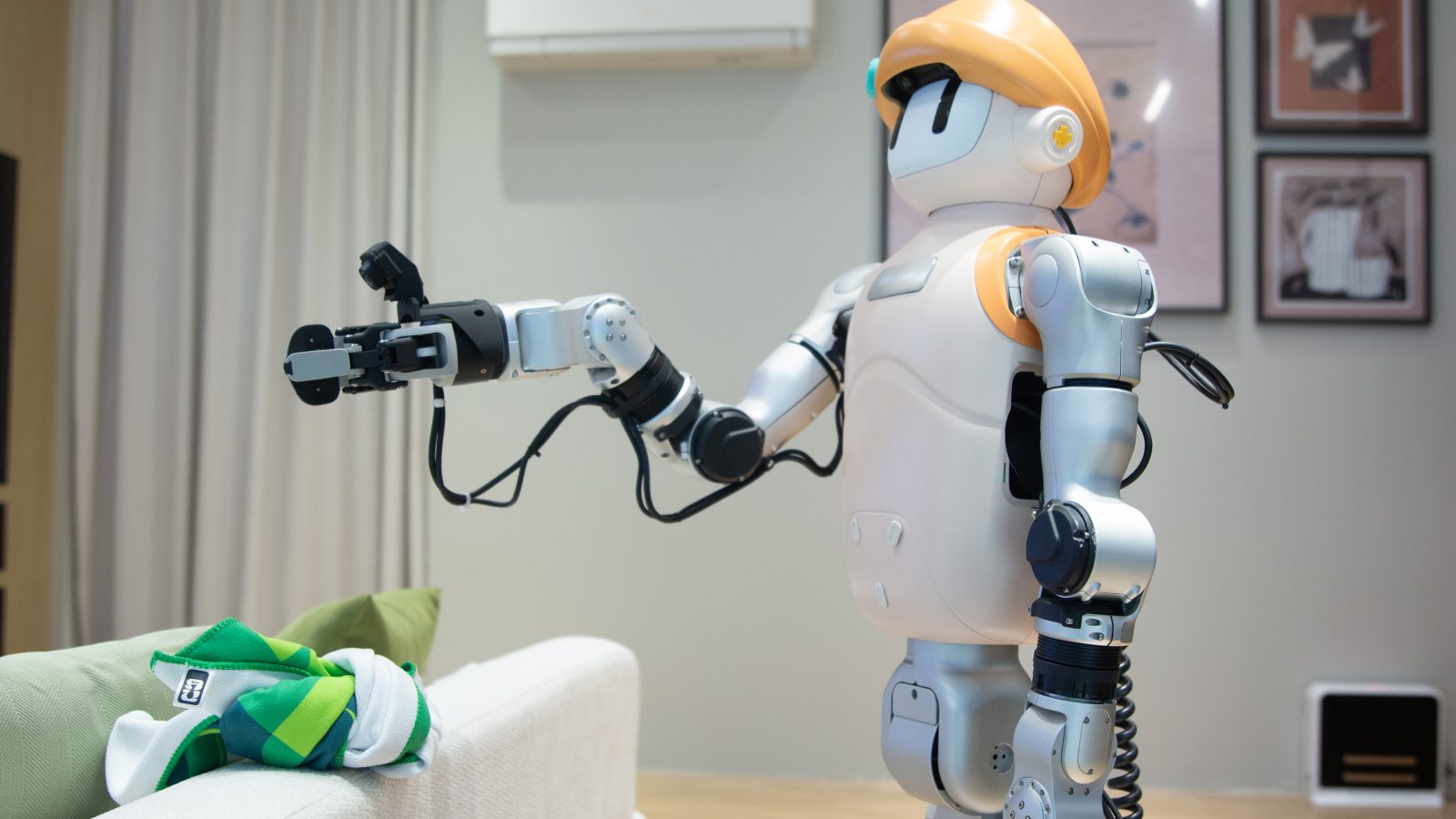
The robot, developed by Shenzhen-based X Square Robot, moved slowly. It spent an hour folding about three pieces of clothing, and another arranging Wang’s shoes. Most of the actual chores were done by a human housekeeper who accompanied it.
But the robot’s main task was to collect training data from a real household. “In terms of privacy, I’m okay with showing these [home] scenes” Wang told Rest of World. He paid 149 yuan ($22) for the three-hour service. “I feel like I made some contribution to physical AI.”
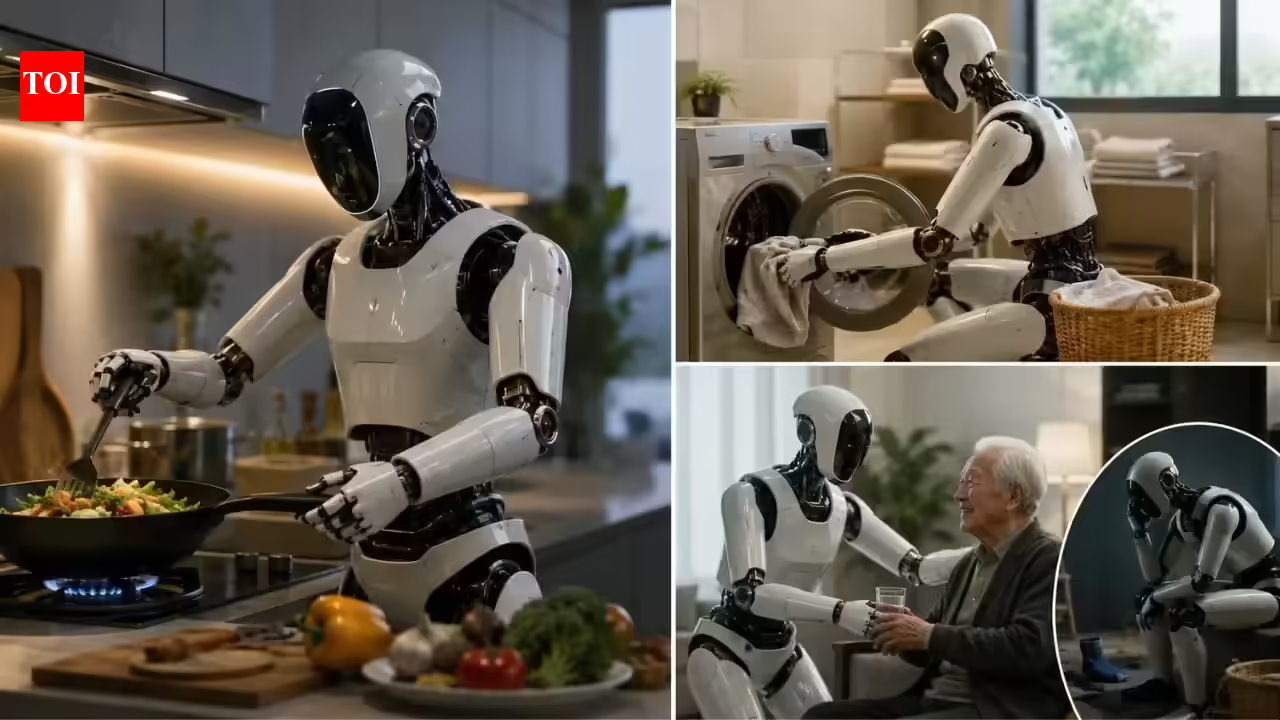
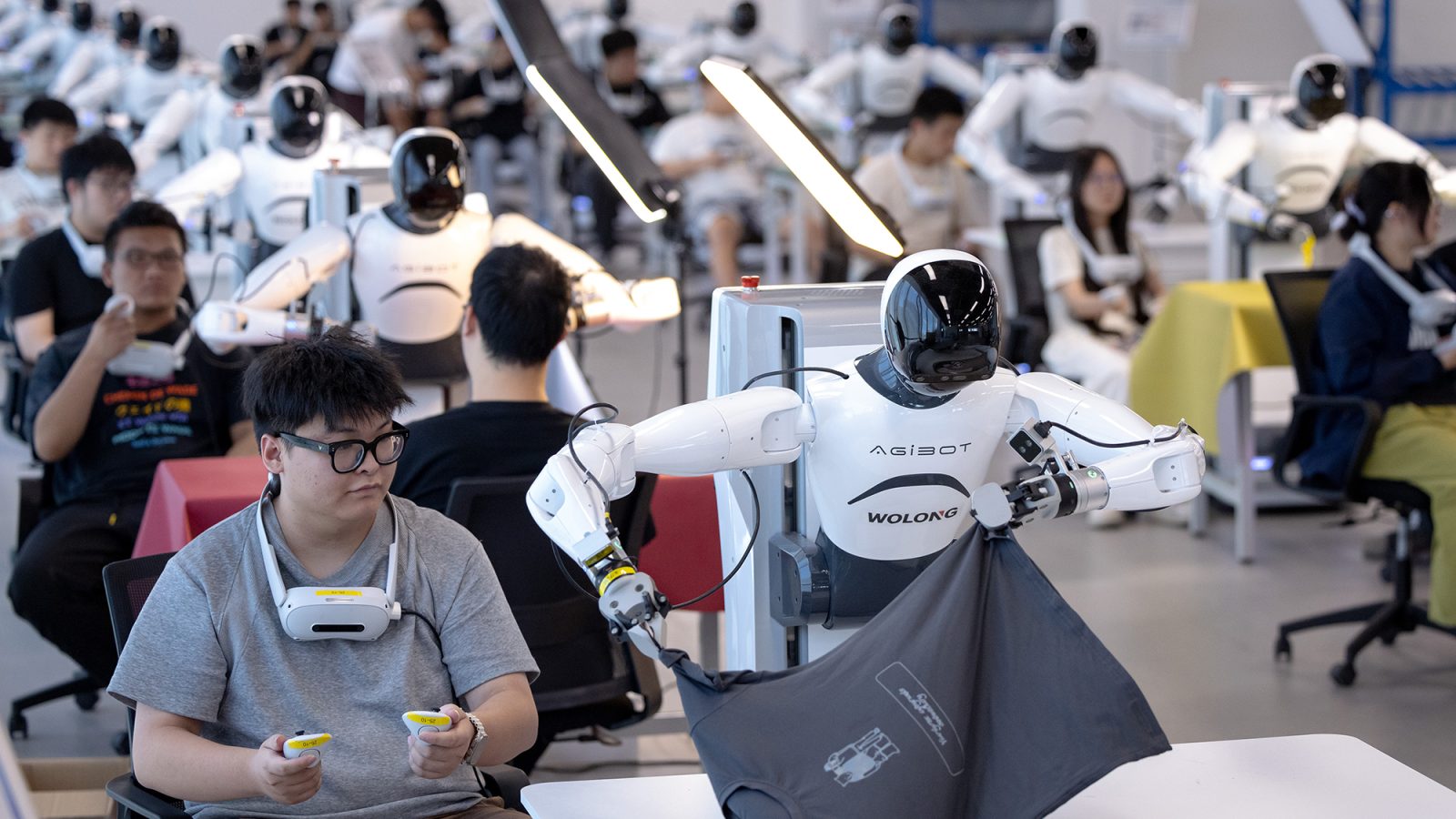
Robotics development worldwide is constrained by a shortage of training data that combines complex visual and movement information. While the industry initially trained robots through teleoperation — having human workers operate robots repetitively to fold clothes or run microwaves — the approach is costly and time-consuming. It also fails to prepare robots for the variety of real-world environments they’ll encounter.
The robot folding laundry at Daniel Wang’s home.