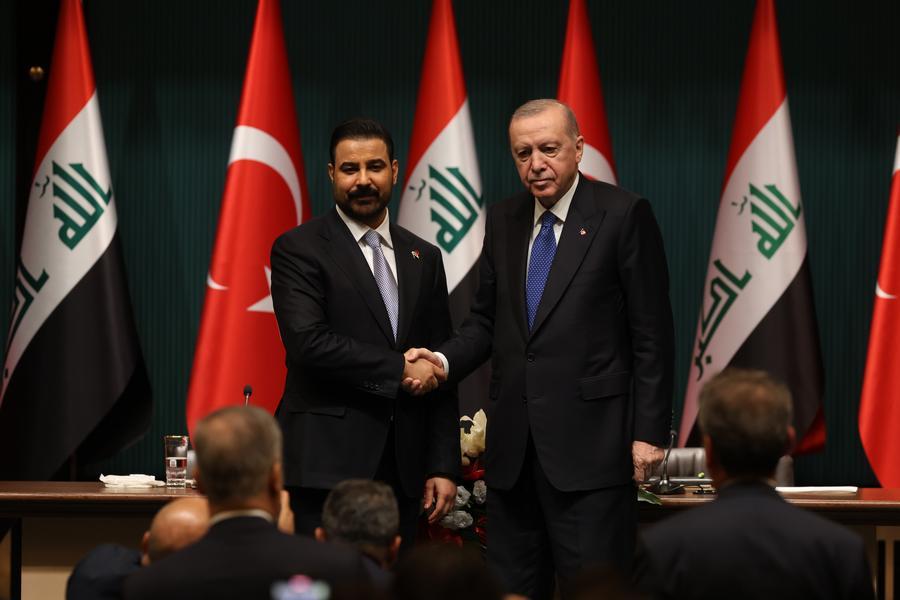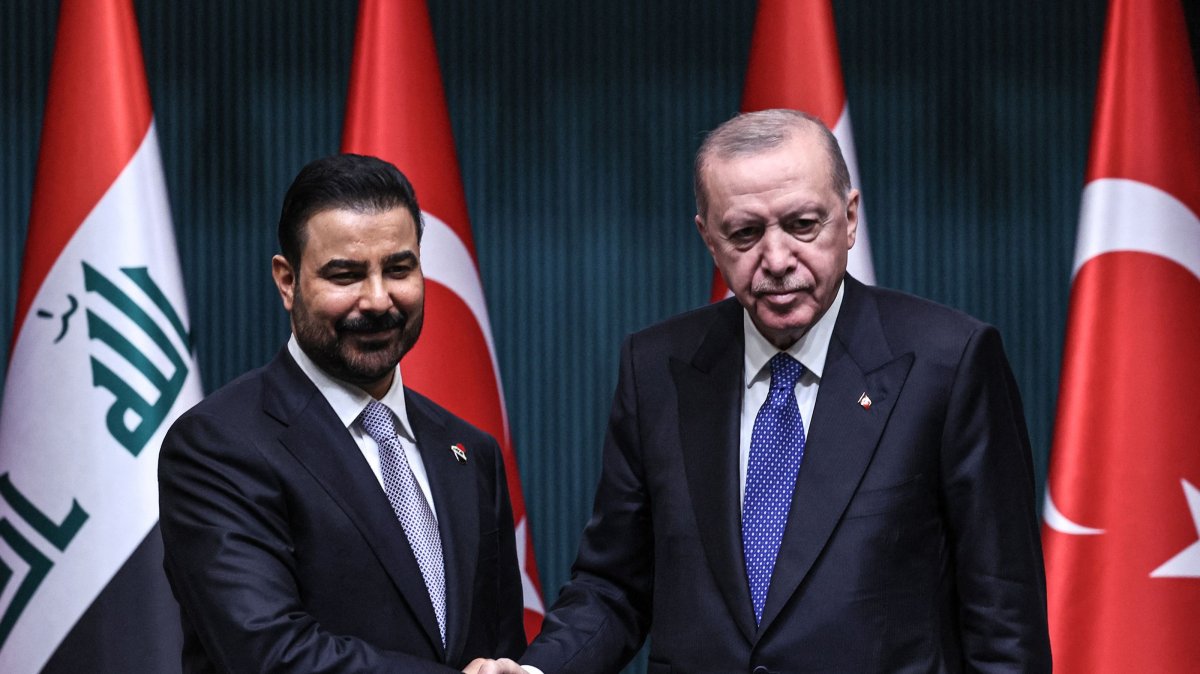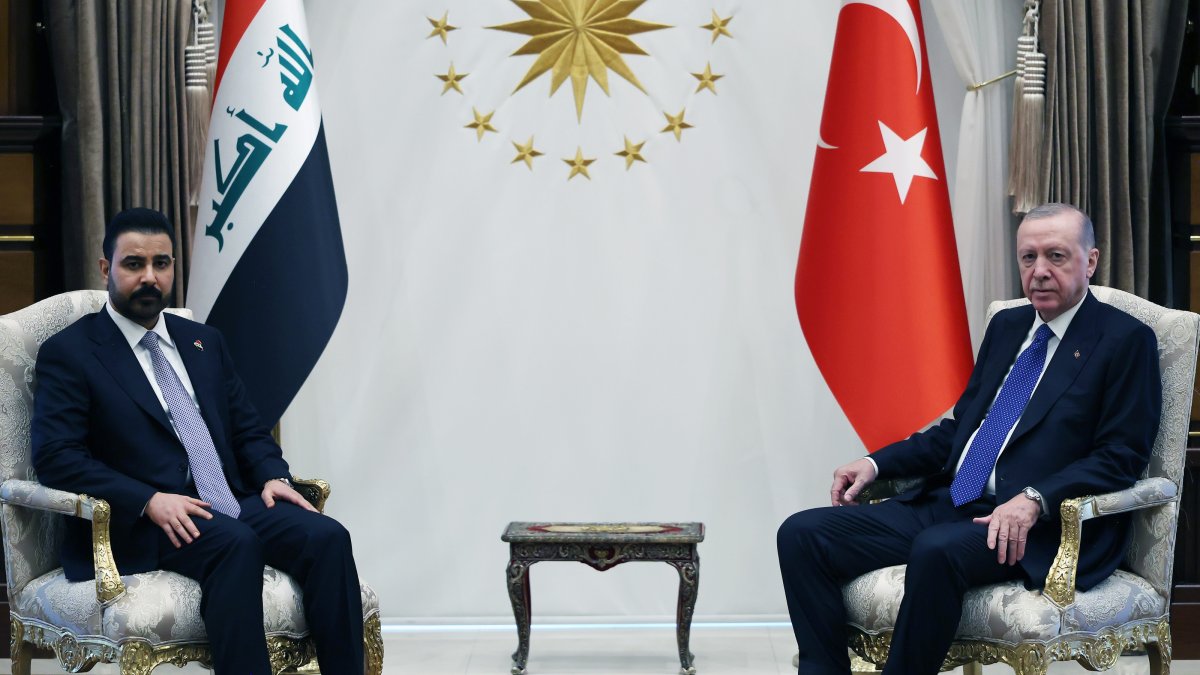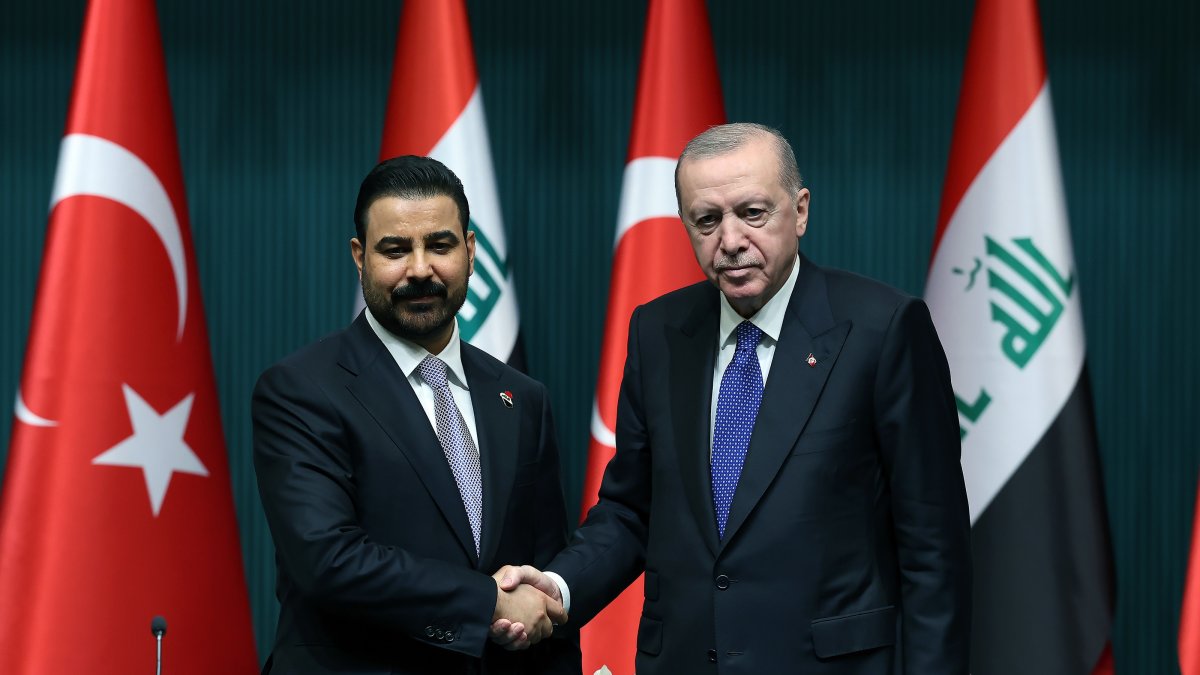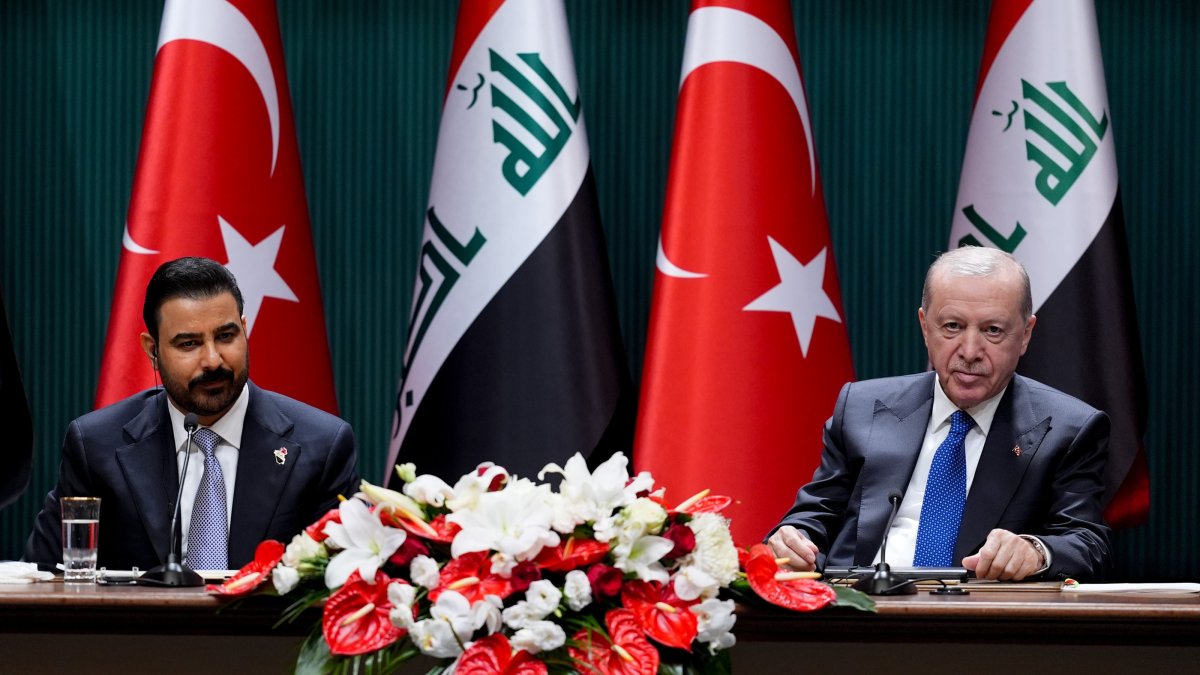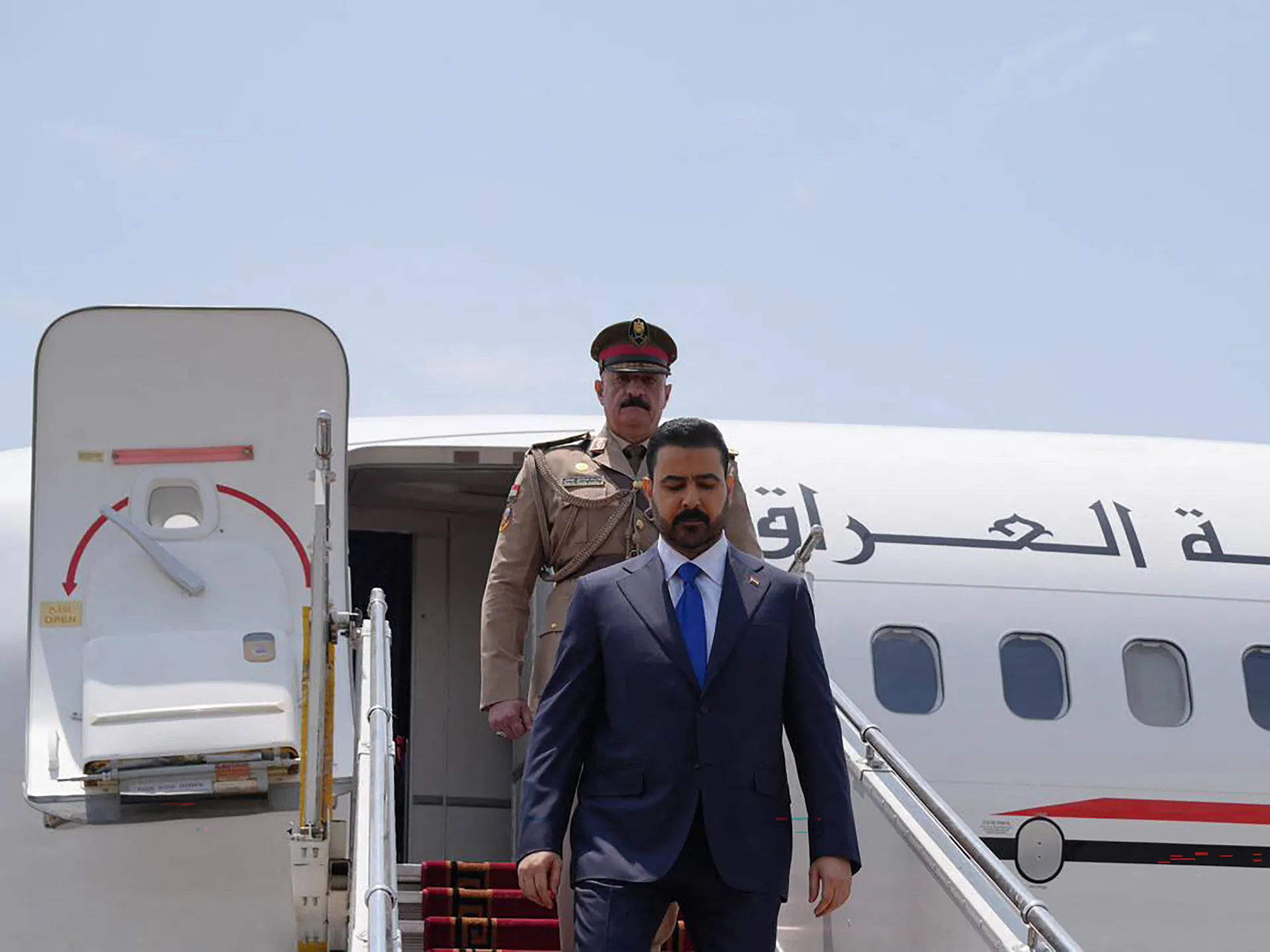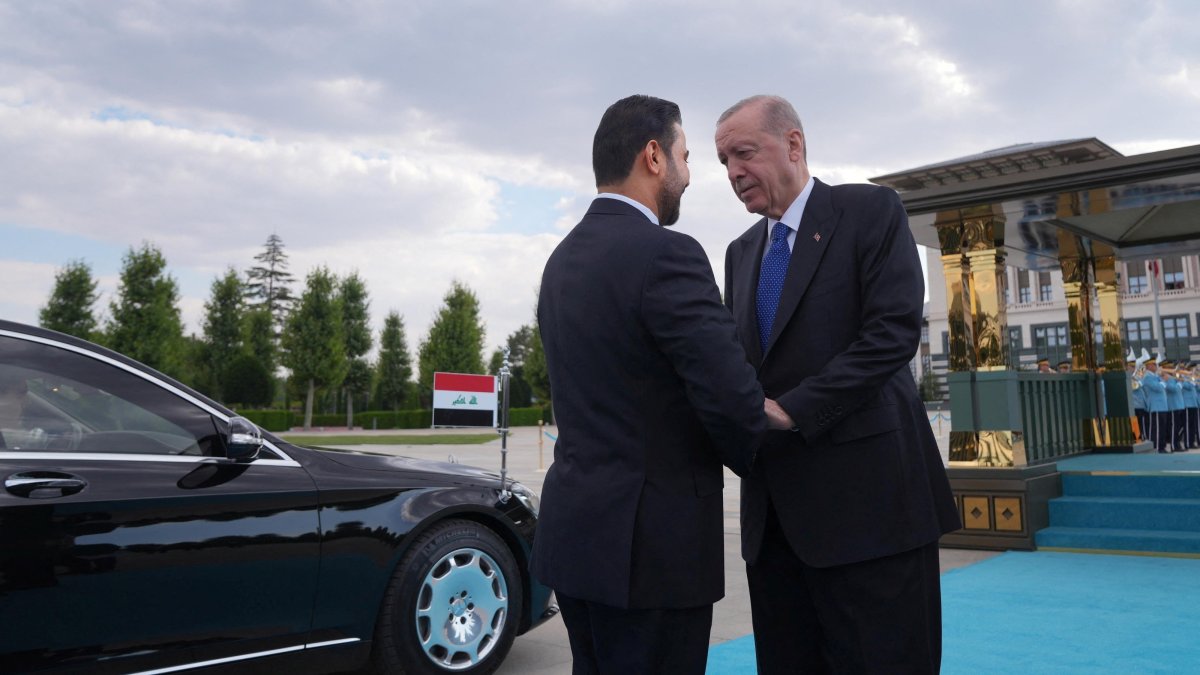
Iraqi Prime Minister Ali al-Zaydi’s Ankara visit bolstered the strategic partnership between Ankara and Baghdad at a time when the Middle East remains consumed by conflict and uncertainty. Türkiye and Iraq are choosing a path centered on connectivity, economic integration and shared prosperity.
The visit also put to rest many of the questions surrounding Iraq's post-election foreign policy trajectory. Following the formation of the new government, some analysts speculated that the momentum achieved under Prime Minister Mohammed Shia Al Sudani could slow amid Baghdad's shifting domestic political balances. Yet the latest agreements in the fields of trade, logistics, energy, sports and education demonstrate that cooperation between Türkiye and Iraq has become increasingly institutional rather than personality-driven. The relationship is now underpinned by shared strategic interests that transcend changes in government. Both capitals recognize that long-term economic interdependence offers a more sustainable foundation for regional stability than short-term political calculations.
Nothing illustrates this strategic convergence better than the Development Road Project. Extending approximately 1,200 kilometers (745 miles) from the Grand Al-Faw Port on Iraq's southern coast to Türkiye's Ovaköy border crossing before connecting with European markets, the corridor represents one of the most ambitious infrastructure initiatives in the Middle East. Estimated to cost around $20 billion, the project will integrate highways, railways and logistics centres into a multimodal transport network capable of reshaping regional trade patterns.