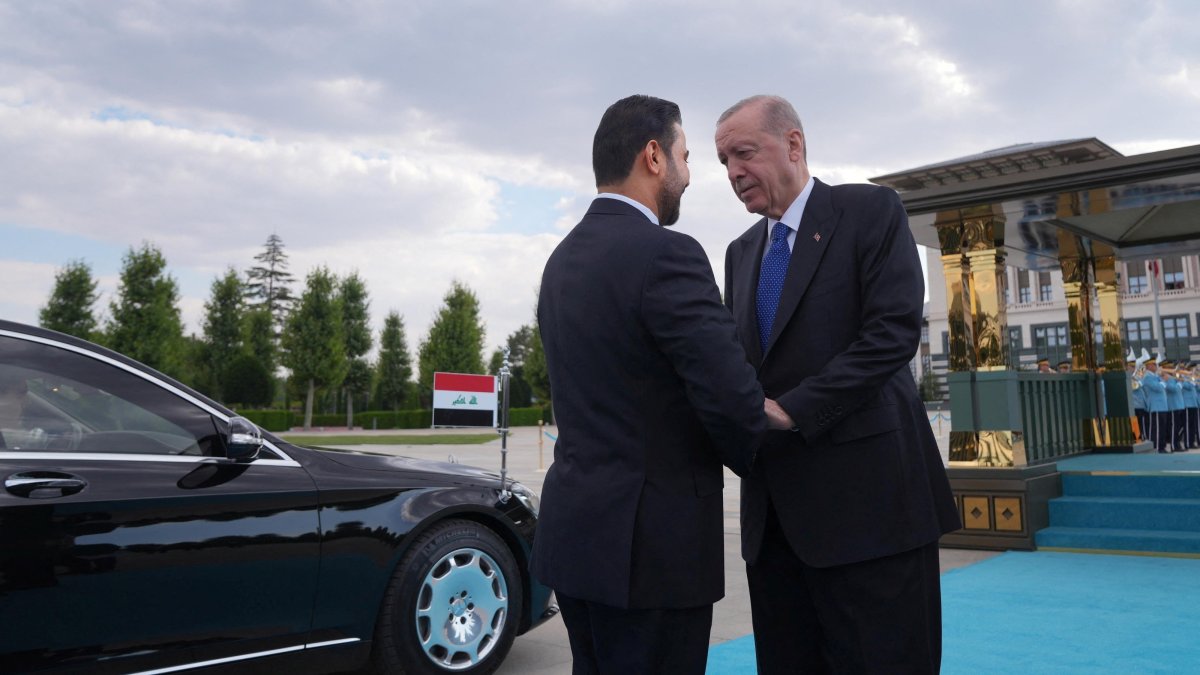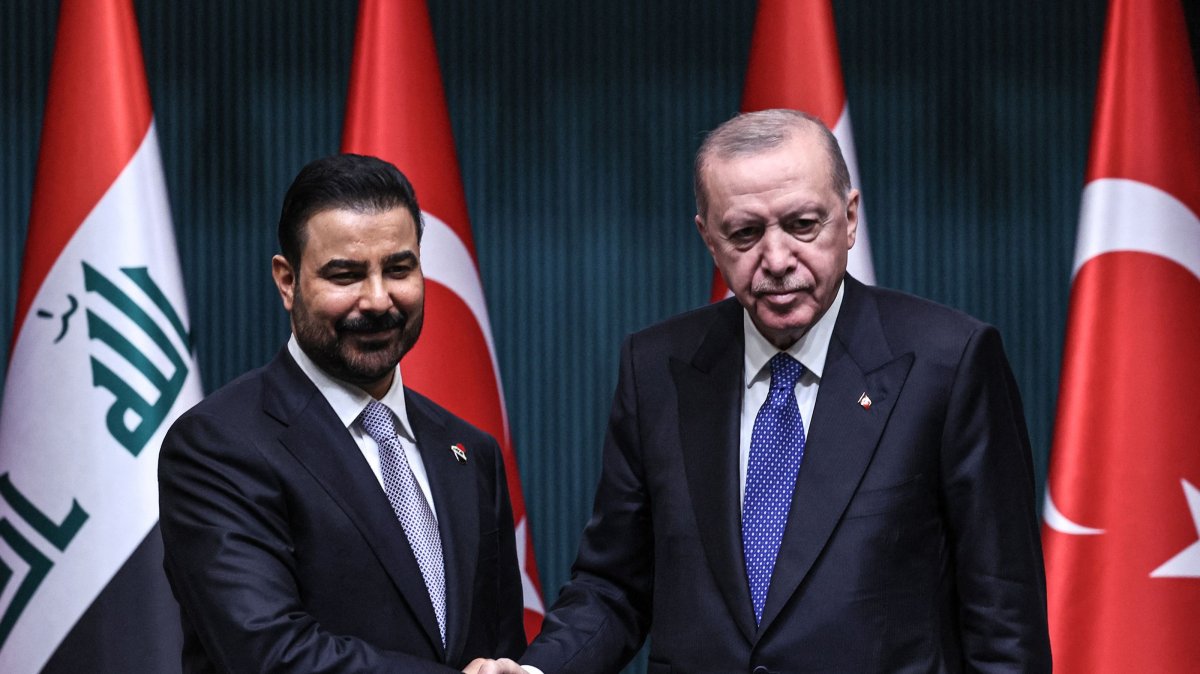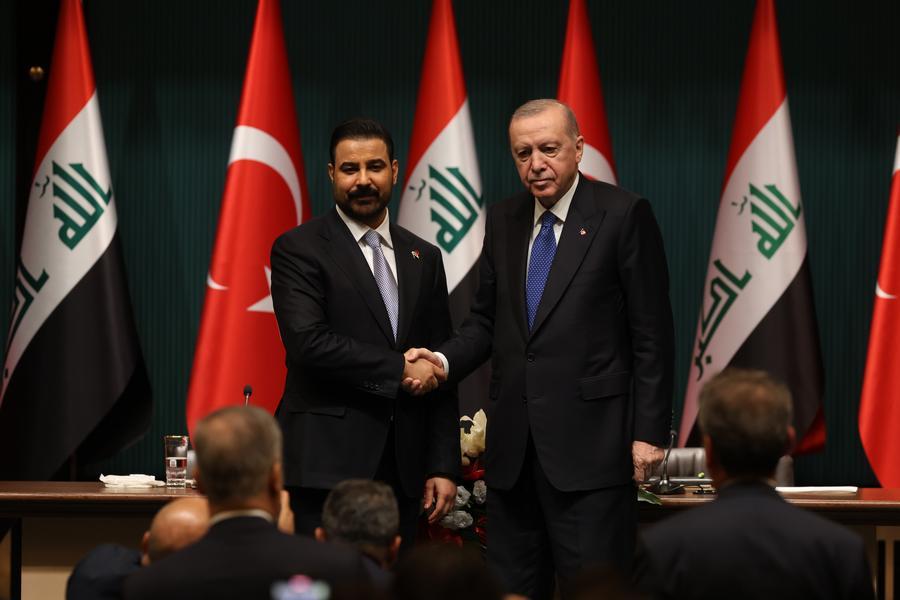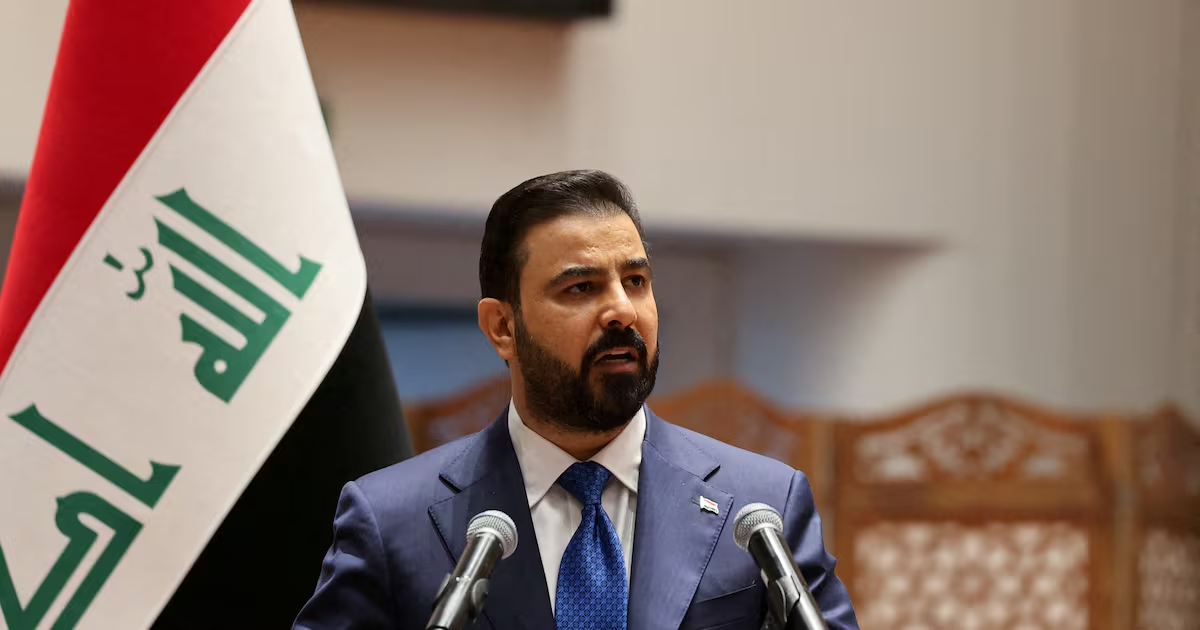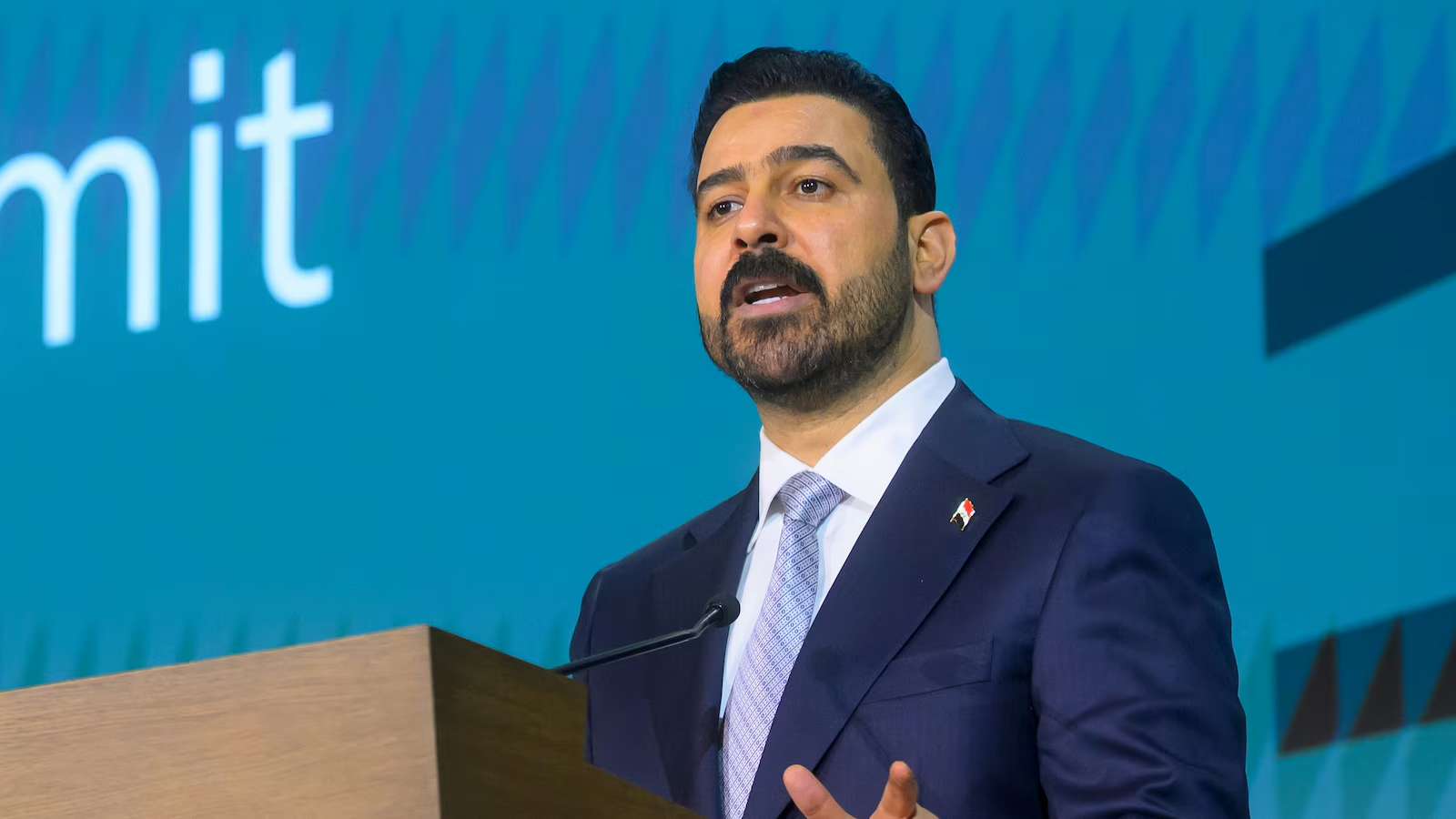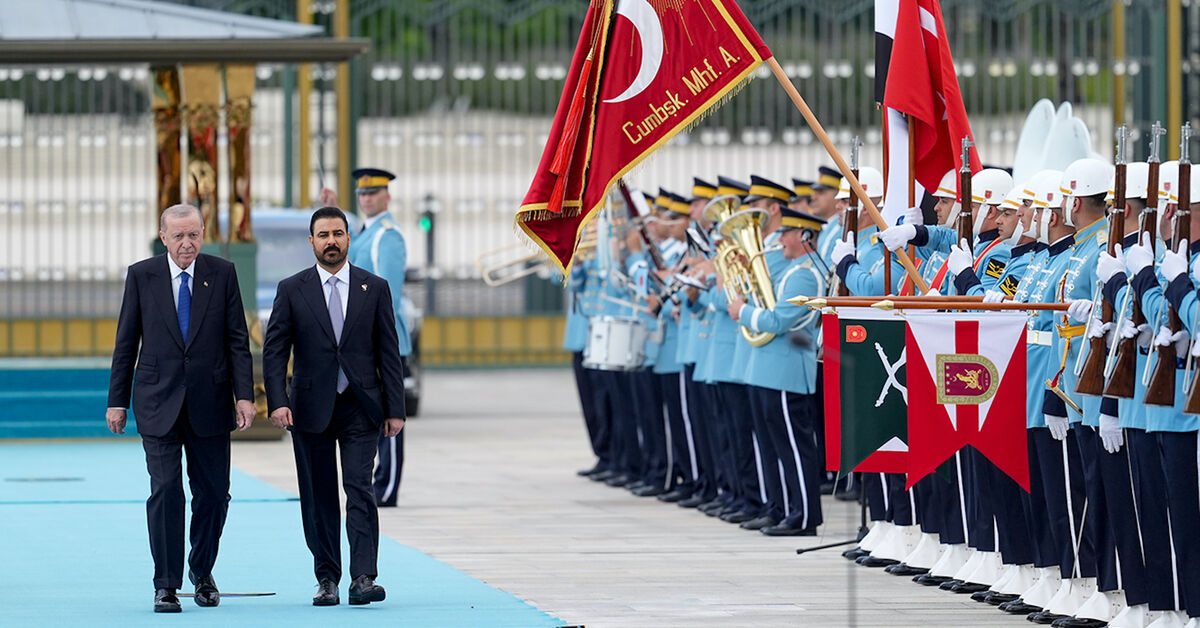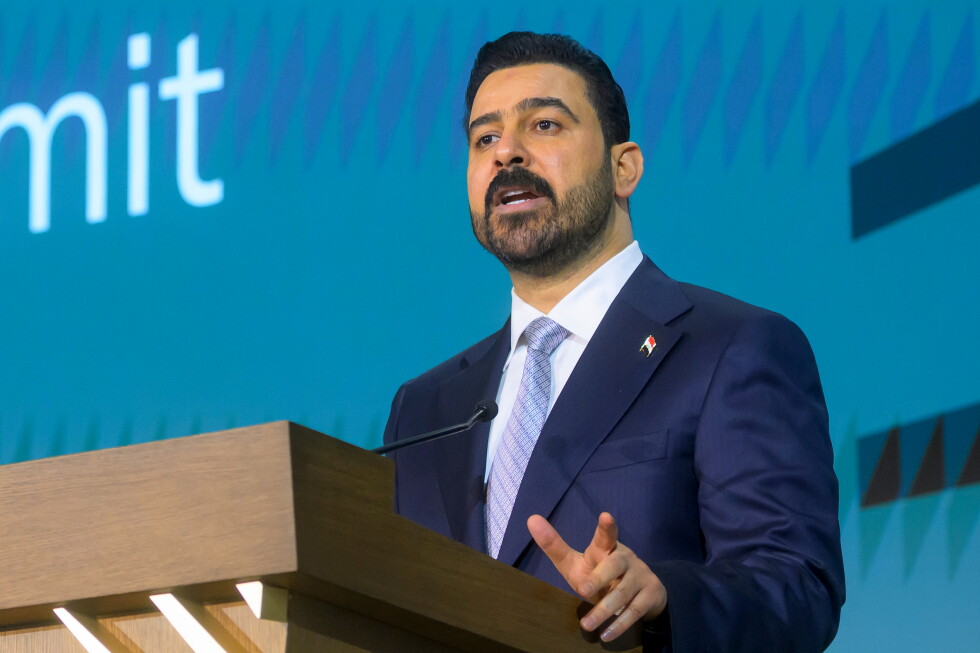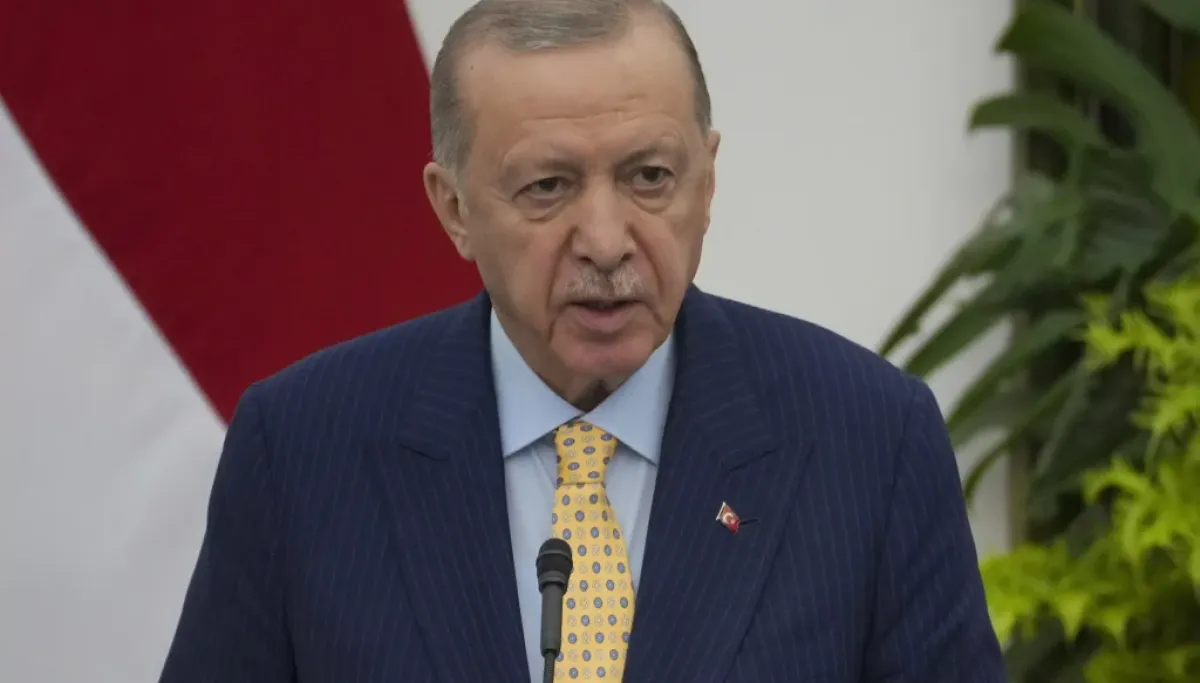
There is an easy way to read Turkish President Recep Tayyip Erdogan’s decision to host Iraqi Prime Minister Ali al Zaidi in Ankara on July 28, and to call the visit “historic”: as an energy story, a pipeline story, a story about barrels and stakes. That reading is not wrong, but simply incomplete.For two decades, Turkey’s dealings with Baghdad focused on strategizing against the Kurdistan Workers’ Party — a separatist Kurdish entity intent on seceding territory from Turkey, conducting cross-border raids, and maintaining a network of bases holding no fewer than 4,000 Turkish troops across Erbil, Duhok, and Nineveh. That narrow, security-first relationship is being folded into something much more expansive, and Iraq’s Kurds are not reassured: a courtship of Baghdad, quietly encouraged by Washington’s own envoy Tom Barrack, to the region is widely felt in Kurdish circles to come at their expense.
None of this is happening in isolation. It fits a template Ankara has been running since 2024: rapprochement with Cairo, a defense framework with Riyadh, and coordination with Islamabad that a growing number of analysts now describe as an emergent Sunni-majority bloc. Erdogan has paired that outreach with a two-decade buildup across Africa, where Turkey’s embassy count has nearly quadrupled since 2002, and drone sales, military academies, and scholarships have built the kind of durable loyalty a single arms contract cannot. Iraq, hoping to leverage its geographic position as an economic and trade asset rather than a security liability, is eager to engage. And Washington, intending to wrest Iraq from Iran’s sphere of influence, is eager to support an expanded relationship between Baghdad and Ankara.