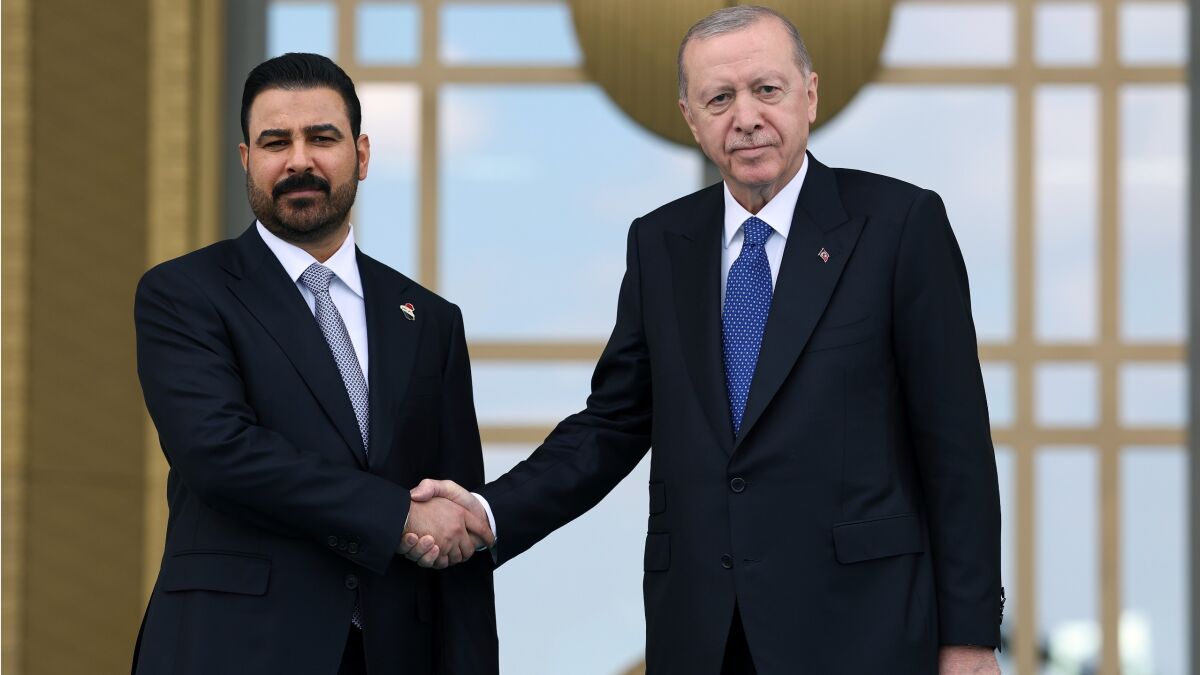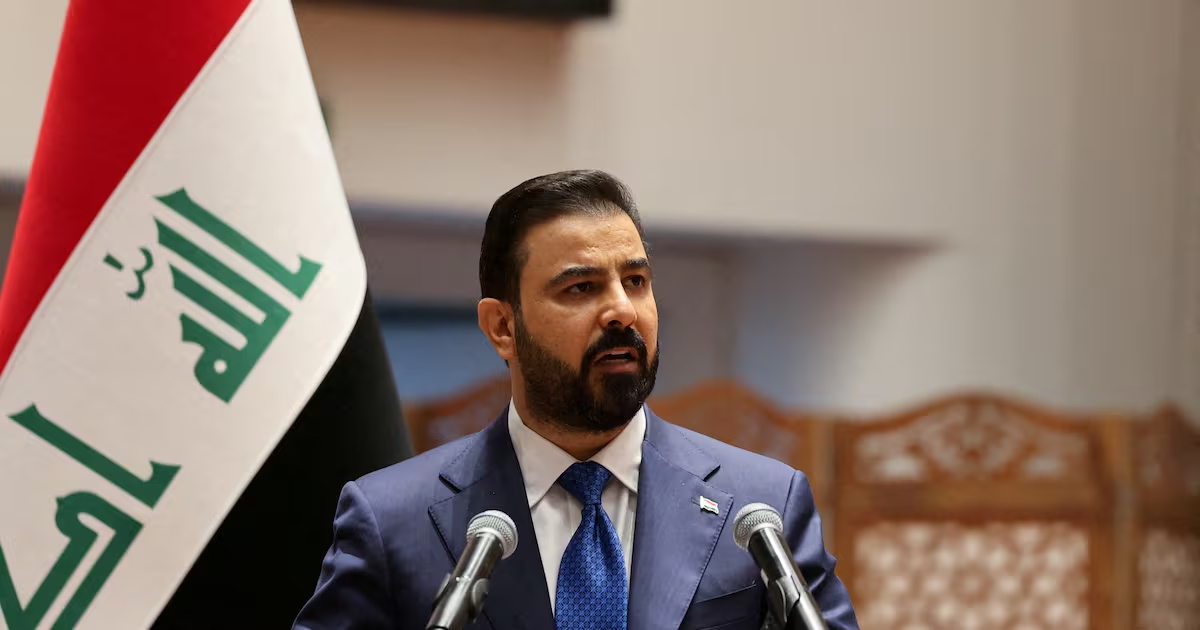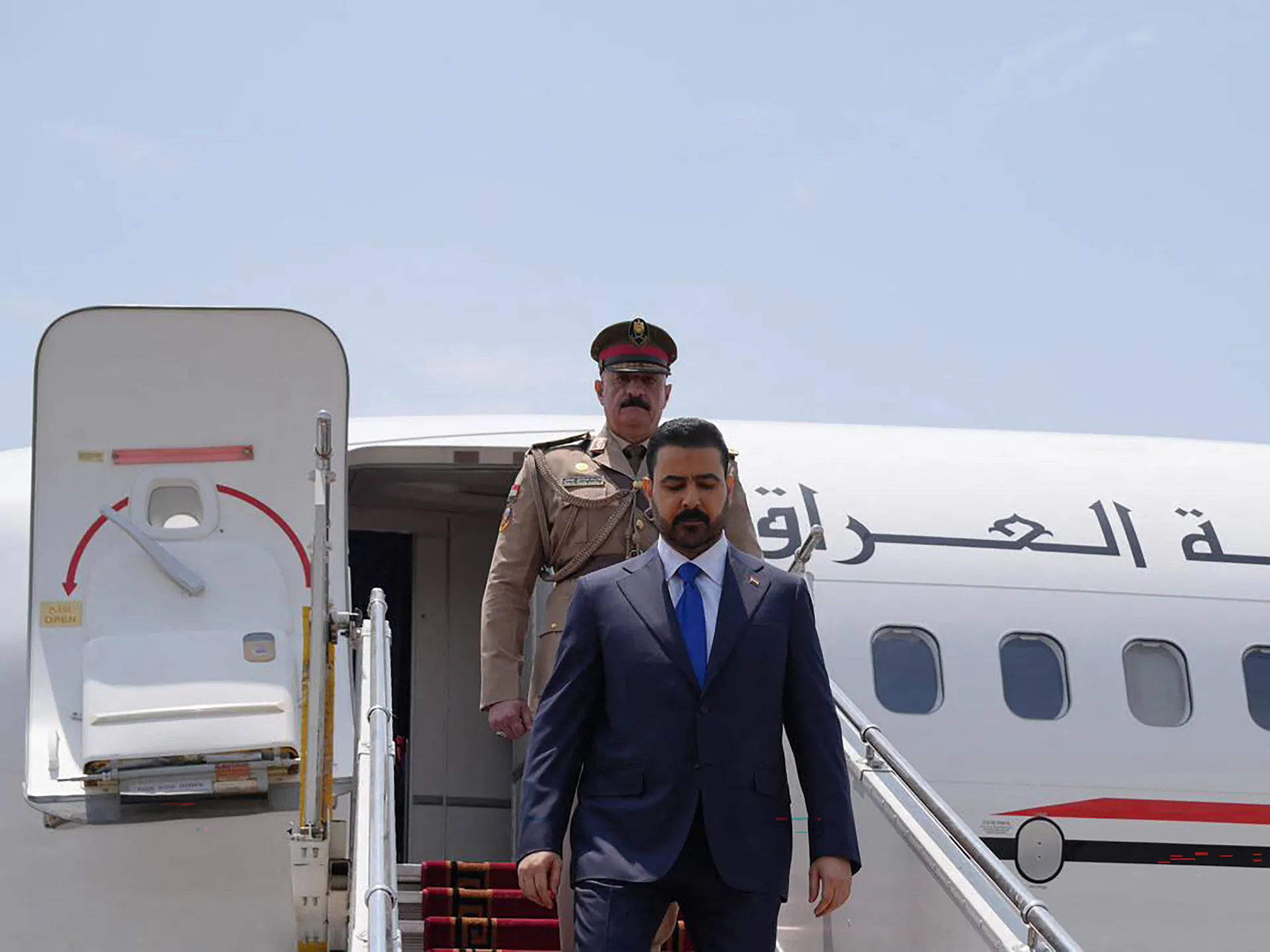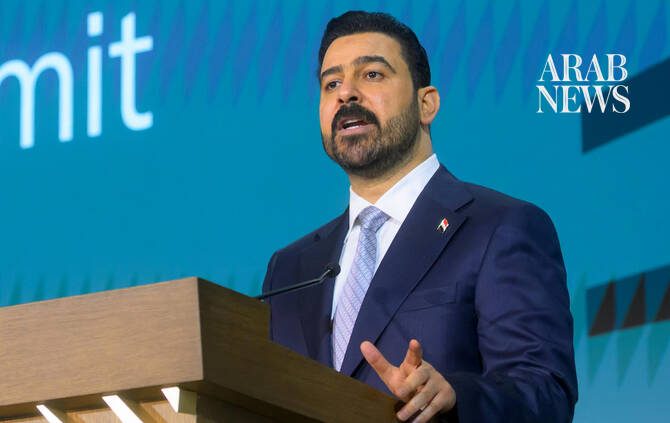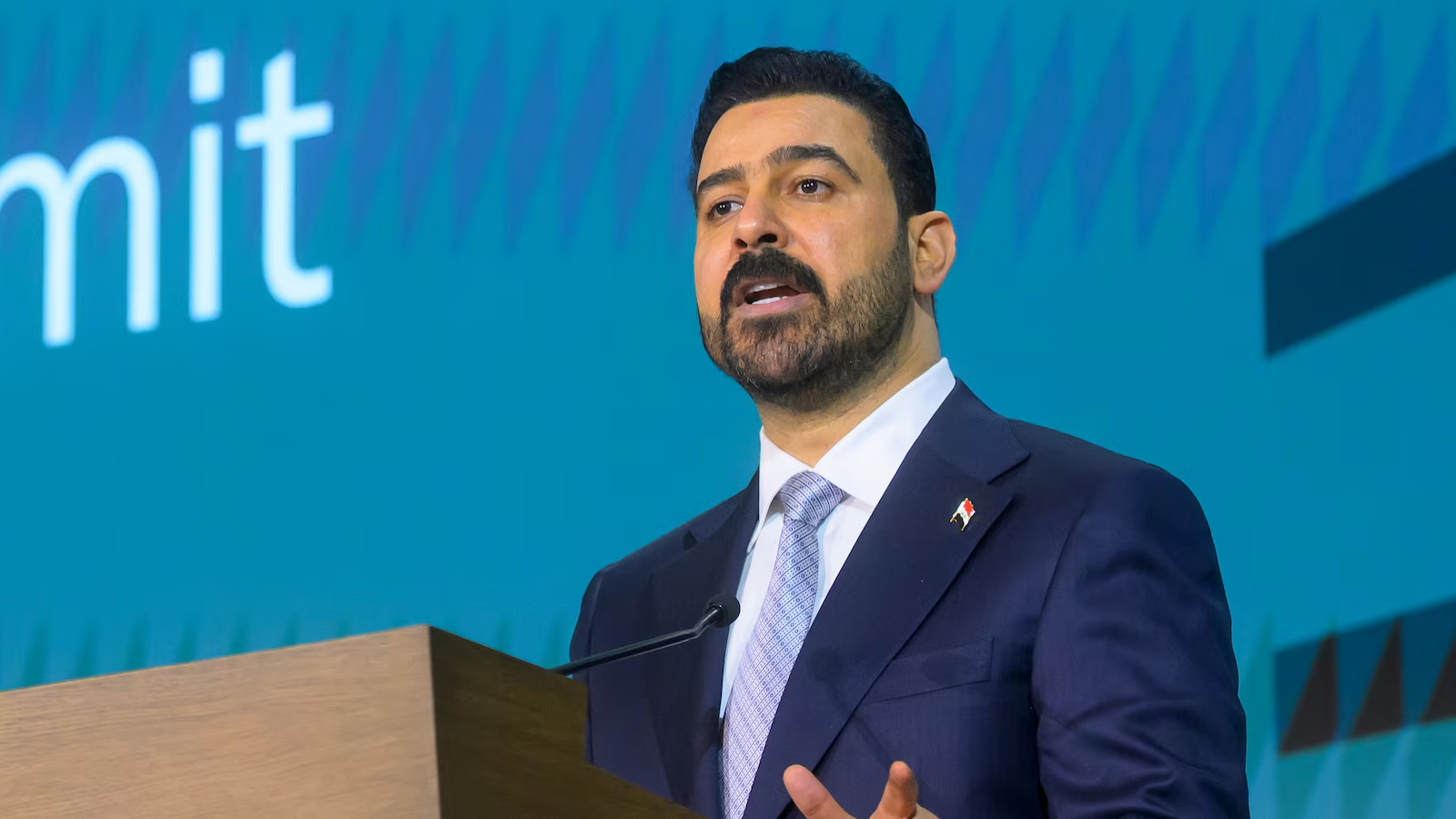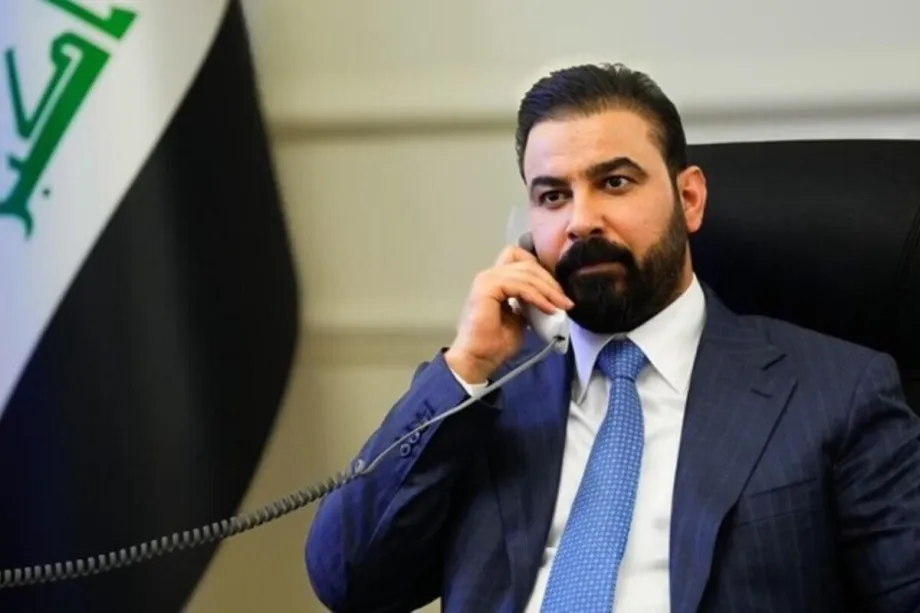
Iraq’s foreign policy has often been interpreted through the framework of balancing between competing regional and international powers. Yet Prime Minister Ali al-Zaidi’s visits to Washington, Tehran and Ankara suggest that this framework no longer fully explains Baghdad’s foreign policy. Iraq is increasingly engaging several partners in the same policy areas rather than assigning security, energy, trade and infrastructure to separate external actors. The objective is not simply to broaden diplomatic relations, but to distribute the risks arising from Iraq’s dependence on countries, export corridors, financing mechanisms and regional conditions.
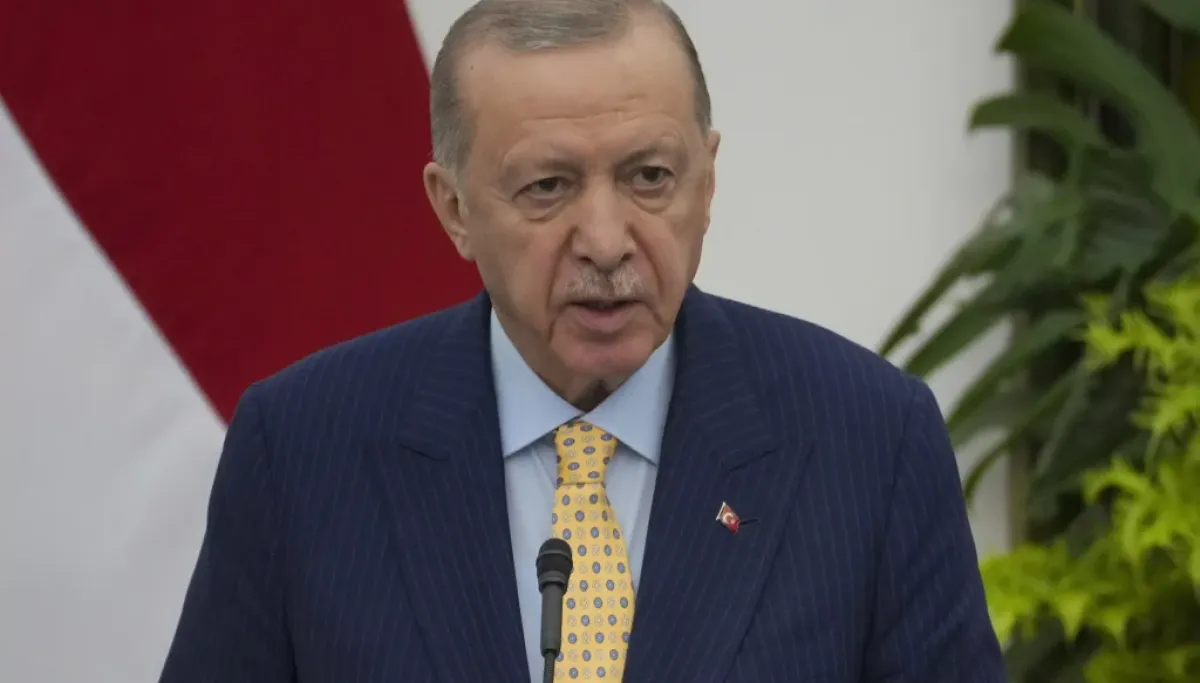
Türkiye occupies a distinct position within this emerging multi-partner approach. Türkiye’s importance derives not only from bilateral trade or political relations but also from its ability to connect Iraq’s domestic economy to northern export routes, European markets, transport networks, security cooperation and water-management projects, all at the same time.
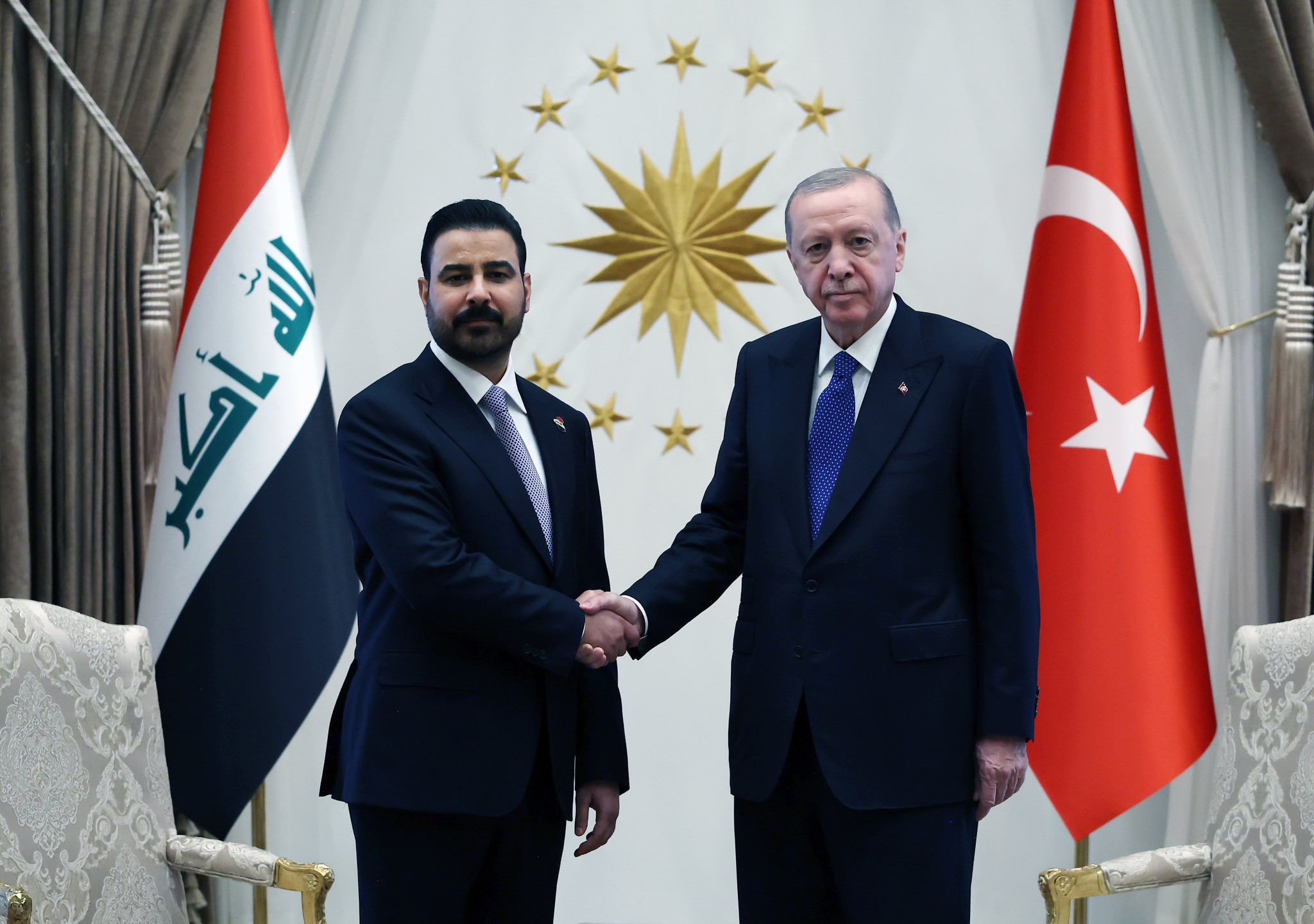
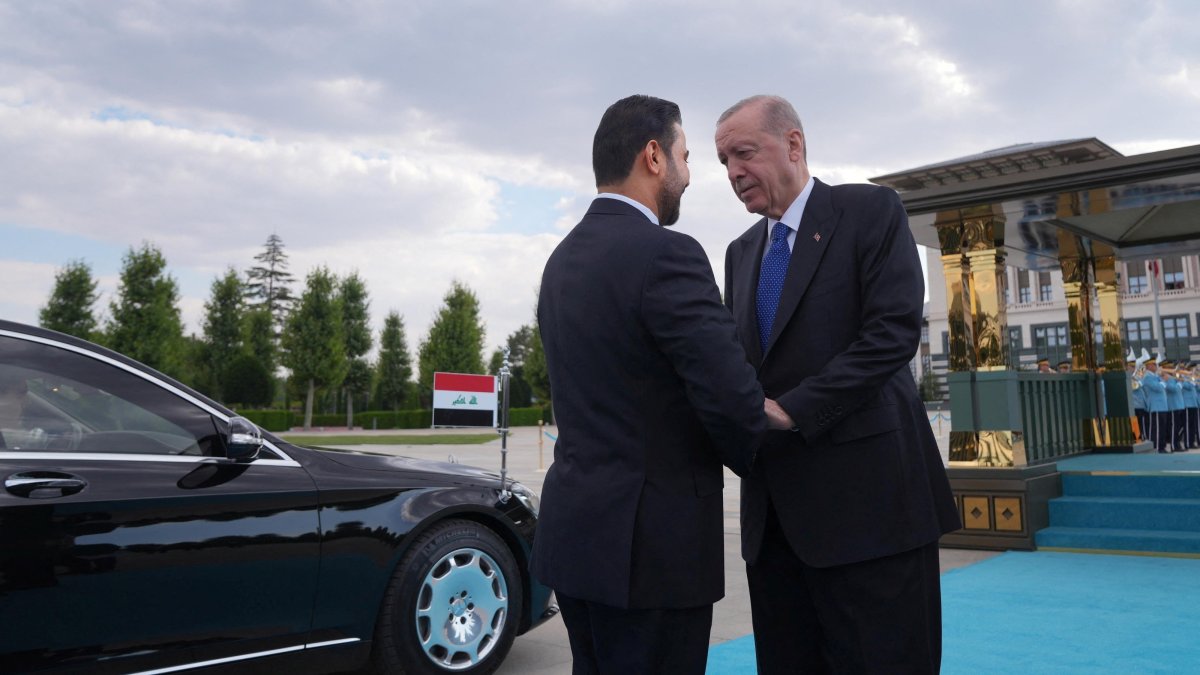
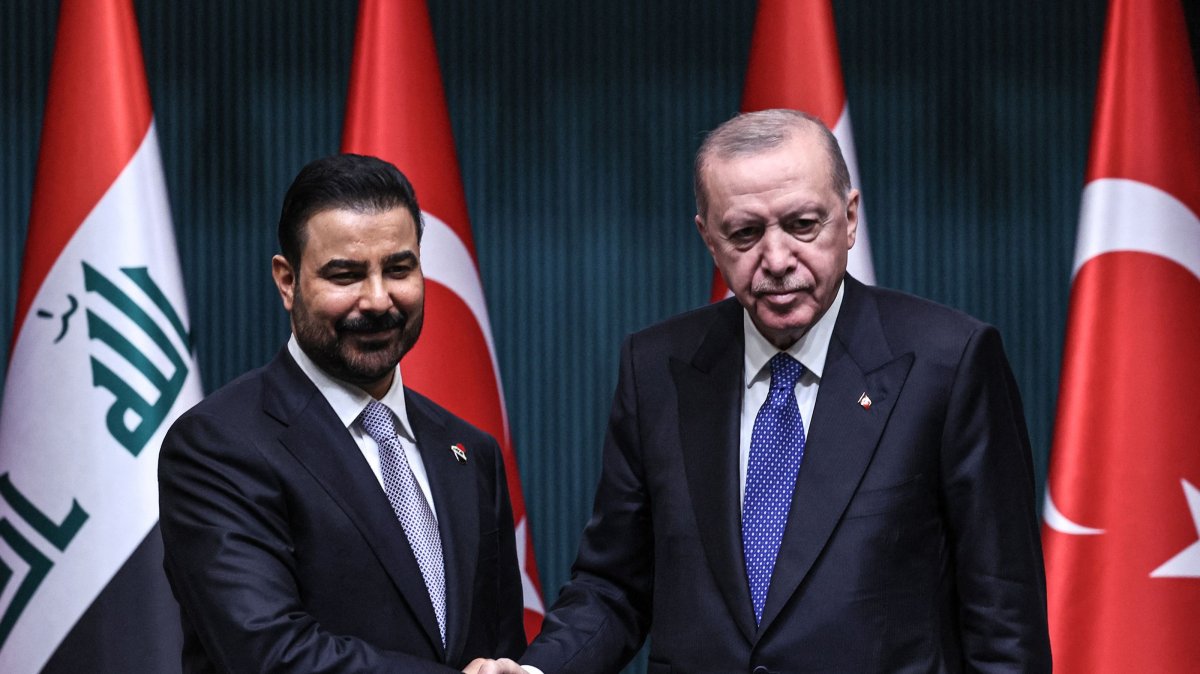
The Ankara visit brought these fields together through agreements and proposed mechanisms that could produce solid outcomes inside Iraq. It therefore provides a useful case for examining how Baghdad seeks to diversify its dependencies. However, the durability of this approach will depend on whether political agreements can be translated into coordinated implementation by Iraqi institutions.