Published July 28th, 2026 - 03:55 GMT
Highlights
A key item on the agenda was advancing the Development Road project, a major infrastructure initiative designed to link Iraq's Grand Faw Port to the Turkish border through an integrated highway and railway network
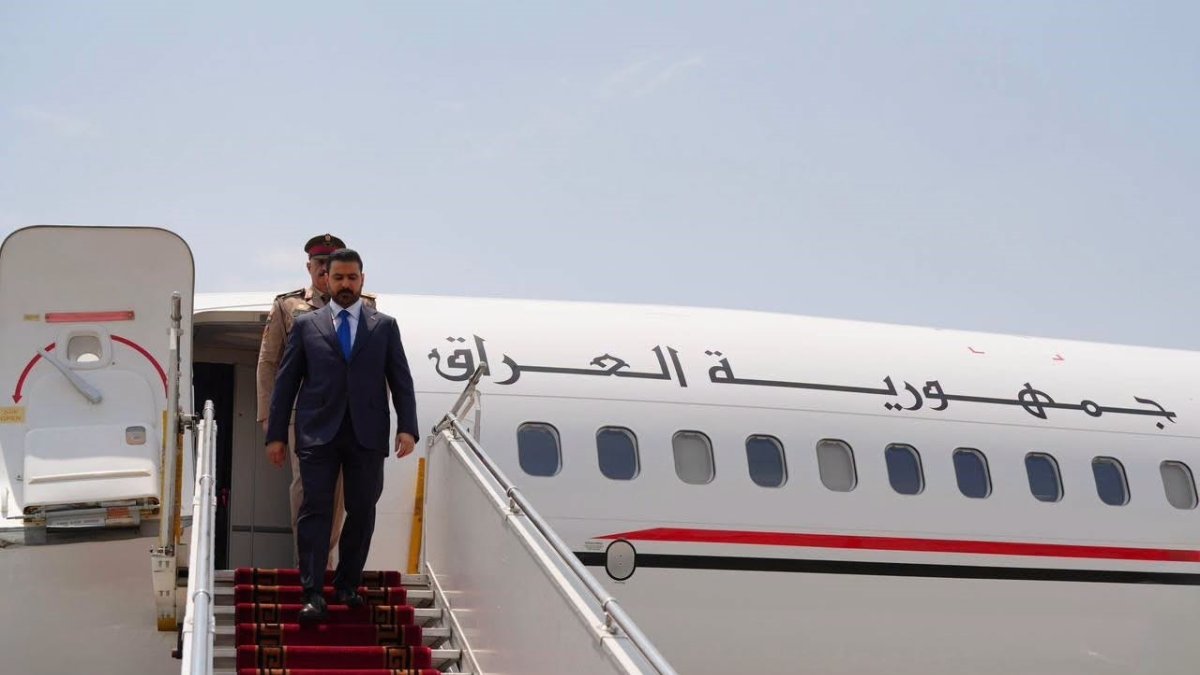
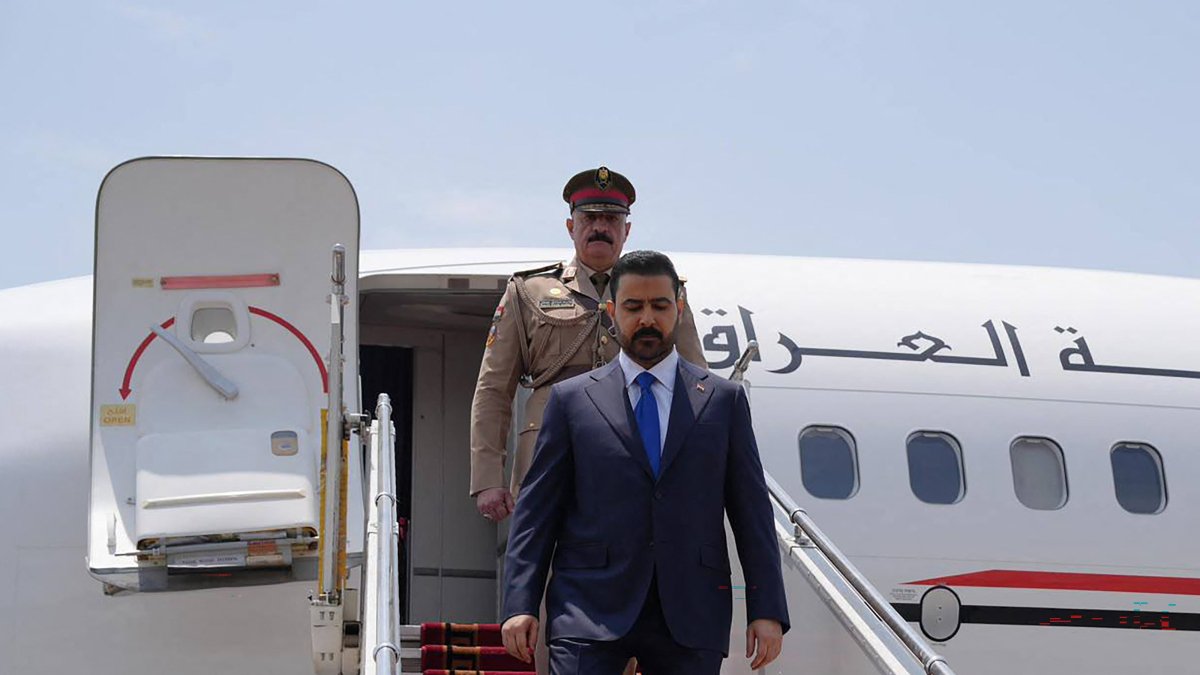
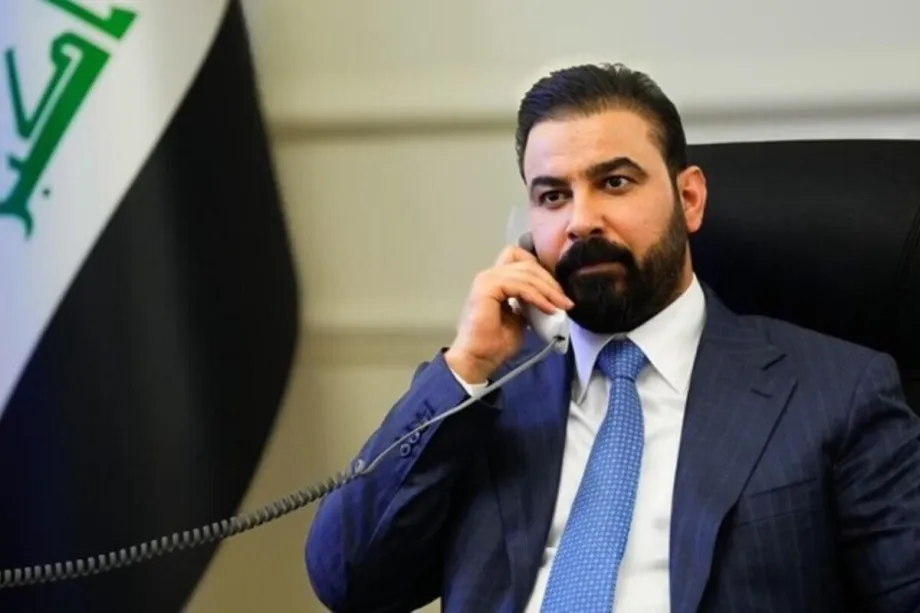
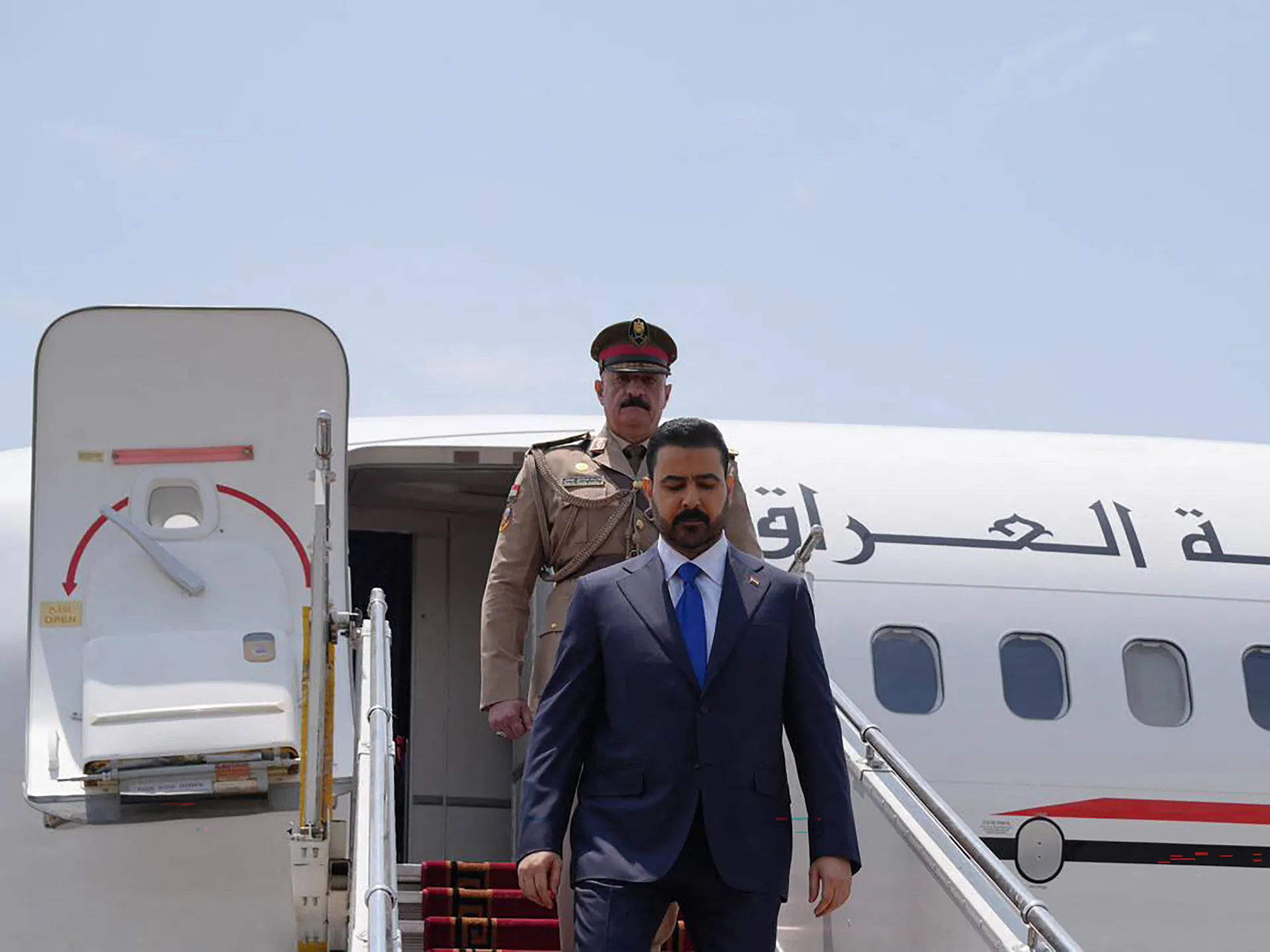
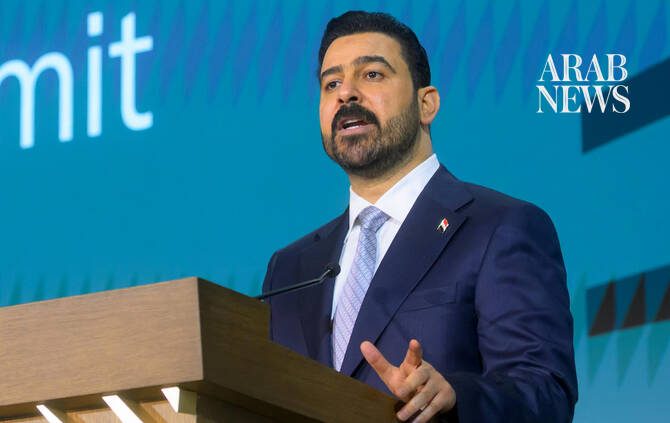
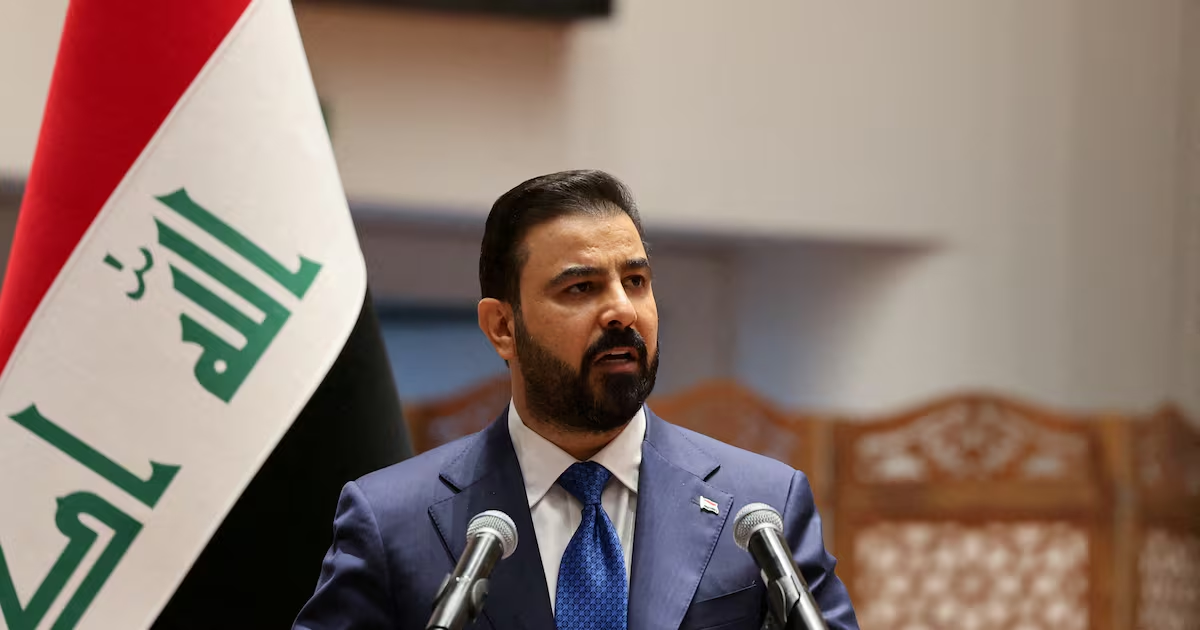
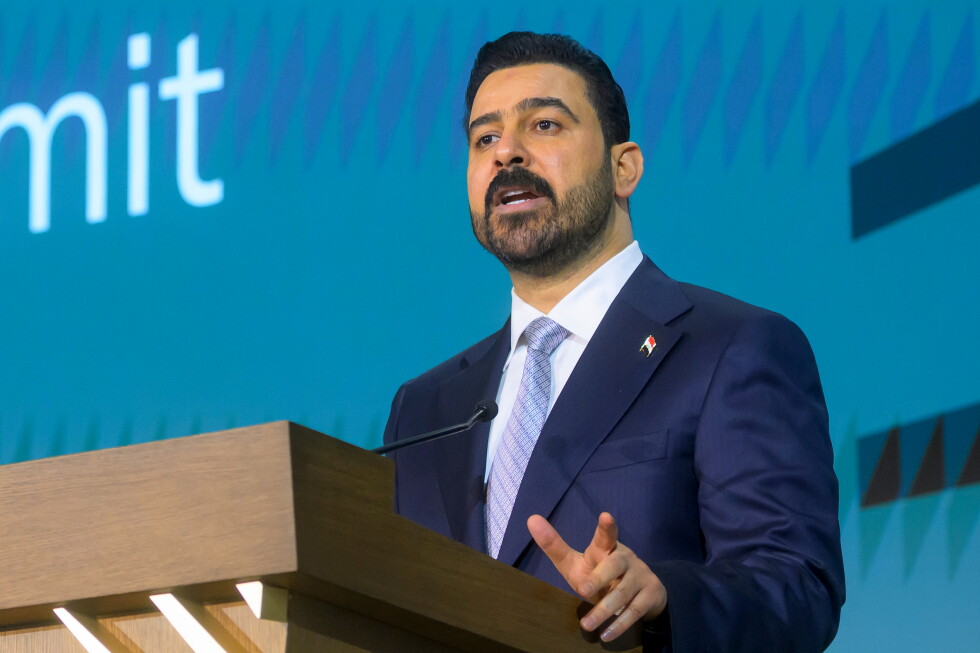
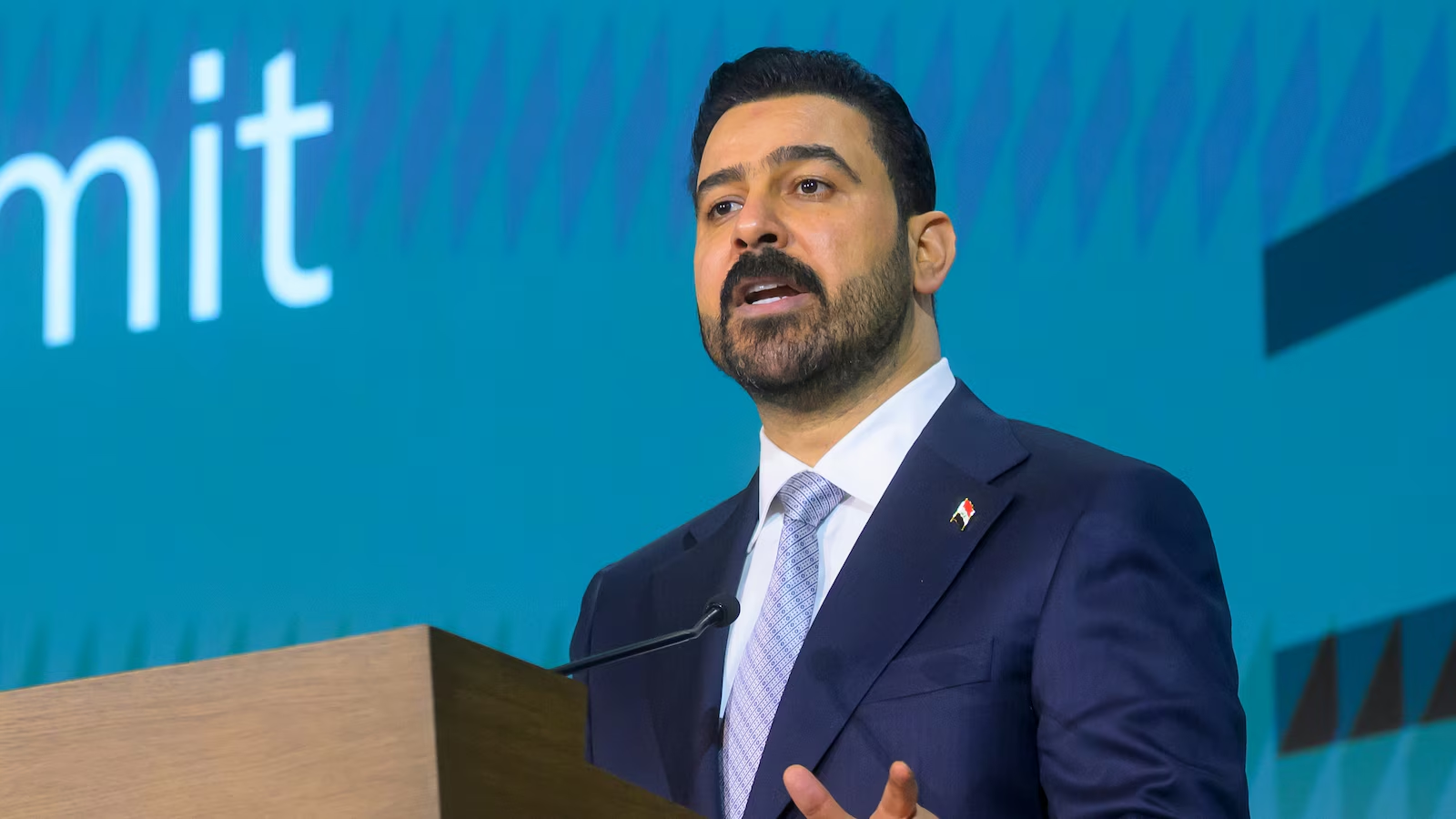
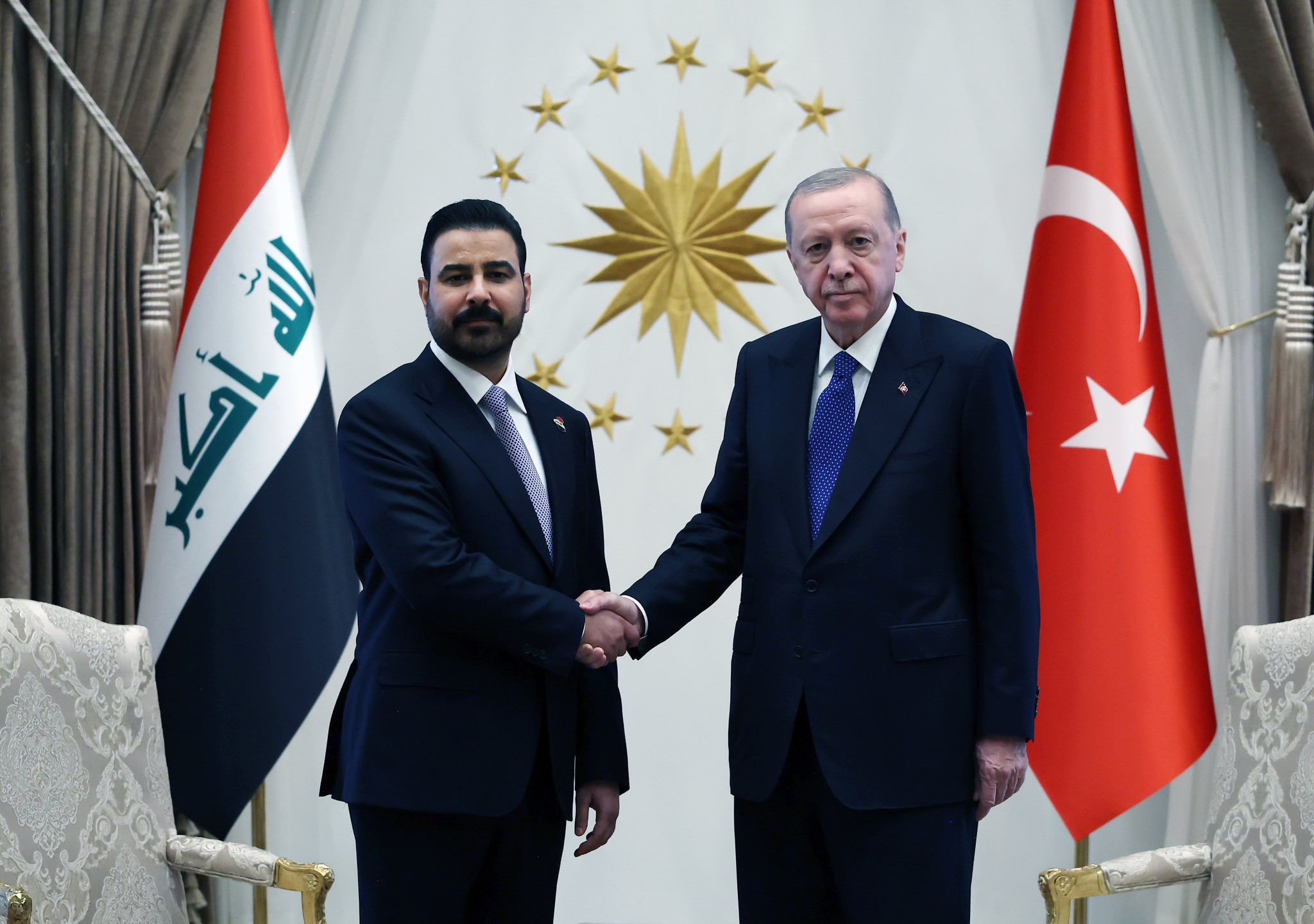
ALBAWABA- Iraqi Prime Minister Ali Faleh Al-Zaidi arrived in Ankara on Tuesday on his first official visit to Turkey since taking office in May, following an invitation from Turkish President Recep Tayyip Erdoğan, as Baghdad seeks to deepen strategic ties with its northern neighbour amid mounting regional tensions.President Erdoğan welcomed Al-Zaidi at the Presidential Complex in Ankara, where the two leaders held bilateral talks before chairing expanded meetings between their respective delegations. The visit concluded with the signing of several agreements and memoranda of understanding, followed by a joint press conference outlining the outcomes of the discussions.The talks focused on strengthening cooperation in security, trade, energy, transportation, water management, and regional affairs. A key item on the agenda was advancing the Development Road project, a major infrastructure initiative designed to link Iraq's Grand Faw Port to the Turkish border through an integrated highway and railway network, creating a strategic trade corridor connecting Asia and Europe.🇹🇷🇮🇶 استقبل الرئيس التركي رجب طيب #أردوغان، بمراسم رسمية، رئيس الوزراء العراقي علي الزيدي في المجمع الرئاسي بالعاصمة أنقرة🔴 وأفاد مراسل الأناضول، الثلاثاء، بأن فرقة الفرسان التابعة للمجمع الرئاسي رافقت موكب الزيدي حتى بوابة المراسم🔴 وعقب الاجتماعات الثنائية، ثم الاجتماعات… pic.twitter.com/wyA6VuL09E— Anadolu العربية (@aa_arabic) July 28, 2026 Turkish officials described the visit as an important step toward expanding the strategic partnership between the two neighbouring countries, with both sides seeking closer economic integration and enhanced security coordination.The Ankara visit follows Al-Zaidi's recent diplomatic trips to the United States and Iran, reflecting Baghdad's efforts to maintain balanced relations with major regional and international partners.During his visit to Washington, the Iraqi premier met US President Donald Trump, securing economic agreements and a timetable for the withdrawal of US forces from Iraq by the end of September 2026. In Tehran, he signed a series of agreements covering transportation, rail connectivity, municipal cooperation, and public administration.Al-Zaidi's visit to Turkey comes against the backdrop of escalating regional tensions. Day earlier, Saudi Arabia accused Iran-backed Iraqi armed groups of carrying out drone attacks on oil facilities in Abqaiq, allegations denied by Iraq's Hezbollah Brigades. Yemen's Houthis later claimed responsibility for the attacks, describing them as retaliation for what they said were Saudi violations of Yemeni airspace and the downing of a Turkish-made Bayraktar drone over Al-Jawf.The regional escalation has placed Iraq in a delicate position as it balances relations with both Iran and Turkey while facing continued US pressure to curb Iranian influence and restrain Tehran-aligned armed groups. Baghdad has simultaneously sought to preserve its economic and security ties with Iran while strengthening cooperation with Turkey to diversify its economic partnerships and reinforce regional stability.The broader backdrop remains the ongoing confrontation between the United States and Iran, which has involved direct military strikes, proxy attacks, and disruptions to regional energy routes. Hosting US forces while maintaining deep political, religious, and economic ties with Iran, Iraq has increasingly pursued a policy aimed at safeguarding its sovereignty, attracting investment, preventing its territory from being used for attacks on neighbouring states or US interests, and reinforcing its role as a regional mediator.The rapprochement between Baghdad and Ankara also carries strategic significance for both countries, particularly regarding counterterrorism cooperation, management of shared water resources from the Tigris and Euphrates rivers, and efforts to address security challenges linked to northern Iraq and neighbouring Syria.