As is well known, Iraq was invaded in 2003 by the U.S.-led coalition. Yet, despite it being more than two decades, the country has been unable to fully restore its stability as a functioning state. Today, Iraq continues to struggle with persistent political, security and economic challenges.
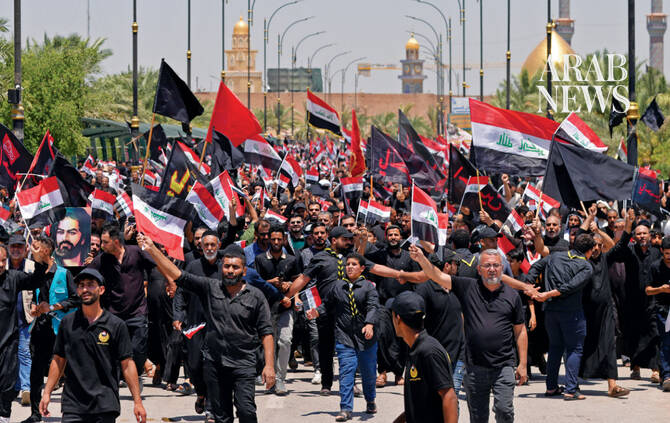
Two major powers within Iraq emerged in the aftermath of the invasion. The first was the Shiite majority, which accounts for roughly 60% of Iraq's population. The second was the autonomous Kurdish administration established in the north. Together, these two forces came to define both the new political balance of post-Saddam Iraq and the country's fragmented state structure.
At the time, relations between the U.S. and Iran were far less confrontational than they are today. Washington first overthrew the Taliban regime in Afghanistan, eliminating a major threat on Iran's eastern border. It then removed Saddam Hussein and established a new political order in Iraq. Over time, however, the new Iraqi administration evolved largely into a sphere of Iranian influence.
During the years of post-invasion turmoil, Iran didn’t make much effort to help Iraq emerge as a strong and stable state. In a sense, while the U.S. occupied Iraq, Iran ensured that the new political order remained sustainable within its own sphere of influence.