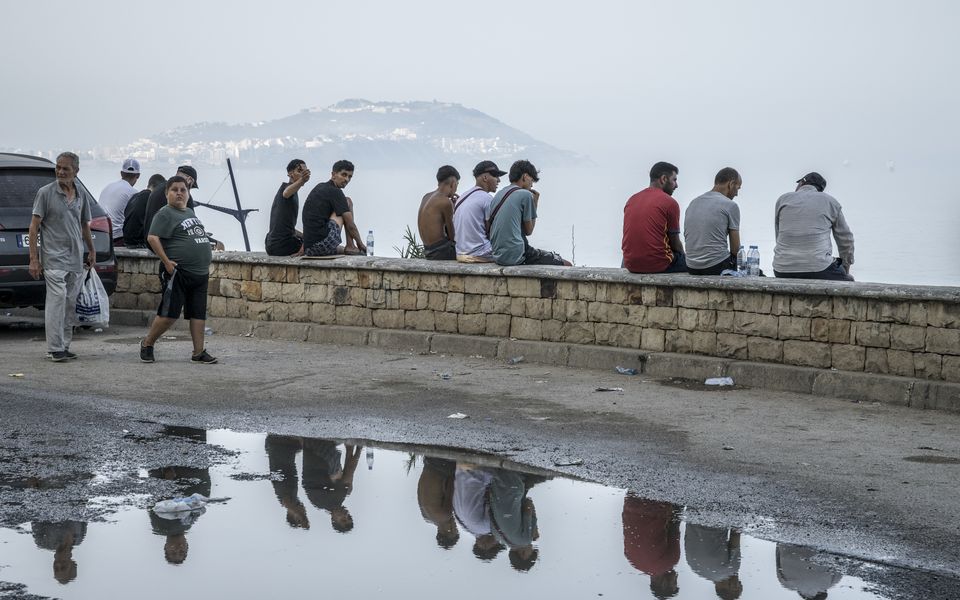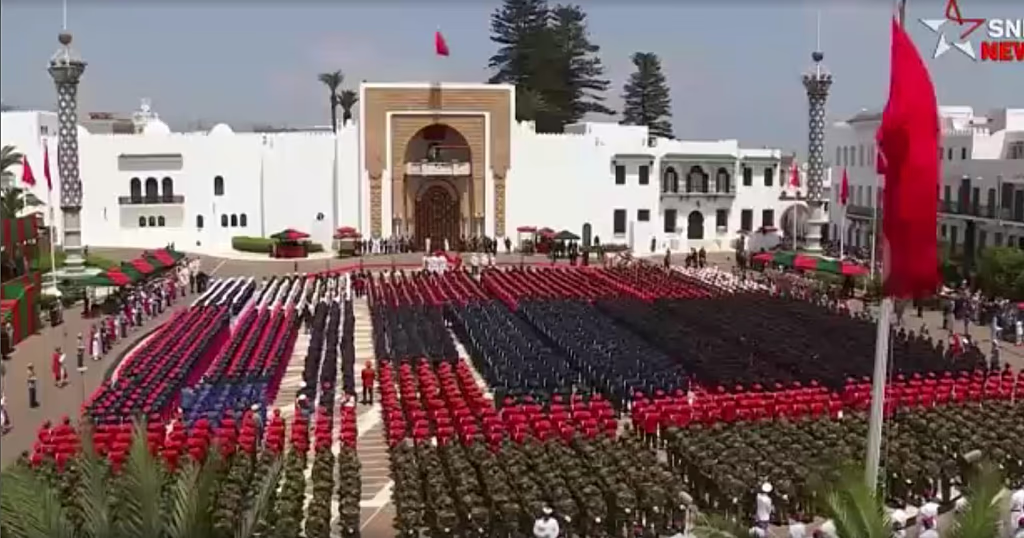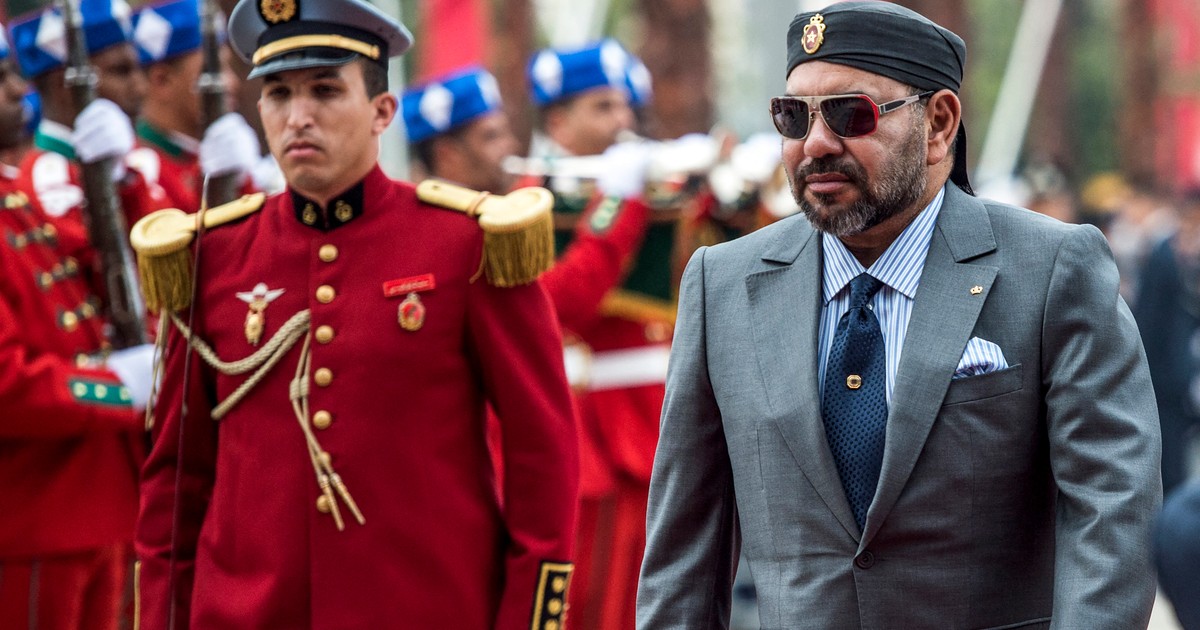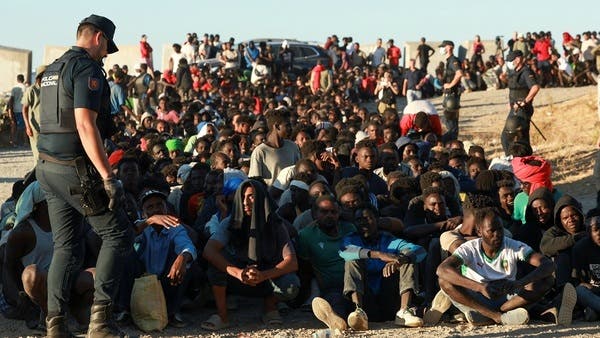
On the road to M’diq on Throne Day, I first mistook the running crowds for part of the celebration. Young me – Moroccans and sub-Saharan Africans – and later women were moving urgently in the same direction as our car. I assumed they were hoping to catch sight of a royal motorcade, wave to King Mohammed VI and mark the anniversary of his accession to the throne. Within minutes, that reassuring explanation collapsed. They were not running to celebrate Morocco.For all the latest headlines follow our Google News channel online or via the app.They were heading towards Ceuta, the territory administered by Spain and regarded by many Moroccans as land still under Spanish occupation. They were not running to greet the King. They were running towards what they believed was Europe. Then the groups became crowds, and the crowds seemed endless.Tens of thousands ultimately entered Ceuta, many by swimming around the coastal barriers or advancing along the shoreline. Later returned to Morocco, but thousands remained stranded in the enclave. More than 80 people were reported dead on the Moroccan and Spanish sides, while reception facilities in Ceuta collapsed under the pressure. This was alarming, but it was also educational.During the hours that followed, I spoke with several Moroccans about what was happening. Many believed the timing was not accidental. On Throne Day, while the country was celebrating the monarchy and the achievements of the past 27 years, images of desperate Moroccan youths rushing towards a European border were spreading across the world.To some, it appeared designed to embarrass the state and, above all, the King.That suspicion deserves investigation. It should not, however, be carelessly presented as proven fact. Current reporting points to several possible factors: False social-media messages claiming that the border had effectively opened, trafficking networks, confusion surrounding a Spanish court ruling and serious failures in anticipating or controlling the crowds.Spanish intelligence assessments cited in the press reportedly concluded that Morocco had not planned the crossing, although questions remain over whether controls were relaxed or the movement was insufficiently contained. Morocco, for its part, blamed misinformation and traffickers and later mobilized its security forces to stop further attempts. Nevertheless, the scale, timing and speed of the movement make legitimate questions unavoidable. Who spread the original messages? Who amplified them? Who benefited from transforming human desperation into a spectacle of political humiliation?Morocco would nevertheless be naïve to examine this episode only as a migration crisis. Against the background of the long rivalry between Rabat and Algiers, investigators should ask whether hostile regional actors helped amplify the rumors and exploit the resulting disorder. This is not the same as claiming that Algeria organized the crossings – no evidence currently establishes that. But modern pressure campaigns do not always create a crisis from nothing; sometimes, they merely magnify existing grievances until domestic frustration becomes a weapon against the state.The most uncomfortable question, however, is not about conspirators. It is about why so many young people were ready to believe the rumors.Morocco has changed enormously under King Mohammed VI. Infrastructure, industry, tourism, renewable energy and social-protection programs have expanded. In his 2026 Throne Day address, the King described stability as Morocco’s strategic asset, cited economic growth of approximately 4.9 percent in 2025 and renewed his call for development programs reaching every region. These achievements are real. But so is the frustration of many young Moroccans who do not yet feel that national progress has reached their household, their neighborhood or their pocket.The European dream also continues to exercise a dangerous hold over the Moroccan imagination. Every summer, members of the diaspora return in European cars, spend foreign currency and sometimes display a level of consumption that creates a misleading picture of life abroad. What is less visible are the taxes, rent, debt, loneliness, exhausting work and discrimination that many migrants experience.The young man watching from a cafe sees the car and the money. He does not see the mortgage, the night shift or the years of sacrifice behind them. In some cases, he may not even realize that the apparent wealth has been borrowed.Europe therefore becomes less a real place than a fantasy: a continent where the welfare state supposedly provides effortless comfort and where simply crossing a border transforms a person’s future. The tragedy at Ceuta demonstrated how deadly that illusion can become.Morocco’s answer cannot be propaganda, denial or the criminalization of every frustrated young person. Nor should Europeans imagine that higher fences alone will solve the problem.The strongest defense of Morocco, its institutions and its monarchy is continued delivery: Employment, credible education, regional development, social mobility and a renewed sense that dignity can be achieved at home. The King has articulated that ambition. The responsibility for translating it into everyday reality also lies with government ministers, elected officials, businesses, schools and local administrations.Those young people running beside our car were not merely statistics or instruments in somebody else’s geopolitical game. They were a warning.Morocco has every reason to be proud of what it has built. But pride should never prevent self-examination. A confident nation can defend itself against external manipulation while also confronting the internal despair that makes manipulation possible.That is the lesson I carried with me to the Throne Day reception in M’diq and to my own country which should learn from the achievements of Morrocco.
The road ahead for Morocco’s young generation
On the road to M’diq on Throne Day, I first mistook the running crowds for part of the celebration. Young me – Moroccans and sub-Saharan Africans – and
886 words~4 min read