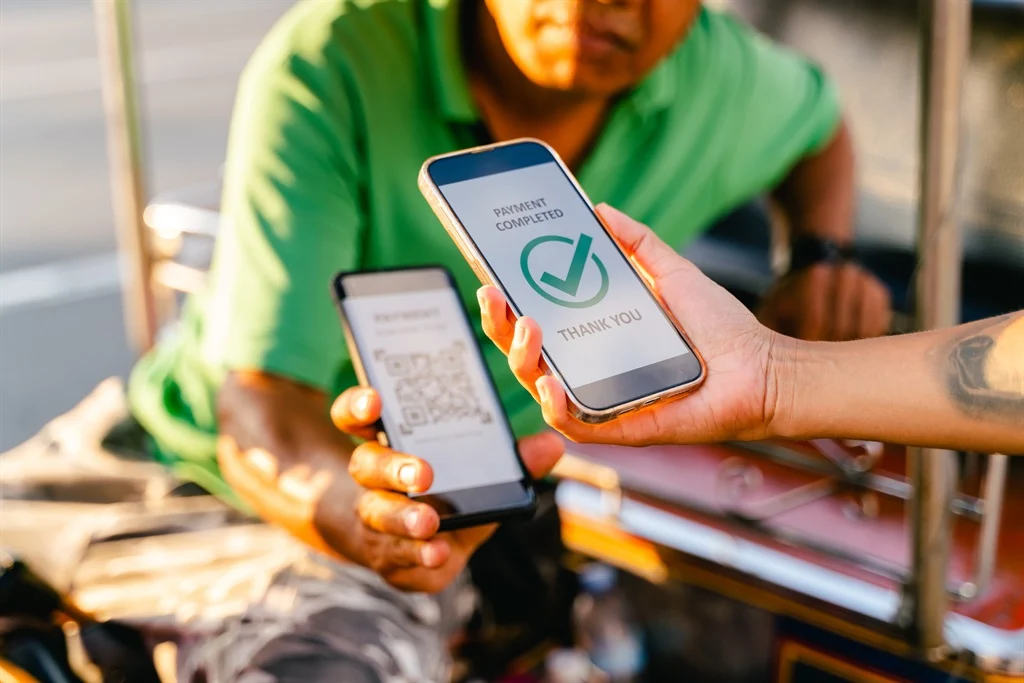
When a payment is sent and there is no status update, no one at the bank answers the phone, and a shipment sits waiting at the other end, a supplier who was promised payment begins to lose trust.
This is what cross-border payment friction looks like in practice: a container stranded at a port, a business deal that collapses without anyone knowing exactly why, or a student’s university placement put at risk because the funds didn’t arrive when they were needed.
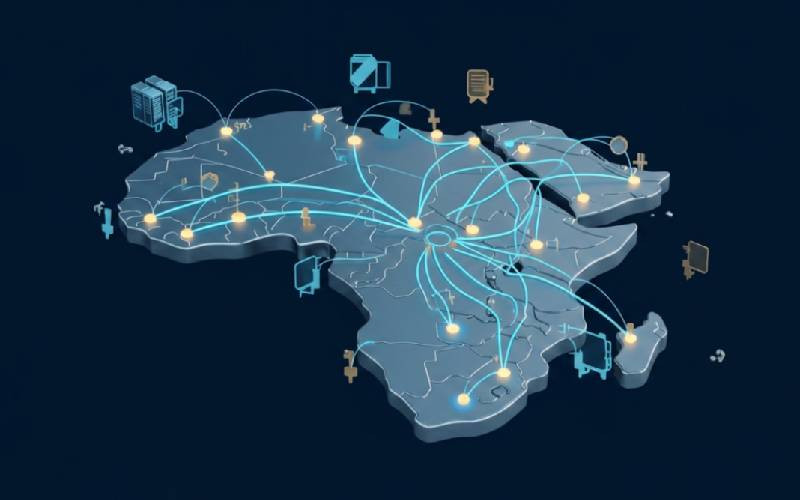
For many African businesses, moving money across borders remains slow, expensive and unpredictable. Correspondent banking often routes payments through banks in Europe or the United States, adding days and cost. Relationships erode with every delay, quietly, until they don’t exist anymore. Every delay chips away at supplier confidence and business relationships until, eventually, those relationships break down. Oneremit was built to address these challenges at the infrastructure level.
Over the past two years, the company has processed more than $150 million in transactions across Europe, the United Kingdom, Canada, Turkey, Hong Kong, China, South Africa, and other African markets. Throughout that growth, its mission has remained the same: to simplify cross-border payments by solving the underlying infrastructure challenges. Now, it is bringing the people who experience those challenges every day into the same room.