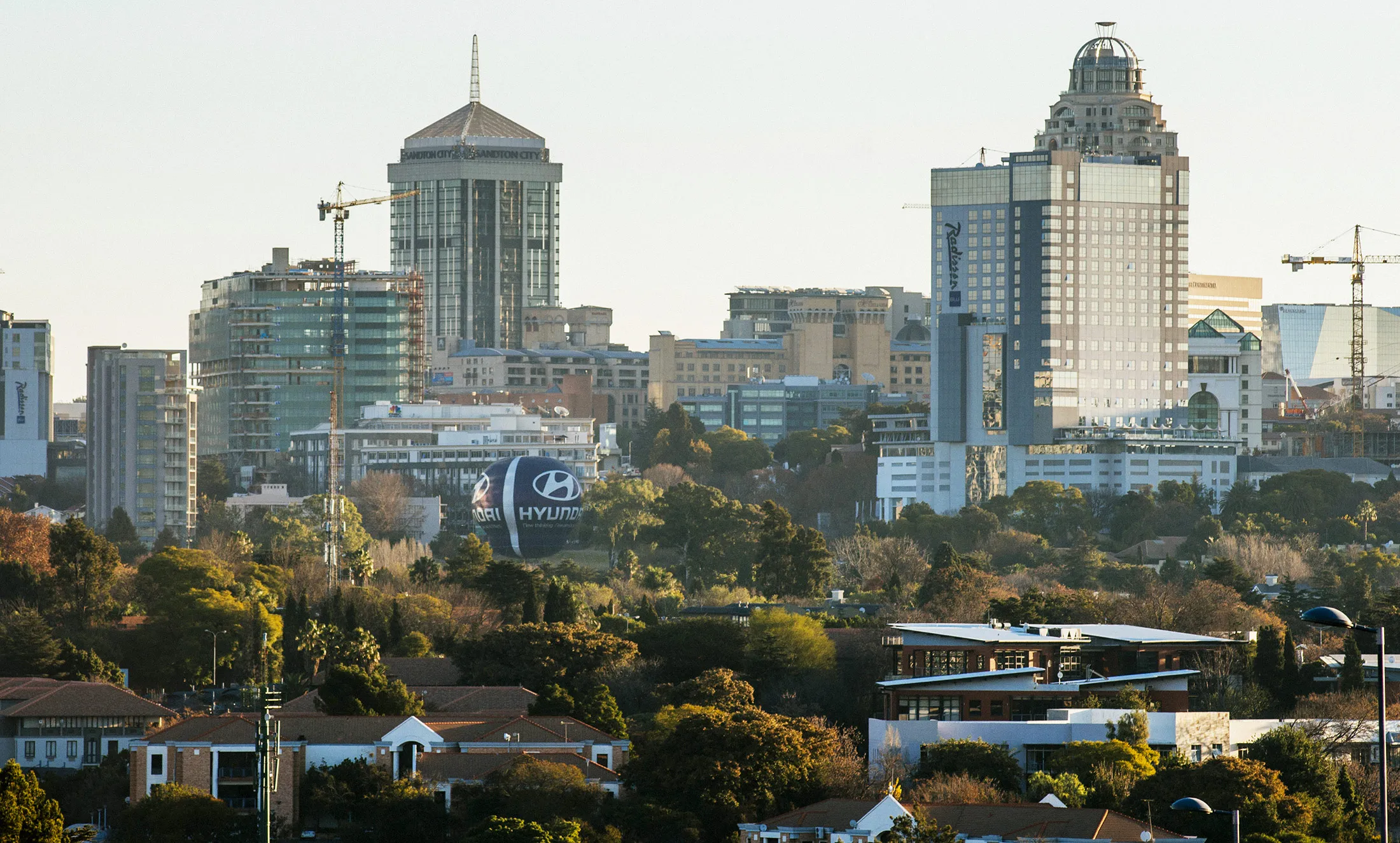
South African banks could be losing an estimated $160,000 annually in interchange revenue as outdated fraud detection systems incorrectly reject legitimate card transactions, leaving the country among the most financially exposed payment markets globally, according to a new analysis by payment technology provider BPC.
The study found that Africa’s biggest economy, alongside Ecuador, recorded the highest projected annual interchange revenue losses among the five markets analysed, ahead of Morocco, Malaysia and Europe.
The estimates are based on a forward-looking model using current publicly available interchange rates rather than historical transaction data from banks.
BPC said the modelling assumes a representative mid-sized issuer processing 10 million debit transactions each month, with a conservative 0.5 percent false decline rate and an average transaction value of $30. Under those assumptions, around 50,000 legitimate card payments would be wrongly declined every month, translating into roughly $1.5 million in lost approved spending before interchange revenue is taken into account.
Unlike Europe, where interchange fees are capped by regulation, South Africa’s higher debit and credit interchange rates mean every legitimate transaction that is mistakenly blocked carries a greater financial cost for issuers, the report said.