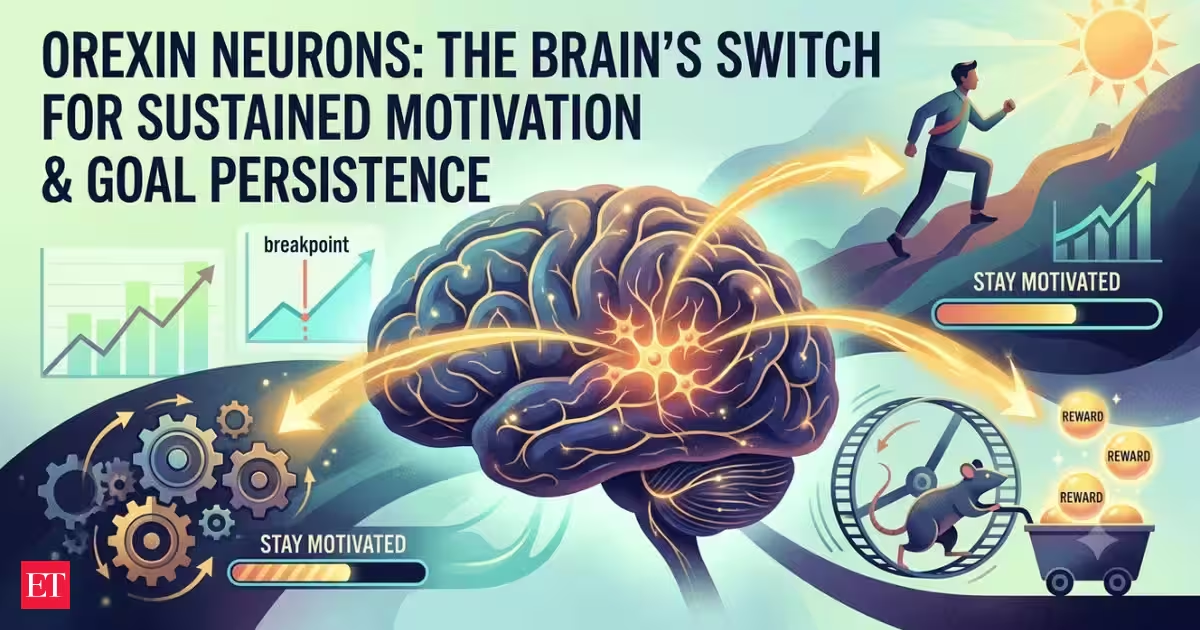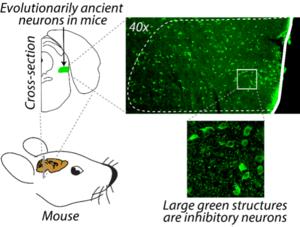
What allows people to keep working toward a goal when the challenge becomes more demanding? Researchers at Nagoya University in Japan have identified a brain mechanism that may help explain how motivation is maintained. Their study found that orexin neurons play an important role in sustaining and regulating motivated behavior. The findings were published in Proceedings of the National Academy of Sciences of the United States of America (PNAS).
Loss of motivation is common in conditions such as depression, addiction, and ADHD. Even so, scientists still do not fully understand the brain processes that contribute to these motivational difficulties.
Orexin Neurons and Motivation
The research was led by Hiroyuki Mizoguchi, associate professor, and Kiyofumi Yamada, professor emeritus, at Nagoya University's Graduate School of Medicine. Their team focused on orexin neurons, which help control vital functions including sleep, appetite and energy expenditure.
Previous research has suggested that these neurons may also affect motivation, but their specific contribution has remained uncertain.