view more
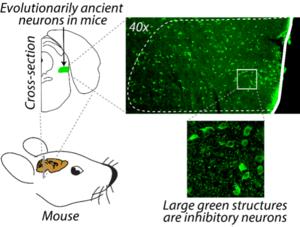
Neurons tucked away in an ancient part of the brain control the ability to pay attention by suppressing distractions and directing focus.
The discovery of these neurons in mice by Johns Hopkins University researchers, in a part of the brain that exists across all vertebrates including humans, could be an initial step toward more targeted treatments for attention disorders.
“A hallmark of ADHD is that even faint distractors draw attention away—and that’s exactly what we see here when these neurons are silenced,” said senior author Shreesh Mysore, a neuroscientist who studies neural circuits tied to behavior. “But the very next day, when the neurons are turned back on, the same animal can ignore distractors again, even very strong ones.”
The federally-funded work is newly published in Nature Communications, and has been selected as an editorial highlight.