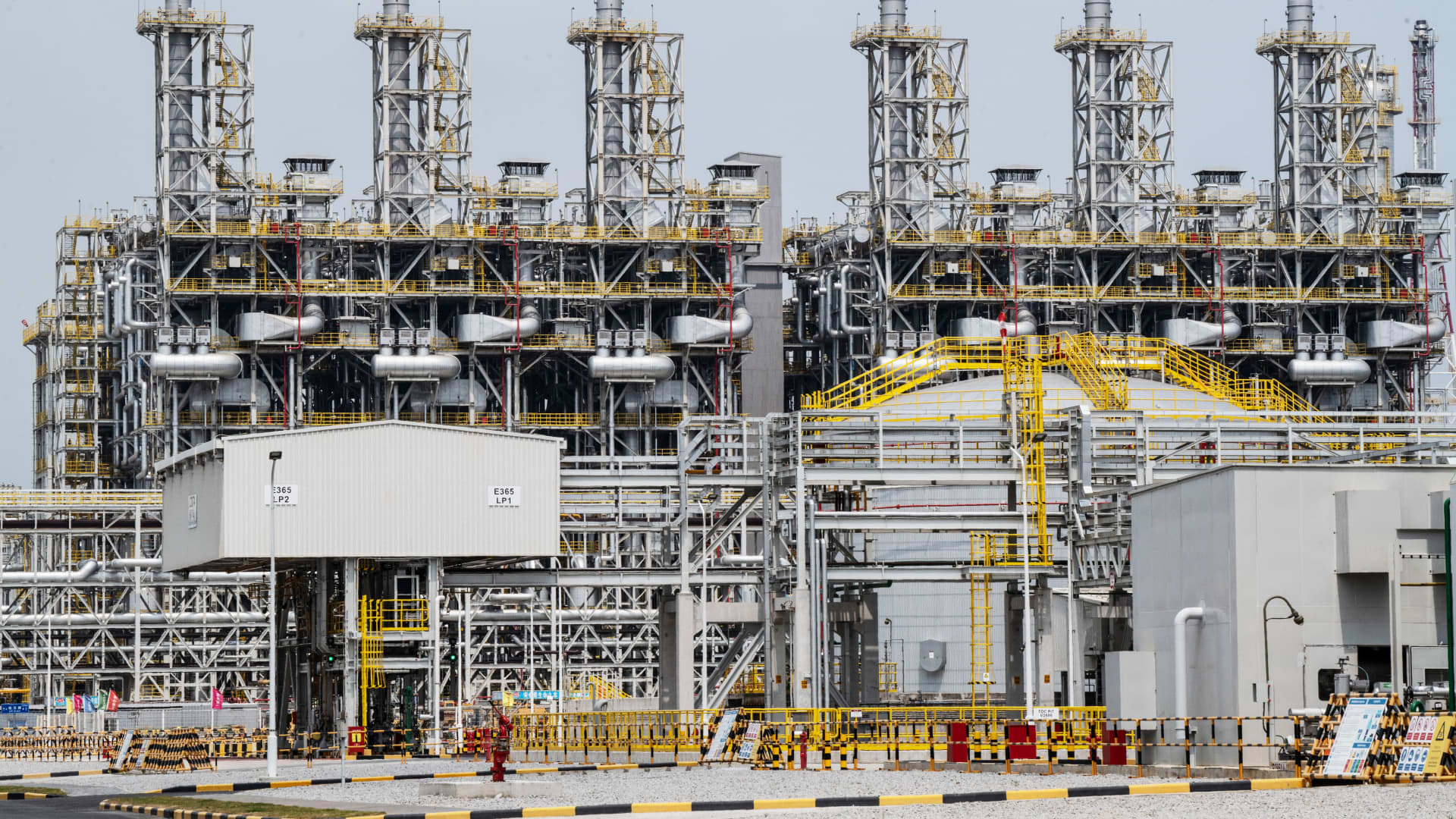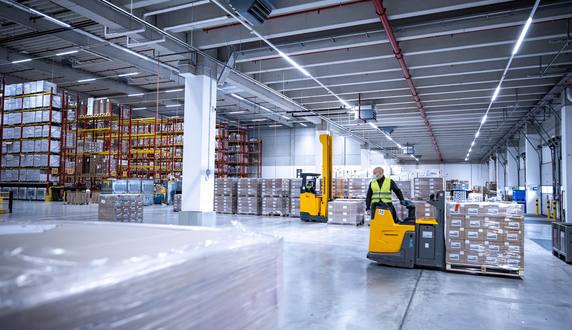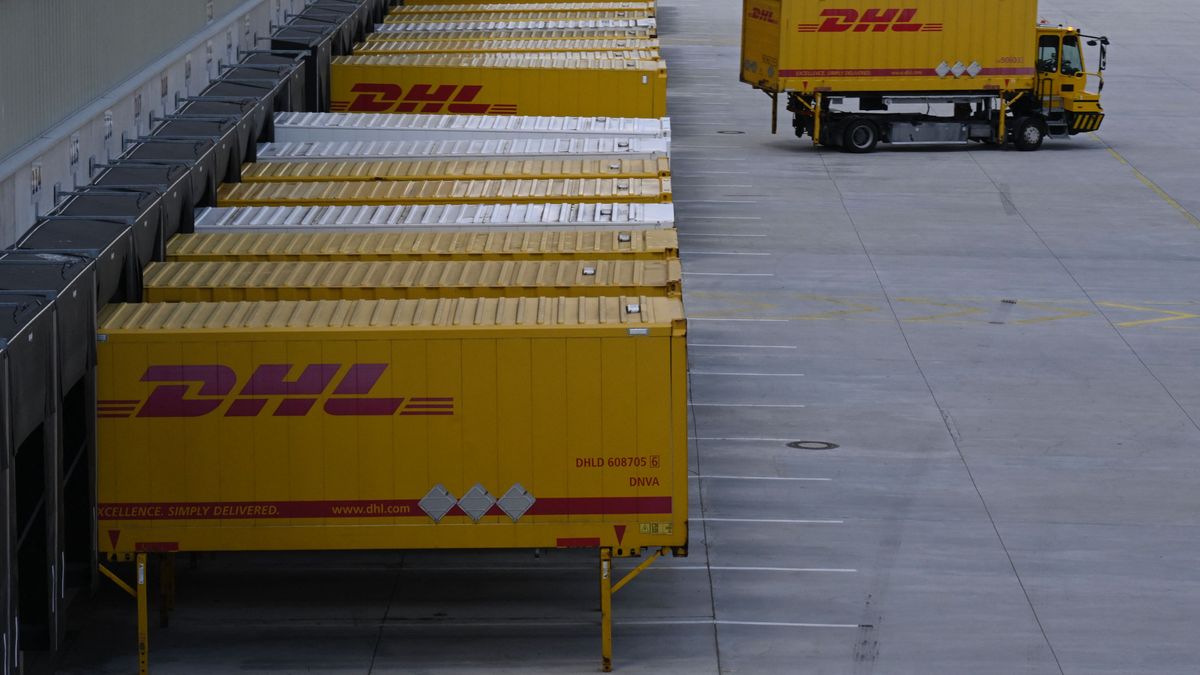
German logistics giant DHL Group continues to see customers diversifying their manufacturing footprint globally as they respond to geopolitical risks, CEO Tobias Meyer said.Speaking to CNA's Roland Lim on Wednesday (Aug 5), Meyer said the trend includes Chinese manufacturers that have expanded internationally over the past decade and are now "distributing their manufacturing footprint to hedge themselves against geopolitical volatility, including tariffs".His comments came after the group reported stronger-than-expected second-quarter results and raised its full-year earnings guidance.DHL said second-quarter revenue rose 13 per cent year-on-year to 22.4 billion euros (US$25.8 billion), while operating profit (EBIT) increased 30 per cent to 1.9 billion euros.The company said revenue growth was driven mainly by higher shipment weight, capacity constraints in the international air freight market and the pass-through of higher fuel costs.It also raised its full-year EBIT guidance to more than 6.5 billion euros, from more than 6.2 billion euros previously.
IMPACT OF US TARIFFS, EU LAWSMeyer said the second quarter was the first year-on-year comparison in which the impact of reciprocal tariffs introduced in early 2025 by United States President Donald Trump had largely cycled out."As relates to the United States, we now have the second quarter – the first quarter that year-on-year did not have a significant impact from incremental tariffs," he said."Most tariffs came into place in February, March and April of last year, so now that's cycled out on an annual basis."He said the replacement of the temporary US Section 122 tariffs with Section 301 tariffs in July had largely maintained the same overall levels.“That's what customers and consumers in the United States have gotten used to. So not a significant change from that perspective,” he added.