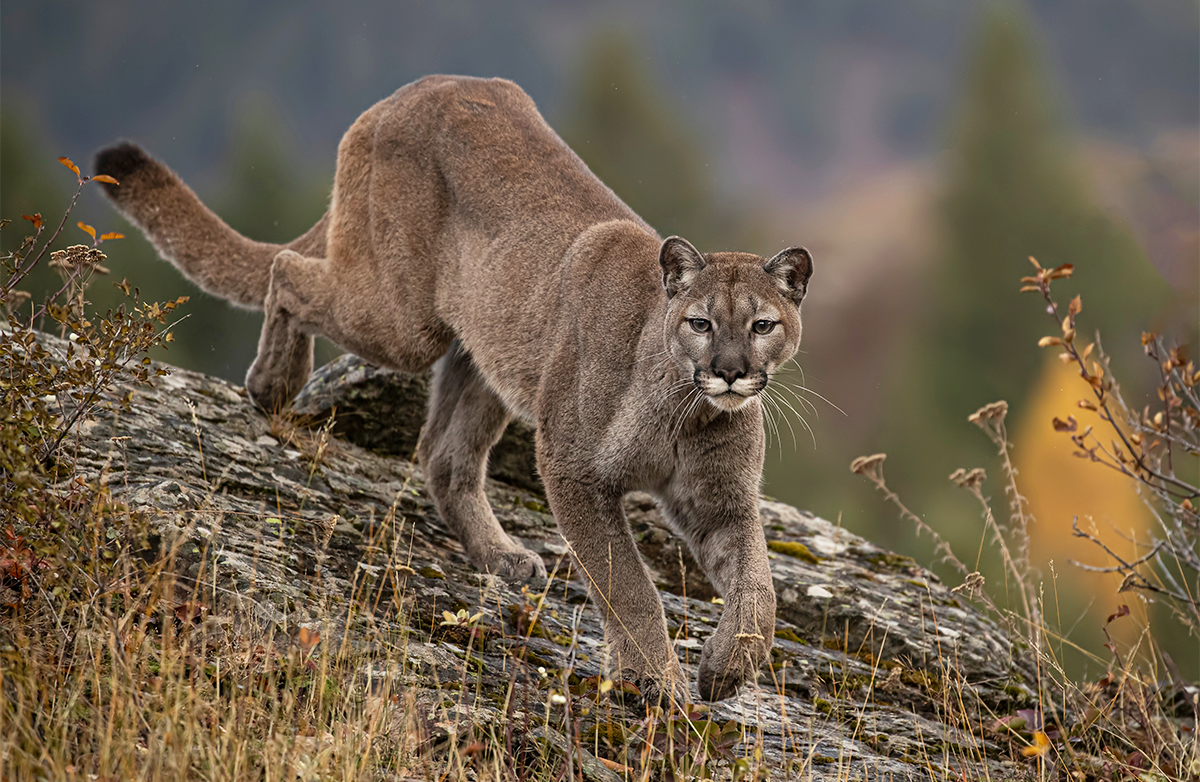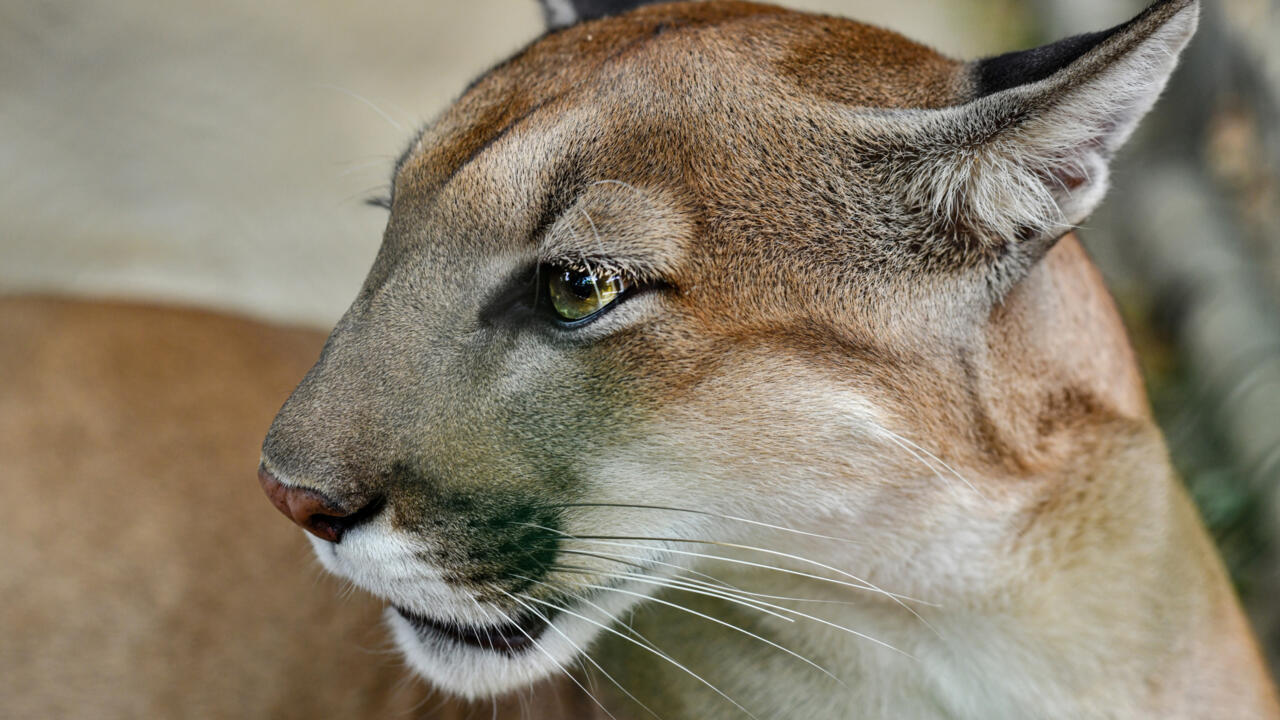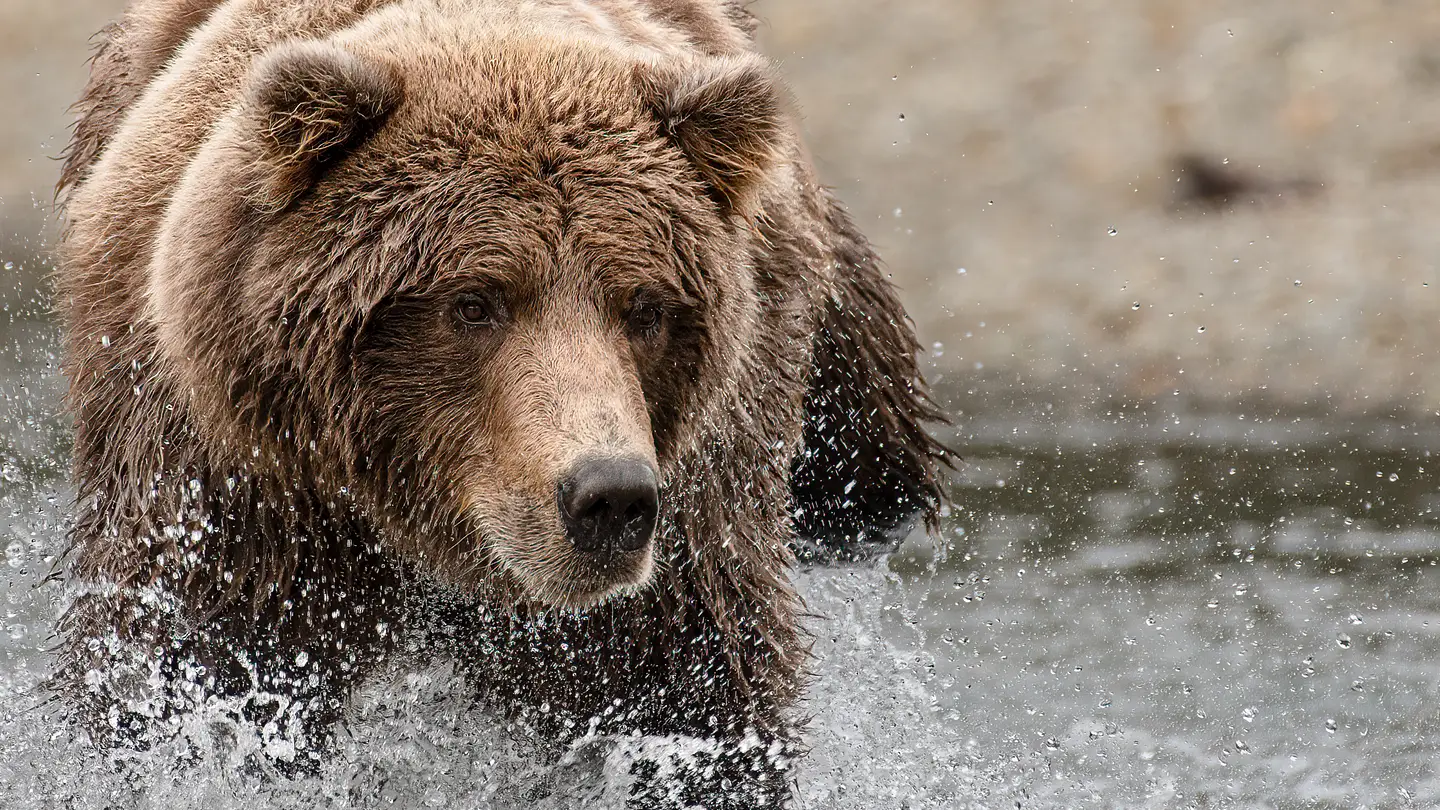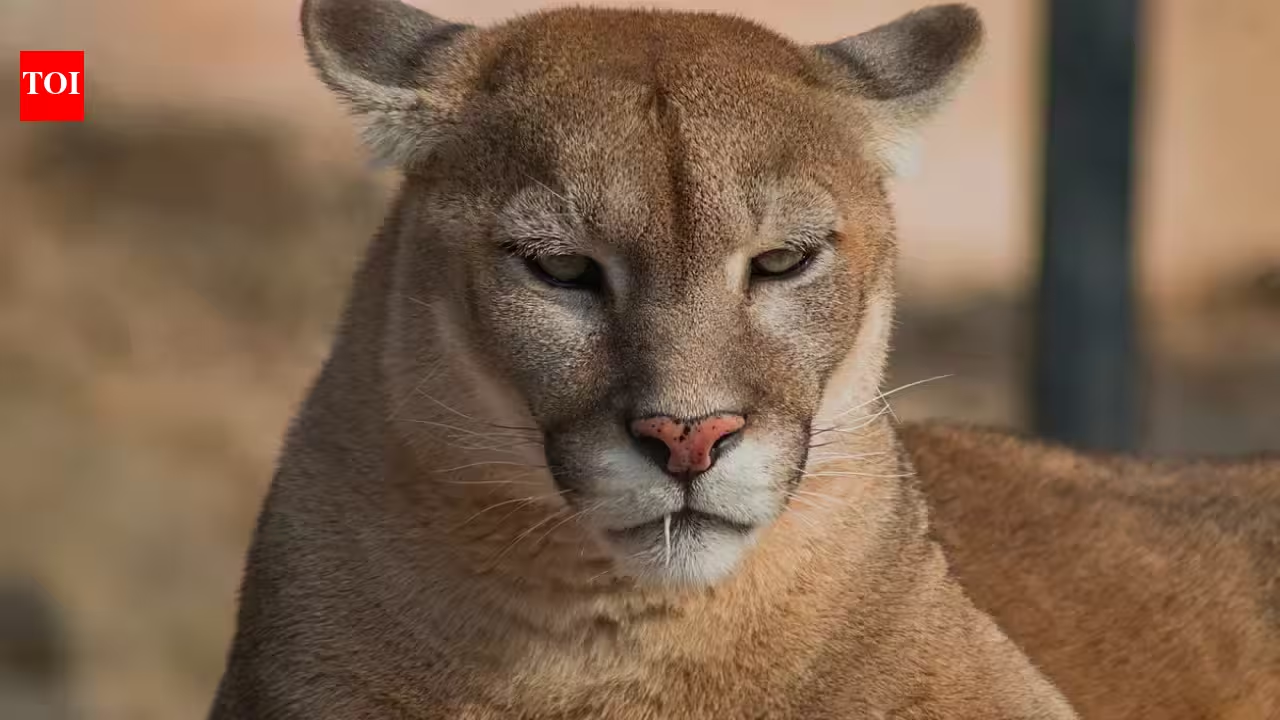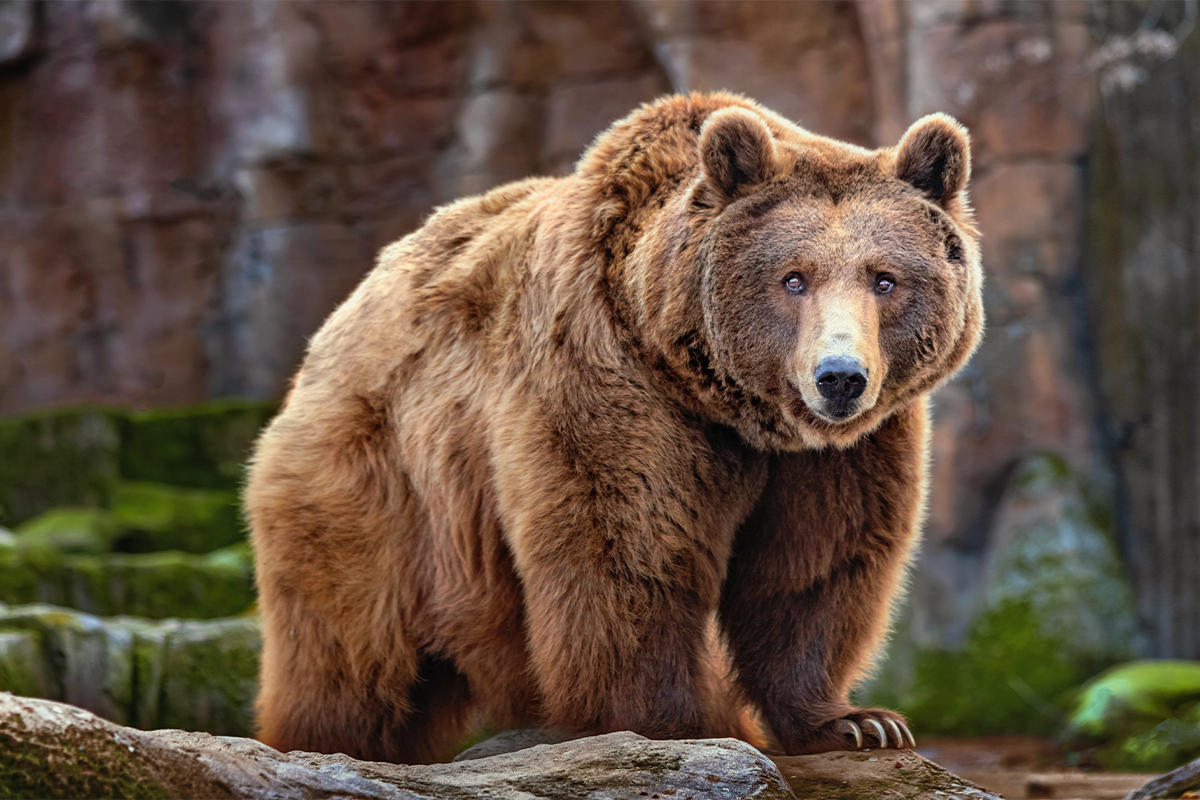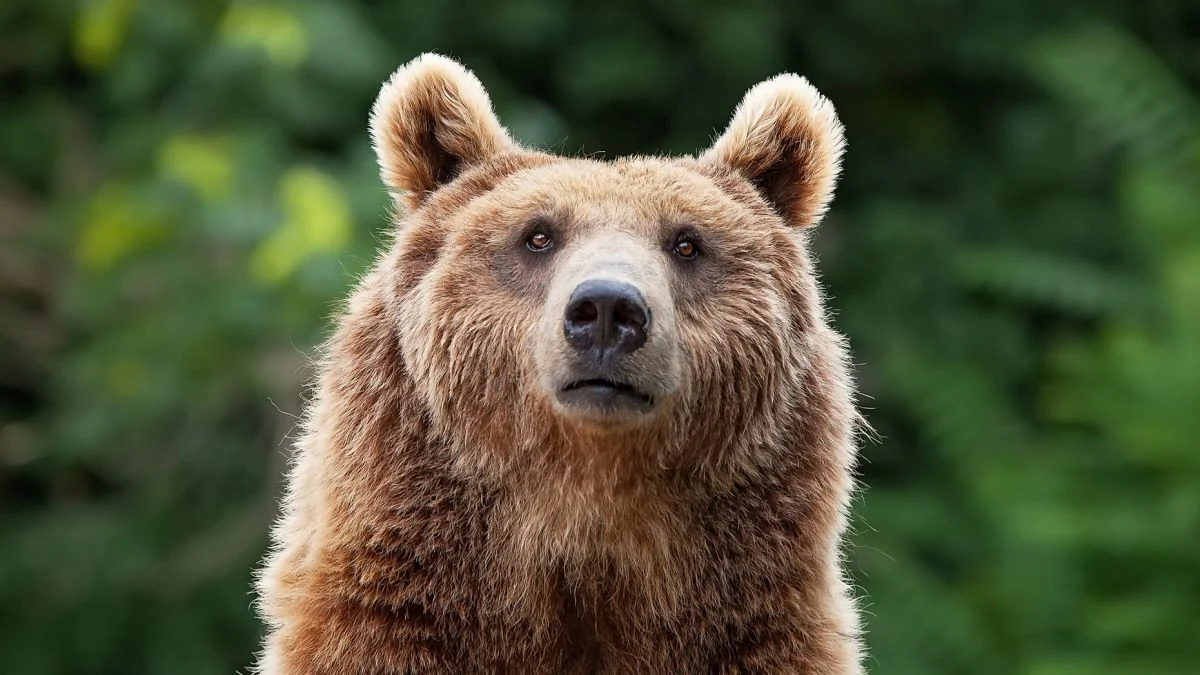
The wilds of North America can be a hazardous place.It's there that some of the most intimidating predators make their home – black and brown bears that could eviscerate a person with one swipe of a mighty paw, and mountain lions that stalk almost silently on padded feet.Many hikers will gird themselves against the possibility of an attack from one of these feared beasts – but, as two new papers explain, there's an animal out there that even the most formidable predators will try to avoid.Us.In fact, attacks by these animals are so uncommon that, in North America, people are far more likely to be struck by lightning.The research suggests one reason why: bears and mountain lions go to remarkable lengths to stay away from humans whenever they can."These discoveries change the narrative about human-carnivore conflict," writes Yale University ecologist Oswald Schmitz in a Current Biology dispatch tying together two studies, one on bears and the other on mountain lions.Mountain lions rarely attack humans. (Kathleen Reeder Wildlife Photography/Moment/Getty Images)In North America, brown, or grizzly, bears (Ursus arctos) attack, on average, around 11.4 humans per year. Mountain lions (Puma concolor) attack just 4 to 6 people per year, and the rate of black bear (Ursus americanus) attacks is unknown, but just 63 human fatalities due to black bear attacks were documented between 1900 and 2009.By contrast, between the US and Canada, around 580 people are struck by lightning every year.Looking purely at the numbers, lightning strikes outnumber brown bear attacks by roughly 50 to 1 (although, of course, the actual risk depends on other factors such as where you live and how much time you spend in bear-filled woods).So why are these attacks so rare?The answer, according to the two studies, is that these animals don't simply react to humans showing up. Instead, they actively change their behaviors to avoid us.In a study led by wildlife biologist Philip Manlick of the USDA Forest Service, researchers studied black and brown bears feeding along salmon streams in southeast Alaska.Motion-triggered speakers played recordings of either gull calls, off-road vehicles, or human voices whenever a bear approached. Cameras recorded what happened next.The bears were twice as likely to beat a hasty retreat when they heard vehicle sounds compared to the gull sounds.
There's One Predator That Terrifies Bears And Mountain Lions Alike
The wilds of North America can be a hazardous place.
887 words~4 min read