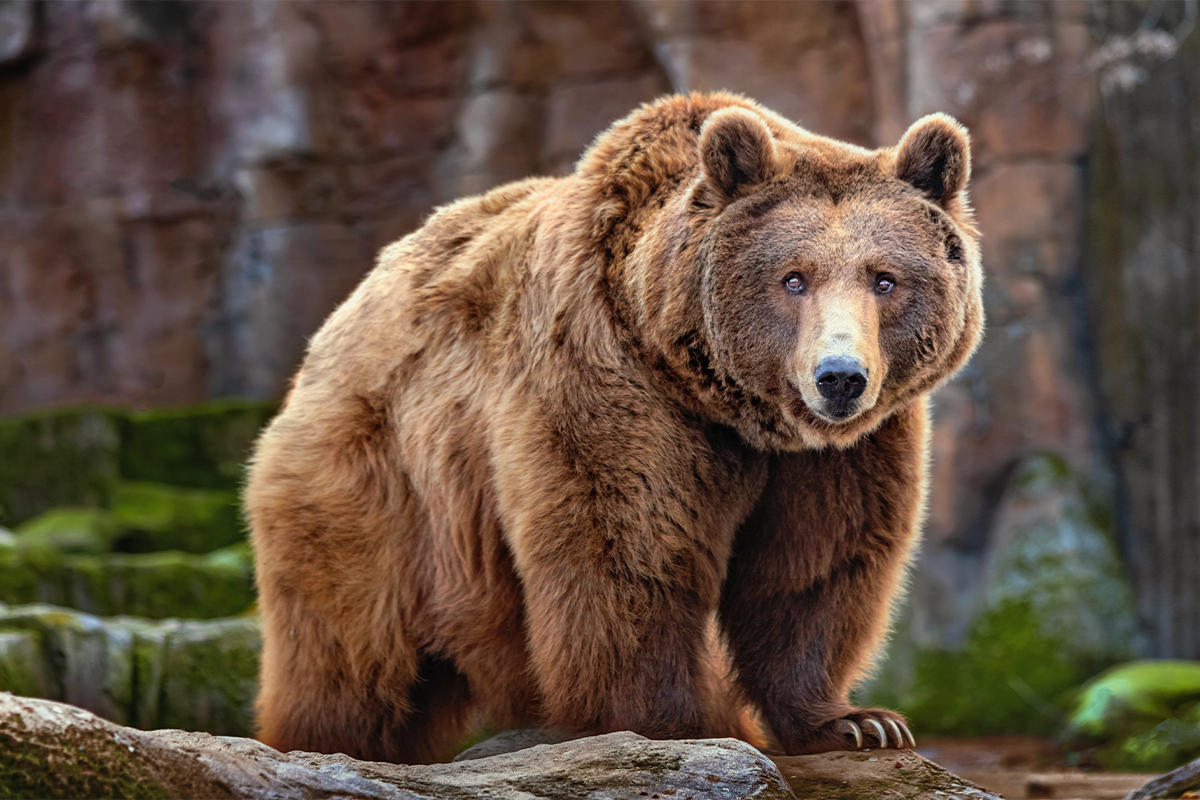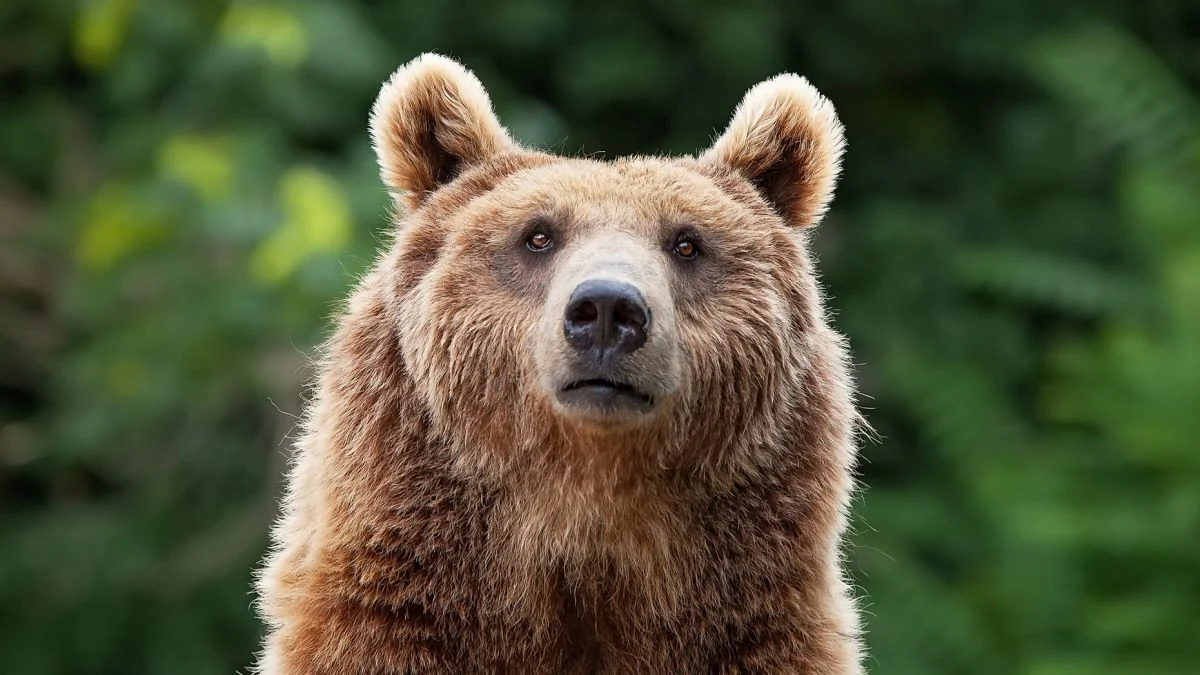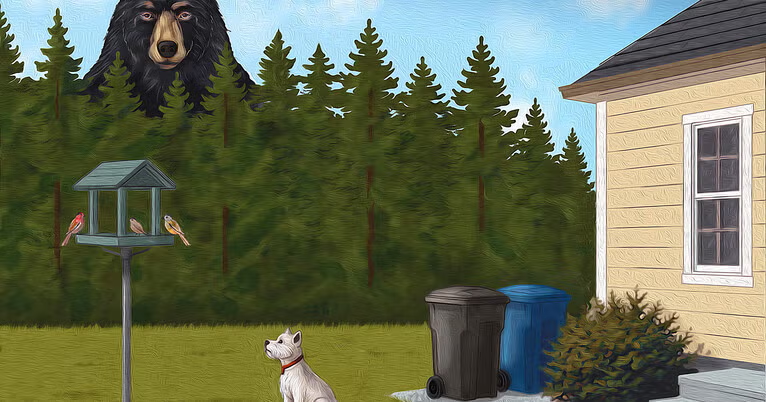
Nyeema Harris knows what a surprise wildlife encounter feels like. Hiking in Montana’s Blackfoot Mountains on a research trip years ago, she came around a bend and startled a large black bear in the middle of the trail.“It freaked out,” recalls Harris, the Knobloch Family Associate Professor of Wildlife and Land Conservation at the Yale School of the Environment. “It stood up on its hindlegs and started huffing. I calmly and politely backed away, and it, thankfully, ran off.”
Never feed wild animals — and remove bird feeders during active wildlife seasons. Make sure your outdoor trash cans are secured with sealed lids and compost piles are gated or secured. Keep a safe distance from wild animals — and resist the urge for up-close selfies!Stay on designated trails during hikes Always remember to be a “good neighbor” to wild animals.
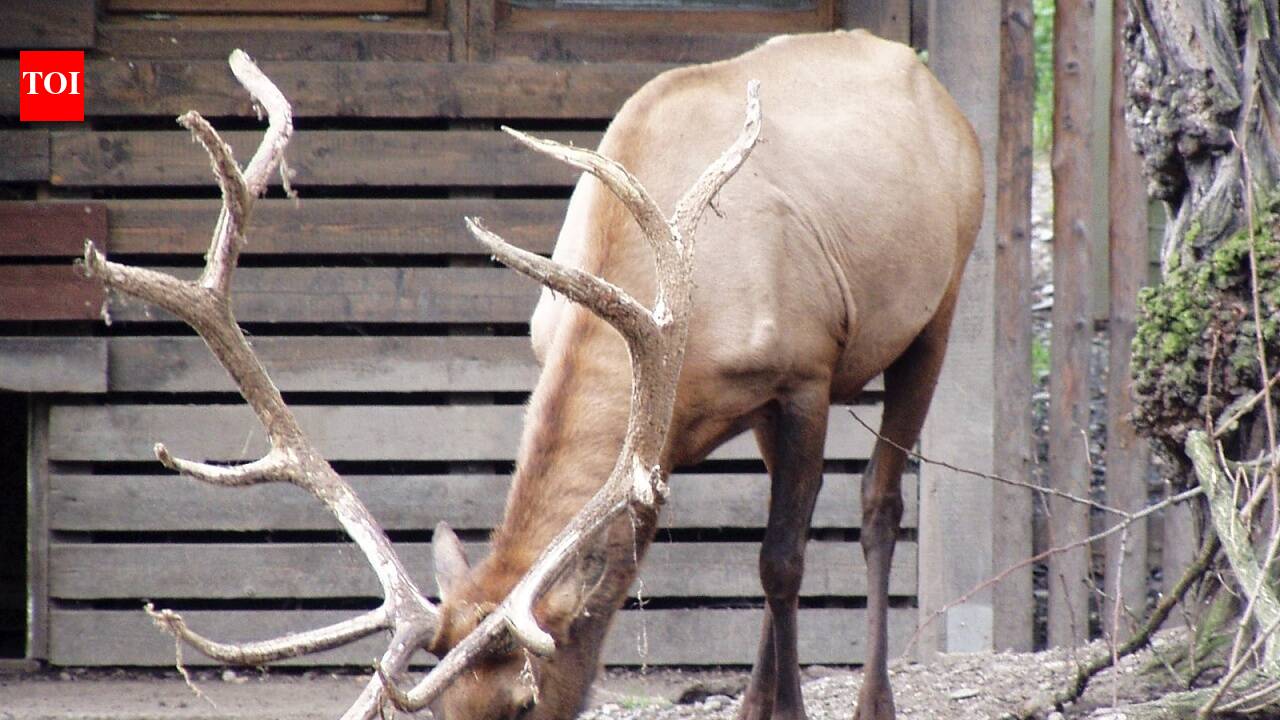
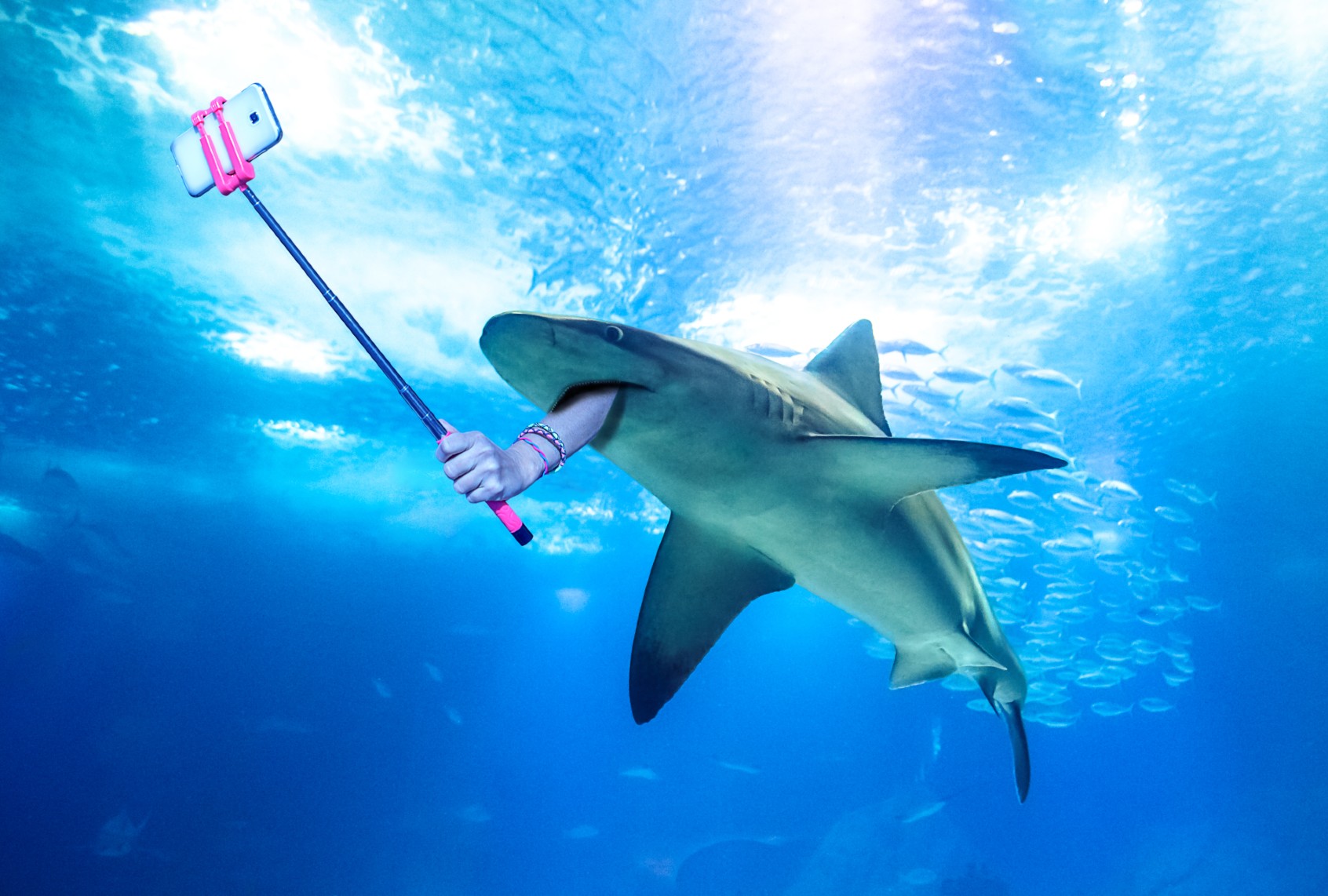
Harris was in Montana conducting research on elk calf mortality. But the bear encounter reminded her that every environment is a “shared landscape” where multiple species are afoot. And that, she says, holds true in backyards and suburban neighborhoods as well. In recent years, reports of human encounters with wild animals — from bears breaking into houses to bison attacks on tourists in national parks — have become increasingly common.Harris, who is an expert in human/wildlife coexistence, has studied these dynamics in communities and wildlife preserves around the world. In a Q&A, she discusses what is causing an increase in these risky encounters, why keeping a bird feeder in the yard or posing for selfies with wild animals are bad ideas, and why a little respect goes a long way.This discussion has been edited for length and clarity. We often hear that wildlife is “encroaching” on human habitat. Is this true?Nyeema Harris: Yes and no. Increasingly the lines between areas that we consider “wild” and areas that we consider urban or suburban are getting blurred, so everyday citizens are encountering more wildlife in places that they don’t expect them or want them.But there’s an element of hype?Harris: I don’t think the problem is as pervasive as it’s being presented in the media. There has been, for instance, a rash of reports about black bears on people’s decks and even breaking into homes. But these are isolated cases. In these cases, there could be a problem individual who’s decided that it really likes the donuts you keep on the shelf in your kitchen. It’s familiar with the sights and scents around your home, and it has a naturally bolder personality. But it’s not the entire species. People forget that animals are individuals just as we are. They have personalities.What areas of the country report the most human/wildlife problem encounters?Harris: They’re scattered throughout, but certainly the Rocky Mountain West, whether we’re thinking about Colorado or Wyoming or Montana. In California, there are increasing concerns, not just with the mountain lion population, but also with the coyote population in places like San Francisco and Santa Barbara. Any place where the suburbs bump up against rural areas. How does habitat change play into this?Harris: Habitats are being compromised either through direct loss or modifications that fragment how animals move across landscapes. Expanding agricultural practices and urbanization both play a roll. As habitats change, animals are forced into smaller pockets of habitat space. Their populations keep growing. They’re still reproducing, and new generations go in search of new environments and resources. What has your own research shown?Harris: In urban environments, there are certain expectations that people have about wildlife: “They shouldn’t be bothering us.” “Wildlife are the problem.” At the other end of the spectrum, there are protected areas all over the world that are assigned for wildlife and charged with biodiversity conservation. In both cases, artificial territories are drawn, and when lines are crossed human-wildlife conflicts emerge. But those protected areas are changing?Harris: People are accessing these areas that were supposedly reserved for wildlife more and more. It raises issues with how these areas are being managed and how people behave in them. The reality is that conflict arises across the spectrum. The conversation needs to be about how do we promote coexistence, whether we’re in an urban environment, a suburban environment, an agricultural ecosystem, or a remote, more pristine national park. What are the mitigation strategies we can employ to promote coexistence of wildlife and people? What mistakes do people make in their own home settings that attract wildlife? Harris: Sometimes they’re deliberate. Think about our bird feeders. We’re excited to attract birds and enjoy their songs and their beauty, but we don’t consider that aggregation could have consequences. Disease exposure is one. People should expect other visitors as lots of opportunistic critters will also be attracted, and they’ll welcome an easy meal. Rodents, for instance, are drawn by seeds. It’s probably safer and better if we do not try to lure animals closer with bird feeders, but rather go for a walk to visit them. Then the biggest culprit is sanitation. Are your trash cans secure with sealed lids? And is it being picked up on schedule? Is your compost pile gated or secured in some way?A third aspect I would mention is our domestic animals. Cats and dogs can be extremely disruptive, and they can draw attention and even harm wild animals. If you have rabbits or a small dog, they end up being attractants for predators. We didn’t even get into the livestock side of things. That’s a whole different conversation in terms of conflict, with carnivores in particular. It seems like every year you hear accounts of tourists running into trouble with wildlife in the national parks or other natural spaces. There have been reports of injuries this summer. What factors are causing this? Harris: People are getting in too close to take those selfies. There is a certain excitement that I don’t want to dismiss here. I appreciate people being enthusiastic and excited about a wildlife encounter. They can be transformative and powerful moments, and I even seek them. The challenge arises when the respect gets diminished. As humans, we think nothing’s going to harm us. We’re at the top of the food chain; reality check, we are not.This is where education comes in. Are we making sure the public is accurately informed about the risks around wild animals? These animals are not going to behave the way you want them to behave. Keeping your distance and admiring from afar will keep everyone safe. Spending time in nature has a myriad of effects on our own well-being and on stress management. But every place truly is a shared landscape. Being a good neighbor includes our wildlife neighbors, too. That’s a sentiment that I want people to hold onto and practice.