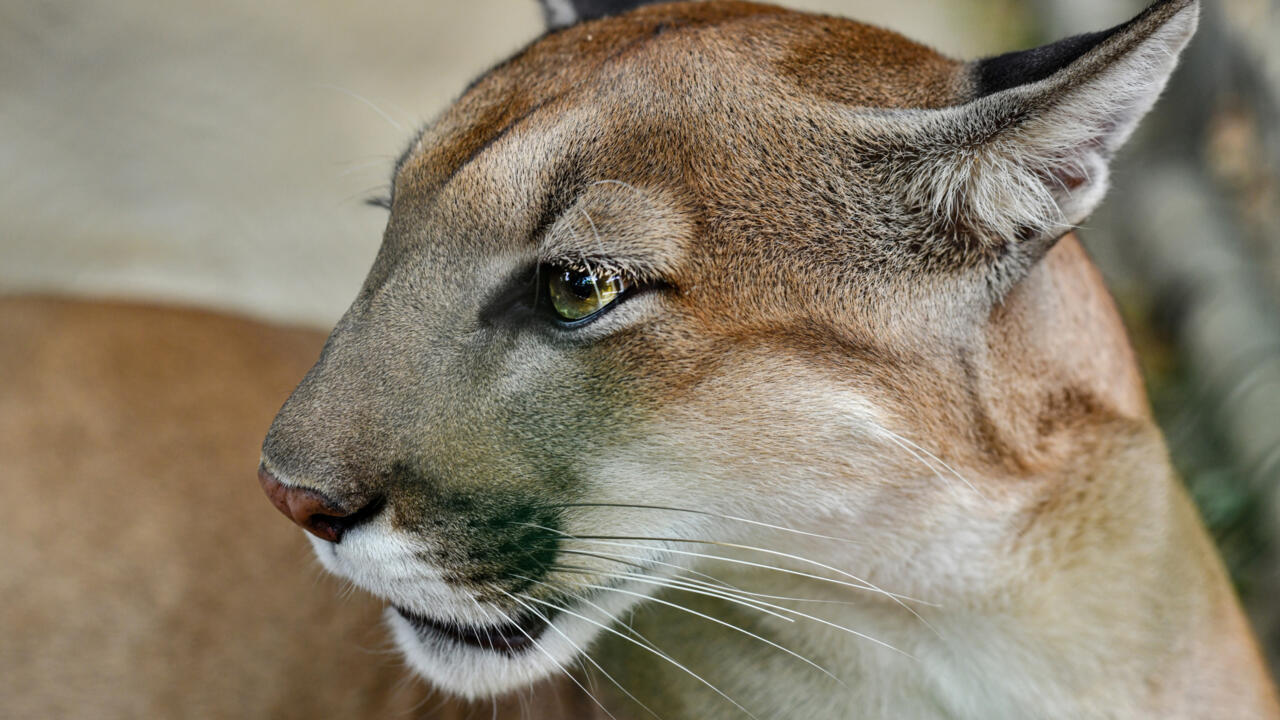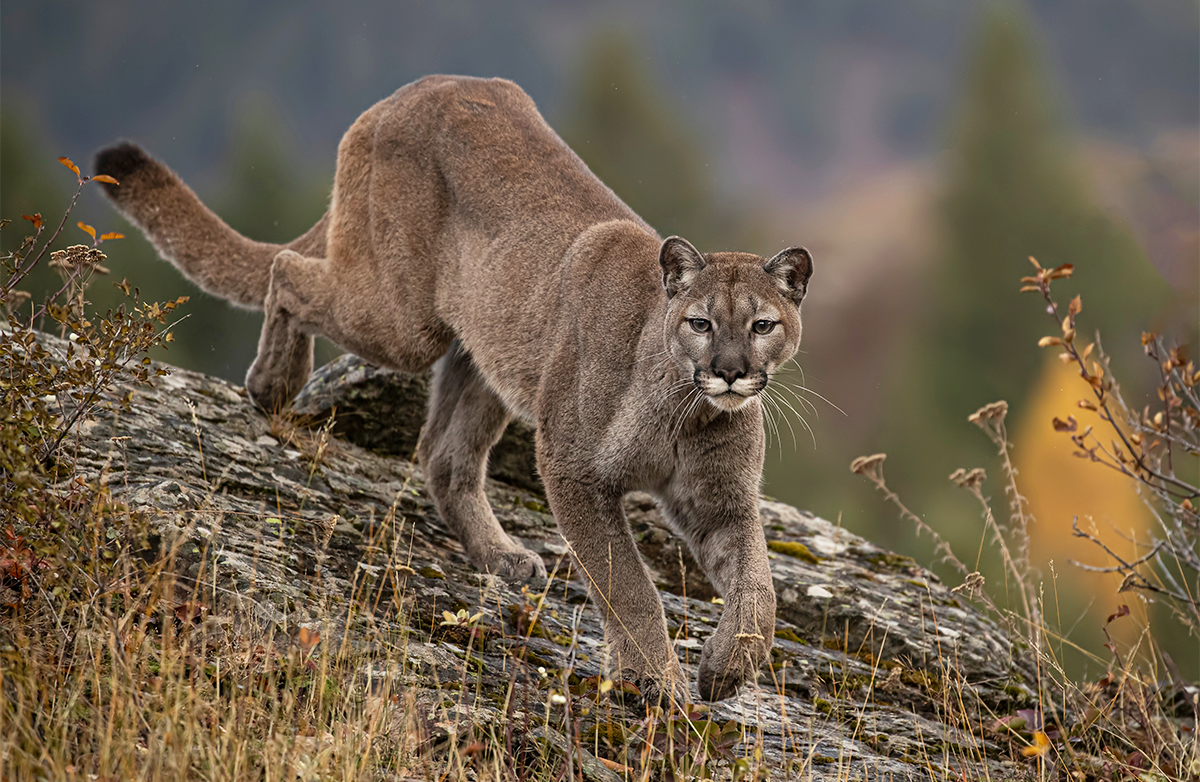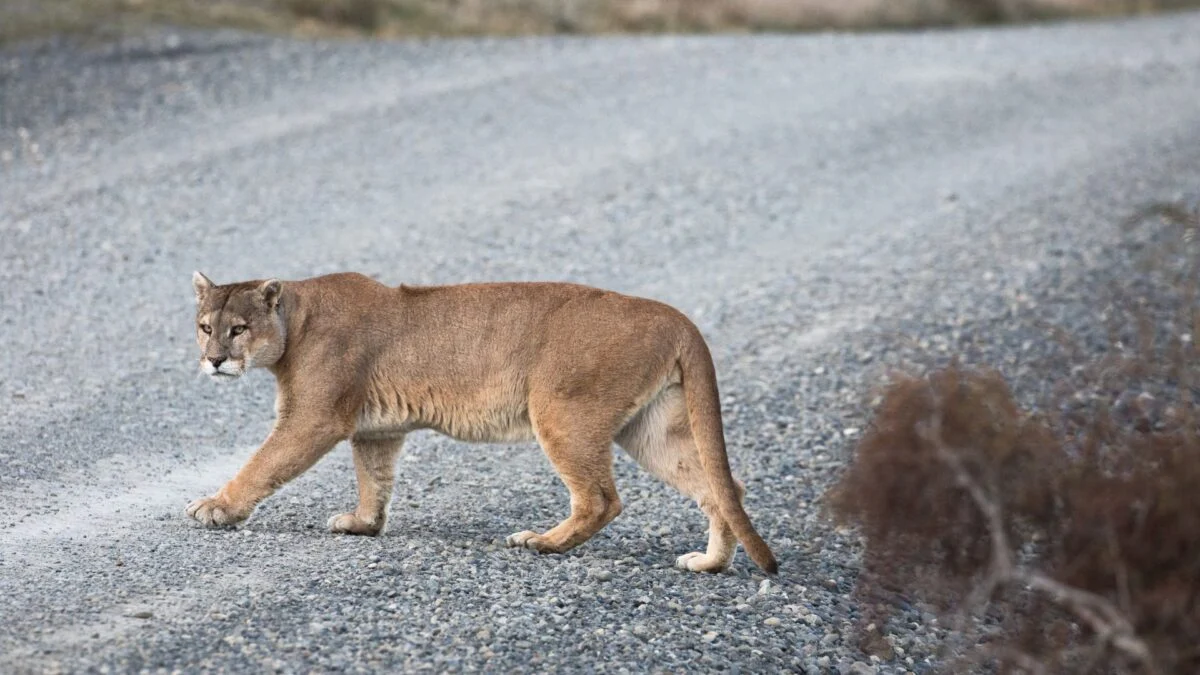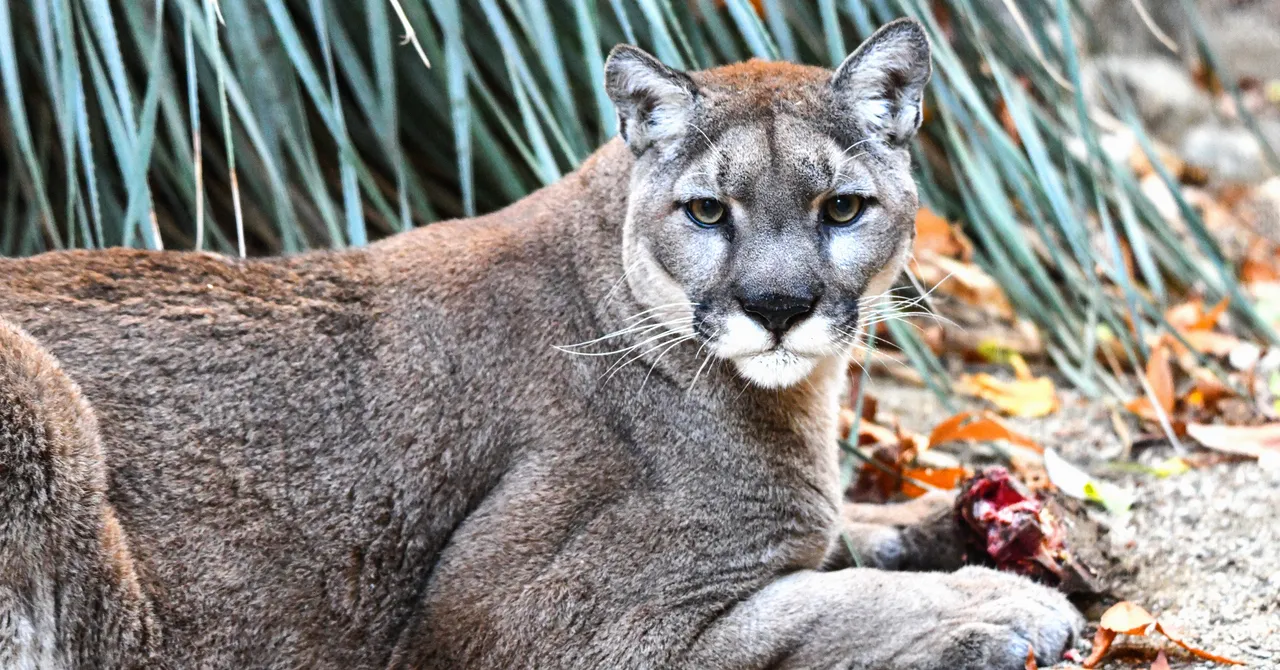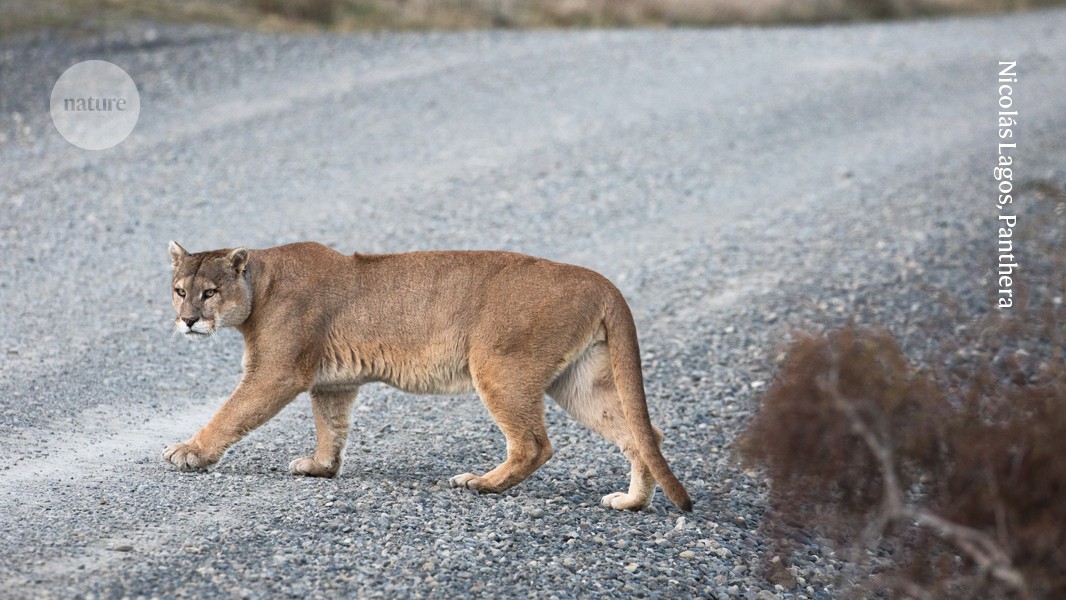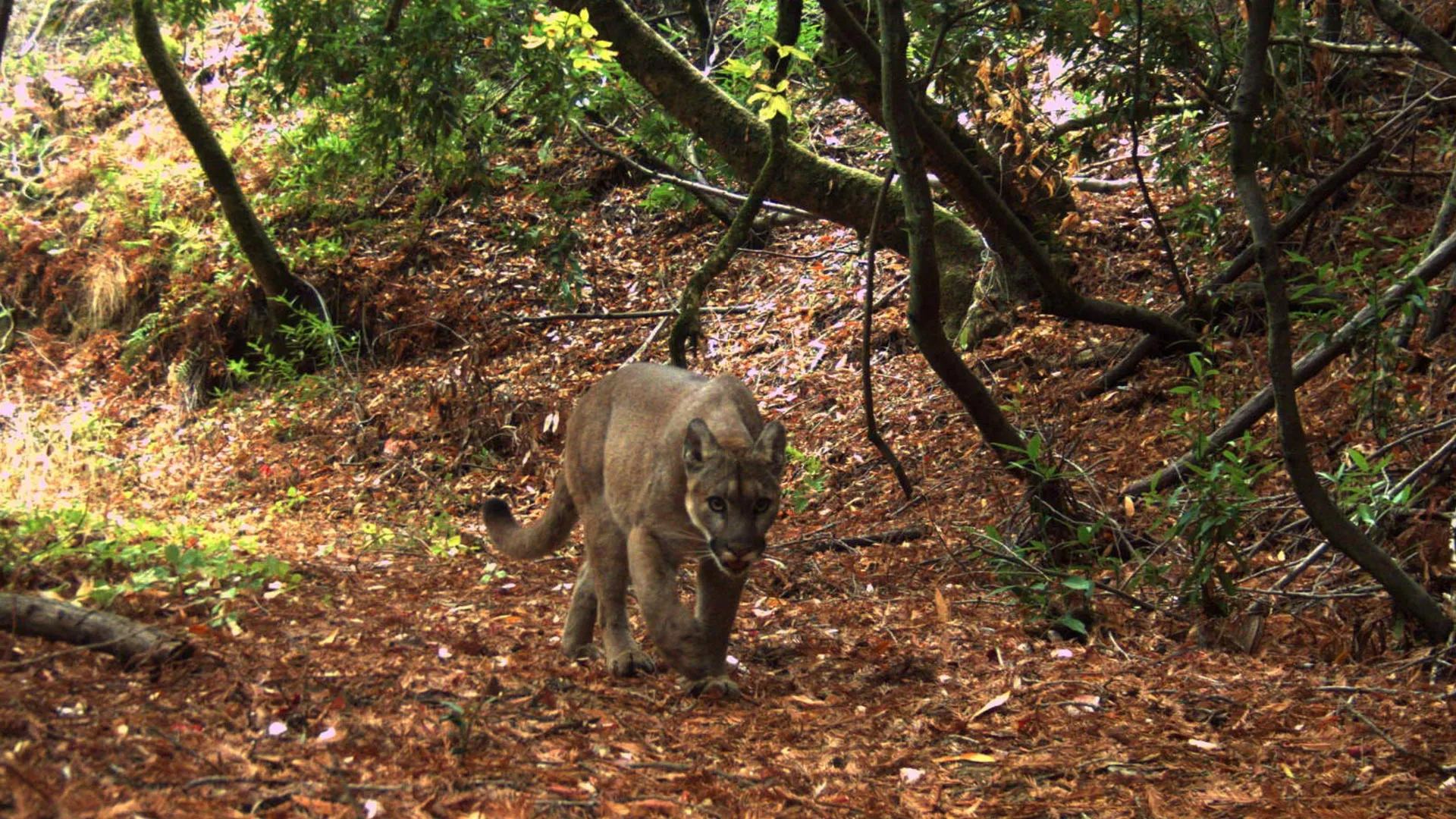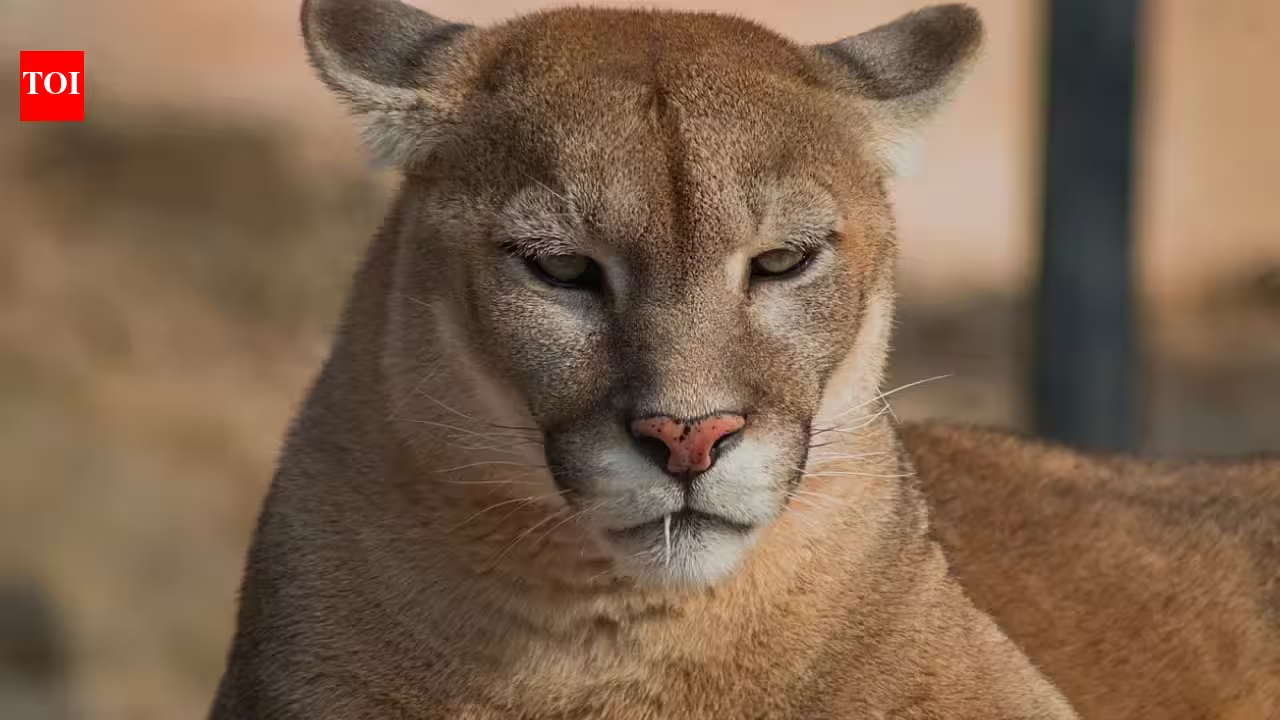
New research indicates mountain lions reduce deer-vehicle collisions significantly. Predator presence makes deer avoid roads and developed areas more often. Image Credits: Wikimedia CommonsFor drivers in forested areas, deer on the road can be unpredictable and dangerous. Wildlife warning signs and speed restrictions are common reminders of this risk, but new research suggests that nature itself may play a role in reducing these collisions. Mountain lions, also called pumas or cougars, are often discussed for their impact on wildlife and for concerns about human encounters. But a study suggests they may have another indirect effect. By changing how deer move through their surroundings, mountain lions may reduce the chances of deer entering areas where vehicles and wildlife often collide.The findings come from a study published in Current Biology titled Large carnivores shape road safety through effects on prey space use. The research examined how the presence of mountain lions influenced deer behaviour and deer-vehicle collisions in Washington's Olympic Peninsula. The researchers combined camera trap data from around 500 locations and GPS collar data from approximately 60 mountain lions with records of deer-vehicle collisions to examine how predator presence influenced deer movement and collision risk.How mountain lions influence deer movementThe researchers wanted to know more than whether mountain lions reduce deer numbers. They looked at a different question: can predators change the way prey animals use a landscape even when they are not directly hunting them? Mountain lions are predators that can influence deer behaviour through the risk they pose as hunters. They often stalk animals quietly before making a sudden attack from a close distance. Areas where forests meet open spaces, including roads and developed areas, can provide opportunities for these hunting strategies. These same places are also locations where deer often come into contact with vehicles.The researchers found that deer in areas with mountain lions spent less time near roads and developed areas and more time in wooded habitats. The findings suggest that the presence of predators influenced how deer used the landscape, reducing the time they spent in places where encounters with vehicles were more likely.The researchers reported that deer in areas with mountain lions were 86% more likely to spend time farther from roads and development, indicating that predator presence was linked to changes in how deer used the landscape. These behavioural changes were associated with fewer deer-vehicle collisions. The researchers estimated that areas with mountain lions had a lower risk of deer-vehicle collisions, with the models predicting a 67% reduction in collision likelihood and a 76% reduction in expected collisions over five years within the study area. In this case, mountain lions appear to improve road safety indirectly. They are not preventing crashes by controlling traffic or physically keeping deer away from roads. Instead, their presence changes the choices deer make about where they spend time.This behavioural shift lowers the likelihood of dangerous animal-vehicle encounters. The study examined deer movement and collision data in Washington's Olympic Peninsula. These findings highlight the broader ecological roles of large carnivores. Image Credits: Wikimedia CommonsA reminder that predators have wider roles in ecosystemsThe relationship between predators and prey is more complicated than one species eating another. Large carnivores can influence ecosystems through a range of effects, including changes in movement patterns, habitat use and interactions between different species. The Current Biology study adds to research showing that predators can shape how animals use landscapes. The authors focused on the indirect effects of mountain lions, showing how their presence may affect human concerns such as road safety.Deer movement is shaped by several ecological factors, and the relationship between predators, prey behaviour and roads can vary across landscapes. The researchers noted that more work is needed to understand how these effects change under different conditions.The study also offers a different way of viewing animals that are often considered only through the lens of conflict. Mountain lions can sometimes create challenges for communities, especially where human development overlaps with wildlife habitat. But their role in ecosystems can also produce benefits that are not immediately obvious.Understanding these connections may help conservationists and communities make better decisions about sharing space with wildlife. Protecting predators is not only about maintaining biodiversity. It can also involve recognising the quieter ways these animals influence the environment around them.For people driving through regions where mountain lions and deer live, a safer road may seem like it should come only from human solutions. Yet this research shows that natural relationships can also shape everyday experiences. A predator moving through a forest can influence where another animal chooses to travel, and that choice can eventually affect what happens on nearby roads.
Mountain lions may be making roads safer in Washington, because deer change their behaviour when pumas are nearby, and collisions drop
For drivers in forested areas, deer on the road can be unpredictable and dangerous. Wildlife warning signs and speed restrictions are common reminders of this risk, but new research suggests that nature itself may play a role in reducing these collisions.
770 words~4 min read