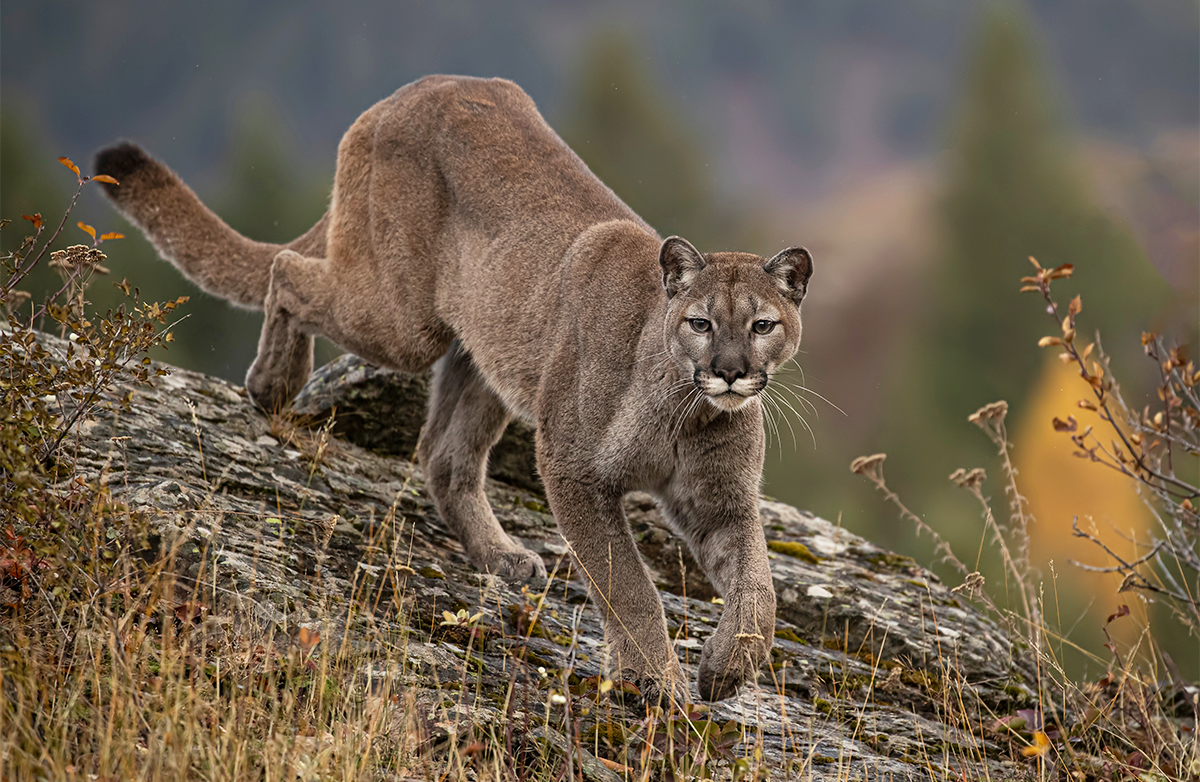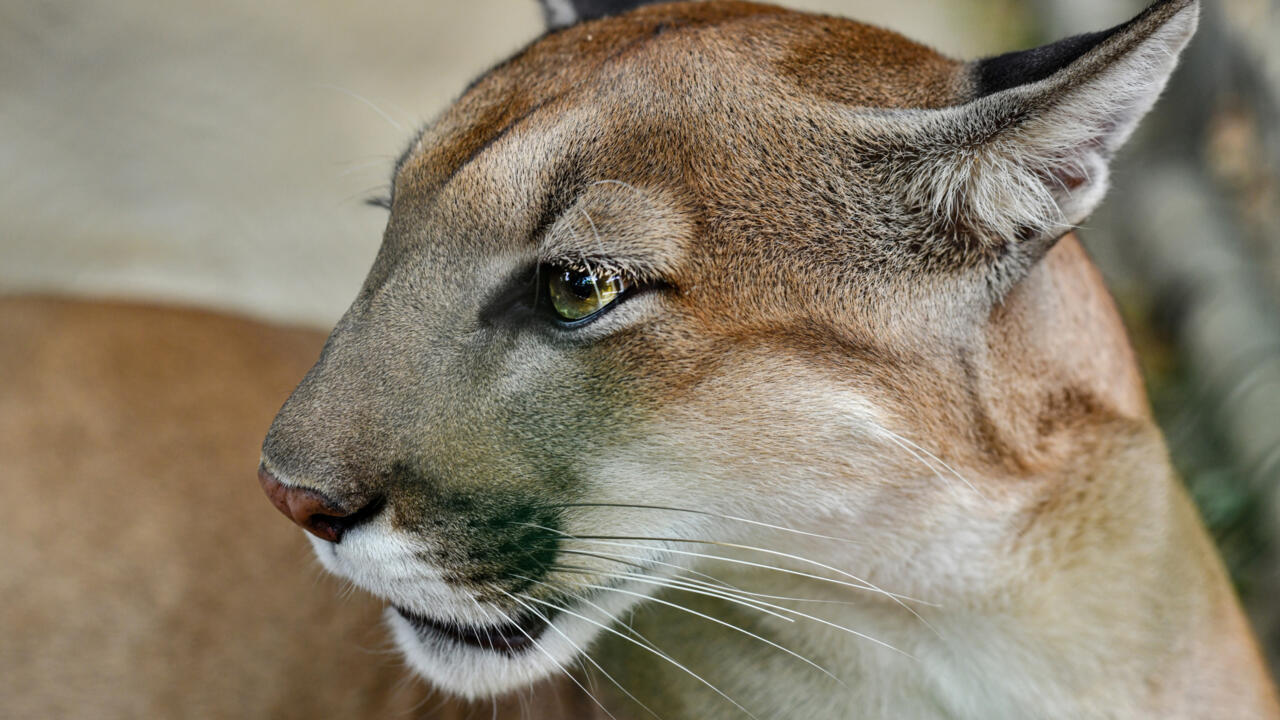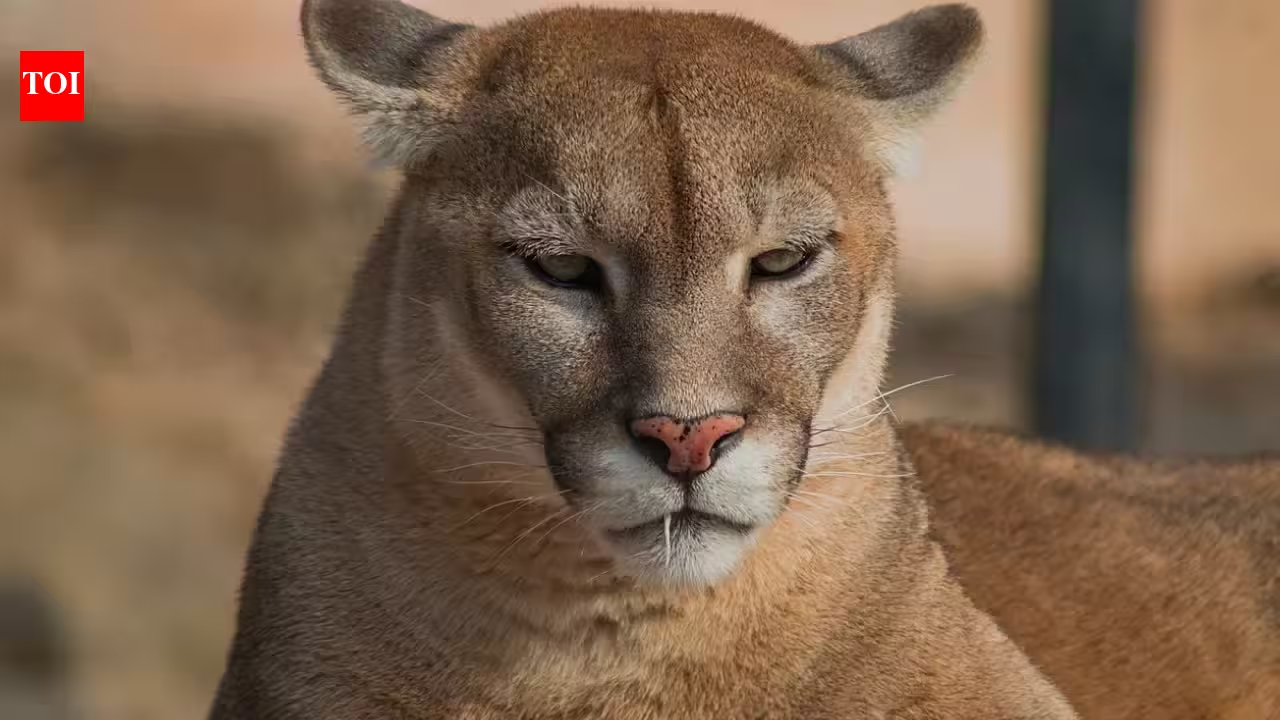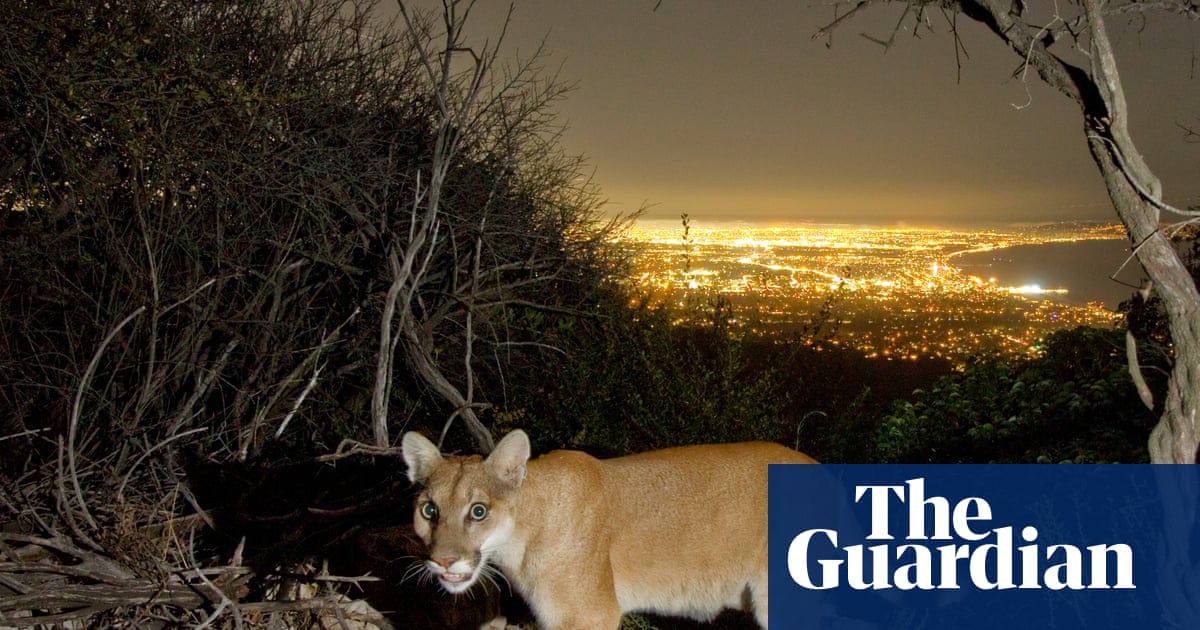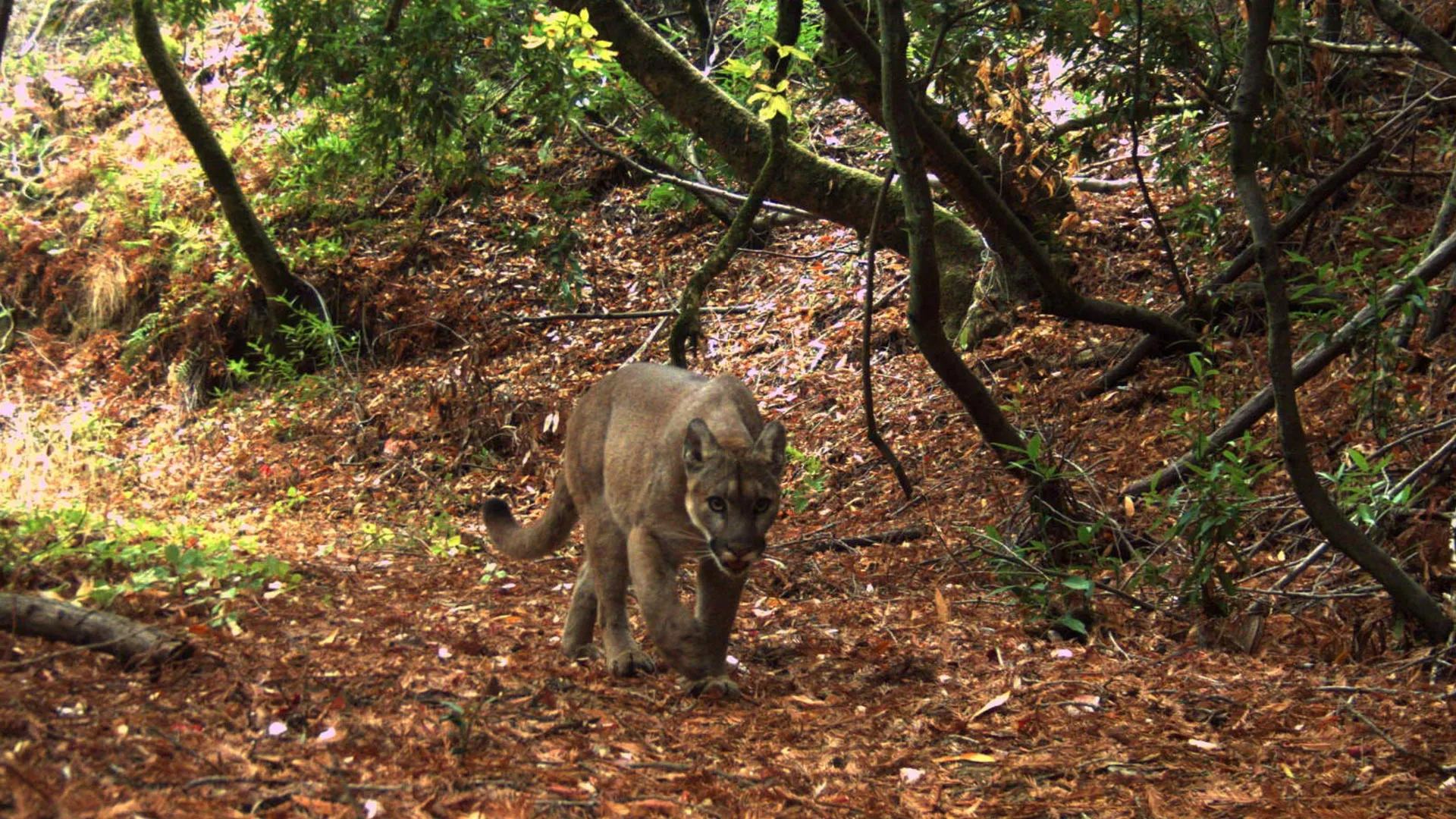
A long-term study has found that even occasional visits from mountain lions can reshape an entire ecosystem.
Researchers studying a small suburban preserve about 45 miles south of San Francisco discovered that as mountain lion activity increased, the behavior of many other animals changed as well. The effects extended beyond wildlife, influencing plant growth and the overall health of the landscape.
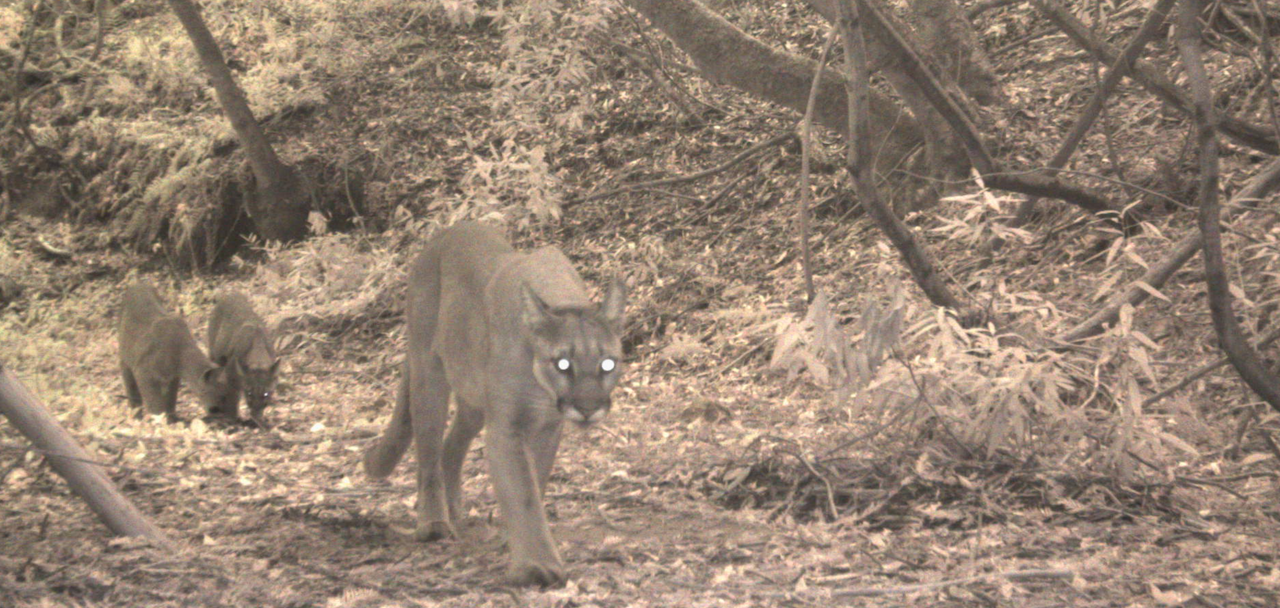
Mountain lions (Puma concolor) appeared more frequently on trail cameras at Stanford's Jasper Ridge Biological Preserve ('Ootchamin 'Ooyakma) between 2015 and 2020. During that same period, researchers observed a decline in deer activity compared with earlier years when pumas were rarely seen or absent altogether.
Vegetation surveys revealed another notable change. Woody plants that are commonly eaten or damaged by deer, including young oak trees, showed signs of recovery and growth.
The findings, published in Ecology and Evolution, point to a phenomenon known as a trophic cascade, in which changes at the top of the food chain ripple through multiple levels of an ecosystem. These effects are most often studied in large wilderness regions, particularly in well-known examples involving wolves in Yellowstone National Park. The new research suggests that similar ecological processes can occur in much smaller protected areas.