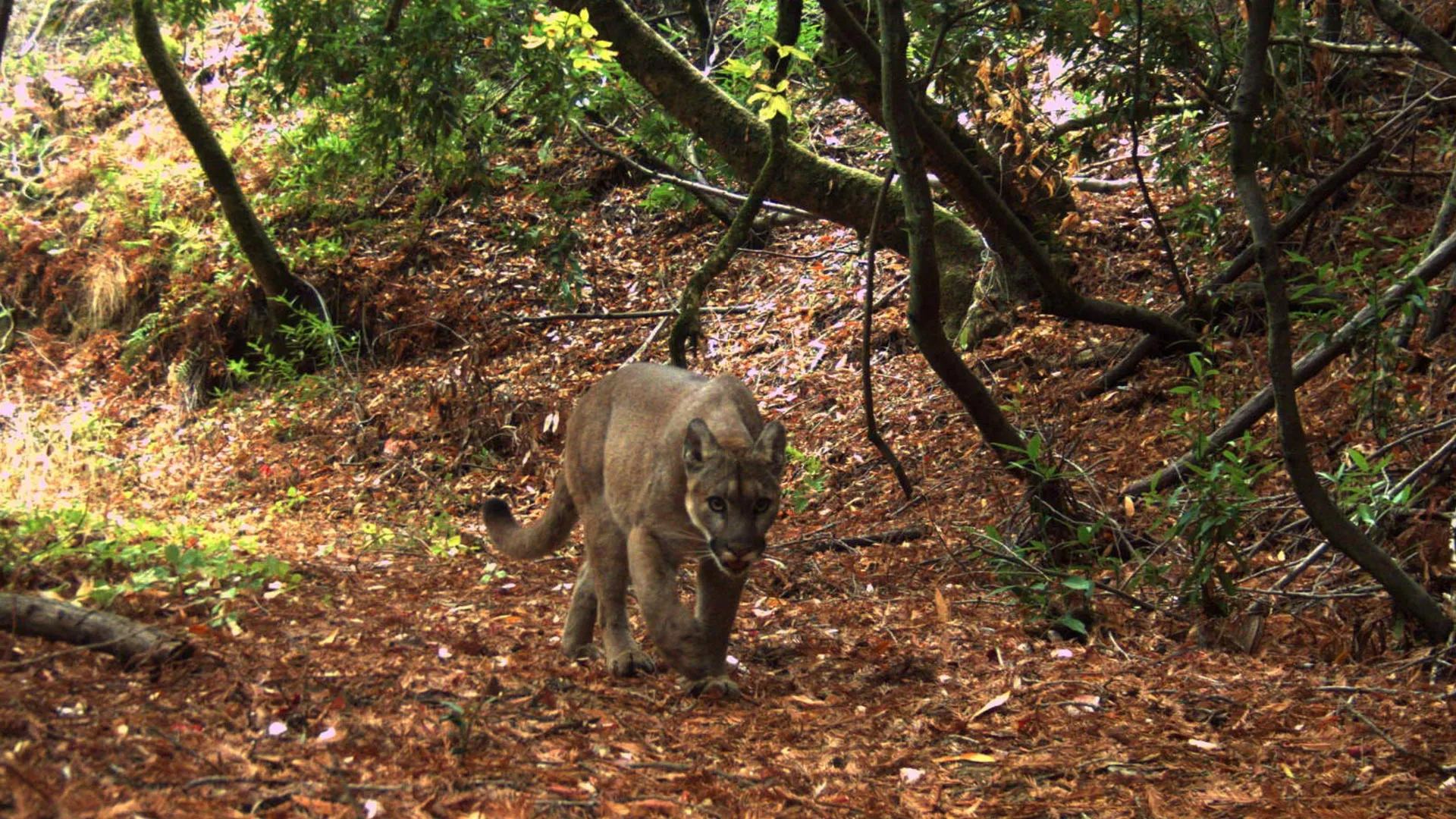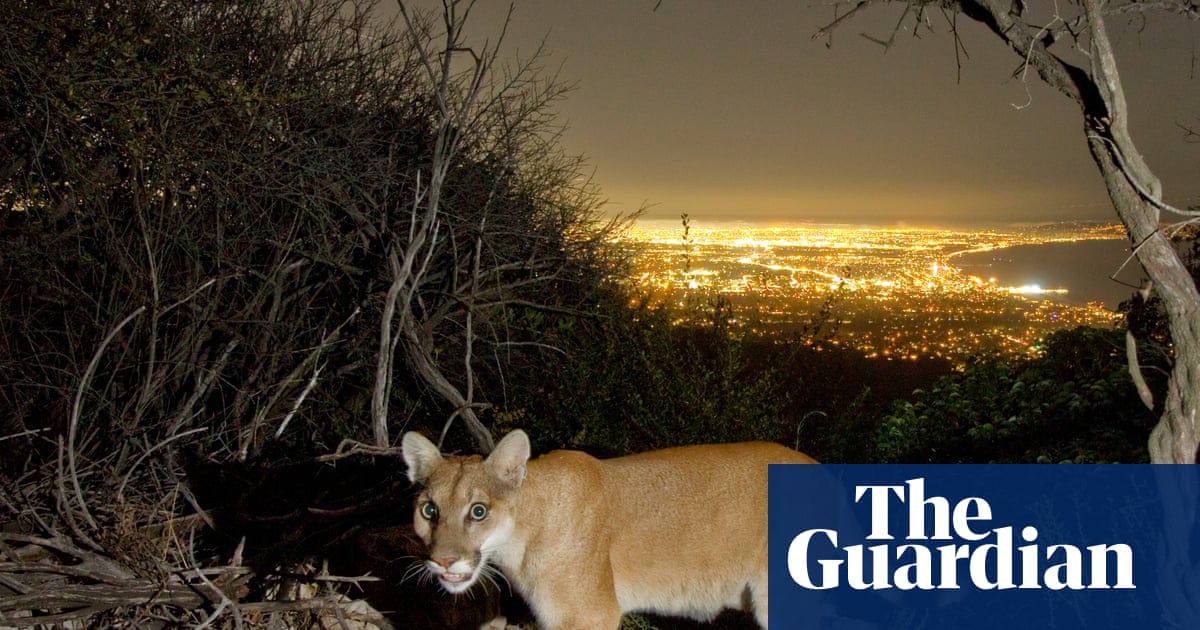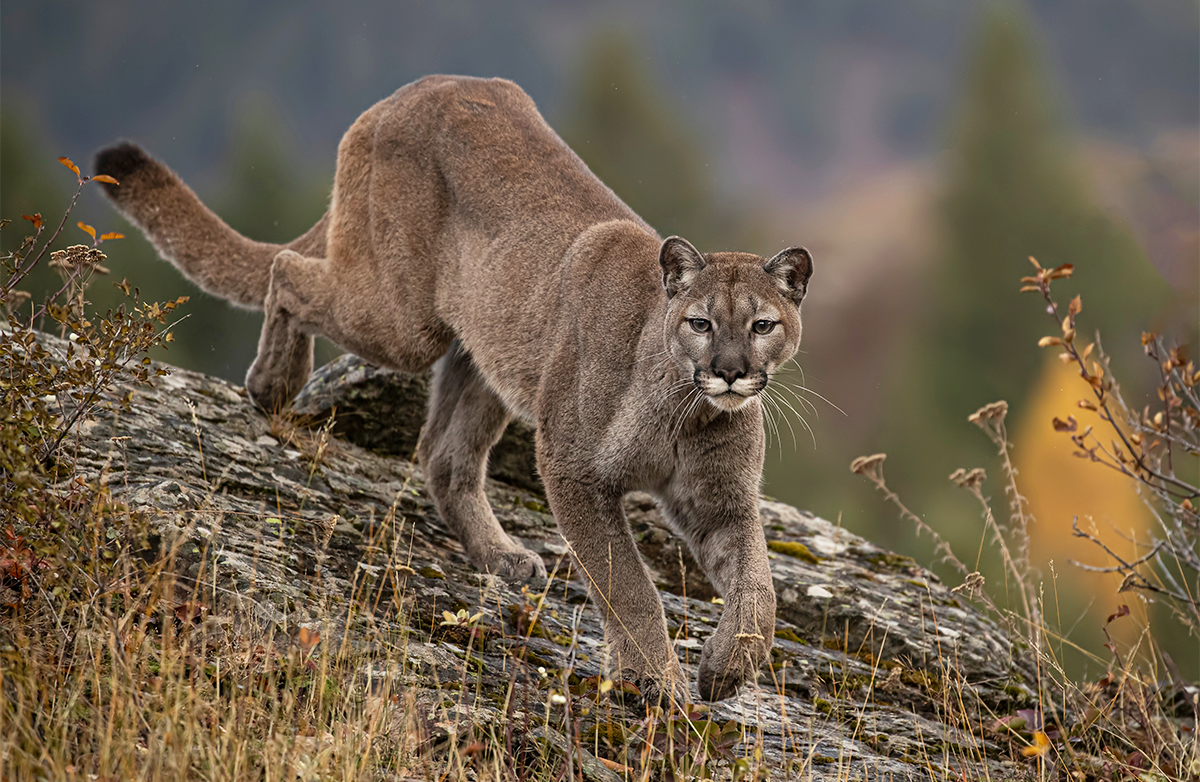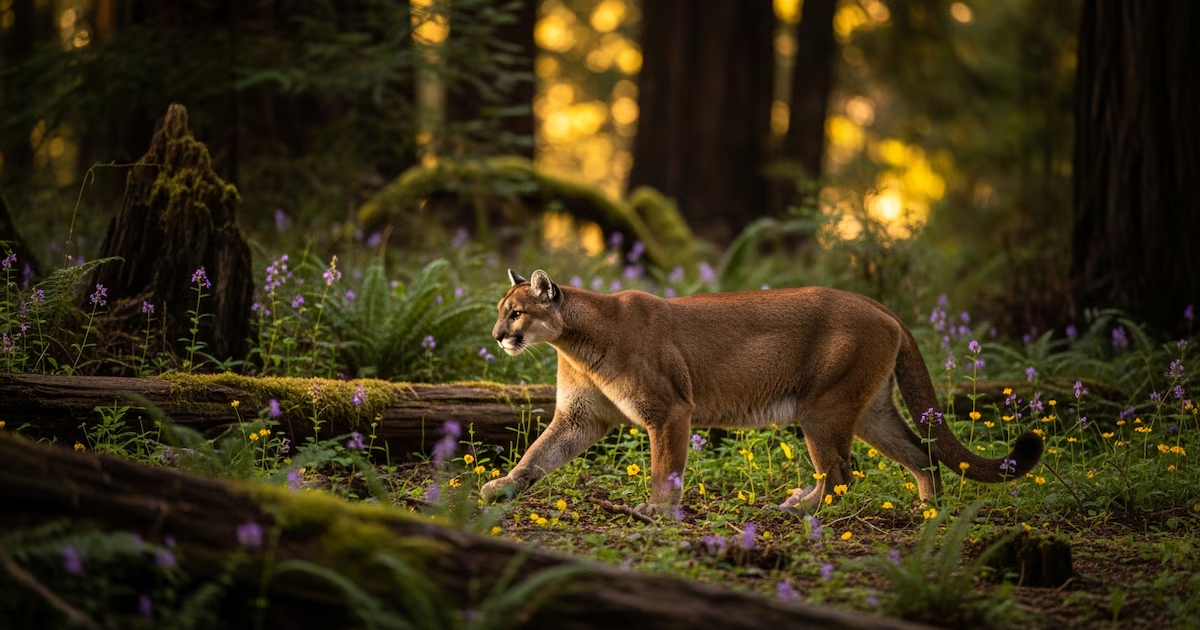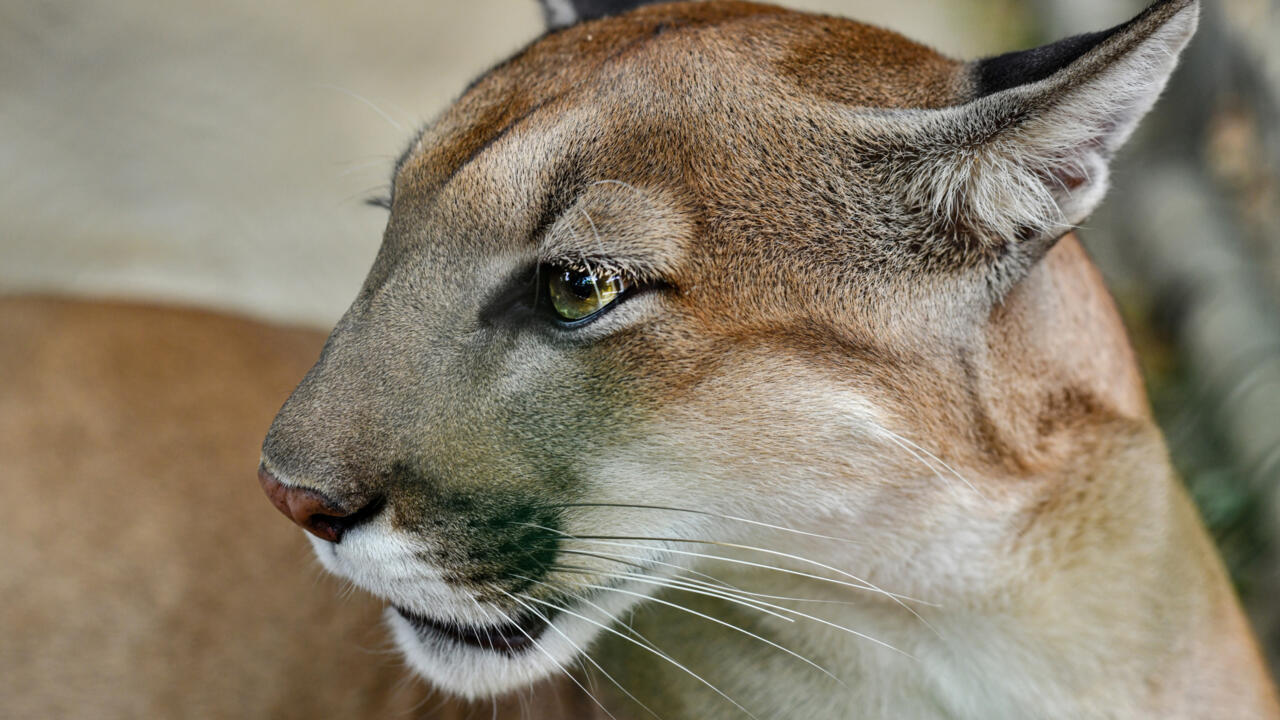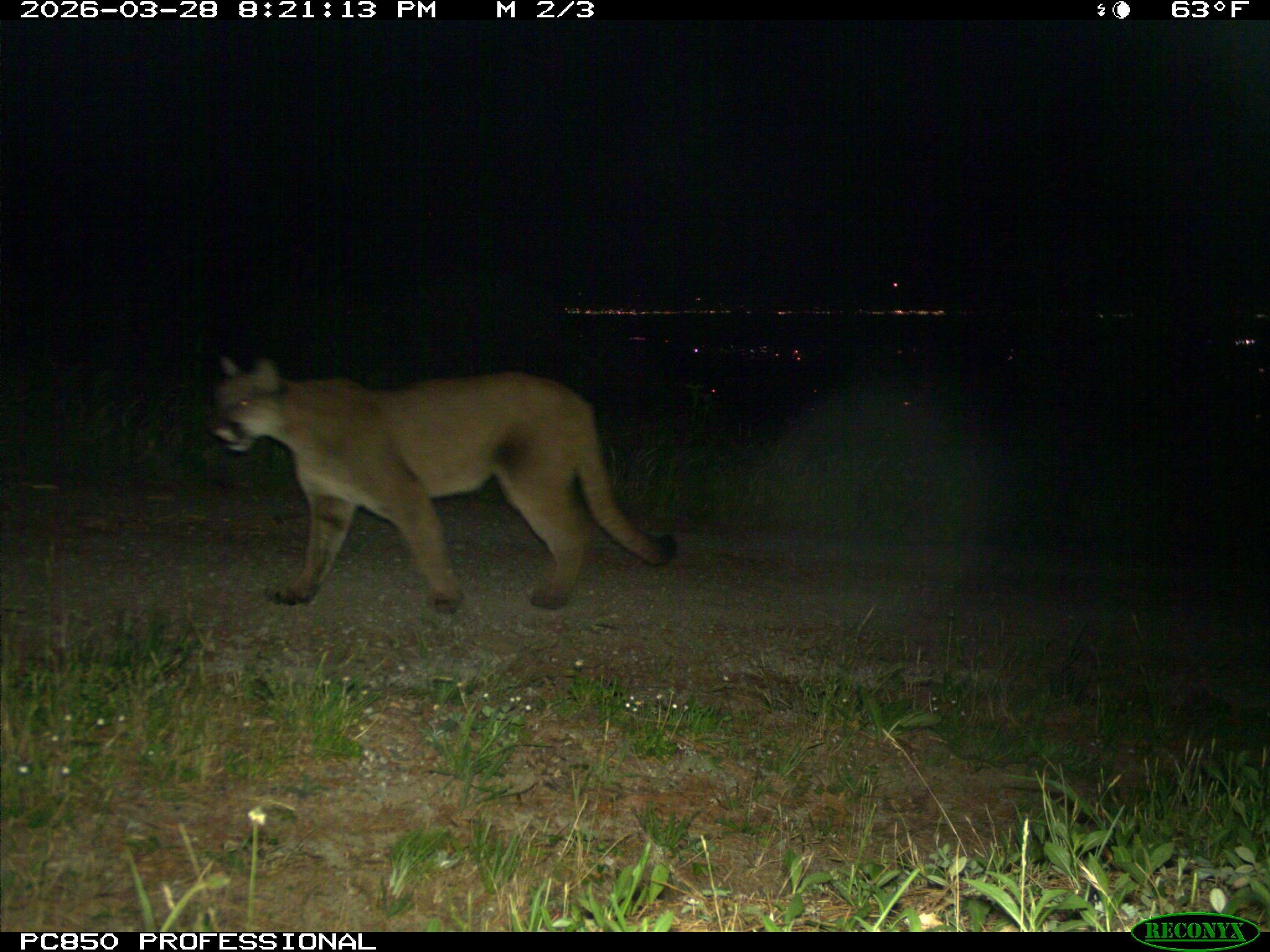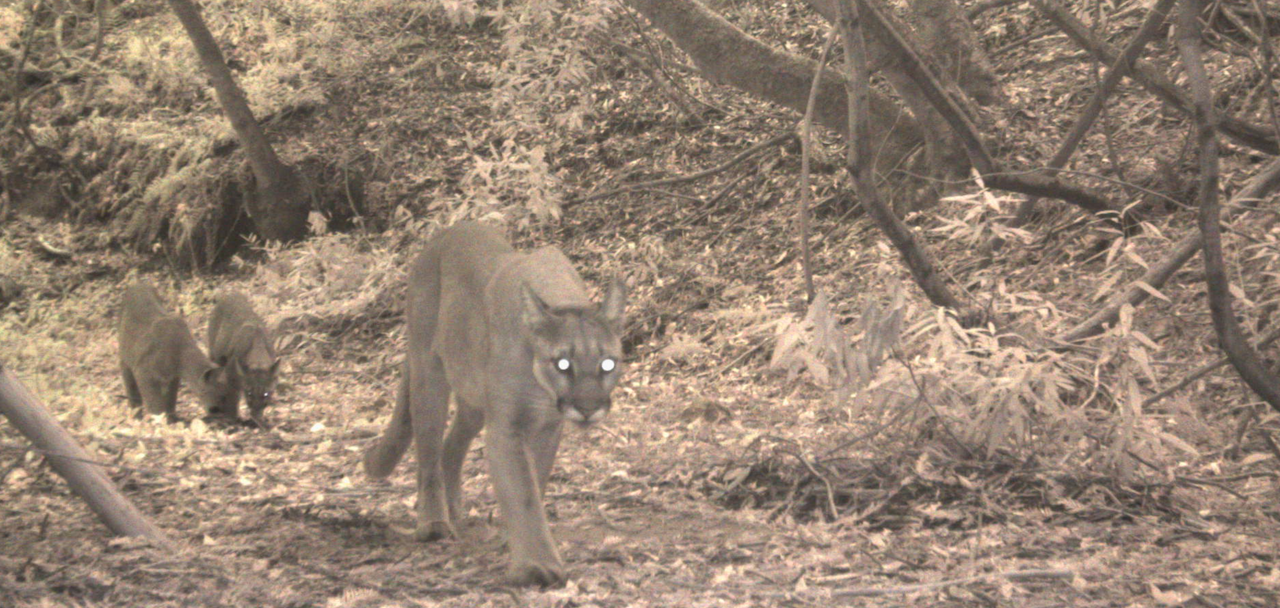
The presence of a mountain lion in a small biological preserve near Stanford University in California transformed the local food web.A recent study drew on nine years of camera trap data from Jasper Ridge Biological Preserve and found that when a puma began to visit, coyotes, deer, gray foxes and brush rabbits changed their behavior and native plant density increased.About 82% of protected areas in the United States are smaller than 5 square kilometers, roughly 2 square miles, making small suburban preserves increasingly important for wildlife as urban development expands.Jasper Ridge is far too small to support its own population of mountain lions, but is linked to the Santa Cruz Mountains, underscoring the importance of wilderness corridors in supporting wildlife.
When a mountain lion moved into a small suburban preserve near California’s Stanford University in the U.S. around 2012, its presence transformed the local food web, suggesting that apex predators can reshape ecosystems even in heavily developed landscapes.
A recent study published in the journal Ecology and Evolution drew on nine years of camera trap data from Jasper Ridge Biological Preserve, a 4.9-square-kilometer (nearly 2-square-mile) patch of oak woodland and grassland in the San Francisco Bay Area, surrounded by roads and residential neighborhoods.