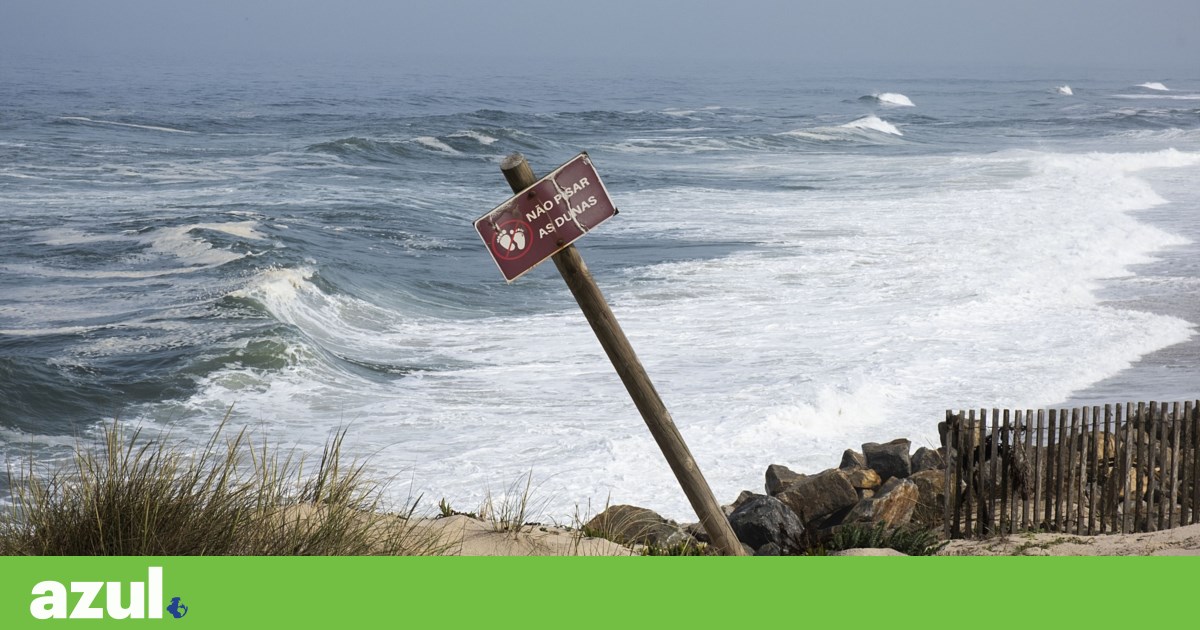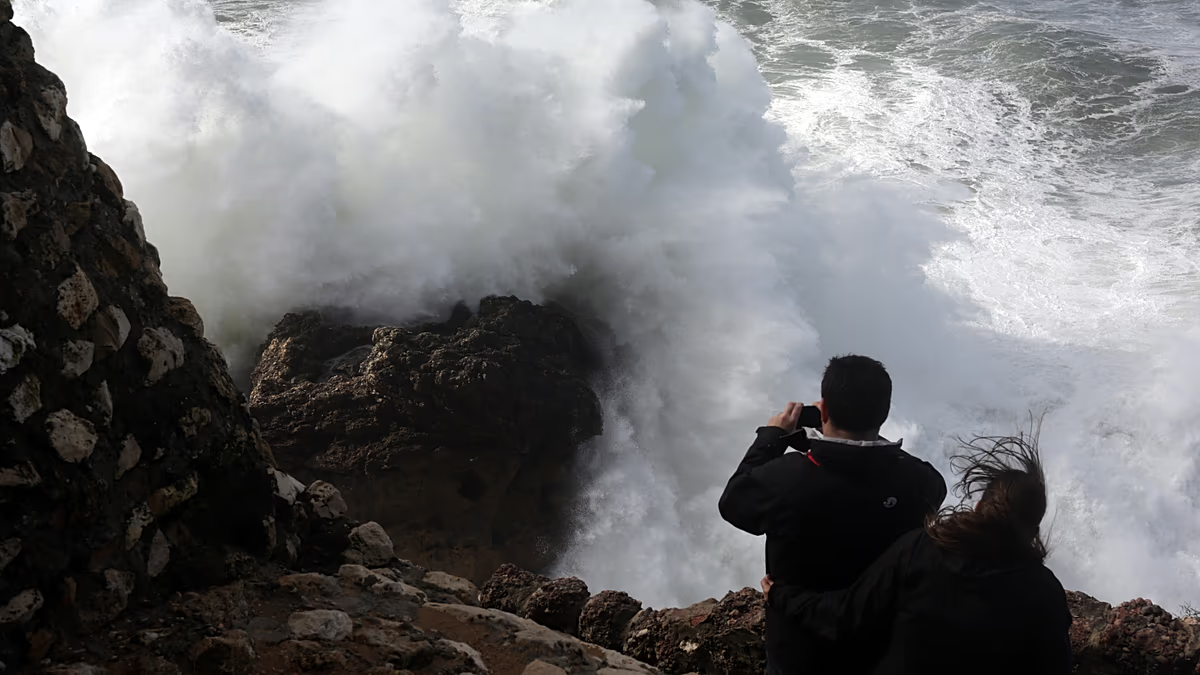
In a recent report published by Greenpeace, "Destruction All Along the Coast - A portrait of a Portuguese coastline at risk" (source in Portuguese), the organisation warns Portugal about the imminent risks posed by climate change and by decades of development and urban pressure.
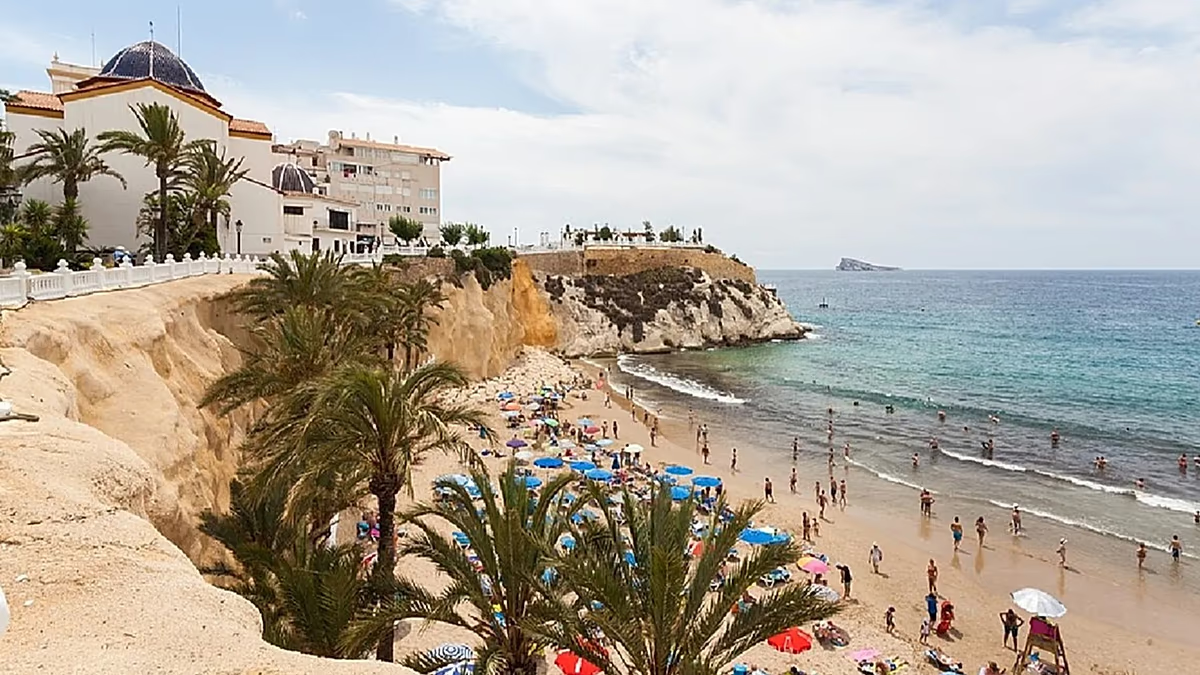
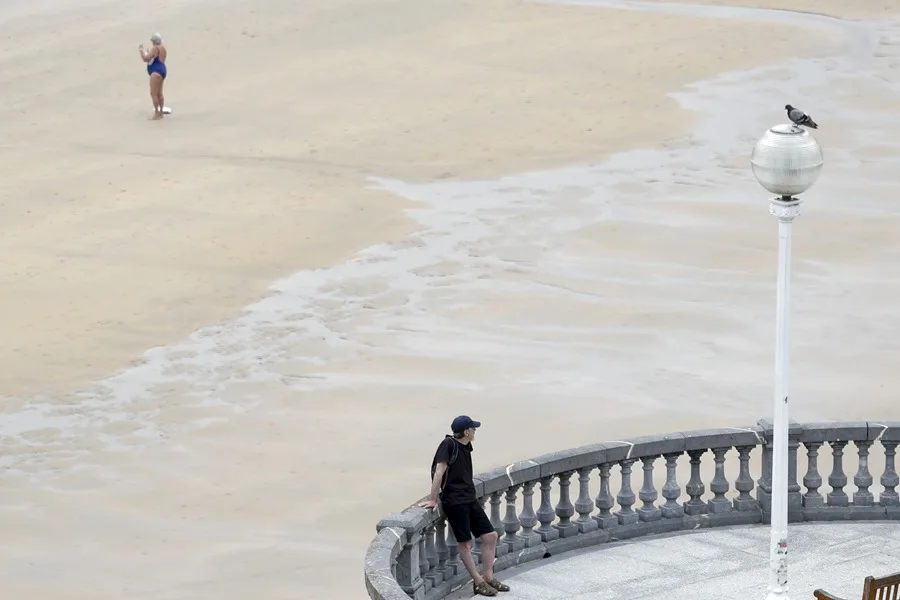
More aware of the issue, or confronted with a more glaring scenario, Portuguese people are already witnessing this summer the shrinking stretches of sand on many of their favourite beaches.
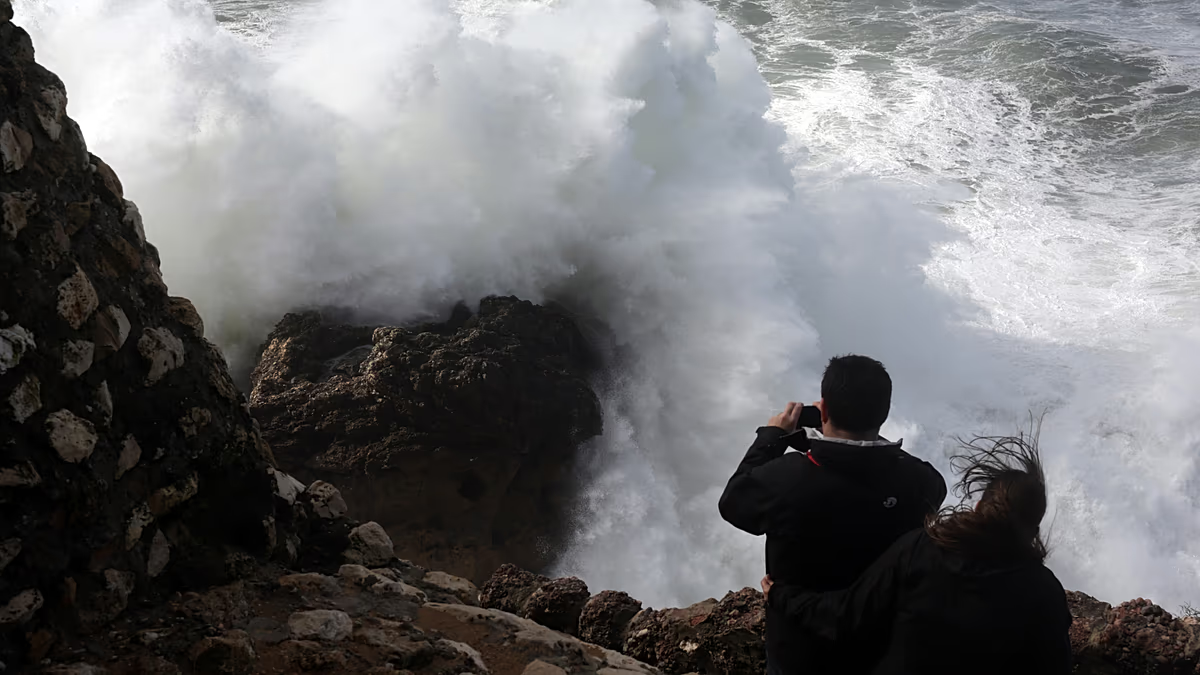
The advance of the sea and the retreat of the beaches are nothing new. However, the storms at the start of the year have worsened the situation. On average, beach retreat "ranges between 10 and 20 metres, reaching 40 metres in some areas", the Greenpeace report warns.
In an assessment of Portugal's 2,500 kilometres of coastline, from north to south of the country, the report estimates that 40% of Portuguese beaches could disappear by 2100.
Greenpeace says Portugal "has become the epicentre" of climate change impacts and major risks because of its long coastline and a rise in sea level that is faster than the global average.