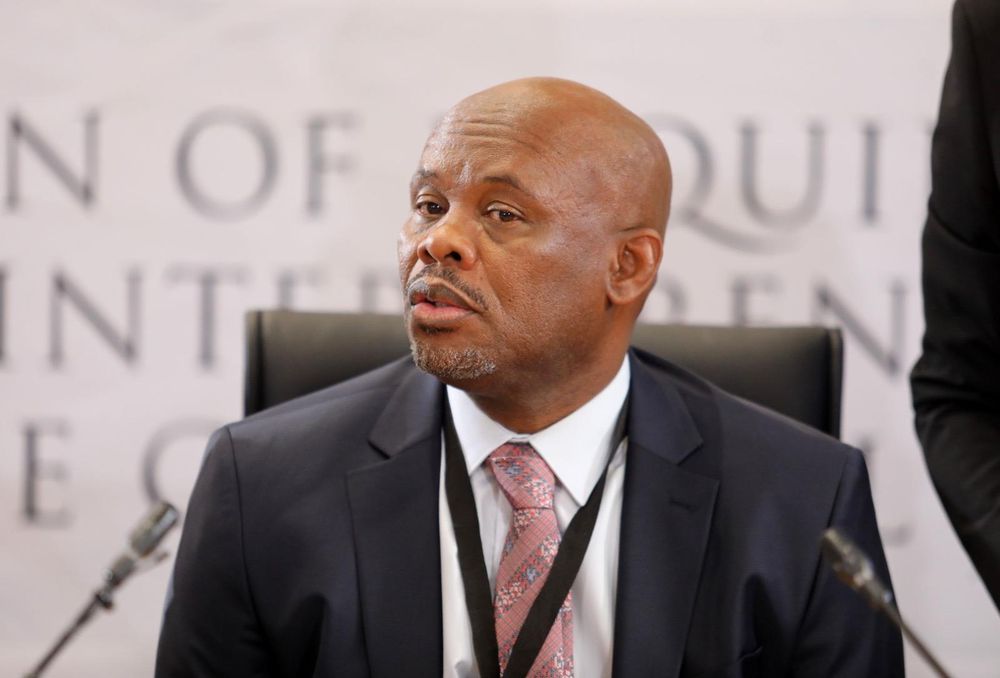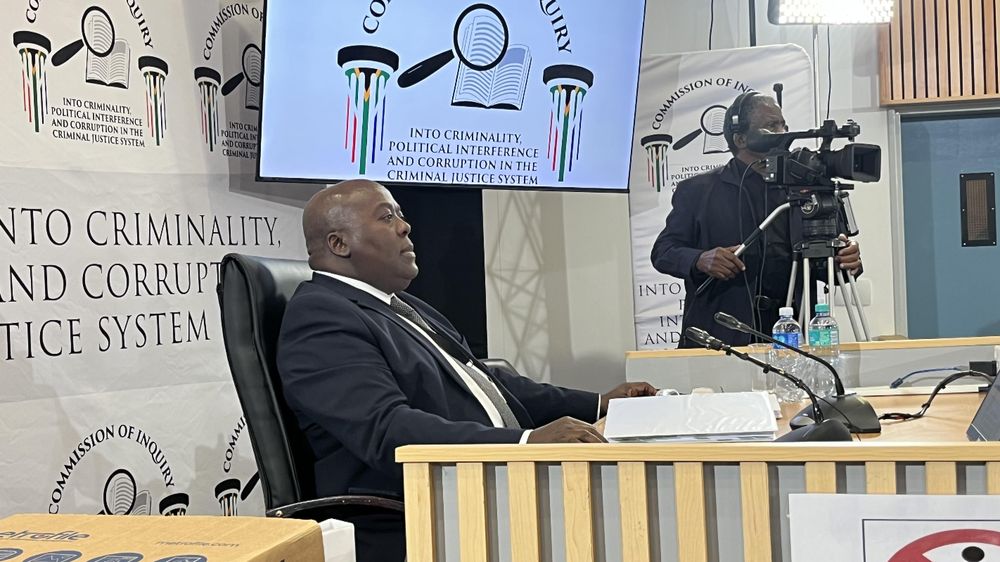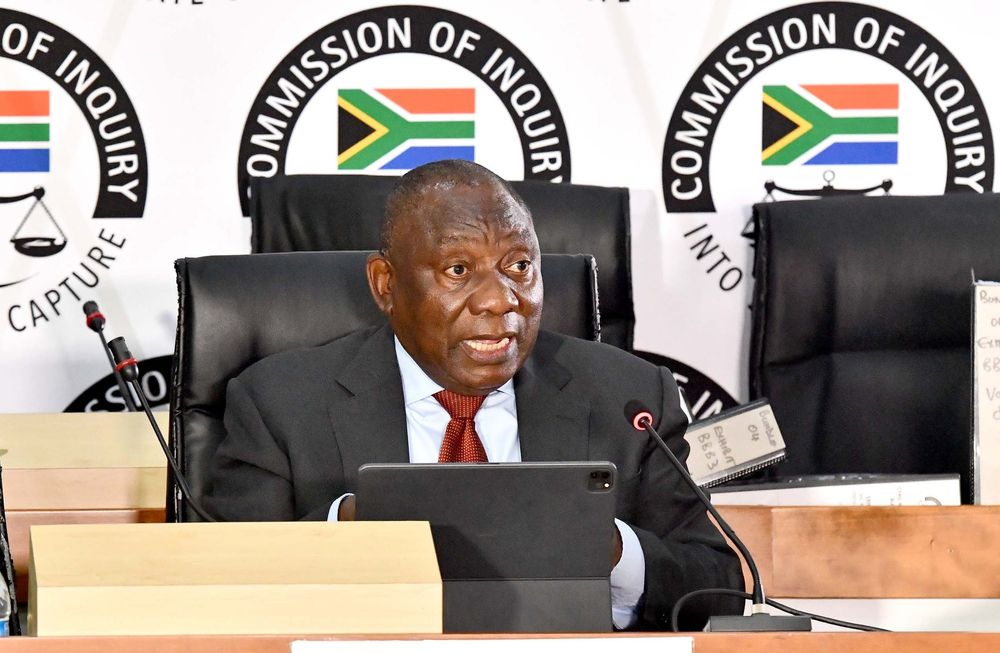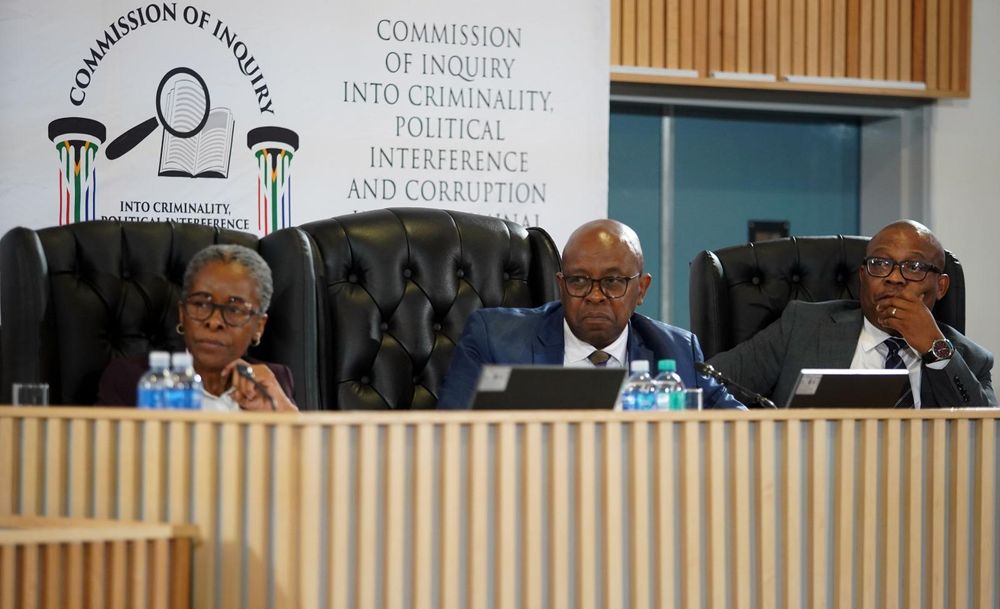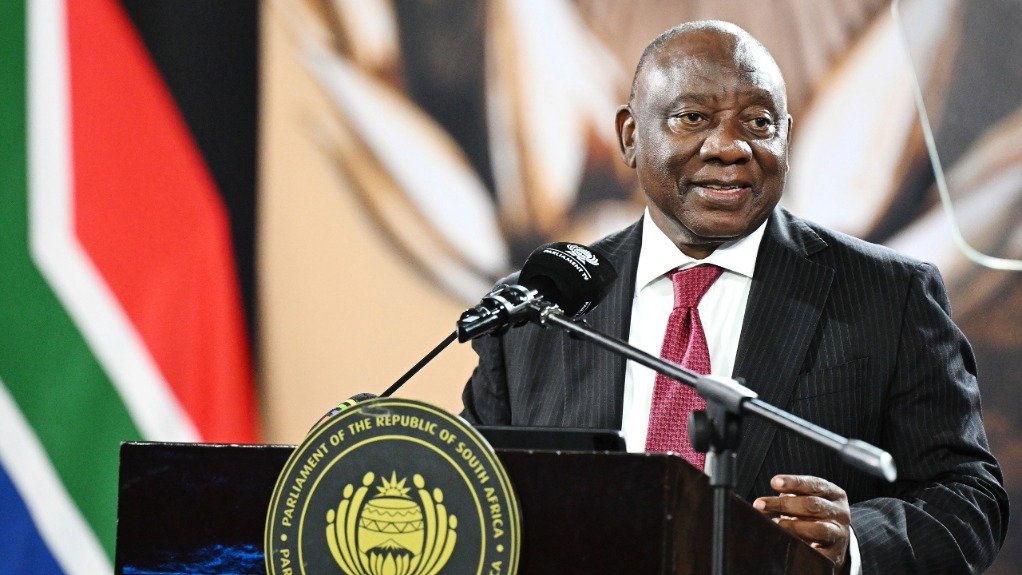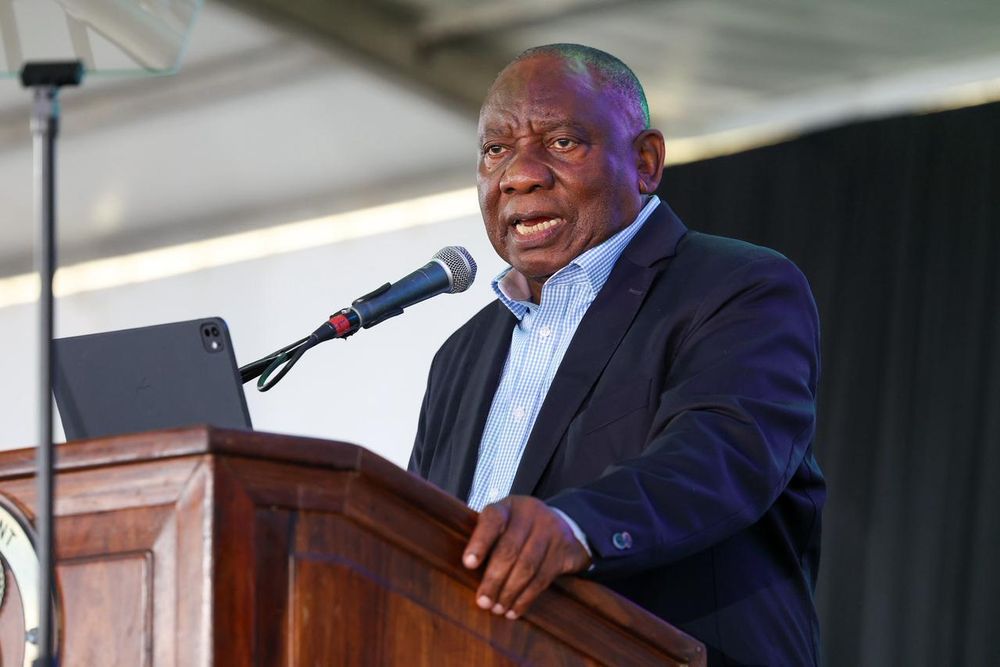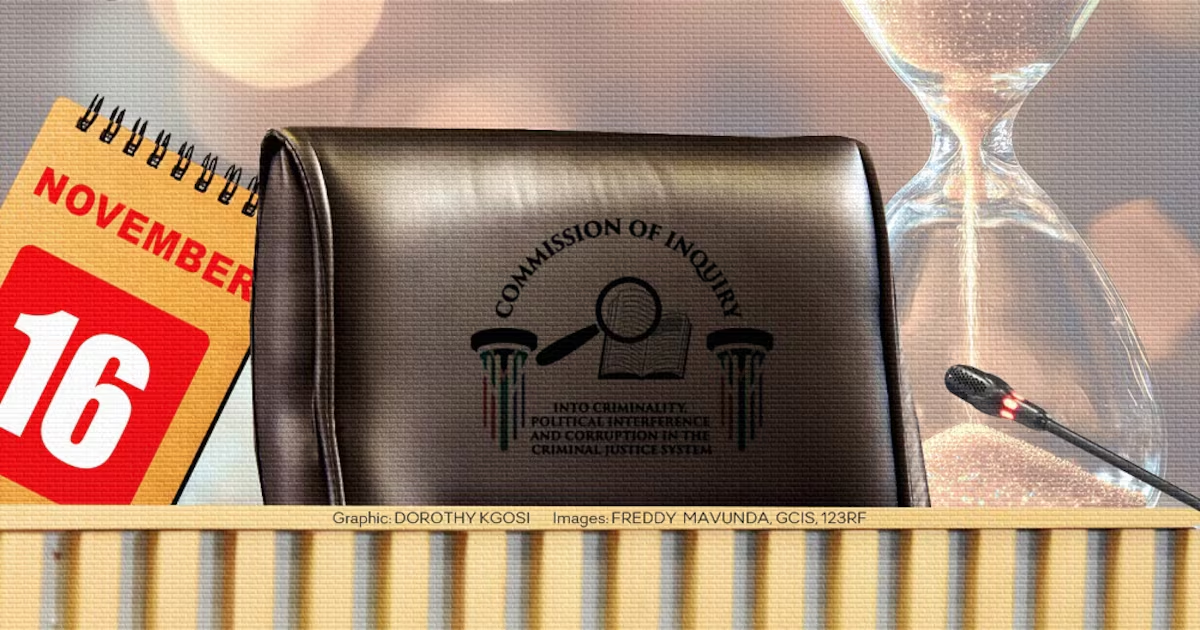
When Lt-Gen Nhlanhla Mkhwanazi took his seat before retired Constitutional Court judge Mbuyiseli Madlanga in September 2025, the commission that would come to bear his name was billed as South Africa’s reckoning with a criminal syndicate said to have burrowed into policing, politics and private security. Established by President Cyril Ramaphosa on July 21 of that year under section 84(2)(f) of the constitution, with advocates Sesi Baloyi and Sandile Khumalo serving as commissioners, the inquiry was given six months to complete its work. Nearly a year on that reckoning has survived two deadline extensions, a killing, a shooting outside a witness’s home and a widening list of applications to testify in secret. It is now working toward a third and, the presidency insists, final deadline: a final report due on November 16 this year, with all new evidence required to be led by October 2. Mkhwanazi’s testimony implicated senior police and political figures in a syndicate investigators dubbed the big five. Crime intelligence head Dumisani Khumalo followed with further detail, and the early months of the inquiry ran largely as such commissions are meant to: witnesses appeared, evidence leaders probed, and the chair kept things moving. The commission submitted its first interim report on schedule on December 17, referring several matters for immediate criminal investigation and urgent prosecutorial decisions, with recommendations on the employment status of certain implicated officials. There have been concrete outcomes from that referral process, including arrests of Ekurhuleni municipal officials on evidence that first surfaced at commission hearings. Yet, the commission did not come close to meeting its original six-month window. The timeline has moved twice since. In March, with witnesses still queued to testify, Ramaphosa pushed the reporting deadline to August 31. By early July, with the commission’s spokesperson conceding it was “under huge pressure” and still working through a substantial witness list, it asked for more time again while insisting it did not want to remain in existence “for another year or anything along those lines”.On July 9 the presidency confirmed a second extension: a final report is now due on November 16 and an evidence deadline of 2 October to close the topics the commission has already opened. It is, by the presidency’s own account, the last such concession on offer, granted so the inquiry does not have to leave large parts of its mandate unfinished. This is what makes November the date this commission is now racing against, rather than merely working towards. That mandate has grown more dangerous to fulfil as it has gone on. In December Madlanga commission witness Marius van der Merwe was killed, drawing condemnation from the presidency and warnings from opposition parties that the inquiry had failed to adequately protect the people testifying before it. The strain resurfaced violently in late June, when suspended crime intelligence deputy head Maj-Gen Feroz Khan was shot outside his Houghton home just days before he was due to testify on his own conduct, including a 2018 assault and intimidation case and allegations that he was offered a R10m bribe by an MP. Khan has since been discharged from hospital, but he remains absent from the witness stand: a Kempton Park court issued a warrant of arrest for him in an unrelated precious-metals case after he missed a separate hearing that was stayed only until September 2. Meanwhile, the commission has continued reading evidence about his finances into the record without him, including disclosures that he bought 30 cars in a single year and runs a car parts business on the side. Security concerns have also driven a growing number of witnesses to ask for their evidence to be heard away from public view. A businessman testifying under the pseudonym Witness M was granted permission to give evidence entirely in camera, resuming behind closed doors last week, about a bungled 2021 Aeroton drug bust in which police seized about R750m worth of cocaine. He has told the commission his testimony implicates senior political figures, crime families and law enforcement officers and that going public would put him and his family at risk. Public hearings were suspended for several days to accommodate an earlier in-camera application on similar grounds. Not every delay has been about danger. Businessman Suliman Carrim, whose evidence bears on the syndicate’s political financing, has missed hearing after hearing on medical grounds and remains at a facility outside Gauteng, facing the prospect of prosecution under the Commissions Act if he continues to resist an independent medical examination the commission has ordered. His credibility took a further knock after he was reportedly spotted at a Western Cape shopping centre despite being declared unfit to testify, prompting the commission to seek CCTV footage and subpoena his doctor. Vusimuzi “Cat” Matlala, whose testimony touches a R360m police health risk management contract at the centre of the inquiry, has had his own appearance postponed and pushed back to September. Advocate Andrea Johnson, head of the Investigating Directorate Against Corruption and a witness central to allegations that she leaked details of the 2018 complaint against Khan, missed her own scheduled appearance in mid-July. After a period back at work before resigning and a subpoena from the commission, she finally took the stand on July 21 to answer those allegations directly. What connects all of this, be it a bullet, a subpoena or a sick note, is timing: it keeps landing on the exact witnesses whose evidence would tie the syndicate’s political, policing and business threads together. Khan on his own conduct and the bribery claim against him. Johnson on her handling of the Khan docket. Carrim on the money. Matlala on the tender. Two of those threads have now been picked back up; two remain open, and neither Khan nor Carrim currently has a confirmed date to appear. That is what makes the October 2 evidence deadline the date to watch, more than any single postponement. The commission has about 10 weeks left to get Khan, Carrim and Matlala onto the stand, close its outstanding lines of evidence and hand what it has to the drafters of a final report due six weeks after that. No-one has established that any individual delay, medical or otherwise, was engineered to run the clock down, but a commission convened to show that the state can still hold itself accountable is now working against a deadline that its own outstanding witnesses could plausibly outlast. South Africans deserve to know, well before November 16, whether the report that lands is a full account of what the commission uncovered or a partial one, shaped as much by who did not make it to the stand as by who did. • Nzimande is the Middle East Africa Research Institute’s Future Voices Scholar for 2025/26. A former Wits student leader, he is completing a master’s degree in neuroscience at the university. Business Day
ZIYANDA THANDO NZIMANDE | An investigation pitted against the clock
High-profile absences and delays threaten to undermine Madlanga commission’s mandate
1,140 words~5 min read