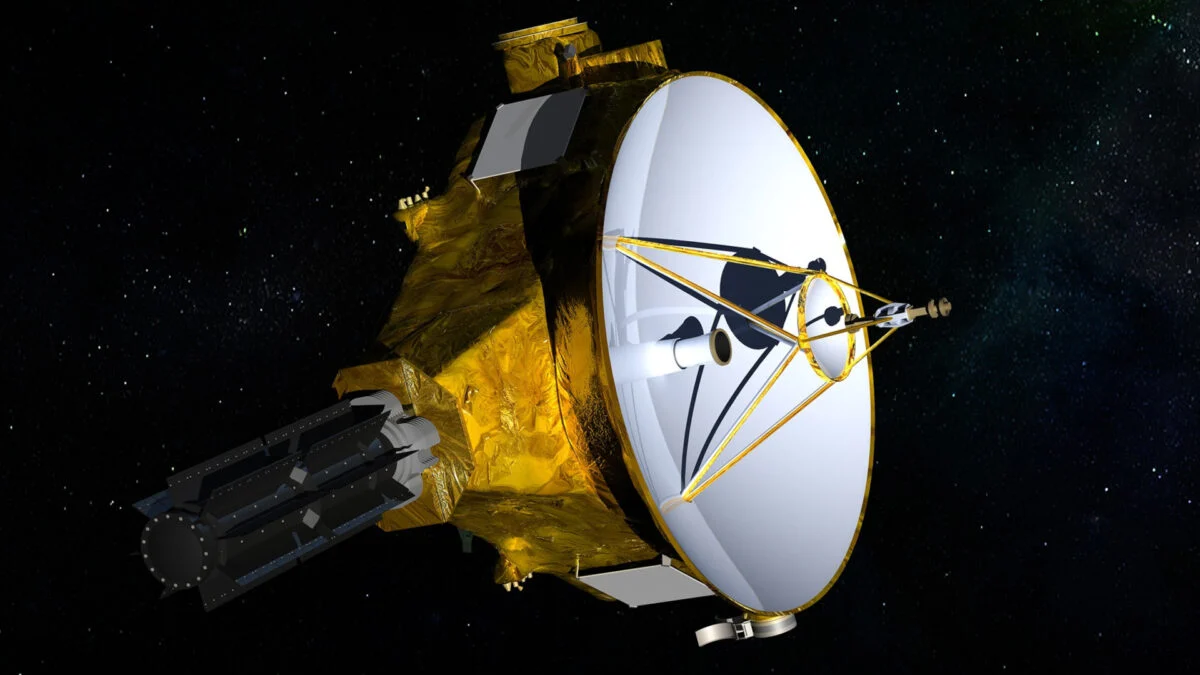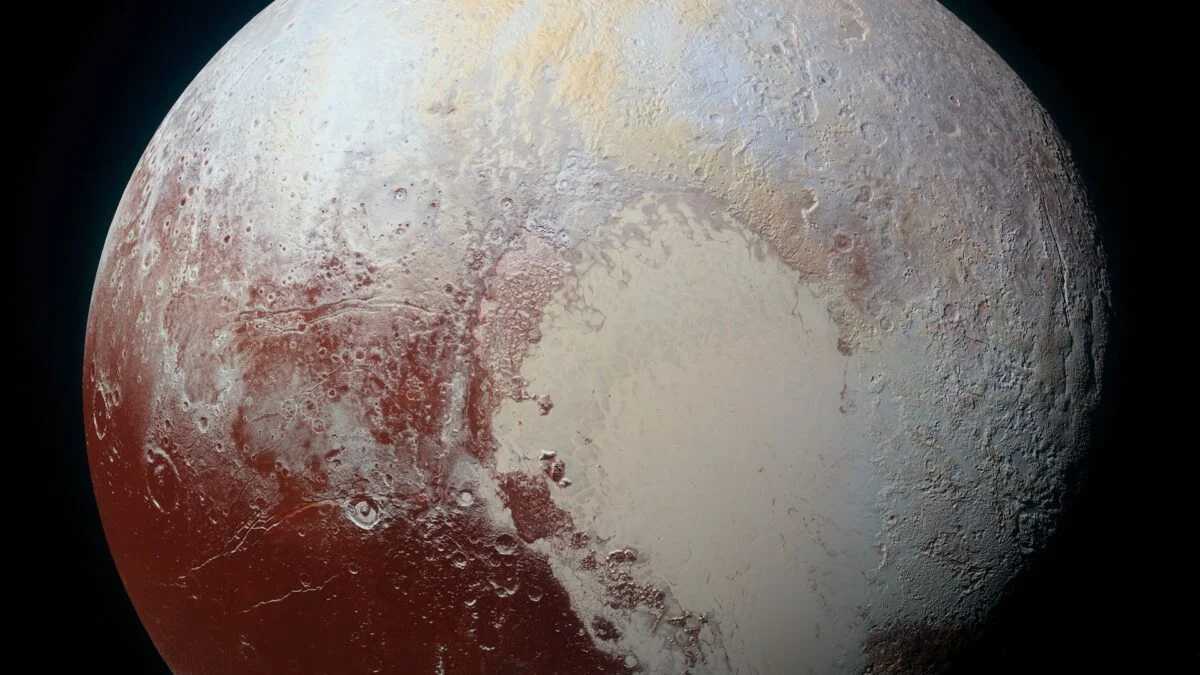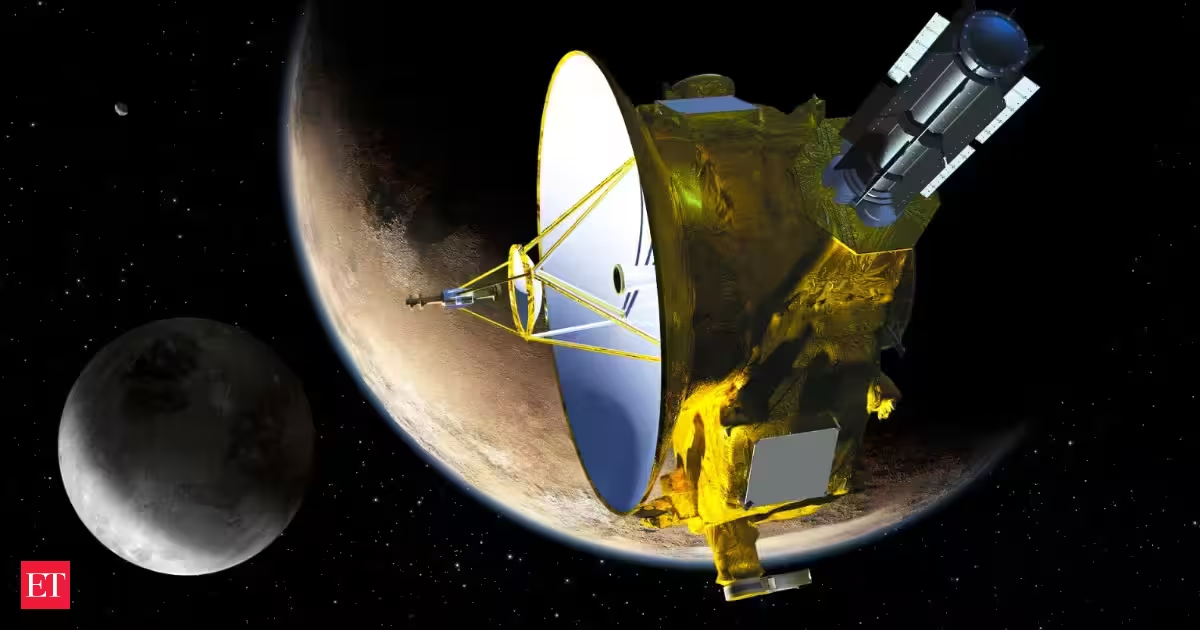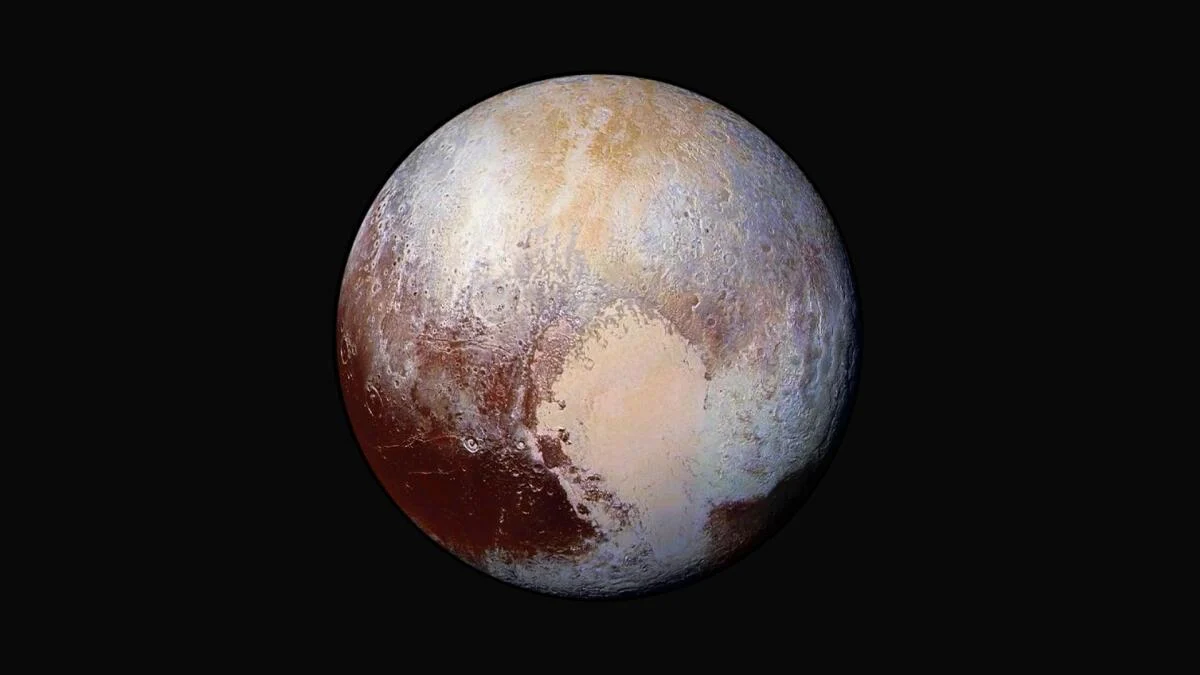
Pluto’s orbit around the Sun is a long, elliptical journey that lasts 248 Earth years. Right now, Pluto is gradually traveling farther and farther away from our host star. And as it does so, its atmosphere seems to be changing slowly, new findings suggest. When New Horizons made its flyby of Pluto in 2015, the spacecraft captured its key physical properties, including atmospheric pressure. For a new study published in The Planetary Science Journal, researchers compared this dataset with information gathered from stellar occultations of Pluto, an observational method that uses Pluto’s shadow cast on Earth when a star passes behind the dwarf planet. The team found that, from mid-2021, Pluto’s atmosphere experienced a sizeable decline. This phenomenon was predicted as early as 1996, but only now is this decline starting to take hold, the research suggests. This could even be the “first signs of Pluto’s atmospheric collapse,” according to a statement by the Planetary Science Institute. The institute’s senior scientist Amanda Sickafoose led the latest work.
When the stars align Stellar occultations occur when something like a planet, moon, ring, or asteroid blocks the light from a star, which might sound really trivial as far as eclipses are concerned. But occultations actually allow researchers to study these foreign systems with “spatial resolutions of a few kilometers—several orders of magnitude better than the resolution of any other Earth-based method,” according to an explainer by the MIT Planetary Astronomy Lab.