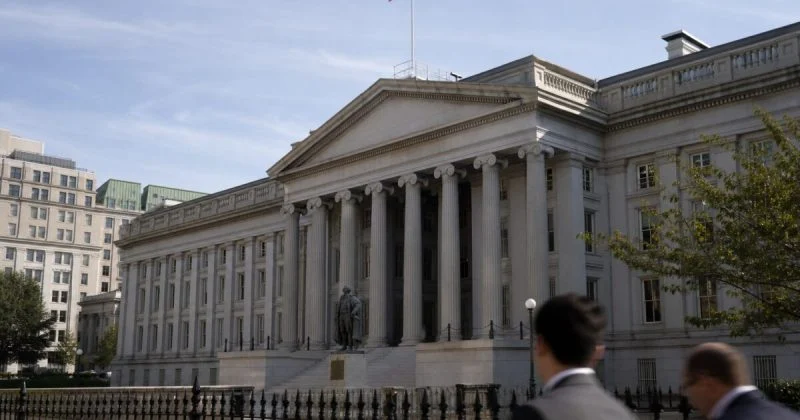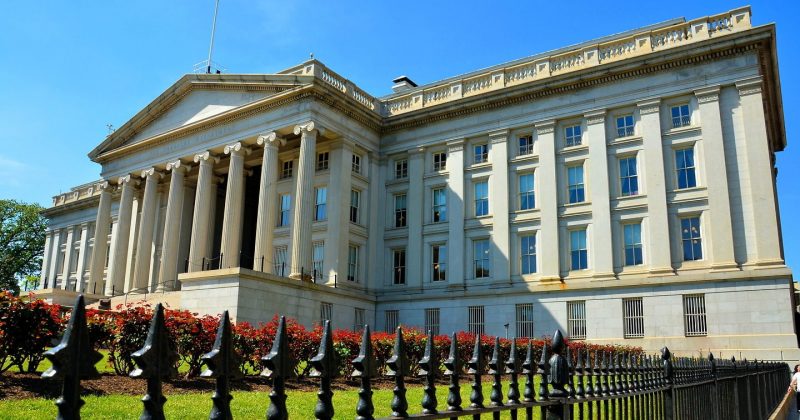
For the first time in fifteen years, the US Treasury is actively buying another country’s currency to prop it up. That country is Japan, the intervention target is the yen, and the implications stretch far beyond Tokyo.
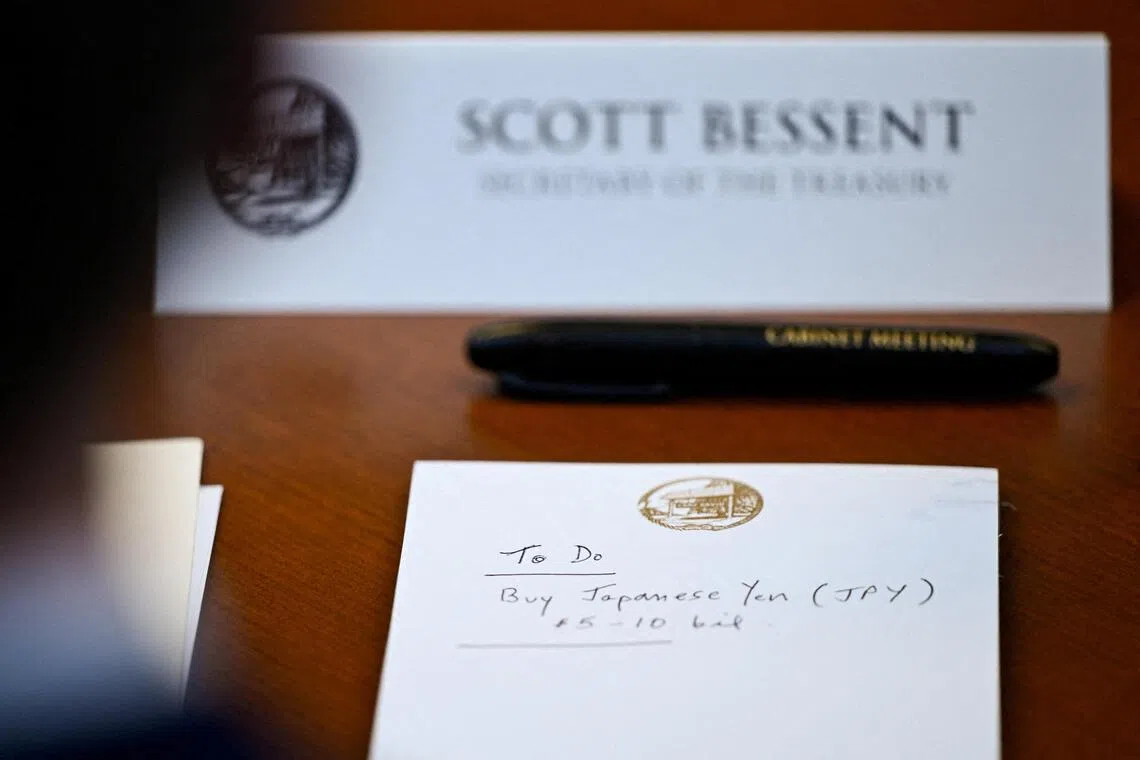
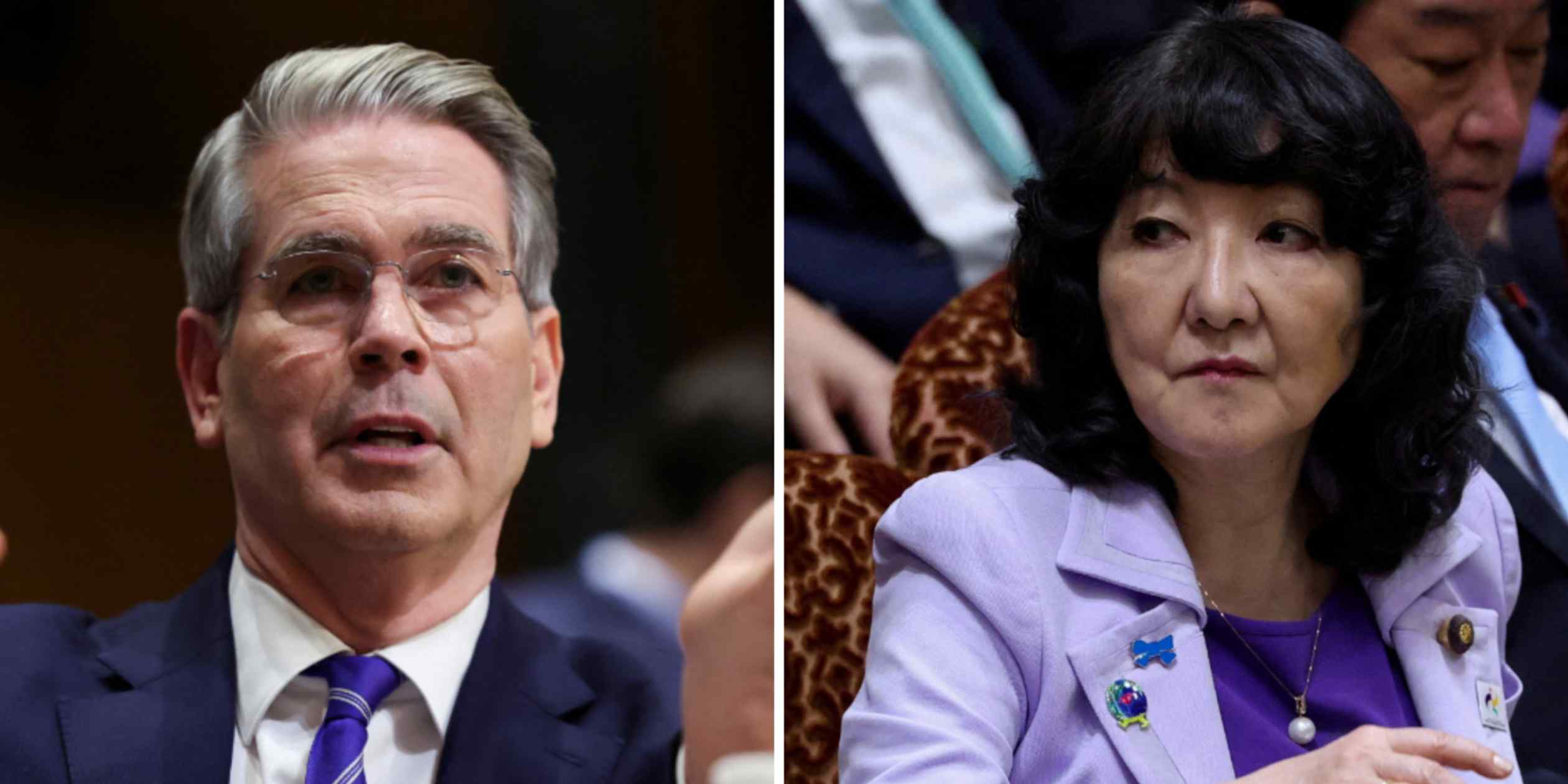
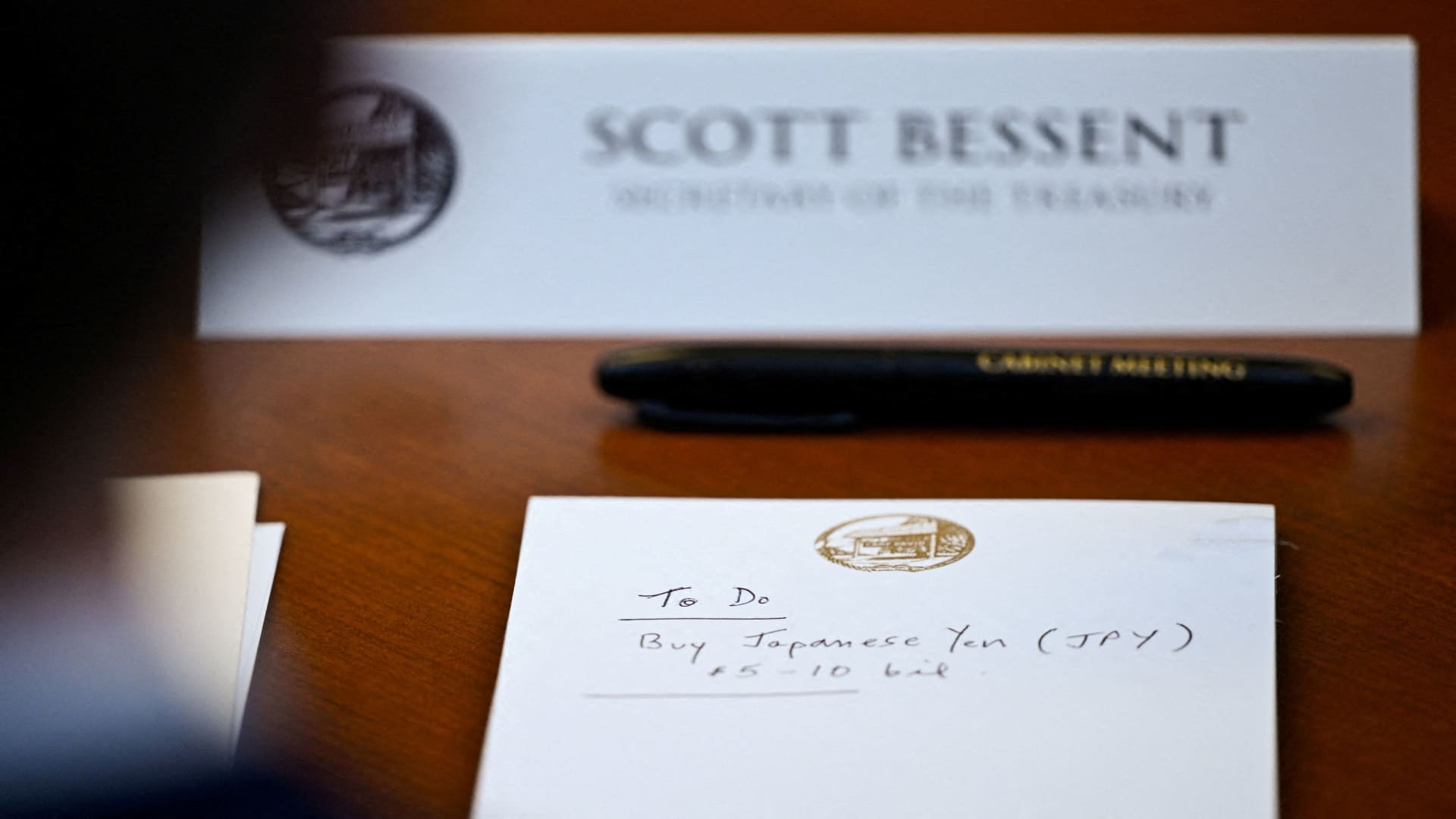
The coordinated US-Japan foreign exchange intervention, confirmed around August 2-3, 2026, saw Treasury Secretary Scott Bessent commit to purchasing between $5 billion and $10 billion worth of yen while simultaneously selling euros.
What actually happened
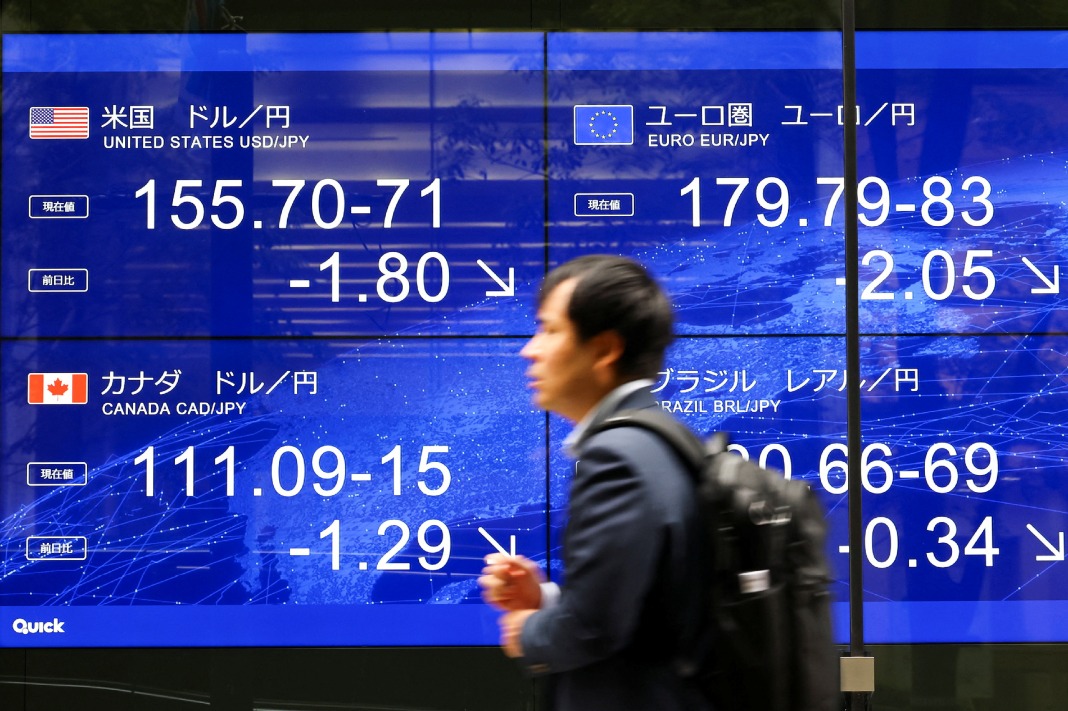
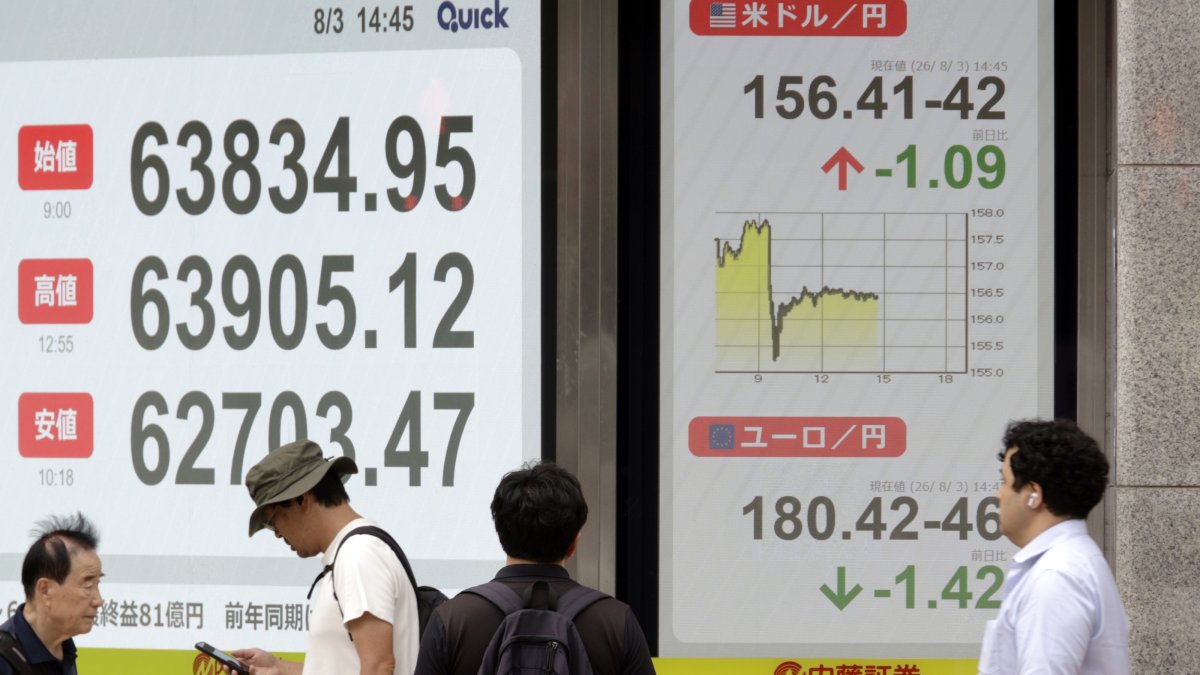
The yen had been sliding for months, eventually hitting roughly 162.80 per dollar, a level that qualifies as multi-decade weakness. After the intervention, the yen firmed to approximately 157.80 per dollar.
The last time Washington participated in a coordinated yen intervention was 2011, when it joined G7 allies to weaken the yen after it surged following the Fukushima earthquake. This time, the direction is reversed. The US is buying yen, not selling it.